
Main Courses
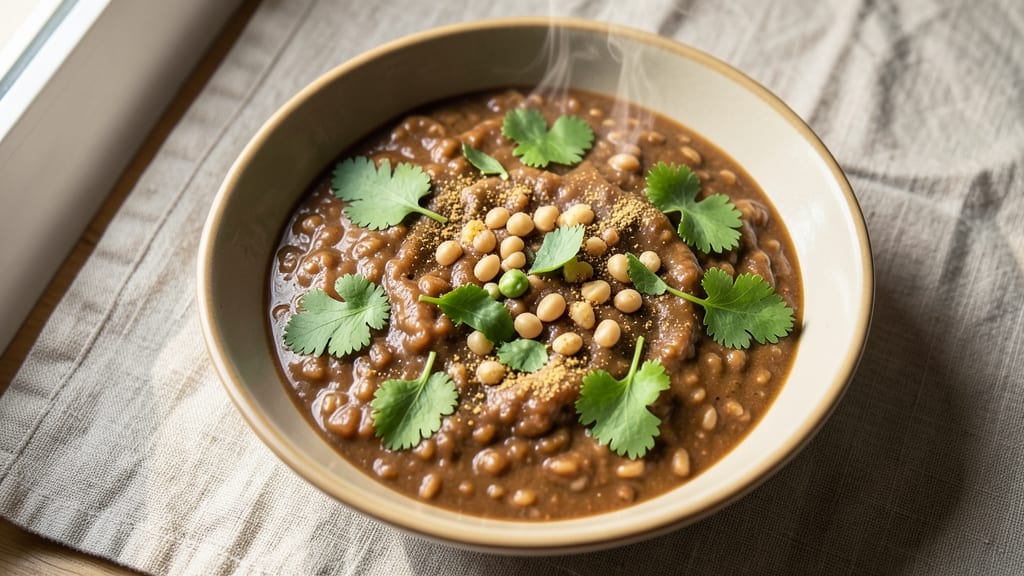
This brown rice idli batter recipe transforms traditional idlis into a lighter, nutrient-packed version packed with South Indian flavor. The secret lies in fermenting brown rice and urad dal together, creating a fluffy texture that's both vegan and gluten-free while keeping all the authentic taste.
I've perfected this method over years of testing—no more dense, heavy idlis that fall apart when steaming.
The process is straightforward: soak the rice and dal overnight, grind them into a smooth batter, then let it ferment for 8-12 hours. The fermentation develops natural tanginess while keeping the idlis soft and airy.
Serve with coconut chutney or sambar for the complete South Indian experience—each bite delivers that signature fluffiness with a nutty brown rice depth. Ready in just 12 hours (mostly hands-off time), this recipe delivers restaurant-quality results at home.
Ingredients for brown rice idli batter
Fermented brown rice and urad dal create fluffy, gluten-free idlis bursting with South Indian flavor.
| Ingredient | Amount | Notes |
|---|---|---|
| Brown Rice 🌾 | 1 cup | Uncooked, long-grain preferred |
| Urad Dal 🌱 | ½ cup | Split, skinless variety |
| Water 💧 | 2 ½ cups | Filtered preferred for clarity |
| Fresh Fenugreek Leaves 🌿 | ¼ cup | Methi leaves, chopped |
| Fresh Cilantro Leaves 🌿 | ¼ cup | Packed, stems removed |
| Asafoetida Powder 🌶️ | ¼ tsp | Hing powder, food-grade |
| Fresh Ginger 🧅 | 1 inch | OR 1 tbsp grated ginger |
| Salt 🧂 | ½ tsp | Diamond Crystal preferred |
| Coconut Oil 🫒 | 1 tbsp | For greasing idli plates |
| Coconut Milk 🥥 | ¼ cup | Light, for batter richness |
| Lemon Juice 🍋 | 1 tbsp | Freshly squeezed |
| Black Salt 🧂 | ¼ tsp | Kala namak, optional |
The brown rice is the foundation—opt for basmati-style brown rice for the best texture. Urad dal should be split and skinless for smooth batter; most Indian grocery stores carry it pre-split. Fresh fenugreek and cilantro are non-negotiable for authentic flavor—Indian markets often have the freshest leaves. If using whole urad dal, soak it overnight first. For ginger, 1-inch piece (about 1 tbsp grated) works perfectly; adjust to taste. The coconut milk adds subtle richness without overpowering the nutty rice flavor.
No fresh fenugreek? Dried methi leaves at half the amount work in a pinch, but flavor won't be identical. Substitute cilantro with parsley at the same quantity if needed. For asafoetida, garlic powder at 1/4 tsp mimics some of its umami depth. The black salt is optional but adds that signature tangy kick—Amazon or Indian specialty stores carry it. If your batter seems too thick after grinding, add 1-2 tbsp water at a time until it reaches a smooth, pourable consistency. The batter should coat the back of a spoon but still flow easily.
Store the batter in an airtight container at room temperature for up to 12 hours before steaming. For longer storage, refrigerate for 24 hours max—the cold slows fermentation. Steamed idlis keep 3 days in the fridge, but they're best enjoyed fresh. To reheat, steam for 3-4 minutes over boiling water. The batter ferments best in 80-85°F environments; if your kitchen is cooler, extend fermentation to 14-16 hours for optimal rise.
Why You'll Love This Recipe
- No-Soaking Needed: I’ll be real—skipping the overnight soak for brown rice saves me hours. Just a quick pressure cook with urad dal, and the batter’s ready in one go. The rice stays firm, not mushy, so your idlis hold shape like a dream.
- Herb-Packed Punch: That combo of fenugreek and cilantro? Chef’s kiss. The methi adds this earthy depth, while the cilantro brightens every bite. Honestly, it’s the kind of flavor that makes you want to eat them straight from the steamer—no chutney required.
- Meal Prep MVP: Make a big batch on Sunday, and you’ve got breakfast covered for days. The batter keeps for 3-4 days in the fridge, and the idlis reheat perfectly in a microwave. My kids grab them cold for school lunches—no complaints, just empty plates.
- Budget Booster: Brown rice and urad dal are so affordable, yet this batter feels like a gourmet upgrade. I stretch it into 30+ idlis for under $3—no fancy ingredients, just smart swaps that taste like a treat. (Yes, even on a Tuesday night.)
Step-by-step instructions for brown rice idli batter
Create a perfectly fermented batter that yields fluffy, flavorful idlis every time.
Soak the Brown Rice and Urad Dal Separately
Place the 1 cup brown rice in a large bowl and cover with 1.5 cups of the water. Let it soak for 6-8 hours or overnight. The rice should absorb the water and become soft but still hold its shape—this ensures proper fermentation later. For the 0.5 cup urad dal, use the remaining 1 cup water in a separate bowl and soak for 4-5 hours. The dal should soften noticeably but still retain some texture.
I always soak them separately because urad dal ferments faster than rice. This prevents the dal from over-fermenting and turning bitter. Drain both the soaked rice and dal using a fine-mesh strainer before proceeding. The drained rice should feel pliable when pressed between fingers, while the dal should be soft and slightly sticky.
Grind the Soaked Ingredients into a Smooth Batter
Transfer the drained brown rice to a wet grinder or food processor. Add the 0.25 cup fresh fenugreek leaves, 0.25 cup fresh cilantro leaves, 1 inch fresh ginger, 0.25 tsp asafoetida powder, 0.5 tsp salt, and 0.25 cup coconut milk. Grind into a smooth, thick batter—it should have the consistency of thick pancake batter. If using a food processor, pulse in short bursts to avoid overheating.
Next, grind the drained urad dal separately with 1 tbsp water until it forms a smooth, thin batter. The dal batter should be liquid enough to pour easily. Combine both batters in a large mixing bowl. The final batter should be thick but pourable—like heavy cream. If it's too thick, add 1-2 tablespoons of water to achieve the right consistency. This step is critical because the fermentation process relies on the proper ratio of rice and dal batters.
Ferment the Batter for Optimal Texture
Cover the combined batter with a clean kitchen towel and let it ferment at room temperature for 8-10 hours. The ideal fermentation temperature is between 75-85°F—this ensures the batter rises properly without developing a sour taste. You'll know it's ready when the batter doubles in volume and releases a slightly tangy aroma. The surface should have small bubbles forming, and the batter should feel light and airy when stirred gently.
I always place the batter in a warm spot, like near the oven with the light on, to maintain consistent temperature. Avoid refrigerating during fermentation—cold temperatures slow down the process and can make the idlis dense. If you're short on time, you can ferment for 4-5 hours in a 100°F environment, but the flavor won't be as developed. Once fermented, the batter should have a mild, pleasant aroma—similar to yogurt with a hint of fenugreek.
Adjust Consistency and Prepare for Steaming
After fermentation, the batter should be light and bubbly. If it's too thick, add 1-2 tablespoons of water to make it easy to pour. Stir in the 1 tbsp lemon juice and 0.25 tsp black salt (if using) until fully incorporated. The lemon juice brightens the flavor, while the black salt adds a subtle sulfurous note that enhances the overall taste. The batter should now be smooth, slightly runny, and ready for idli molds.
Grease your idli molds or steaming plates lightly with 1 tbsp coconut oil to prevent sticking. Pour the batter into the molds, filling them about 3/4 full. Tap the molds gently on the counter to remove air bubbles and ensure even distribution. The batter should settle slightly but still hold its shape—this indicates the right consistency for steaming. Let the batter rest for 10 minutes before steaming to allow the flavors to meld further.
Pro Tips For Making Brown Rice Idli Batter
- SOAK BROWN RICE LONGER: Rice needs 8–10 hours in water—no shortcut here. I used to cut it to 6 hours, and the batter turned gummy. Trust the process, even if you’re impatient like me.
- GRIND URAD DAL COLD: Warm dal makes a sticky mess. Rinse and grind it straight from the fridge—your batter will stay smooth and easy to pour. (Yes, even if you’re in a hurry.)
- CHOP FENUGREEK SMALL: Big leaves sink to the bottom and burn. Pulse them finely in the blender before adding to the batter—this way, they cook evenly and add flavor without bitterness.
- REST BATTER 1 HOUR: Skipping this step means dense, heavy idlis. Let the batter sit covered at room temp—it ferments better and steams up perfectly in the idli maker. (Your future self will thank you.)
Flavor customization for this brown rice idli batter
Spicy Kick
For heat lovers, stir in ½ tsp red chili powder or 1 tsp finely chopped green chilies directly into the batter after fermentation. I like adding 1 tsp ginger-garlic paste for extra depth—this creates a fiery version that pairs perfectly with coconut chutney.
For a smoky twist, add ¼ tsp smoked paprika while grinding the rice. 🌶️
Herb Infusions
Swap out cilantro for fresh mint leaves (same quantity) to create a refreshing, minty idli that’s perfect for summer breakfasts. Or blend in ¼ cup fresh coriander stems with the leaves—this adds an earthy note that balances the rice’s nuttiness.
I’ve also experimented with ½ tsp dried basil for an Italian-South Indian fusion twist.
Sweet Variations
Make these idlis dessert-worthy by adding 2 tbsp jaggery or honey to the batter after fermentation. For a tropical twist, mix in ¼ cup shredded coconut (unsweetened) and a pinch of cardamom.
These sweet idlis pair beautifully with mango chutney or a drizzle of rose syrup. Trust me, your taste buds will thank you!
Savory Depth
Boost umami by adding 1 tbsp grated onion or 1 tsp soy sauce to the batter. For a cheesy version (not vegan), stir in ¼ cup crumbled paneer after fermentation.
I’ve also had success with ½ tsp black pepper and 1 tsp tamarind paste for a tangy, spiced profile that works amazingly with sambar.
Texture Tweaks
For extra fluffiness, replace ½ cup of the brown rice with ½ cup soaked and ground moong dal. This lightens the texture while keeping the nutty flavor.
If you prefer a denser idli, reduce the water by 2 tbsp during grinding—this creates a firmer bite that holds up better to dipping in chutneys. 💫
Nutrition facts
Frequently asked questions
Why does my brown rice idli batter not ferment properly?
Fermentation fails most often due to temperature or time issues. Keep the batter in a 75-85°F environment—too cold slows fermentation, while too hot can make it sour. Also ensure you use fresh fenugreek leaves (they contain natural enzymes that aid fermentation). If your kitchen is cooler, extend fermentation to 14-16 hours for best results.
Can I make brown rice idlis without a steamer?
Use a bamboo basket lined with cheesecloth or a microwave-safe bowl with a plate on top (fill with 1 inch of water and microwave for 2-3 minutes). For stovetop, place idli molds in a pot with 2 inches of boiling water and cover with a lid. The key is maintaining gentle steam—just like a steamer!
How do I prevent my idlis from sticking to the molds?
Always grease your molds with coconut oil (not vegetable oil) before pouring batter. For extra insurance, dust the molds lightly with semolina or rice flour after oiling. Tap the molds gently after filling to remove air bubbles, and never overfill—3/4 full is perfect. The batter should settle slightly but not overflow when steamed.
Can I use brown rice flour instead of whole brown rice?
While possible, whole brown rice works better for texture. Brown rice flour creates denser idlis because it lacks the natural fermentation properties of whole grains. If you must use flour, mix it with ½ cup soaked and ground moong dal to improve fermentation. For best results, stick with whole brown rice—it gives that signature fluffy, nutty bite.
What's the best way to store leftover idli batter?
Store fermented batter in an airtight container in the fridge for up to 24 hours. For longer storage, ferment for 12 hours at room temp, then refrigerate. When ready to use, let it sit at room temperature for 1 hour before steaming. Never refreeze batter—it loses texture. Leftover idlis keep 3 days in the fridge or 1 month frozen (steam for 3 minutes to reheat).