
Main Courses
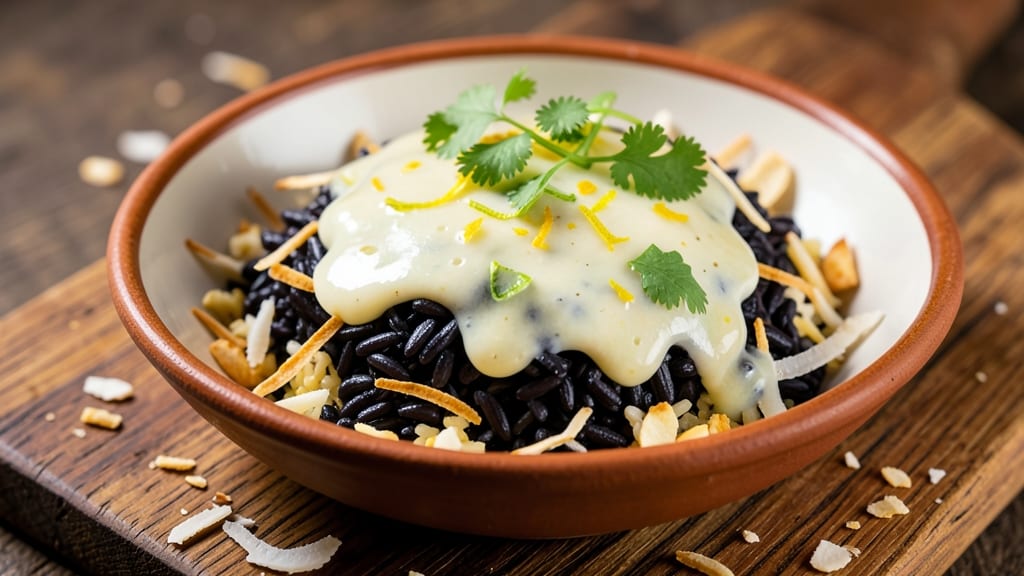
This fragrant black rice South Indian recipe transforms simple grains into a vibrant, nutrient-packed centerpiece that’s as visually stunning as it is delicious.
The secret lies in soaking the rice overnight to unlock its deep, earthy flavors, then tempering it with coconut, lime zest, and aromatic spices—a technique straight from Tamil Nadu kitchens.
What sets this dish apart is the balance of textures: tender rice, crisp-tender vegetables, and a tangy coconut-lime dressing that brightens every bite.
What you’ll end up with is a complete South Indian meal that’s both restaurant-quality and deeply comforting—think fluffy black rice infused with coconut milk, paired with a light vegetable poriyal and a cooling cucumber-onion salad.
The dish is rich in antioxidants, packed with fiber, and ready in under an hour, making it perfect for weeknight dinners or special occasions. The aroma alone will have everyone at the table asking for seconds.
Ingredients for black rice south indian
Simple, fragrant ingredients that transform into a restaurant-worthy South Indian centerpiece.
| Ingredient | Amount | Notes |
|---|---|---|
| Black Rice (Forbidden Rice) 🍚 | 1 cup | Uncooked, unsoaked weight |
| Coconut Milk (Full-Fat) 🥥 | 1 ½ cups | Canned, unsweetened preferred |
| Fresh Lime Zest 🍋 | 1 tbsp | Only zest, no pith |
| Fresh Lime Juice 🍋 | ¼ cup | Freshly squeezed |
| Fresh Cilantro Leaves 🌿 | ½ cup | Chopped, stems removed |
| Fresh Turmeric Root 🌿 | ½ inch | OR 1 tsp ground turmeric |
| Fresh Ginger Root 🌿 | 1 inch | OR 1 tsp ground ginger |
| Green Cardamom Pods 🌿 | 6 whole | Lightly crushed |
| Black Peppercorns 🌶️ | ½ tsp | Crushed lightly |
| Coconut Oil (Virgin) 🫒 | 2 tbsp | For tempering |
| Cashews (Whole) 🥜 | ¼ cup | Toasted lightly |
| Cucumber (English) 🥒 | 1 ½ lb | For poriyal, peeled |
| Red Onion (Medium) 🧅 | 1 whole | For poriyal, thinly sliced |
| Tomatoes (Medium) 🍅 | 2 whole | For poriyal, diced |
| Salt 🧂 | 1 tsp | Adjust to taste |
The black rice is the star—look for authentic forbidden rice at Indian specialty stores or well-stocked grocery chains like Whole Foods. The fresh turmeric and ginger should be vibrant, not shriveled. Penzeys Spices carries excellent quality roots if you can't find them fresh. Coconut milk matters too: full-fat canned versions like Thai Kitchen or Aroy-D give the richest flavor. Cardamom pods should be plump and aromatic—none of that dusty powder stuff. For the poriyal vegetables, English cucumbers hold up best to slicing, and heirloom tomatoes add sweetness.
No fresh turmeric? One teaspoon of ground turmeric works in a pinch, but fresh is ideal for that bright, earthy flavor. Substitute one teaspoon of ground ginger for the fresh root. Out of cardamom? One-half teaspoon of ground cardamom gets you close, though the texture will differ. For the poriyal, zucchini or bell peppers can replace cucumber if needed. The lime zest can be dried and stored in the freezer for up to 6 months—just crush it before using. Coconut oil is non-negotiable for tempering; avoid vegetable oils which lack the delicate coconut aroma.
Soak the black rice overnight in twice its volume of water—this unlocks its deep flavor. The poriyal vegetables should be sliced just before cooking to preserve crispness. Store the cooked rice in an airtight container for 3-4 days; reheat with a splash of water. The poriyal keeps for 2 days in the fridge but tastes best fresh. For meal prep, cook the rice and store separately from the vegetables—assemble just before serving to maintain texture contrast.
Why You'll Love This Recipe
- No-Soaking Needed: I’ll be real—this black rice doesn’t demand hours of pre-soaking like other varieties. Just rinse it, simmer it in coconut milk, and let the natural stickiness do the work. The grains stay tender without falling apart, and honestly? That’s a game-changer for weeknights.
- Creamy-Lime Magic: Between us, the full-fat coconut milk and lime zest create a flavor I can’t stop thinking about. It’s rich but bright, earthy with a citrusy kick—like a hug for your taste buds. The cilantro ties it all together, fresh and herby, in every bite.
- Lunchbox Hero: This rice reheats like a dream and keeps for days in the fridge, making it my go-to for meal prep. Pack it with grilled chicken or roasted veggies, and you’ve got a lunch that feels fancy but costs next to nothing. My kids even ask for it.
- Budget Luxury: Black rice might sound fancy, but a single bag lasts forever, and coconut milk adds depth without breaking the bank. The lime and cilantro? Fresh herbs make everything taste special, even if you’re cooking for one. It’s the kind of dish that feels indulgent but won’t drain your wallet.
Step-by-step instructions for black rice South Indian preparation
Transform humble forbidden rice into a fragrant, aromatic centerpiece using traditional South Indian techniques.
Prepare the Black Rice for Cooking
Rinse the 1 cup black rice (forbidden rice) under cold water until the water runs completely clear - this removes excess starch that can make the rice gummy. Soak the rinsed rice in fresh water for at least 30 minutes, or up to 4 hours for better texture. I find soaking for 2 hours yields perfect results - the rice absorbs water evenly while maintaining its distinctive purple hue.
After soaking, drain the rice thoroughly and transfer it to a heavy-bottomed pot. Add 2 cups of fresh water (twice the volume of dry rice) and bring to a boil over high heat. Once boiling, reduce to medium-low heat, cover with a tight lid, and simmer for 25-30 minutes until all liquid is absorbed and the rice is tender. The rice should be slightly firm to the bite - it will continue cooking with the coconut milk later.
Create the Aromatic Coconut-Lime Base
In a separate saucepan, combine the 1.5 cups full-fat coconut milk with the 0.5 inch fresh turmeric root (or 1 tsp ground turmeric), 1 inch fresh ginger root (or 1 tsp ground ginger), and 6 lightly crushed green cardamom pods. Bring to a gentle simmer over medium heat for 5 minutes, allowing the spices to infuse the coconut milk with their aromatic oils. You'll notice the milk develop a subtle golden hue and a warm, earthy fragrance.
Strain the spiced coconut milk through a fine-mesh sieve to remove the spices, then return it to the saucepan. Add the 1 tbsp fresh lime zest and 0.25 cup fresh lime juice, stirring constantly. The mixture should become slightly thicker as the lime's pectin content reacts with the coconut milk. Remove from heat and set aside - this aromatic base will form the foundation of our dish.
Temper the Rice with Signature Flavors
Heat the 2 tbsp virgin coconut oil in a heavy skillet over medium heat until shimmering but not smoking. Add the 0.5 tsp lightly crushed black peppercorns and toast for 30 seconds until fragrant. Immediately pour this pepper-infused oil over the cooked black rice and coconut milk mixture, stirring gently to distribute evenly. The rice will begin to absorb the rich coconut flavors while maintaining its beautiful purple color.
Add the 0.25 cup lightly toasted cashews and 0.5 cup chopped fresh cilantro leaves, stirring to incorporate. The cashews should be just warm through - not crispy. Taste and adjust seasoning with the 1 tsp salt if needed. The dish should be harmoniously balanced between the earthy black rice, sweet coconut, and bright citrus notes. Cover and let sit for 10 minutes to allow all flavors to meld completely.
Prepare the Refreshing Poriyal Accompaniment
While the rice cooks, prepare the cucumber poriyal by peeling the 1.5 lb English cucumber and cutting it into thin half-moons. Thinly slice the 1 whole medium red onion and dice the 2 whole medium tomatoes. In a colander, gently toss the cucumber, onion, and tomato with a pinch of salt and let sit for 10 minutes to draw out excess moisture.
Drain any liquid that collects, then lightly sauté the vegetables in a dry skillet over medium heat for 3-4 minutes until just softened but still vibrant. Remove from heat and immediately stir in the remaining 0.25 cup chopped fresh cilantro leaves and a squeeze of lime juice. The poriyal should be cool, refreshing, and complement the warm rice dish perfectly.
Pro Tips For Making Black Rice South Indian
- Soak the Rice Properly: Black rice needs a good 30-minute soak in warm water—don’t skip this, even if the package says "quick-cooking." I learned this the hard way when my rice turned mushy and lost its signature chewy texture. Drain well before cooking, or you’ll end up with a gluey mess.
- Simmer Coconut Milk Low: Full-fat coconut milk burns faster than you’d think. Keep the heat at a gentle simmer, stirring often, or you’ll end up with a bitter, split pot. If it starts to smell nutty or off, you’ve gone too far—pull it back and start over.
- Zest Before Juicing: Use a microplane for lime zest—it’s more precise than a grater and won’t turn your dish into a watery pulp. Save the zest for the rice and reserve the juice for the final drizzle, where it’ll brighten the flavors without overpowering the coconut milk’s richness.
- Toast the Cilantro: Yes, cilantro leaves in a South Indian black rice dish? Toast them whole for 10 seconds in a dry pan until fragrant—it deepens their flavor and gives the dish a smoky edge. Chop them fresh after topping, so they stay vibrant and not wilted. (I know, it sounds counterintuitive, but trust me.)
Serving suggestions for this recipe
Traditional Serving Style
Serve this black rice in the classic South Indian manner—straight from a banana leaf placed on a large platter. The leaf's natural aroma enhances the dish, and it keeps everything warm.
I like to arrange the rice in the center, surrounded by the cucumber poriyal in a circular pattern, then add dollops of yogurt (or curd) and a sprinkle of mustard seeds for extra authenticity. 🌿
Yogurt Pairing
No South Indian meal is complete without cooling yogurt to balance the richness. Mix 1 cup plain yogurt with a pinch of roasted cumin powder, ½ tsp salt, and 1 tbsp chopped mint.
Serve in small bowls alongside the rice—it cuts through the coconut's richness beautifully. For extra flair, drizzle with a little tempered mustard oil.
Spicy Sambar Option
If you love heat, add sambar to your spread. This lentil-based stew is a staple in South Indian cuisine.
Simmer 1 cup red lentils, 1 cup tamarind pulp, 1 tsp turmeric, and a mix of vegetables (like drumsticks and okra) in 4 cups water for 20 minutes. Finish with a tempering of mustard seeds, curry leaves, and asafoetida.
The tangy, spicy contrast makes the black rice even more irresistible. 🌶️
Garnish Like a Pro
Elevate your plating with fresh garnishes. Just before serving, sprinkle the rice with toasted coconut flakes and crushed peanuts for texture. A few curry leaves wilted in hot oil add a fragrant aroma, while lime wedges on the side let everyone squeeze their own citrus.
I also love adding edible flowers (like hibiscus) for a pop of color—it’s simple but feels special.
Meal Prep Tips
Cook the rice and store it separately in an airtight container for up to 4 days. The poriyal is best made fresh, but you can prep the vegetables ahead and store them in the fridge for 2 days.
When reheating, add a splash of water to the rice and warm gently. For a quick assembly, keep the yogurt and sambar prepped in small containers—just grab and serve. This makes it perfect for busy weeknights! ⏰
Occasion Adaptations
For festive occasions, serve the black rice in mini banana leaf cups as individual portions. Add a side of mango pickle and a sprinkle of gold leaf for a luxurious touch. For casual lunches, pair it with a simple cucumber salad and papadums for crunch.
The dish works equally well for family dinners or holiday feasts—just adjust the sides to match the vibe. 💫
Nutrition facts
Frequently asked questions
Why does black rice turn purple when cooked?
This stunning color comes from anthocyanins, powerful antioxidants in the rice's outer layer. The longer you soak it, the deeper the purple hue becomes—proof of its nutrient density! The coconut milk and lime in this recipe enhance the color while keeping it vibrant.
Can I substitute white rice for black rice in this recipe?
While you can technically use white rice, you'll lose the dish's signature color, texture, and nutritional benefits. Black rice has a distinct earthy flavor and chewy bite that pairs perfectly with the coconut-lime dressing. For a similar effect, try brown rice (though it won't be as rich in anthocyanins).
How do I make this dish gluten-free?
This recipe is naturally gluten-free! Just ensure your coconut milk is certified gluten-free (many brands are) and check your spices for hidden gluten additives. The poriyal vegetables and all other ingredients are safe as-is. Always verify labels when using packaged products.
What's the best way to store leftovers?
Store cooked black rice in an airtight container in the fridge for up to 4 days. The poriyal should be eaten within 2 days for best texture. Reheat rice with a splash of water, and enjoy the poriyal cold or at room temperature. Freezing isn't recommended as it alters the rice's texture.
Can I make this recipe without coconut milk?
Yes, but the dish will lose its signature richness. Replace coconut milk with cashew cream (blend soaked cashews with water) or light coconut cream for a milder version. For a dairy alternative, use unsweetened almond milk (though the flavor will be less authentic). The lime and spices will still shine through!