
Main Courses
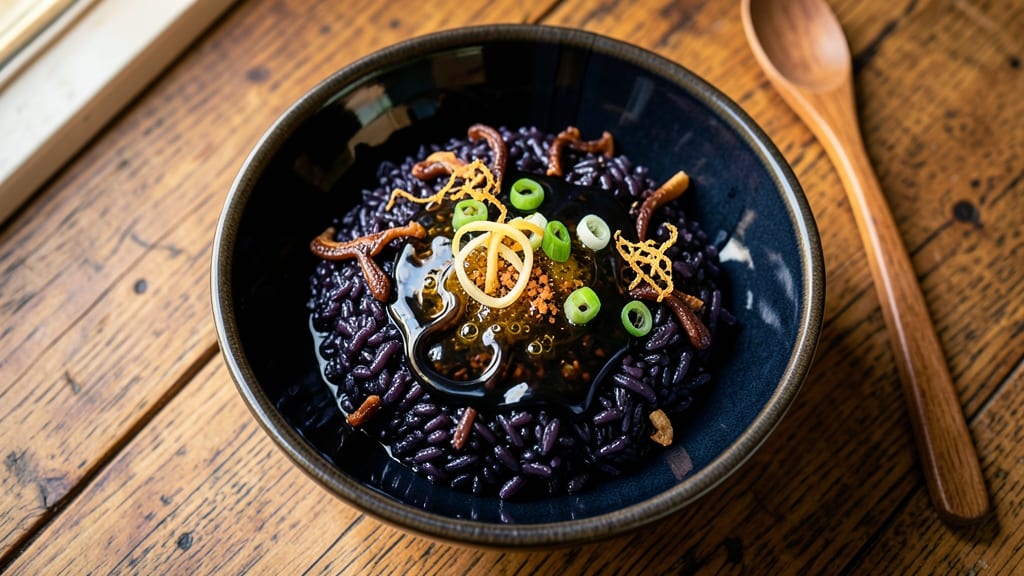
This black rice with squid ink recipe transforms a simple grain into a dramatic, umami-rich centerpiece that looks as striking as it tastes. The deep purple-black hue isn't just visual—it signals layers of earthy, briny flavor from the squid ink, balanced by subtle sweetness in the rice.
Mastering this dish means understanding how to properly soak and rinse the rice, then infuse it with ink while maintaining perfect texture.
The result is a dish that feels equally at home in a modern bistro or traditional Asian kitchen—tender, glossy grains with an inky sheen that makes every bite unforgettable.
Pair it with delicate fish, crisp stir-fried greens, or a light broth to create a meal that's both visually stunning and deeply satisfying. The key lies in patience and precision, ensuring the ink distributes evenly without overpowering the rice's natural nuttiness.
Ingredients for black rice with squid ink
Transform ordinary rice into a visually stunning, umami-rich centerpiece with these carefully chosen ingredients.
| Ingredient | Amount | Notes |
|---|---|---|
| Black Rice (Forbidden Black Rice or Venere Cioccolato) 🍚 | 1 ½ cups | Uncooked, rinsed thoroughly |
| Squid Ink Sacs 🐙 | 2 whole | Fresh or frozen, cleaned |
| Water 💧 | 3 cups | Filtered preferred for clarity |
| Dried Shiitake Mushrooms 🍄 | 4 whole | Rehydrated, sliced thin |
| Green Onions 🧅 | ¼ cup | White and green parts separated |
| Ginger Root 🌿 | 1 tbsp | Freshly grated, aromatic |
| Sesame Oil 🫒 | 1 tbsp | Toasted, for aroma |
| Soy Sauce 🍶 | 2 tbsp | Light or all-purpose |
| Mirin 🍶 | 1 tbsp | Sweet rice wine |
| Rice Vinegar 🍶 | 1 tbsp | Seasoned preferred |
| Sesame Seeds 🌾 | 1 tsp | Toasted for garnish |
| Salt 🧂 | ½ tsp | Diamond Crystal preferred |
| White Pepper 🌶️ | ¼ tsp | Freshly ground |
| Dried Bonito Flakes 🐟 | 1 tbsp | Optional, for umami depth |
The black rice is the foundation, and Forbidden Black Rice or Venere Cioccolato delivers the most dramatic color and nutty depth. Asian markets or specialty grocers carry these varieties—look for whole grains, not pre-cooked. Squid ink sacs are often found in the seafood section, frozen or fresh, and must be cleaned thoroughly to remove any residual ink residue. Japanese or Italian markets typically stock them year-round. For the mushrooms, dried shiitake provides earthy complexity; rehydrate them in hot water for 20 minutes before slicing. The ginger should be freshly grated just before cooking to preserve its bright, peppery notes—pre-grated loses potency quickly.
No squid ink? Black food coloring or activated charcoal can mimic the hue, though the umami depth will differ. Substitute dried shiitake with cremini mushrooms, but reduce the amount to 2 whole mushrooms since they’re less concentrated. For the aromatics, fresh galangal or lemongrass can replace ginger if you’re aiming for Southeast Asian flavors. The sesame oil is non-negotiable for aroma—Kadoya or La Tourangelle brands are reliable. If you’re avoiding bonito flakes, dashi powder or a dash of fish sauce will add umami without overpowering. The rice vinegar should be seasoned (like Kikkoman) for a touch of saltiness that balances the dish.
Rinse the black rice 3-4 times to remove excess starch before cooking—this prevents mushiness. Store dried shiitake in a cool, dark place for up to 6 months; rehydrated mushrooms keep for 3 days in the fridge. The squid ink sacs can be frozen for up to 3 months if not used immediately. Once cooked, the rice holds for 3-4 days in the fridge, though the color may fade slightly. For best texture, reheat gently with a splash of water—microwaving can dry it out. Garnish with toasted sesame seeds just before serving to preserve their crunch.
Why You'll Love This Recipe
- No-Fuss Simplicity: That squid ink sac? Just tear it open, drop it in boiling water, and let the magic happen. No fancy techniques—just a pot, a few ingredients, and 20 minutes of hands-off simmering while the rice soaks up that deep, velvety color.
- Umami Bomb: Honestly, the shiitake mushrooms and squid ink turn this into a flavor explosion. Earthy, briny, with that rich black hue—it’s like a fancy restaurant dish, but I’m making it in my tiny kitchen. The green onions add a fresh cut that balances everything perfectly.
- Weeknight to Dinner Party: Between us, this rice is my secret weapon for when I need to impress but don’t want to slave away. Make a big batch on Sunday, and it’s ready for lunches, potlucks, or even a last-minute date night. The leftovers? Just as good the next day—if they last that long.
- Budget Luxury: Black rice might sound expensive, but a single bag lasts forever, and dried shiitake mushrooms stretch your dollar further than fresh. Squid ink sacs are cheap too—no need to splurge. It’s a dish that feels indulgent without breaking the bank. (Yes, even on a Tuesday night.)
Step-by-step instructions for black rice with squid ink
Transform simple ingredients into a visually stunning dish with deep umami complexity.
Prepare the Black Rice and Rehydrate Shiitake
Rinse the 1.5 cups black rice thoroughly under cold water until the rinse water runs clear. This removes excess starch that can make the rice gummy. Transfer to a bowl and cover with the 3 cups water, allowing it to soak for at least 30 minutes. Soaking reduces cooking time and improves texture.
While the rice soaks, place the 4 whole dried shiitake mushrooms in a separate bowl and cover with hot water. Let them soak for 20 minutes until pliable. Drain and slice thinly—you should have about 1 cup sliced mushrooms. The rehydration process intensifies their umami flavor, which will complement the squid ink perfectly.
Infuse the Squid Ink and Build the Umami Base
In a clean pot, combine the 2 whole squid ink sacs with 1 cup fresh water and bring to a gentle simmer over medium heat. Simmer for 5 minutes until the ink fully dissolves, creating a deep, velvety black liquid. Strain through a fine-mesh sieve into a bowl, pressing gently on the sacs to extract every drop. This concentrated ink will serve as the signature element of your dish.
In the same pot, add the sliced shiitake mushrooms and 1 tbsp freshly grated ginger root. Cook over medium-low heat for 3 minutes, stirring occasionally, until the mushrooms soften slightly and release their earthy aroma. This step develops the foundational umami that balances the squid ink's intensity.
Cook the Black Rice with Aromatics
Drain the soaked black rice and add it to the pot with the mushrooms and ginger. Stir to combine, then add the remaining 2 cups water, 2 tbsp soy sauce, 1 tbsp mirin, and 0.5 tsp salt. Bring to a boil over high heat, then immediately reduce to low heat and cover tightly with a lid.
Simmer for 25 minutes, stirring gently once halfway through to prevent sticking. The rice should absorb all the liquid, leaving it tender with a slight chew. If the rice appears undercooked after 25 minutes, add 1-2 tablespoons water and continue cooking for another 5 minutes. The black rice should be firm yet creamy, with a glossy sheen from the squid ink infusion.
Finish with Bright Flavors and Garnish
Once the rice is cooked, remove from heat and stir in the 1 tbsp rice vinegar and 0.25 tsp white pepper. The vinegar brightens the dish, cutting through the richness of the squid ink, while the white pepper adds a subtle, clean heat. If using, sprinkle in the 1 tbsp dried bonito flakes and let them infuse for 2 minutes—this adds a smoky, savory depth that elevates the umami profile.
Garnish with 1 tsp toasted sesame seeds and the 0.25 cup green onions, separated into white and green parts. The white portions add a mild onion bite, while the greens provide a fresh, vibrant contrast. Serve immediately while the rice is still warm, allowing the colors to pop against the black rice's dramatic hue.
Pro Tips For Making Black Rice With Squid Ink
- SOAK THE INK FIRST: Squid ink sacs need a quick 5-minute soak in warm water before dissolving—just tear them open and let them sit. I used to dump them dry into the pot and ended up with clumpy, uneven color. A fine-mesh strainer after soaking removes grit, so your broth stays silky.
- PREPARE MUSHROOMS RIGHT: Rehydrate dried shiitake in hot water for 10 minutes, then slice the caps before straining. The liquid is flavor gold, but the caps lose texture if you slice them dry. Save that soaking water—it’s the umami backbone of your dish.
- STIR THE RICE GENTLY: Black rice turns mushy if you aggressively stir while cooking. After adding the ink, give it a single light stir every 5 minutes instead of constant mixing. The grains hold their shape better, and the ink spreads evenly without breaking them.
- USE THE GREEN ONIONS LAST: Chop the green onions fine and fold them in during the final 30 seconds of cooking. This keeps their bright color and crisp bite instead of wilting them into oblivion. (Yes, even if you’re impatient like me.)
Best sauces and condiments for this dish
Squid Ink Sauce
The star of this dish is the squid ink sauce, which transforms ordinary rice into a visually stunning centerpiece. Start by dissolving 2 squid ink sacs in 1 cup hot water for 5 minutes—this creates a deep, velvety black liquid.
Strain it through a fine-mesh sieve to remove any residue, then gently fold it into the cooked rice just before serving. The ink’s briny, umami-rich flavor enhances the rice’s natural nuttiness without overpowering it. 🐙
Sesame-Ginger Dressing
For a lighter touch, whip up a quick sesame-ginger dressing to drizzle over the rice. Mix 1 tbsp toasted sesame oil, 1 tbsp rice vinegar, 1 tsp freshly grated ginger, and a pinch of white pepper.
This bright, aromatic dressing cuts through the richness of the squid ink and adds a refreshing finish. Use it sparingly—just enough to coat the rice lightly. 🌿
Mirin-Glazed Shiitake
Rehydrate 4 dried shiitake mushrooms and slice them thinly, then sauté in 1 tbsp mirin and 1 tsp soy sauce until tender. The mirin’s sweetness balances the earthy mushrooms, creating a glossy, caramelized topping that pairs perfectly with the black rice.
Serve a small pile of these mushrooms alongside the rice for an elegant, umami-packed bite. 🍄
Spicy Chili Oil
For a bold kick, drizzle the rice with chili oil infused with 1 tsp crushed red pepper flakes and 1 tsp toasted sesame seeds. Heat 2 tbsp neutral oil in a pan over low heat, then stir in the pepper flakes and sesame seeds until fragrant.
Let cool slightly before drizzling over the rice—this adds a smoky, spicy contrast that elevates the dish’s depth. 🌶️
Yuzu Kosho Finish
If you love citrusy heat, finish the dish with a sprinkle of yuzu kosho—a Japanese condiment made from yuzu zest, chili, and salt. The bright, tangy flavor cuts through the squid ink’s richness, adding a fresh, zesty note.
Use about ½ tsp and serve it on the side for guests to customize their plates. 🍋
Miso-Glazed Greens
Pair the black rice with stir-fried greens tossed in a white miso glaze. Sauté 2 cups baby spinach or bok choy with 1 tbsp white miso paste, 1 tsp honey, and 1 tsp sesame oil until wilted.
The savory-sweet glaze complements the rice’s umami, creating a balanced, harmonious bite. 🥗
Nutrition facts
Frequently asked questions
Can I substitute squid ink with another ingredient?
For the visual effect, squid ink is ideal, but you can use 1-2 tsp activated charcoal powder or black food coloring (food-grade only) mixed with water for a similar black hue. However, the umami depth will differ—squid ink provides both color and briny flavor.
How do I prevent the black rice from turning mushy?
Rinse the rice 3-4 times before cooking to remove excess starch, and never skip the 30-minute soak. Use a heavy-bottomed pot and maintain a low simmer after boiling. Stir gently halfway through cooking to prevent sticking. Overcrowding the pot or using too much water are common culprits.
What’s the best way to store leftover black rice?
Transfer cooked rice to an airtight container and refrigerate for up to 4 days. The color may fade slightly over time. For reheating, add 1-2 tablespoons water per cup of rice and warm gently on the stove or microwave (low power) to restore texture. Avoid reheating in the microwave without moisture—it dries out the grains.
Can I make this dish vegetarian?
Yes! Replace the squid ink with black food coloring or activated charcoal, and skip the bonito flakes. Use vegetable dashi or mushroom broth instead of any seafood-based liquids. For umami depth, add 1 tbsp soy sauce or 1 tsp nutritional yeast. The dish will still be rich and flavorful!
How do I make the squid ink sauce less intense?
Dilute the strained ink with extra water (up to ½ cup) before folding it into the rice. Start with small amounts—1-2 tbsp—and adjust to taste. For a milder flavor, balance it with 1 tsp mirin or rice vinegar, which brightens the dish without overpowering the ink’s brininess.