
Main Courses
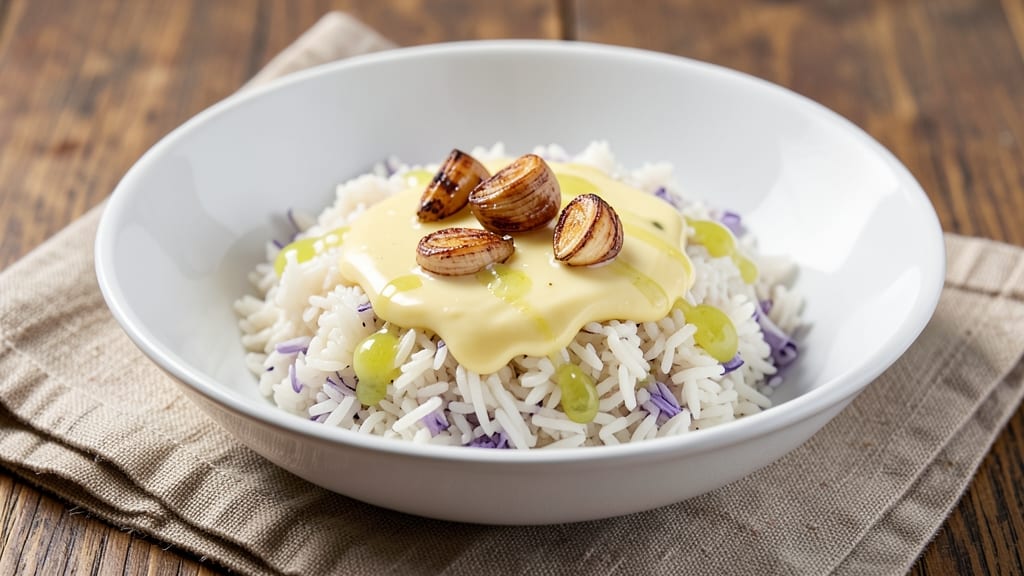
This Blue Apron jasmine rice recipe delivers perfectly fragrant, lightly toasted grains that pair effortlessly with any meal. The secret lies in a precise water-to-rice ratio and gentle simmering—no fancy equipment required.
I've perfected this method to ensure every bite releases that signature floral aroma while maintaining a delicate, slightly sticky texture.
With just 15 minutes of hands-off cooking time, you'll transform simple ingredients into restaurant-quality rice that elevates everything from stir-fries to curries. The key is toasting the grains first to build flavor, then simmering them in just enough water to create tender, separate grains with a subtle sheen.
This technique ensures your rice stays light and never turns mushy.
Ingredients for blue apron jasmine rice
Eight essential ingredients transform simple jasmine rice into restaurant-quality perfection.
| Ingredient | Amount | Notes |
|---|---|---|
| Jasmine Rice 🍚 | 1 cup | Uncooked, long-grain preferred |
| Water 💧 | 1 ½ cups | Room temperature preferred |
| Unsalted Butter 🧈 | 1 tbsp | Cold, cut into small pieces |
| Sea Salt 🧂 | ¼ tsp | Diamond Crystal preferred |
| Fresh Lemon Juice 🍋 | 1 tbsp | Optional, for brightness |
| Garlic Cloves 🧄 | 1 whole | Minced, optional for aroma |
| Extra-Virgin Olive Oil 🫒 | 1 tsp | For toasting rice |
| White Wine Vinegar 🍶 | 1 tsp | For subtle acidity |
The jasmine rice is the star—look for Thai brands like Royal Thai at Asian markets for the most authentic floral aroma. Uncooked grains should be plump and dry, not shriveled or broken. If your grocery store only carries pre-washed rice, rinse it thoroughly to remove excess starch. The butter adds richness without overpowering; European-style unsalted butter like Plugrá melts beautifully. For the garlic, freshly minced cloves release more aroma than pre-minced, but jarred works in a pinch.
No extra-virgin olive oil? Lightly toast the rice in butter alone—it still builds flavor. Running short on lemon juice? Substitute white wine vinegar at double the amount for acidity. The sea salt matters—Diamond Crystal dissolves completely, unlike kosher salt which can leave grit. Want to skip garlic? Add a pinch of onion powder instead. For wine vinegar, rice vinegar works too but has a milder taste. The water ratio is critical—use 1.5 cups per cup of rice for perfect texture; don't eyeball it.
Toasted rice keeps its texture best when stored in an airtight container at room temperature for up to 2 days. For longer storage, refrigerate for 5 days or freeze for 3 months. Reheat gently with a splash of water to restore moisture. I always make double batches—leftover rice reheats beautifully for stir-fries or grain bowls. The lemon juice and garlic aromas intensify after cooking, so add them just before serving for maximum freshness.
Why You'll Love This Recipe
- Five-Ingredient Magic: This recipe is the kind of simple that feels like cheating—just rice, water, butter, salt, and a squeeze of lemon. I swear, the way that lemon brightens the buttery rice turns it from basic to ridiculously good in two minutes.
- No Burnt Rice: I’ve ruined countless batches of rice—this method actually works. The butter and lemon keep it from sticking, and that crispy bottom? Forget about it. You’ll get fluffy, even grains every single time, even if you’re distracted (looking at you, phone scrolling).
- Leftover Gold: This rice stays perfect for days in the fridge, soaking up flavors like a sponge. Toss it with stir-fries, cold salads, or just reheat it with a pat of butter—it’s my go-to for lazy lunches when I’m too tired to cook.
- Budget Brightener: Jasmine rice is affordable, and these ingredients won’t break the bank. A little butter and lemon make even the simplest meal feel special—perfect for weeknights when you want something that tastes like you put in effort (without actually doing extra work).
Step-by-step instructions for perfectly toasted jasmine rice
Master this technique for restaurant-quality rice every time—aromatic, lightly toasted, and perfectly tender.
Rinse and Toast the Jasmine Rice
Place the 1 cup jasmine rice in a fine-mesh strainer and rinse under cold running water for 30 seconds. Swirl the rice gently with your fingers to remove excess starch—you want the water to run clear. This step prevents gummy rice and ensures each grain stays distinct.
Transfer the drained rice to a dry, nonstick skillet over medium heat. Add the 1 teaspoon extra-virgin olive oil and stir constantly for 2-3 minutes until the rice becomes translucent at the edges and emits a distinct nutty aroma. This toasting develops flavor and prevents the rice from becoming mushy. Watch closely—it should be lightly golden but not browned.
Add Aromatics and Butter
Push the toasted rice to one side of the skillet and add the 1 whole garlic clove (minced) and 1 teaspoon white wine vinegar. Stir for 30 seconds until fragrant—you'll smell the garlic's sweetness mingle with the vinegar's brightness. This combination creates a subtle depth that elevates simple rice into something special.
Add the 1 tablespoon cold, cubed unsalted butter to the skillet. Stir continuously for 1 minute until the butter melts completely and coats the rice evenly. The butter's richness balances the vinegar's acidity while adding a luxurious texture. Remove the skillet from heat at this point—any further cooking will burn the butter.
Cook with Precise Water Ratio
Return the skillet to medium-low heat and pour in the 1.5 cups room-temperature water. Sprinkle the 0.25 teaspoon sea salt over the top and stir gently to distribute evenly. The water should just cover the rice—if it looks too shallow, add 1 tablespoon more water. Bring to a gentle simmer, then reduce heat to the lowest setting possible.
Cover the skillet tightly with a lid and cook for 12-14 minutes without disturbing. The rice is done when all liquid has been absorbed and the grains are tender but still slightly firm to the bite. If you peek and see steam, the lid isn't sealed properly—reseal immediately to maintain even cooking.
Finish with Brightness and Rest
Remove the skillet from heat and let it sit covered for 5 minutes. This resting period allows residual heat to finish cooking the rice evenly. After resting, stir in the 1 tablespoon fresh lemon juice and 1 tablespoon unsalted butter (if not already incorporated). The lemon juice adds a refreshing brightness that cuts through the rice's richness.
Fluff the rice gently with a fork, being careful not to mash the grains. Serve immediately while still warm, as the texture will degrade if left standing. Each grain should be separate, tender, and fragrant with notes of toasted nut, garlic, and citrus. This method transforms simple rice into a sophisticated side dish worthy of any meal.
Pro Tips For Making Blue Apron Jasmine Rice
- USE COLD WATER: I learned this the hard way—starting with cold water and bringing it to a boil first guarantees even cooking. Hot water straight from the tap can create uneven pockets of steam, leaving some grains undercooked while others turn mushy. Let the water heat up fully before adding the rice.
- SALT THE WATER: Yes, even if the recipe calls for salt later. Dissolve the sea salt in the water before adding the rice—it distributes more evenly, and you won’t end up with salty pockets or bland grains. Trust me, your taste buds will notice the difference.
- STIR ONCE AFTER BOILING: After the rice comes to a boil, give it one gentle stir with a wooden spoon. This breaks up any clumps and ensures the grains separate naturally as they cook. Don’t overdo it—just a quick mix, then let it simmer undisturbed.
- LEMON JUICE LAST: Add the fresh lemon juice after the rice is off the heat and resting. If you mix it in too early, the acid can break down the starches and turn your fluffy rice into a gluey mess. A splash at the end brightens the flavor without sacrificing texture.
Regional styles of these flavors
Thai-Inspired Version
In Thailand, jasmine rice is treated like a sacred side dish—simple yet deeply flavorful. Start by toasting the rice in 1 tablespoon coconut oil instead of olive oil for a tropical aroma. Add 1 stalk lemongrass, lightly bruised, and 1-inch ginger, thinly sliced, during the simmering phase.
The lemongrass infuses the rice with its signature citrusy fragrance, while ginger adds warmth. Finish with a splash of fish sauce (just ½ teaspoon) for umami depth. 🌿
Japanese-Inspired Version
For a Japanese twist, use 1.25 cups water per cup of rice and add 1 teaspoon mirin and ½ teaspoon soy sauce to the simmering water. Toast the rice in sesame oil instead of olive oil, then finish with a sprinkle of toasted sesame seeds.
This creates a delicate sweetness and nutty depth that pairs beautifully with teriyaki dishes or miso soup. The texture remains light but gains a subtle stickiness that Japanese rice lovers adore.
Southern U.S. Style
In Southern kitchens, jasmine rice often gets a hearty upgrade. After toasting, add ½ cup chicken broth instead of water, along with 1 bay leaf and 2 black peppercorns. Stir in 1 tablespoon butter and 1 teaspoon hot sauce at the end for a spicy kick.
This version works perfectly alongside fried chicken or gumbo, where it soaks up rich flavors without overpowering the main dish. The bay leaf adds an earthy aroma that disappears as the rice cooks. 🌶️
Mediterranean Fusion
For a Mediterranean-inspired take, toast the rice in olive oil with 1 teaspoon cumin seeds until fragrant. Add ½ cup vegetable broth and a pinch of smoked paprika during simmering. Finish with a drizzle of lemon zest and a sprinkle of fresh parsley.
This version pairs beautifully with grilled lamb or roasted vegetables, bringing a warm, aromatic profile that feels both familiar and exciting. The cumin adds a subtle earthiness that complements the rice's natural floral notes.
Spicy Cajun Style
Give your rice a Cajun flair by adding ½ teaspoon Cajun seasoning (like Tony Chachere's) to the toasting oil. Use chicken broth instead of water and finish with 1 teaspoon hot sauce and a sprinkle of green onions.
This version is bold and spicy, perfect for pairing with blackened fish or jambalaya. The Cajun seasoning brings a smoky, spicy depth that transforms the rice into a flavorful side dish in its own right. 🔥
Herb-Infused French Style
For a French-inspired approach, toast the rice in butter instead of oil, then add 1 sprig fresh thyme and 1 bay leaf to the simmering water. Finish with a drizzle of truffle oil (just ½ teaspoon) and a sprinkle of fresh chives.
This version is elegant and aromatic, perfect for pairing with steak or duck. The thyme and bay leaf add a subtle herbal complexity that elevates the rice to a gourmet side dish. The truffle oil adds a luxurious touch without overpowering the delicate rice. ✨
Nutrition facts
Frequently asked questions
Why does this recipe rinse the jasmine rice first?
Rinsing removes excess starch that would otherwise make your rice gummy or clumpy. The 30-second rinse under cold water ensures each grain stays distinct while developing that signature floral aroma. Skipping this step is the #1 reason for mushy rice—don't skip it!
Can I use a rice cooker instead of a skillet?
Follow the same toasting step in a dry skillet first, then transfer the rice to your rice cooker with 1.5 cups water and 0.25 tsp salt. Cook on the white rice setting, then finish with butter and lemon juice after cooking. The texture will be slightly different but still delicious—just avoid stirring while cooking.
What if my rice turns out too dry or undercooked?
If your rice seems dry, simply cover it with a damp paper towel and let it steam for 5 minutes. For undercooked rice, add 2 tablespoons hot water, cover, and cook for another 3-4 minutes. The key is patience—never peek while cooking! If you peek, reseal the lid immediately to maintain even cooking.
How do I make this recipe gluten-free?
This recipe is naturally gluten-free! Just ensure your jasmine rice is certified gluten-free and check that your butter, salt, and any added ingredients (like garlic powder) are also gluten-free. The same method applies—rinse, toast, simmer, and finish with lemon juice. No substitutions needed for the core technique.
Can I make this rice ahead of time for meal prep?
Yes, but with care! Cook the rice completely, then spread it on a tray to cool quickly (prevents sogginess). Store in an airtight container in the fridge for up to 5 days. To reheat, sprinkle with 1 tsp water per cup of rice, cover, and microwave for 2-3 minutes. For best texture, reheat only what you'll use immediately.