
Main Courses
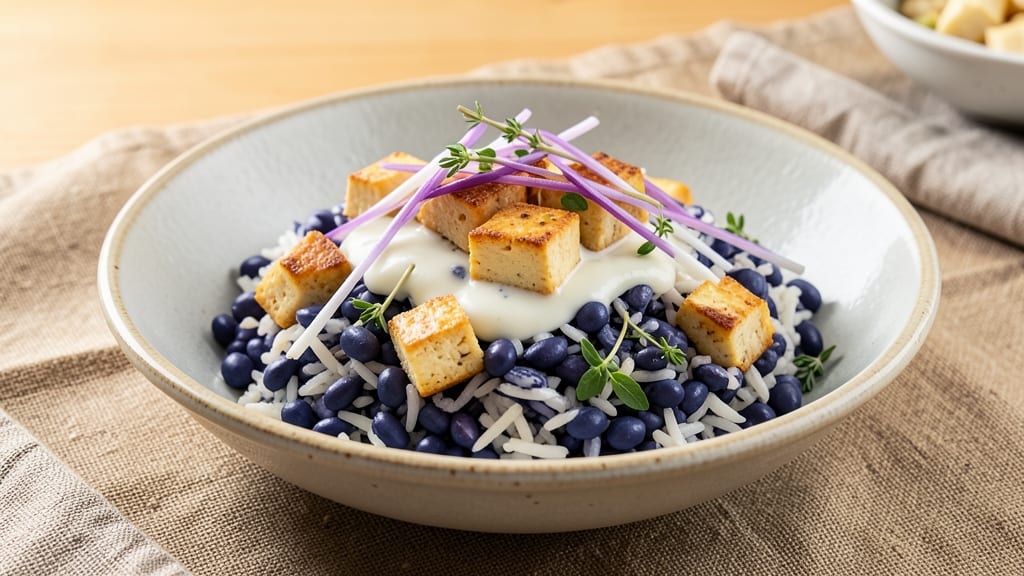
This blue pea rice recipe brings vibrant Caribbean flavors to your table with its deep indigo hue and satisfying texture. 💛 A staple in Jamaican cuisine, this protein-packed dish transforms simple ingredients into a hearty, vegan-friendly bowl that's as nutritious as it is delicious.
The secret lies in soaking the peas overnight, simmering them gently with coconut milk, and finishing with aromatic thyme and scallions.
What makes this dish truly special is its versatility—serve it as a standalone meal with fried plantains and steamed greens, or pair it with grilled fish for a complete Caribbean feast.
The nutty, earthy flavor of blue peas creates a satisfying bite, while the coconut milk adds a creamy richness that balances the dish perfectly. Perfect for meal prep or a flavorful weeknight dinner, this recipe delivers restaurant-quality results with minimal effort.
Ingredients for blue pea rice
Caribbean-inspired ingredients transform simple rice into a vibrant, protein-rich bowl with deep indigo hues.
| Ingredient | Amount | Notes |
|---|---|---|
| Blue Peas (Gungo Peas) 🌱 | 1 ½ cups | Dried, rinsed and soaked overnight |
| Extra-Firm Tofu 🥛 | 12 oz | Pressed and cubed |
| Full-Fat Coconut Milk 🥥 | 13 ½ oz | Canned, unsweetened |
| Long-Grain White Rice 🍚 | 1 cup | Uncooked, rinsed well |
| Fresh Thyme Leaves 🌿 | ¼ cup | Chopped finely |
| Scallions 🧅 | ¼ cup | Thinly sliced |
| Garlic Cloves 🧄 | 3 cloves | Minced finely |
| Extra-Virgin Olive Oil 🫒 | 2 tbsp | For sautéing |
| Vegetable Bouillon Cube 🧂 | 1 whole | Dissolved in 1 cup water |
| Lemon Juice 🍋 | 1 tbsp | Freshly squeezed |
| Sea Salt 🧂 | 1 ½ tsp | Adjust to taste |
| Black Pepper 🌶️ | ½ tsp | Freshly ground |
| Bay Leaf 🍃 | 1 whole | For simmering |
| Fresh Ginger 🌿 | 1 tbsp | Grated finely |
The blue peas are the heart of this dish—look for them at Caribbean markets or specialty stores like Whole Foods or Trader Joe's. If unavailable, black-eyed peas or lentils work in a pinch, though the color and texture will differ. Soaking the peas overnight is non-negotiable; it removes bitterness and ensures proper texture. For the tofu, press it for 20 minutes between paper towels to remove excess water—this prevents a soggy final dish. The coconut milk should be full-fat for optimal creaminess, and brands like Aroy-D are widely available in most grocery stores.
No fresh thyme? Dried thyme at one-third the amount suffices, though fresh offers superior aroma. Substitute scallions with green onions if needed, but the mild onion flavor is key. For the garlic, pre-minced works fine, but fresh minced provides more depth. The vegetable bouillon cube can be replaced with 1 cup vegetable broth for a deeper flavor. If you're avoiding soy, tempeh instead of tofu holds up beautifully to the long cooking time. The ginger can be omitted if unavailable, but its warmth complements the dish perfectly.
Store cooked blue pea rice in an airtight container for 4-5 days in the refrigerator, or freeze for up to 3 months. Reheat gently with a splash of water to restore moisture. For meal prep, portion into individual containers—this dish reheats beautifully and tastes even better the next day. The peas and rice keep well separately before combining, making this an excellent make-ahead option for busy weeknights. Leftovers can be transformed into fried rice by adding a beaten egg substitute and extra veggies.
Why You'll Love This Recipe
- One-Pot Magic: I swear by this recipe when I’m too tired to wash pots—just rice, tofu, and those vibrant blue peas all simmering together in one pot. The coconut milk thickens into this luscious, fragrant sauce that clings to every grain, turning cleanup into a five-minute job. (Yes, even on a Tuesday night.)
- Earthy & Creamy: The blue peas add this unexpected, nutty depth that balances the coconut’s richness perfectly. And that crispy tofu? Sear it just right, and you’ve got this satisfying contrast—creamy rice, tender tofu, and thyme leaves that perfume the whole dish like a tropical hug.
- Lunchbox Hero: Between us, this is my go-to for meal prep—packs beautifully, stays fresh for days, and my kids actually eat it (no complaints about "weird rice"). The blue peas hold their color, making it look as good as it tastes, and the coconut milk keeps everything moist even after reheating.
- Budget Bright Spot: Blue peas are a pantry secret—cheap, shelf-stable, and packed with protein. A can of coconut milk and a block of tofu stretch this recipe to feed four for under $10. Honestly, it’s the kind of dish that makes me feel like I’m treating myself without breaking the bank.
Step-by-step instructions for Caribbean-inspired blue pea rice bowl
Transform simple ingredients into a vibrant, protein-rich Caribbean bowl with this method.
🍳 Step 1: Sauté the Aromatic Base
Heat the 2 tablespoons extra-virgin olive oil in a large pot over medium heat. Add the 3 minced garlic cloves and 1 tablespoon grated fresh ginger, cooking for 1-2 minutes until fragrant—you'll smell that warm, citrusy aroma that forms the flavor foundation.
Next, add the 0.25 cup thinly sliced scallions and 0.25 cup finely chopped fresh thyme leaves. Stir for 30 seconds until the scallions soften slightly but remain vibrant. This quick sauté preserves their bright color and fresh flavor while building the aromatic layer for the dish.
🍳 Step 2: Cook the Tofu Until Golden
Push the aromatics to one side of the pot and add the 12 oz cubed extra-firm tofu in a single layer. Cook undisturbed for 4-5 minutes until golden brown on all sides—this creates texture contrast and prevents the tofu from becoming rubbery. Flip the cubes carefully using a spatula, then cook another 3-4 minutes until evenly browned.
Remove the tofu with a slotted spoon and set aside. Here's the thing—don't drain the rendered tofu fat. That golden oil contains concentrated flavor that will infuse your entire dish. Keep the pot on heat for the next step.
🥘 Step 3: Build the Flavorful Rice Base
Return the tofu to the pot and add the 1 cup rinsed long-grain white rice, stirring to coat in the aromatic oil. Pour in 1 cup water (from dissolving the 1 vegetable bouillon cube) and bring to a gentle boil. Once boiling, reduce heat to low, cover tightly with a lid, and simmer for 15 minutes without lifting the lid—this steaming method creates perfectly fluffy grains.
After 15 minutes, stir the rice gently and add the 13.5 oz full-fat coconut milk, 1.5 teaspoons sea salt, and 0.5 teaspoon black pepper. Nestle the 1 whole bay leaf into the rice mixture. The coconut milk will create a creamy, slightly sweet contrast to the earthy blue peas we'll add next.
🥘 Step 4: Incorporate the Blue Peas and Simmer
Add the 1.5 cups soaked blue peas (gungo peas) to the rice mixture. Stir gently to distribute them evenly. Return to a gentle simmer, cover, and cook for another 20-25 minutes until the rice is tender and the liquid is mostly absorbed. You'll know it's ready when the rice pulls away from the sides of the pot with minimal resistance.
If the mixture appears too dry before the rice is fully cooked, add 2-3 tablespoons water at a time. The blue peas should be tender but still hold their shape—overcooking turns them mushy. The dish should have a creamy, slightly sticky consistency from the coconut milk and rice.
🍽️ Step 5: Finish and Serve with Brightness
Remove the bay leaf and stir in the 1 tablespoon freshly squeezed lemon juice. This final acid note brightens all the rich flavors and prevents the dish from becoming too heavy. Taste and adjust seasoning—you may need an additional ½ teaspoon sea salt or more lemon juice to balance the flavors perfectly.
Serve immediately in deep bowls, garnished with extra thyme leaves and scallions for color and freshness. Each bite should deliver creamy coconut rice, tender blue peas, and crispy tofu with aromatic herb notes dancing on your palate. The dish pairs beautifully with grilled fish or a simple green salad.
Pro Tips For Making Blue Pea Rice
- SOAK THE PEAS: I learned this the hard way—blue peas (gungo peas) are stubborn little things. Soak them in warm water for at least 4 hours (overnight is better) before cooking. They’ll soften faster and absorb flavors like a sponge, especially the coconut milk. No soaking? Expect a chewy, underwhelming texture—your rice will thank you.
- PRESS THE TOFU: Skip the paper towels—this isn’t a science experiment. Wrap the extra-firm tofu in a clean kitchen towel or cheesecloth, then press it under a heavy pan for 20 minutes. The goal is to squeeze out all the water so it crisps up properly when fried, not steams into a sad, greasy mess. Trust me, your dish won’t taste like soggy cardboard if you do this.
- SIMMER THE COCONUT MILK: Low and slow is the name of the game here. Bring the coconut milk to a gentle simmer—not a rolling boil—while you fry the tofu. If it boils hard, it’ll split and turn grainy, ruining the creamy base of your rice. A slow simmer also lets the thyme infuse properly, giving that subtle, aromatic depth that separates good from great.
- SAVOR THE THYME: Don’t just toss in the thyme leaves at the end like an afterthought. Lightly bruise them with the flat side of your knife first—this releases their oils without turning your rice into a floral disaster. Then, add them with the coconut milk at the start of simmering. By the time you serve it, they’ll have dissolved into the sauce, not left you with a mouthful of bitter stems.
Regional styles of this recipe
Jamaican Roots
This dish traces its roots to Jamaica, where it's known as "gungo peas and rice"—a staple in traditional meals. The blue peas, native to the Caribbean, were historically a protein source for enslaved Africans who couldn't afford meat.
Today, it remains a cornerstone of Jamaican cuisine, often served at family gatherings and Sunday dinners. The deep indigo color comes from the peas' natural pigments, which also indicate their high nutritional value. 🌱
Trinidadian Twist
In Trinidad, this dish gets a richer, spicier profile with the addition of green seasoning—a blend of fresh herbs like thyme, culantro, and scallions. Locals often serve it with fried dumplings or roti for extra heartiness.
The Trinidadian version also incorporates hot pepper sauce for heat lovers, balancing the coconut milk's creaminess. Look for Trinidadian green seasoning at Caribbean markets or make your own with fresh herbs.
Barbadian Adaptation
Barbados takes blue pea rice to another level by adding crab meat or lobster to the mix, transforming it into a luxurious seafood dish. The island's version also includes tomato paste for a tangy depth, and it's commonly paired with flying fish (a local delicacy) or grilled snapper.
For a vegan twist, Barbadian cooks might add jackfruit to mimic the texture of pulled meat. The dish here stays true to its roots but offers a creative nod to this island's culinary flair.
Modern Fusion
Chefs today are reimagining blue pea rice with global influences. A Japanese-inspired version might include miso paste and shitake mushrooms, while a Mediterranean twist swaps coconut milk for olive oil and lemon. For a spicy kick, add jerk seasoning or harissa to the tofu before cooking.
The key is keeping the blue peas' earthy essence while letting other flavors shine. Experiment with your favorite cuisines—this dish is a blank canvas! 💡
Regional Serving Styles
In Jamaica, blue pea rice is often served with fried plantains, callaloo (a leafy green), and saltfish. For a lighter meal, pair it with a mango-habanero salsa to cut through the richness. In Trinidad, it's common to find it alongside roti or provision (fried breadfruit).
For a modern touch, serve it in a bowl with avocado and pickled onions for a fresh contrast. The possibilities are endless—let your regional preferences guide you!
Nutrition facts
Frequently asked questions
What makes blue pea rice different from regular rice dishes?
Blue pea rice gets its vibrant color and nutty flavor from blue peas (gungo peas), which are packed with protein and fiber. Unlike plain rice dishes, this version includes coconut milk for creaminess, thyme for aroma, and tofu for texture—creating a satisfying, vegan-friendly bowl with Caribbean roots. The peas also add a satisfying bite that regular rice lacks.
Can I substitute blue peas with other dried beans?
While blue peas are ideal, you can use black-eyed peas or lentils in a pinch. However, the color and texture will differ—black-eyed peas will stay lighter, and lentils may become mushy. For best results, stick with blue peas if possible, or try pigeon peas (another Caribbean staple) for a closer match. Always soak dried beans overnight for optimal texture.
How do I prevent the blue pea rice from becoming mushy?
To avoid mushy rice, don't overcook the peas—they should be tender but still hold their shape. Simmer gently and check for doneness after 20 minutes. If the rice seems dry before the peas are done, add 2-3 tablespoons water at a time. Also, use long-grain white rice (like basmati) as it holds up better than short-grain varieties. The coconut milk helps create a creamy texture without sacrificing structure.
What are the best sides to serve with blue pea rice?
Traditional pairings include fried plantains, steamed callaloo, or grilled fish for a complete meal. For a lighter option, try a mango-habanero salsa or a simple green salad with lime dressing. In Trinidad, it’s often served with roti or fried dumplings, while Barbados adds tomato-based sides like stewed okra. The key is balancing the dish’s richness with fresh, bright flavors.
Can I make this recipe without coconut milk?
Yes! For a dairy-free alternative, use full-fat cashew cream (blend soaked cashews with water) or unsweetened almond milk + 1 tbsp olive oil for creaminess. If you prefer a lighter texture, skip the coconut milk entirely and add extra vegetable broth instead. The dish will still be flavorful, though the coconut milk adds a signature Caribbean richness that’s hard to replicate.