
Main Courses
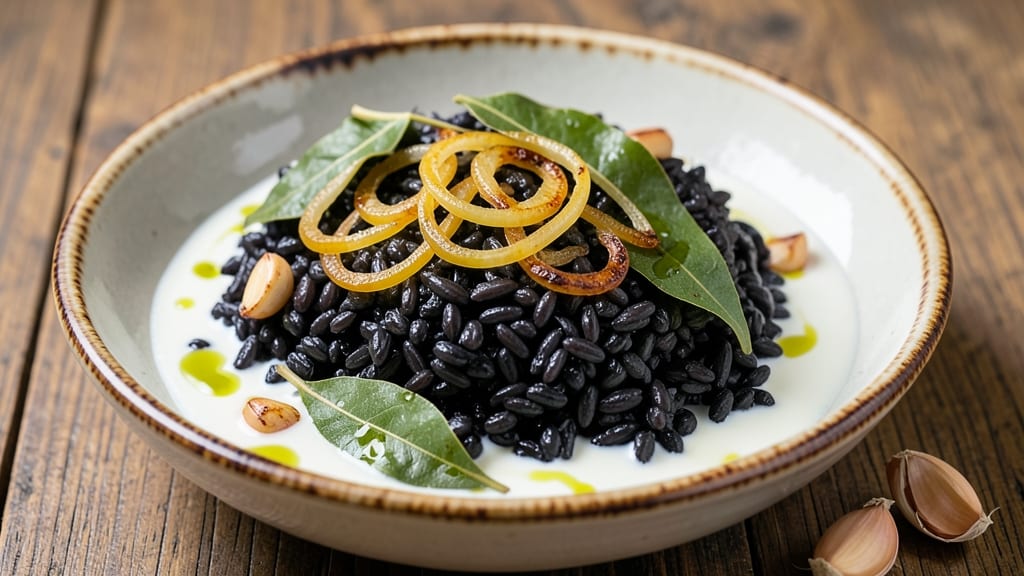
Brazilian black rice delivers an earthy, nutty depth that transforms ordinary meals into something extraordinary. This forbidden rice, steeped in tradition, pairs perfectly with feijoada or grilled meats, offering a rich, slightly chewy texture that absorbs flavors beautifully.
The key lies in proper soaking and slow cooking to unlock its full potential.
With just a handful of simple ingredients—black rice, coconut milk, and aromatic spices—you’ll create a dish that’s both elegant and deeply satisfying. The nutty aroma alone makes it worth the effort, and the subtle earthiness complements Brazilian cuisine perfectly. Ready to elevate your cooking with this cultural staple?
Ingredients for brazilian black rice
Earthy black rice, creamy coconut milk, and aromatic spices come together for a dish that feels both exotic and comforting.
| Ingredient | Amount | Notes |
|---|---|---|
| Brazilian Black Rice 🌾 | 1 cup | Uncooked, rinsed thoroughly |
| Coconut Milk 🥥 | 1 can | Full-fat, unsweetened (13.5 oz) |
| Yellow Onion 🧅 | 1 whole | Medium size, diced |
| Garlic Cloves 🧄 | 4 cloves | Fresh, minced |
| Olive Oil 🫒 | 2 tbsp | Extra-virgin preferred |
| Bay Leaves 🌿 | 2 whole | Dried, crushed slightly |
| Ground Cumin 🌶️ | 1 tsp | Freshly toasted preferred |
| Ground Coriander 🌿 | 1 tsp | Freshly ground preferred |
| Salt 🧂 | 1 tsp | Diamond Crystal kosher |
| Black Peppercorns 🌶️ | ½ tsp | Freshly cracked |
| Fresh Cilantro 🌿 | ¼ cup | Chopped, for garnish |
| Lime 🍋 | 1 whole | Juiced, seeds removed |
The black rice is the star here—look for Brazilian forbidden rice at specialty grocers or online (Amazon has great options). Regular black rice won't have the same depth. Whole Foods or Latin markets often carry it, but if you can't find it, Wild Rice Blend from Bob's Red Mill is a decent substitute. The coconut milk? Full-fat only—it's what gives that luxurious creaminess. Toast your spices in the oil for 30 seconds before adding water—this releases their essential oils and makes a huge difference in flavor. I always grab extra bay leaves since they're cheap and pack serious flavor punch.
No coconut milk? Heavy cream plus a splash of coconut extract works in a pinch (trust me, it's better than nothing). Fresh cilantro? Dried works at half the amount, but it won't have that bright, citrusy kick. Short on lime? Lemon juice at 1.5x the amount—just add a pinch of sugar to balance. The onion and garlic can be swapped for shallots if you're feeling fancy, but regular yellow onion does the job just fine. Pro tip: Toast your rice in the oil for 2 minutes before adding liquid—this deepens the nutty flavor. And if you're using pre-minced garlic, sauté it first to burn off that harsh raw taste.
This rice keeps beautifully—3-4 days in the fridge in an airtight container, or up to 3 months frozen. The flavor actually improves after the first day as everything melds together. I like to make a big batch and reheat portions throughout the week—it's perfect cold or warm. For serving, I always add a squeeze of lime and a sprinkle of cilantro right before eating. If you're serving with feijoada, make the rice first—it needs that long soak time, and you don't want to hold up your main dish waiting for it.
Why You'll Love This Recipe
- Five-Ingredient Magic: I swear, this dish proves you don’t need a pantry full of spices to impress. Just black rice, coconut milk, onions, garlic, and olive oil—sautéed until the rice soaks up that creamy, nutty richness. Honestly, the simplicity makes it feel like a shortcut, but the result? Anything but basic.
- Umami Bomb: That first bite of black rice—dark, earthy, with coconut milk clinging to each grain—hits different. The garlic and onions caramelize just enough to add depth, while the rice itself brings this natural sweetness that balances everything. Between us, it’s the kind of dish where you’ll pause mid-bite just to savor it.
- Meal Prep MVP: I make this on Sundays because it’s my go-to for lunches all week. The rice holds up perfectly, and the coconut milk keeps it moist even after reheating. Plus, it’s neutral enough to pair with grilled fish, shredded chicken, or just a fried egg—no one will guess it’s the same base dish.
- Budget-Friendly Luxury: Black rice might sound fancy, but it’s actually cheaper than white rice in bulk. Coconut milk adds richness without breaking the bank, and the other ingredients? Basic pantry staples. I’ll be real: this feels like a restaurant-worthy meal for half the cost, and the leftovers? Even better the next day.
Step-by-step instructions for Brazilian black rice
Here's how to unlock the rich, nutty flavors of forbidden rice with this simple yet transformative method.
Toast the Rice for Maximum Flavor
Heat the 2 tablespoons olive oil in a medium saucepan over medium heat. Add the 1 cup Brazilian Black Rice and toast for 3-4 minutes, stirring constantly. You'll notice the rice darkens slightly and releases an earthy aroma—this step deepens the natural nuttiness of the forbidden rice.
I like to press the rice gently against the pan with a wooden spoon during toasting to ensure even browning. Don't walk away—watch for the rice to turn a deeper black color and smell distinctly toasty. This initial toasting prevents the rice from becoming mushy and builds complex flavors that simmer through the cooking process.
Sauté Aromatics Until Fragrant
Add the diced yellow onion to the same pan and cook for 4-5 minutes until softened and translucent. Stir in the 4 cloves minced garlic, 2 whole crushed bay leaves, 1 teaspoon ground cumin, 1 teaspoon ground coriander, 1 teaspoon salt, and 0.5 teaspoon cracked black peppercorns. Cook for another 1-2 minutes until the spices are fragrant and the garlic turns golden.
The reason we cook the spices with the onions is to bloom their flavors—this creates a flavor base that infuses the rice throughout cooking. You'll know it's ready when the mixture smells like a warm spice market. If the onions start to brown too quickly, reduce heat slightly to medium-low and let them cook gently.
Simmer with Coconut Milk
Pour in the 1 can coconut milk, stirring to combine with the rice and aromatics. Add 2 cups water (the rice will absorb about 3 cups total liquid). Bring to a gentle boil, then immediately reduce heat to low and cover tightly with a lid. Simmer for 30-35 minutes, checking occasionally to ensure the water level remains consistent.
Here's the thing—Brazilian black rice needs patience. The key is maintaining a gentle simmer rather than a rolling boil. You'll see the rice absorb the liquid gradually and develop a creamy texture. After about 20 minutes, give it a gentle stir to prevent sticking. The rice should be tender but still slightly firm to the bite when done.
Rest and Finish with Fresh Herbs
Once the rice is tender and all liquid has been absorbed (about 30-35 minutes), remove from heat and let it rest covered for 5 minutes. This resting period allows the rice to finish steaming and develop its full texture.
Fluff the rice gently with a fork, then stir in the juice of 1 whole lime and 0.25 cup chopped fresh cilantro. The lime brightens the earthy flavors while the cilantro adds freshness. For serving, I like to garnish with additional cilantro and a sprinkle of lime zest—it makes the dish pop visually and adds another layer of flavor.
Pro Tips For Making Brazilian Black Rice
- SOAK THE RICE LONGER: Brazilian black rice needs at least 4 hours of soaking—no shortcuts. I learned this the hard way when my rice turned mushy after 2 hours. Use a bowl of water (no salt) and swap it out once mid-soak. Trust me, the texture difference is night and day.
- SWEAT THE ONIONS LOW: Don’t rush the onions. Sauté them in olive oil on medium-low heat for 8–10 minutes until they’re deep golden and caramelized. High heat burns them fast, and you’ll taste the bitterness later. This is where the flavor actually builds.
- STIR IN COCONUT MILK GRADUALLY: Dump all the coconut milk in at once, and you’ll end up with a watery, uneven dish. Instead, add it in two batches—first half when the rice is half-cooked, then the rest at the end. This keeps the grains intact and rich, not soggy.
- TASTE BEFORE FINISHING: Check seasoning at the 15-minute mark, not after. The coconut milk dilutes salt, and you’ll need more than you think. A pinch of salt now saves scrambling later. I skip this and always regret it.
Regional styles of this recipe
Bahia’s Forbidden Rice
In Bahia, black rice is a staple in dishes like Caruru, a creamy stew with shrimp and dendê oil. The key here is using coconut milk instead of dendê for a more accessible version that still delivers that rich, nutty depth.
Bahian cooks often add dried shrimp to the rice for extra umami—about ¼ cup—and let it simmer for an extra 10 minutes to infuse the flavors. The result? A dish that’s both elegant and deeply comforting. 🌶️
Rio’s Feijoada Companion
Rio de Janeiro serves black rice as the perfect side for Feijoada, Brazil’s legendary black bean stew. The secret here is balancing the earthy rice with the smoky, salty beans.
I like to add ½ cup diced smoked sausage (like linguiça) to the rice during the last 5 minutes of cooking—it absorbs the flavors beautifully and adds a smoky contrast. Serve it alongside feijoada with orange slices for a classic Rio touch. 🍊
Amazonian Indigenous Style
The indigenous peoples of the Amazon have been cooking black rice for centuries, often using wild game like peccary or fish instead of coconut milk.
For an authentic twist, replace the coconut milk with ½ cup fish stock and ½ cup water, then add 1 tbsp crushed ají pequi (a spicy Amazonian pepper) for heat.
The rice takes on a wild, earthy flavor that’s completely different from the Bahian version but just as delicious. 🌿
Modern Brazilian Fusion
Today’s Brazilian chefs are putting a modern spin on black rice, often using it as a base for grain bowls with grilled meats, avocado, and pickled onions. I love making a black rice "risotto" by adding ½ cup white wine and 1 cup chicken stock in stages while stirring constantly.
Finish with toasted pumpkin seeds and microgreens for a dish that’s both traditional and trendy. It’s perfect for a weeknight dinner that feels special. ✨
North vs. South Variations
Northern Brazil leans into spicy, coconut-forward versions, while the South often uses less coconut milk and more dried herbs like oregano. In Santa Catarina, you’ll find black rice cooked with hard-boiled eggs and sliced ham—almost like a savory rice pudding.
For a Southern twist, reduce the coconut milk to ½ can and add 1 tbsp dried oregano with the spices. The result is lighter but still packed with flavor. 💛
Nutrition facts
Frequently asked questions
Why is this called "forbidden rice"?
Brazilian black rice earned this name because it was historically reserved for royalty and special occasions in ancient times. The deep purple hue and rich flavor made it a prized ingredient, often kept away from common people. Today, it's celebrated worldwide for its unique texture and earthy taste that pairs perfectly with Brazilian cuisine.
Can I substitute coconut milk with something else?
Yes! For a dairy-free option, try full-fat cashew cream (blend soaked cashews with water). If you prefer non-dairy, heavy cream plus 1 tsp coconut extract works well. For a lighter version, use ½ can coconut milk + ½ cup chicken broth. Just remember, coconut milk is key for that authentic creamy texture.
What's the best way to store leftover black rice?
Store cooked black rice in an airtight container in the fridge for 3-4 days or freeze for up to 3 months. To reheat, add 1-2 tbsp water per cup of rice and cover while warming on low heat. The flavors actually improve overnight as everything melds together!
How do I know when the rice is fully cooked?
The rice is done when it's tender but still slightly firm (about 30-35 minutes total cooking time). It should have absorbed all the liquid and have a creamy, slightly chewy texture. If it's still crunchy, add 2-3 tbsp water and cook another 5 minutes. Never overcook—it becomes mushy!
What's the best way to serve this black rice?
This rice shines as a side for feijoada, grilled meats, or fish. For a complete meal, serve with sautéed greens and orange slices. Try it in grain bowls with avocado, pickled onions, and grilled chicken. The nutty flavor also works beautifully in stuffed peppers or as a base for Brazilian-style risotto.