
Main Courses
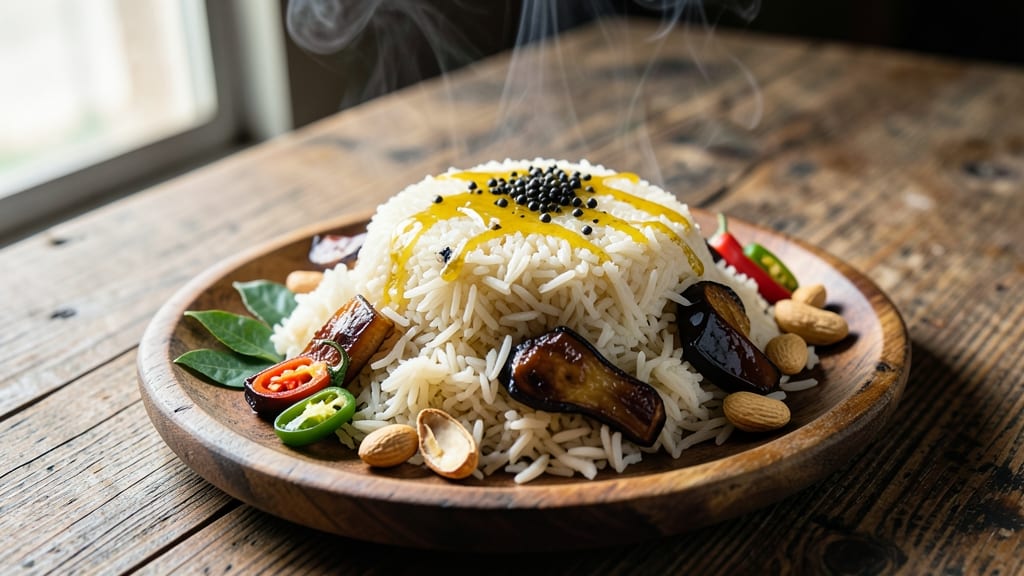
This brinjal rice recipe in Tamil brings the heart of South Indian home cooking to your table in one aromatic pot. ✨ The secret lies in layering flavors—sautéed eggplant, fragrant rice, and a tempering of mustard seeds and curry leaves—that transform simple ingredients into a dish bursting with tradition.
What makes this recipe special is its authenticity: rice cooked with tender eggplant, spices blooming in hot oil, and a finish of toasted peanuts for crunch.
The result is a comforting, one-pot meal that’s perfect for weeknights or family gatherings, staying true to Tamil culinary roots while being easy to prepare.
Ingredients for brinjal rice recipe in tamil
Simple ingredients, layered flavors—this Tamil brinjal rice brings South Indian tradition to your pot.
| Ingredient | Amount | Notes |
|---|---|---|
| Long-Grain Basmati Rice 🍚 | 1 cup | Uncooked, rinsed well |
| Brinjal (Eggplant) 🍆 | 1 ½ lb | Medium-sized, peeled and cubed |
| Mustard Seeds 🌱 | 1 tbsp | Whole, for tempering |
| Curry Leaves 🌿 | ¼ cup | Fresh, packed |
| Green Chillies 🌶️ | 2 whole | Slit lengthwise, seeds removed |
| Peanuts 🥜 | ¼ cup | Roasted, for garnish |
| Coconut Oil 🫒 | ½ cup | For tempering and cooking |
| Turmeric Powder 🌶️ | ½ tsp | Freshly ground preferred |
| Cumin Seeds 🌿 | 1 tsp | Toasted for aroma |
| Salt 🧂 | 1 tsp | Adjust to taste |
| Asafoetida (Hing) 🌶️ | ⅛ tsp | Pinch for flavor |
| Fresh Coriander Leaves 🌿 | ¼ cup | Chopped, for garnish |
| Water 💧 | 2 ½ cups | For rice cooking |
| Ghee (Clarified Butter) 🧈 | 2 tbsp | For final drizzle |
The eggplant is the heart of this dish, so choose firm, glossy brinjals—they should feel heavy for their size. Local markets or Indian grocery stores often carry the best varieties, but any medium-sized eggplant works. Peeled and cubed, they absorb the spices beautifully. For the rice, basmati is non-negotiable—its long grains stay separate and fragrant. Toast the cumin seeds until fragrant (about 30 seconds in hot oil) to unlock their full aroma, which forms the base for the tempering. Curry leaves are essential—they carry that unmistakable South Indian flavor, so use fresh ones if possible.
No mustard seeds? Replace with 1 tsp mustard oil for a similar punch. Fresh curry leaves hard to find? Dried leaves work at half the amount, but they lack the vibrant aroma. For the peanuts, store-bought roasted peanuts are fine, but toasting them yourself in coconut oil adds a deeper flavor. The green chillies can be adjusted to taste—remove seeds for less heat. If you're avoiding ghee, coconut oil works perfectly for the final drizzle. The asafoetida (hing) is optional but adds that signature South Indian depth—skip it if you're sensitive to its strong aroma.
Rice and eggplant keep best in the fridge for 3 days, though the flavors improve overnight. Store the tempering ingredients separately and reheat with a splash of water to revive crispiness. For leftovers, reheat gently on low heat with a lid to prevent drying. This dish tastes even better the next day as the spices meld together. Garnish with fresh coriander just before serving to keep it vibrant.
Why You'll Love This Recipe
- That’s the secret: roasting the brinjal first until it’s golden and tender. The contrast with the fluffy basmati? Absolute perfection—like a hug in every bite, especially when the curry leaves add their earthy punch.
- One-Pot Magic: I swear by this—just rice, eggplant, and a few spices in one pot. No extra bowls, no mess, and honestly, the mustard seeds sizzling in ghee make the whole kitchen smell like a Tamil home.
- Crispy-Creamy Texture: That’s the secret: roasting the brinjal first until it’s golden and tender. The contrast with the fluffy basmati? Absolute perfection—like a hug in every bite, especially when the curry leaves add their earthy punch.
- Lunchbox Hero: Between us, this is my go-to for packed lunches. Keeps for three days without drying out, and the green chillies give it just enough kick to wake up a sleepy afternoon. (Yes, even on a Tuesday night.)
Step-by-step instructions for brinjal rice in Tamil style
Here's how to create this aromatic one-pot dish with perfect rice and tender eggplant.
🍳 Step 1: Prepare the Eggplant and Rice Base
Begin by peeling and cutting the 1.5 lb brinjal (eggplant) into 1-inch cubes. Place them in a bowl and sprinkle with 0.5 tsp turmeric powder and 1 tsp salt. Toss gently to coat evenly. This helps tenderize the eggplant and infuse it with subtle spice.
In a separate bowl, rinse the 1 cup long-grain basmati rice thoroughly under cold water until the water runs clear. This removes excess starch that could make the rice mushy. Drain well and set aside. The rice will absorb flavors better when clean and dry.
🔥 Step 2: Temper the Spices in Coconut Oil
Heat 0.5 cup coconut oil in a heavy-bottomed pot over medium heat. Add 1 tsp cumin seeds and let them sizzle for 30 seconds until they release their aroma. This is your signal to add 1 tbsp mustard seeds, which will pop audibly within 10 seconds.
Immediately add the 0.25 cup curry leaves and 2 whole slit green chillies. Stir for 30 seconds until the curry leaves turn dark green and fragrant. Finally, add the 0.125 tsp asafoetida (hing) and stir for 10 seconds—this tiny ingredient adds depth that's essential to South Indian cooking.
🥘 Step 3: Cook the Eggplant and Rice Together
Add the turmeric-coated eggplant cubes to the pot and sauté for 5 minutes on medium heat, stirring occasionally. The eggplant should soften slightly but not brown. Add the drained rice and mix everything together for 2 minutes, ensuring the rice absorbs the spice oil.
Pour in 2.5 cups water and bring to a boil. Once boiling, reduce heat to low, cover with a tight lid, and let it simmer for 15 minutes. Resist the urge to peek—steam is what cooks the rice perfectly. After 15 minutes, check if the rice is tender by pressing a grain between your fingers.
⏰ Step 4: Finalize with Peanuts and Ghee
Once the rice is cooked (grains should be separate but tender), uncover the pot and stir in the 0.25 cup roasted peanuts and 0.25 cup chopped fresh coriander leaves. This adds texture and freshness to balance the rich flavors. Let the mixture sit for 2 minutes to meld the flavors.
Finally, remove from heat and drizzle 2 tbsp ghee (clarified butter) over the top. The ghee will give the dish a luxurious finish and enhance the aroma. Cover again and let it rest for 5 minutes before serving. This resting period allows the flavors to settle and the rice to reabsorb any moisture.
Pro Tips For Making Brinjal Rice Recipe In Tamil
- CHAR THE BRINJAL FIRST: I learned this the hard way—slicing raw brinjal and tossing it straight into the pot leads to a mushy, watery mess. Char the slices over high heat in a dry pan for 2-3 minutes per side until they blacken slightly. This removes bitterness and gives that smoky depth that makes brinjal rice taste like it’s been simmering for hours.
- SALT THE RICE WATER LATE: The rice will absorb more liquid if you add salt after the water boils. My grandmother swore by this, and she was right: salting early makes the rice cook unevenly. Wait until the water’s rolling, then add the salt and rice together—you’ll get fluffy, evenly seasoned grains every time.
- SKIP THE OVERCROWDING: Brinjal rice needs room to breathe. If you pile all the brinjal slices into one layer, they’ll steam instead of caramelize. Work in batches—char half the brinjal, set aside, then repeat. Your future self will thank you when the dish looks golden and crispy, not soggy.
- PRESERVE THE CURRY LEAF FRAGRANCE: Sounds weird, but it works: add curry leaves after the mustard seeds have popped. If you toss them in too early, they’ll burn before releasing their aroma. Drop them in when the mustard seeds are sizzling but not yet brown—this guarantees that bright, citrusy punch that defines Tamil brinjal rice.
Regional styles of these flavors
Tamil Nadu Classic
This is how brinjal rice is traditionally made in Tamil Nadu, where it’s called Vazhai Arisi. The dish originates from rural homes where eggplant was a staple, and rice was the daily staple.
The key here is the tempering (tadka)—mustard seeds, curry leaves, and green chilies sizzled in coconut oil until they release their full aroma. I always use fresh curry leaves because dried ones just can’t match that vibrant, slightly bitter punch. 🌿
Kerala's Spiced Twist
In Kerala, this dish often includes a touch of grated coconut mixed into the rice while cooking, adding a subtle sweetness. They also use more green chilies (up to 4) for extra heat.
The rice is sometimes cooked separately and mixed with the eggplant later to keep the grains distinct. For an authentic Kerala touch, add ½ cup grated coconut with the eggplant during sautéing.
Andhra Coastal Style
Along the Andhra coast, fishermen’s families would add freshly caught prawns to the dish, turning it into a protein-rich meal. While this keeps it vegetarian, you can mimic the coastal vibe by adding ½ cup chopped roasted cashews instead of peanuts.
The dish here is often served with a side of spicy tomato chutney to cut through the richness. 🍤
Madurai Royal Version
In Madurai, a more opulent version includes gold leaf (varak) sprinkled on top before serving—a nod to the city’s royal history. The eggplant is often lightly fried before adding to the rice for extra texture.
For a luxurious touch, drizzle 1 tsp ghee over the finished dish and add a pinch of saffron soaked in warm milk. This version is perfect for special occasions.
Modern Urban Adaptations
Today’s urban Tamil cooks often pressure-cook the rice and eggplant together for a quicker version. Some replace coconut oil with olive oil for a milder flavor, while others add diced tomatoes for brightness.
For a fusion twist, try adding ½ cup diced bell peppers with the eggplant—they soften beautifully and add a sweet contrast to the spice. 🌶️
Festive Variations
During Pongal or Diwali, Tamil families prepare a sweet version by adding jaggery and cardamom to the rice. For a festive touch, garnish with fried shallots and crushed pistachios instead of peanuts.
The dish becomes a celebratory centerpiece, served with payasam (milk pudding) for balance. This version is sweeter but equally aromatic.
Nutrition facts
Frequently asked questions
Why does Tamil brinjal rice need tempering (tadka)?
The tempering is what makes this dish authentically South Indian! When mustard seeds, curry leaves, and green chilies sizzle in hot oil, they release aromatic compounds that transform the simple rice and eggplant into something deeply flavorful. This step creates the signature "umami punch" that defines Tamil comfort food.
Can I use eggplant skin instead of peeling it?
The skin is edible and adds texture. For a rustic touch, leave it on—just scrub it well first. If you prefer smoother eggplant, peel it after cooking. The skin doesn't affect flavor but may make the dish slightly chewier, which some people love for contrast.
What if my rice turns out mushy?
Mushy rice usually means too much water or stirring too soon. Next time, measure water precisely (2.5 cups for 1 cup rice) and avoid lifting the lid during cooking. For instant fixes, spread the rice on a tray and dry it in the sun for 1-2 hours—the heat will crisp it up.
Is this dish spicy? Can I reduce the heat?
The recipe includes 2 green chilies for mild heat, but you can remove seeds or use 1 chili for less spice. For a non-spicy version, omit chilies entirely and add ½ tsp sugar to balance flavors. The dish remains aromatic without heat—it's the spices, not just chilies, that carry the depth.
Can I make this in a pressure cooker?
Yes! Pressure cooking cuts time by half. After sautéing eggplant and rice, add 2 cups water (instead of 2.5) and cook on high pressure for 3 whistles. Let pressure release naturally for 10 minutes before opening. The rice will be perfectly fluffy with tender eggplant.