
Side Dishes
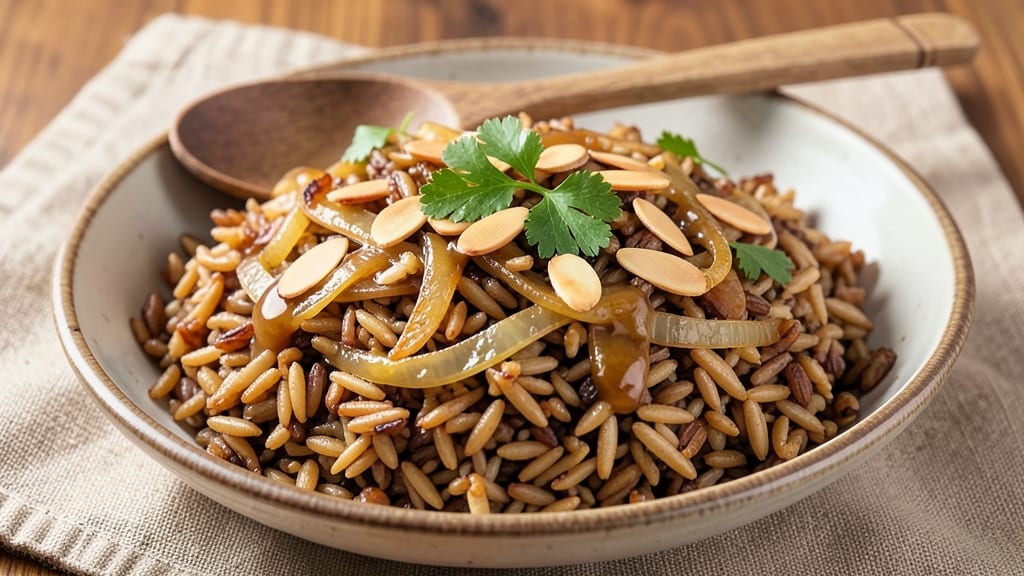
This brown and wild rice pilaf delivers the perfect balance of nutty earthiness and satisfying texture—ideal for elevating any meal. The combination of chewy brown rice and delicate wild rice creates a hearty base, while toasted almonds add a satisfying crunch.
What sets this recipe apart is the aromatic blend of spices and herbs that infuse every grain, transforming simple ingredients into a restaurant-worthy side dish.
The foundation of this pilaf lies in proper toasting and layering of flavors. We begin by sautéing onions and garlic until fragrant, then toast the rice in the same pot to enhance its natural nuttiness.
The key to achieving perfectly cooked rice is using a combination of vegetable broth and a splash of white wine, which adds depth without overpowering the earthy flavors. This method ensures each grain remains distinct yet cohesive, creating that signature pilaf texture.
As the rice simmers, it absorbs the rich broth and aromatic spices, developing a complex flavor profile that's both comforting and sophisticated. The final touch of toasted almonds introduces a delightful crunch that contrasts beautifully with the tender rice.
This pilaf works equally well as a side for roasted meats, grilled fish, or even as a vegetarian main course with added vegetables and herbs.
The result is a dish that's as impressive to serve as it is to eat—golden-brown at the edges with fragrant steam rising from each bite. The nutty undertones from the wild rice complement the toasted almonds, while the spices add warmth and depth.
Perfect for family dinners, holiday feasts, or meal prep, this pilaf brings a touch of elegance to your table without requiring advanced techniques.
Ingredients for brown and wild rice pilaf
Six ingredients transform into a restaurant-worthy pilaf with nutty depth and satisfying crunch.
| Ingredient | Amount | Notes |
|---|---|---|
| Long-Grain Brown Rice 🌾 | 1 ½ cups | Uncooked, rinsed thoroughly |
| Wild Rice Blend 🌾 | ½ cup | Uncooked, rinsed thoroughly |
| Yellow Onion 🧅 | 1 whole | Diced, medium size |
| Garlic Cloves 🧄 | 4 cloves | Minced, fresh preferred |
| Unsalted Butter 🧈 | 4 tbsp | Cold, cut into small pieces |
| Vegetable Broth 💧 | 3 cups | Low-sodium preferred |
| Dry White Wine 🍷 | ½ cup | Sauvignon Blanc or Pinot Grigio |
| Fresh Thyme Leaves 🌿 | 1 tbsp | Chopped, stems removed |
| Fresh Parsley Leaves 🌿 | ½ cup | Chopped, flat-leaf preferred |
| Slivered Almonds 🥜 | ½ cup | Toasted until golden |
| Dried Bay Leaves 🌿 | 2 whole | Removed before serving |
| Ground Black Pepper 🌶️ | ½ tsp | Freshly cracked preferred |
| Kosher Salt 🧂 | 1 ½ tsp | Diamond Crystal preferred |
The rice blend is the heart of this pilaf—brown rice for chewy texture and wild rice for delicate nuttiness. Bob's Red Mill or Lundberg are reliable brands for both, but any organic store carries quality options. Look for uncooked, whole-grain varieties—pre-cooked rice won't give you that signature al dente bite. The onions and garlic need to be finely diced (small dice, not chopped) for even cooking. Whole Foods or Trader Joe's often sell pre-minced garlic, but fresh is always better if you've got the time. Toasting the rice in butter before adding liquid is non-negotiable—it builds that nutty foundation that separates good pilaf from great.
No white wine? Dry vermouth or extra vegetable broth works in a pinch. Fresh herbs can be swapped for dried at one-third the amount, but the flavor won't be as bright. The almonds are crucial for texture—raw, slivered almonds toast best (about 5 minutes in a dry pan until golden). No almonds? Toasted pecans or walnuts add depth, though the flavor shifts. The broth matters here too—low-sodium is key, or you'll need to adjust the salt later. For extra richness, some cooks add a splash of chicken stock (though this is vegetarian), but the wine and butter already provide plenty of depth.
This pilaf reheats beautifully—cover with a damp paper towel to keep it moist. Stores for 4-5 days in the fridge, or 3 months in the freezer (portion into containers for easy reheating). The almonds can be toasted ahead and stored in an airtight container for up to 2 weeks—just add them fresh when serving. For meal prep, cook a double batch—it's even better the next day as flavors meld. Serve immediately for that restaurant-worthy presentation, or let it sit 10 minutes before serving for maximum aroma release.
Why You'll Love This Recipe
- One-Pot Wonder: I swear by this recipe because it’s all in one pot—no fancy tools, no extra bowls. Just toss the brown rice, wild rice blend, diced onion, minced garlic, and butter into a deep skillet, add broth, and let it simmer. Twenty minutes later, you’ve got a fragrant, golden pilaf without the cleanup headache.
- Nutty, Earthy Magic: The wild rice adds that deep, toasty crunch while the brown rice keeps it hearty. Sauté the onion and garlic in butter until they’re soft and sweet—this is where the flavor actually happens. Honestly, the first bite is what makes me keep making it.
- Meal Prep MVP: This pilaf holds up perfectly for days, whether you’re packing lunches or reheating leftovers. The textures stay distinct—no mushy rice here—and it pairs with everything from roasted chicken to grilled salmon. I make a big batch on Sundays and call it done for the week.
- Budget-Friendly Powerhouse: Brown and wild rice blends are cheaper than you’d think, and they stretch further than white rice. Plus, butter and onions are pantry staples, so you’re not breaking the bank. Between us, this is the kind of dish that makes grocery shopping feel like a win.
Step-by-step instructions for brown and wild rice pilaf
Master this nutty, earthy pilaf with toasted almonds and aromatic herbs—perfect for any meal.
Toast the Almonds and Sauté the Aromatics
Heat a large skillet over medium heat and add the 0.5 cup slivered almonds. Toast them for 3-4 minutes, stirring constantly, until they turn a beautiful golden brown and release their nutty aroma. Remove them immediately and set aside on a plate—they'll continue to crisp as they cool.
In the same skillet, melt 2 tablespoons unsalted butter over medium heat. Add the 1 whole yellow onion, diced, and cook for 5-6 minutes until softened and translucent. Add the 4 cloves garlic cloves, minced, and cook for another 30 seconds until fragrant. This step builds the flavor foundation for your pilaf.
Bloom the Herbs and Deglaze the Pan
Add the 1 tablespoon fresh thyme leaves and 2 whole dried bay leaves to the skillet. Stir for 30 seconds to release their essential oils—you'll smell the thyme's piney aroma and the bay leaves' earthy warmth. Pour in the 0.5 cup dry white wine and scrape up any browned bits from the bottom of the pan with a wooden spoon. This deglazing captures all the flavor you've built so far.
Simmer the wine mixture for 2-3 minutes until reduced by half. At this point, the liquid should coat the back of a spoon and the wine's sharpness should mellow slightly. This reduction concentrates the flavors before adding the rice and broth.
Toast the Rice and Add Broth
Add the 1.5 cups long-grain brown rice and 0.5 cup wild rice blend to the skillet, stirring to coat the grains evenly with the butter and wine mixture. Toast the rice for 2-3 minutes, stirring frequently, until the grains become translucent at the edges and you can smell their nutty aroma developing.
Pour in the 3 cups vegetable broth and bring to a gentle boil. Add the 1.5 teaspoons kosher salt and 0.5 teaspoon ground black pepper, then reduce heat to low. Cover the skillet with a tight-fitting lid and simmer for 45 minutes. Don't peek or stir during this time—consistent heat is key for even cooking.
Finish with Fresh Herbs and Rest
After 45 minutes, remove the skillet from heat and let it sit covered for 10 minutes. This resting period allows the rice to absorb any remaining liquid and the flavors to meld. Remove and discard the 2 whole dried bay leaves. Stir in the 0.5 cup fresh parsley leaves and the toasted 0.5 cup slivered almonds, folding them gently through the rice.
Let the pilaf sit uncovered for another 5 minutes to allow any surface moisture to evaporate, creating a slightly crisp texture on the grains. The final result should be a harmonious blend of nutty brown rice, earthy wild rice, and toasted almonds, with bright herb notes cutting through the richness.
Pro Tips For Making Brown And Wild Rice Pilaf
- Toast the Wild Rice: Wild rice needs a head start—sauté it alone in butter for 3-4 minutes until it darkens and smells nutty before adding anything else. I learned this the hard way when mine stayed bland and undercooked; toasting unlocks its earthy flavor and prevents gummy texture.
- Chop Onions Small: Wild rice blends cook slower than brown rice, so finely diced onions (1/4-inch pieces or smaller) ensure even cooking and sweetness throughout. My first batch had big chunks that stayed raw—now I pulse them in the food processor for consistency.
- Use Two Pots: Brown rice and wild rice have different cooking times—simmer brown rice for 40 minutes, wild rice for 50. Split them into separate pots to avoid one group turning mushy while the other stays crunchy. (Yes, it’s extra dishes, but the texture makes it worth it.)
- Season the Butter: Unsalted butter needs flavor too—melt it with a pinch of salt, a splash of chicken or veggie broth, and a crushed garlic clove before toasting the grains. This upgrades the base from bland to rich without overpowering the rice. (I used to skip this and wondered why my pilaf tasted flat.)
Storing and reheating this dish
Refrigerator Storage
Let your pilaf cool to room temperature (about 1 hour) before transferring to an airtight container. I use glass Pyrex containers with tight-sealing lids—they preserve texture better than plastic. Store in the fridge for up to 4-5 days, but I recommend eating within 3 days for peak flavor.
The almonds stay crisp, and the rice maintains that perfect al dente bite. 🌾
Freezer Prep Tips
For longer storage, portion the pilaf into quart-sized freezer bags or airtight containers, leaving ½-inch headspace for expansion. Freeze for up to 3 months—the toasted almonds remain crunchy when thawed properly.
When ready to eat, transfer the frozen portion to the fridge to thaw overnight. Microwave reheating works best for freezer-to-table transitions. ❄️
Reheating Methods
My go-to method is stovetop reheating: spread the pilaf in a skillet over medium-low heat and add 2 tablespoons water or broth to prevent drying. Cover and heat for 8-10 minutes, stirring occasionally.
For microwave reheating, cover with a damp paper towel and heat in 1-minute intervals on 50% power until reaching 165°F. Always taste and adjust seasoning after reheating—pilaf often needs a pinch of salt. 🔥
Texture Preservation
To maintain that perfect crunch, toast fresh almonds right before serving if reheating. For extra moisture, add a splash of vegetable broth during reheating—just 1 tablespoon per cup of pilaf.
Avoid overmixing when reheating to prevent mushy rice. The key is gentle heat and minimal liquid. I've found that reheating in batches keeps the texture consistent throughout. ✨
Meal Prep Strategy
Double the recipe and store half for later—the flavors actually improve as the spices meld. I like to prep this on Sundays for weekday lunches. When reheating, add a pinch of fresh parsley to brighten flavors.
For variety, mix in sautéed mushrooms or diced bell peppers when reheating. The pilaf reheats beautifully, making it perfect for busy schedules. 💡
Nutrition facts
Frequently asked questions
Can I substitute white rice for brown and wild rice?
While you can use white rice, the texture and flavor will be completely different. Brown rice stays chewy and nutty, while white rice becomes soft and starchy. For a similar texture, use 100% brown rice—just increase cooking time by 5-10 minutes. Wild rice is essential for that earthy depth and delicate bite, so omitting it will change the dish's character.
What if I don't have white wine? Can I use something else?
Use dry vermouth, apple cider vinegar (1 tbsp diluted in ¼ cup water), or even extra vegetable broth. The key is acidity and depth—avoid sweet wines or juices. If using vinegar, reduce it by half to avoid overpowering the dish. The wine adds complexity, but these substitutes work in a pinch.
How do I make this pilaf gluten-free?
This recipe is naturally gluten-free! Just ensure your broth is labeled gluten-free and use certified gluten-free rice blends. Double-check almond brands for cross-contamination warnings. For extra safety, toast the almonds in a dedicated pan to avoid gluten transfer from other foods. The flavor profile remains identical.
Why is my rice mushy or undercooked?
Mushy rice usually means too much liquid or insufficient resting time. Use the exact 3 cups broth called for and don't peek while cooking! Undercooked rice happens with too little liquid or high heat. Brown rice needs 45-50 minutes—wild rice takes longer. After cooking, always let it rest 10 minutes covered, then 5 minutes uncovered.
Can I add protein or vegetables to this pilaf?
For protein, try chicken breast (diced and cooked separately), shrimp (added in the last 5 minutes of cooking), or tofu (pressed and cubed). Vegetables work great too—add diced mushrooms, bell peppers, or spinach (folded in at the end). Just adjust cooking times for denser veggies.