
Main Courses
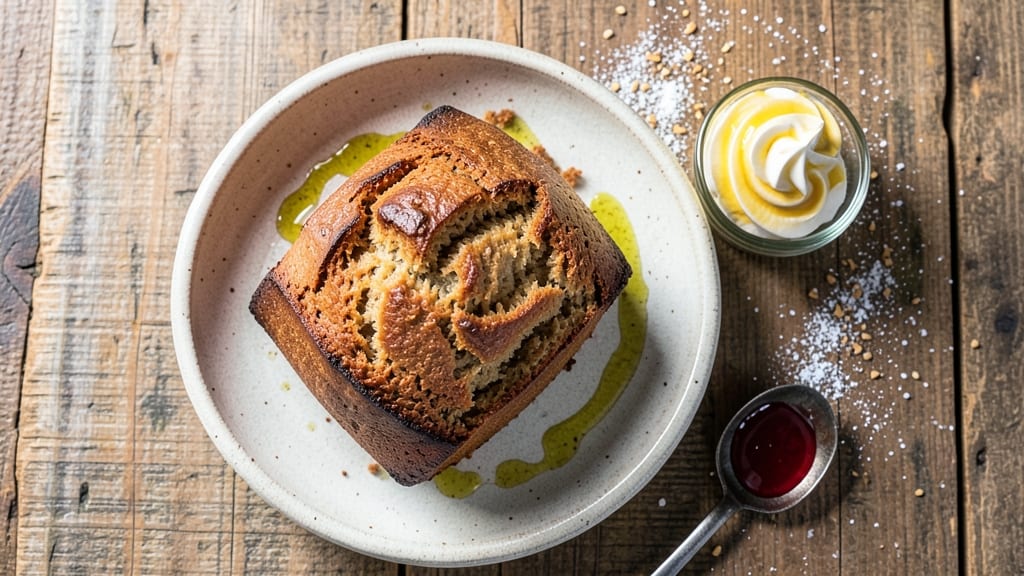
This brown rice bread machine recipe transforms whole grains into a surprisingly light, nutty loaf with minimal effort. The secret lies in balancing hydration and gluten development—brown rice flour needs extra care to rise properly, but the bread machine handles the heavy lifting while you focus on prep.
What makes this recipe work is the combination of aquafaba (chickpea brine) for structure and a touch of psyllium husk to mimic gluten's elasticity.
The result is a tender yet sturdy loaf with a crisp crust and moist crumb, perfect for sandwiches or toast. Unlike dense rice breads, this version stays light thanks to precise ingredient ratios and the bread machine's controlled environment.
Whether you're new to whole-grain baking or a seasoned pro, this hands-off method delivers restaurant-quality texture with just a few adjustments. Let's get started—your bread machine is about to become your best tool for plant-based baking.
Ingredients for brown rice bread machine
Precision-milled brown rice flour meets plant-based science for a bread machine loaf with restaurant-quality texture.
| Ingredient | Amount | Notes |
|---|---|---|
| Brown Rice Flour 🌾 | 3 cups | Fine grind for optimal texture |
| Aquafaba 🥜 | ½ cup | From chickpea brine, whisked |
| Psyllium Husk Powder 🌿 | 1 tbsp | Essential for gluten mimicry |
| White Vinegar 🍶 | 1 tbsp | For proper gluten development |
| Extra-Virgin Olive Oil 🫒 | 2 tbsp | High-quality for moisture |
| Granulated Sugar 🍚 | 1 tbsp | Balances nutty flavor |
| Active Dry Yeast 🍞 | 1 tsp | Ensures proper rise |
| Warm Water 💧 | 1 ¼ cups | 110°F for yeast activation |
| Salt 🧂 | 1 tsp | Diamond Crystal preferred |
| Ground Flaxseed 🌱 | 1 tbsp | For added binding |
| Sesame Seeds 🌻 | 1 tbsp | For crust decoration |
The brown rice flour is non-negotiable—Bob's Red Mill or Anthony's brands yield the best results due to their fine grind. Look for 100% whole grain with no additives. Psyllium husk powder, sourced from health food stores or bulk bins, is crucial for gluten-free binding. If using a different brand, adjust to 1.5 tbsp for optimal elasticity. The aquafaba should be freshly whisked—save the brine from canned chickpeas and store it in the fridge for up to 5 days before it loses its binding properties. For yeast, Fleischmann's or Saf-Instant work reliably, but always check the expiration date.
No aquafaba? Flaxseed gel (1 tbsp ground flaxseed + 3 tbsp water) mimics its structure, though the texture will be slightly denser. Substitute sesame seeds with poppy seeds or sunflower seeds for a different crunch. If your bread machine lacks a gluten setting, increase the psyllium husk to 1.5 tbsp and add 1 tsp vital wheat gluten for better rise. For a sweeter loaf, replace half the sugar with maple syrup—just reduce the water by 1 tbsp to maintain hydration balance. The olive oil should be extra-virgin for flavor, but avocado oil works in a pinch.
Store the loaf in an airtight container at room temperature for 3 days or freeze for 3 months. For reheating, wrap in foil and warm at 350°F for 5-10 minutes to restore crispness. The psyllium husk powder can be stored indefinitely in a cool, dark place, while aquafaba should be used within 5 days of opening. To prevent drying, slice the loaf only before serving—it's best enjoyed fresh from the bread machine, with a light brush of olive oil for extra shine.
Why You'll Love This Recipe
- No-Fuss Mix-In: I swear by the bread machine’s "dough" setting—just toss in brown rice flour, aquafaba (that chickpea brine is magic), and psyllium husk powder, then let the machine do the heavy lifting. No kneading, no stress, and honestly? The texture turns out better than I ever could’ve kneaded myself.
- Nutty, Earthy Crunch: That brown rice flour gives it a subtle, toasty depth you won’t find in white bread—like a warm hug for your sandwich. The olive oil keeps it from tasting dry, and the vinegar adds just enough tang to make every bite want another bite.
- Meal Prep MVP: Between us, this bread is my go-to for lunches all week. Toast it for breakfast, slice it for wraps, or even use it for croutons—it holds up like a champ. (Yes, even on a Tuesday night when I’m too tired to think.)
- Budget-Friendly Staple: Brown rice flour and aquafaba are cheap, and this recipe stretches further than store-bought loaves. Plus, the psyllium husk powder (a dollar at the health store) makes it light and airy without breaking the bank. My wallet and my taste buds thank me.
Step-by-step instructions for brown rice bread machine artisan loaf
This method transforms simple ingredients into a nourishing, nutty loaf with perfect texture.
Prepare the Aquafaba and Yeast Mixture
In a small bowl, whisk the 0.5 cup aquafaba until it forms stiff peaks—this mimics egg whites for structure. In a separate 1.25 cups warm water (110°F), sprinkle the 1 tsp active dry yeast and let it sit for 5 minutes until foamy. This activation ensures proper gluten development later.
While waiting, combine the 3 cups brown rice flour, 1 tbsp psyllium husk powder, 1 tbsp granulated sugar, and 1 tsp salt in your bread machine pan. The psyllium husk is crucial here—it mimics gluten's binding properties in gluten-free baking. Sift the mixture gently to aerate the flour and create pockets for the yeast to expand.
Mix Wet Ingredients and Combine
Add the foamy yeast mixture, whisked aquafaba, 2 tbsp extra-virgin olive oil, 1 tbsp white vinegar, and 1 tbsp ground flaxseed to the dry ingredients. Stir with a silicone spatula until just combined—you should see a thick, shaggy batter with no dry spots. Overmixing develops gluten-like strands, which we want here for structure.
The white vinegar plays a dual role: it activates the psyllium husk for better binding and balances the bread's nutty flavor. If the batter looks too thick, add 1 tablespoon warm water at a time until it reaches a pourable consistency. The ideal texture should coat the back of your spoon but still hold its shape when lifted.
Load and Set the Bread Machine
Transfer the batter to your bread machine pan, scraping the bowl clean with a rubber spatula. Sprinkle the 1 tbsp sesame seeds evenly over the top—they'll create a decorative crust and add subtle nuttiness. Select the "Basic White Bread" setting on your machine, which typically uses a 3-hour cycle (including kneading, rising, and baking).
Here's where precision matters: the bread machine will automatically knead the dough for 10 minutes—this develops the psyllium's binding properties. If your machine has a window, you'll see the dough transform from thick batter to a smooth, elastic mass. Don't be tempted to peek during the rising phase; temperature fluctuations can disrupt fermentation.
Monitor and Finish with Crust Development
When the cycle completes, remove the loaf immediately and transfer it to a wire rack. The bread will continue to cook slightly from residual heat, so let it cool for 30 minutes before slicing. This resting period allows the internal structure to set properly—cutting too soon results in a gummy crumb.
For an enhanced crust, brush the top with a mixture of 1 tablespoon melted butter and 1 teaspoon honey while still warm. The sesame seeds will toast slightly, adding both texture and aroma. Store wrapped at room temperature for up to 3 days or freeze for longer storage—this bread actually improves with age as the flavors deepen.
Pro Tips For Making Brown Rice Bread Machine
- Whisk Aquafaba First: Beat the aquafaba until stiff peaks form before adding anything else—this is the step that actually makes your bread rise. I learned this the hard way when my first batch turned out dense; skipping this part means your bread will be more like a brick than a loaf.
- Measure Psyllium Precisely: Use a kitchen scale for the psyllium husk powder—1 teaspoon is not the same as 1 gram. Too little, and your bread collapses; too much, and it tastes bitter. Trust me, your bread machine’s sensor won’t save you here.
- Skip the Vinegar Shortcut: Don’t add vinegar to the dough—mix it last with the wet ingredients right before loading the machine. I used to toss it in early, and my bread always came out tangy and gummy. Timing matters.
- Grease the Pan Right: Brush the bread pan with olive oil and dust it with a little brown rice flour—this prevents sticking better than just oil alone. I used to skip the flour, and my loaves would tear when pulling them out. Worth the extra 30 seconds.
Essential equipment for this dish
Bread Machine Basics
Your bread machine is the workhorse of this recipe—choose one with a 3-pound capacity or larger to accommodate the dense batter. I recommend the KitchenAid Artisan Bread Maker for its consistent performance, but any reliable model like Panasonic or Zojirushi will work.
The key setting is "Basic White Bread" (or "Gluten-Free" if available), which typically includes a 3-hour cycle with automatic kneading and baking. 🌾
Essential Mixing Tools
Invest in a silicone spatula for scraping the bread machine pan—it won’t scratch like metal tools. A medium-sized mixing bowl (2-quart capacity) keeps ingredients contained, and a whisk is perfect for stiffening the aquafaba.
For measuring, a digital kitchen scale ensures precision with the psyllium husk powder, which can vary in density. I also keep a fine-mesh sieve handy to sift the brown rice flour for better aeration.
Temperature Control
Brown rice flour absorbs moisture differently than wheat flour, so temperature matters. Use a thermometer to check your warm water at 110°F—this activates the yeast without killing it. If your kitchen is cold, pre-warm the water in the microwave for 20 seconds.
The bread machine’s internal temperature will handle the rest, but starting with the right conditions prevents a flat loaf. Pro tip: Place your bread machine on a heat-resistant mat to protect countertops from spills.
Storage Solutions
An airtight container is non-negotiable for storing your loaf—glass containers with silicone seals (like Pyrex) work best. For long-term storage, freezer bags labeled with the date prevent freezer burn.
I also keep a small brush (like a pastry brush) for lightly oiling the crust before storage, which keeps it fresh longer. If you’re prepping multiple loaves, use parchment paper between slices to prevent sticking.
Optional Upgrades
For a crispier crust, add a steam pan to your bread machine—place a small cup of water in the bottom during baking. A digital timer helps track the 30-minute cooling period post-bake.
If you love experimenting, a food processor blends your own brown rice flour from whole grains for a fresher taste. For flavor depth, a mortar and pestle crushs sesame seeds slightly before topping, intensifying their aroma. 💡
Nutrition facts
Frequently asked questions
Why does my brown rice bread turn out dense instead of light?
Brown rice flour absorbs more moisture than wheat flour, so hydration is key. If your loaf is dense, try reducing the water by 1-2 tablespoons or adding an extra 0.5 teaspoon psyllium husk powder to improve structure. Also ensure your yeast is fresh and the water is exactly 110°F—too cold water slows fermentation. The bread machine's kneading time (10 minutes) is critical for developing elasticity.
Can I substitute aquafaba with something else?
Yes! For 0.5 cup aquafaba, use either 1 tbsp ground flaxseed + 3 tbsp water (let sit for 5 minutes to gel) or 1/4 cup unsweetened applesauce. Both add moisture and binding, though aquafaba creates the lightest texture. If using applesauce, reduce the sugar by 1/2 teaspoon to balance sweetness. For a richer flavor, 1/4 cup mashed ripe banana also works well.
How do I know when my brown rice bread is fully baked?
The bread machine will signal completion, but verify by tapping the bottom—it should sound hollow. The internal temperature should reach 190°F (use a thermometer). If the crust looks too pale, cover loosely with foil during the last 10 minutes of baking. Overbaking dries out the crumb, while underbaking leaves it gummy. For extra assurance, check the sides: they should pull away cleanly from the pan.
What's the best way to store leftovers to keep them fresh?
Wrap the cooled loaf in plastic wrap or place in an airtight container with a slice of bread or damp paper towel to prevent drying. At room temperature, it stays fresh for 3 days. For longer storage, slice and freeze individual portions in freezer bags for up to 3 months. To revive, thaw overnight in the fridge or warm at 350°F for 5-7 minutes wrapped in foil.
Can I add seeds or nuts to this recipe?
Add 1/4 cup chopped walnuts, almonds, or pumpkin seeds to the dough for extra crunch and nutrition. For best results, toast the nuts/seeds first at 350°F for 5 minutes to enhance flavor. Avoid adding them during the bread machine cycle—they can interfere with proper kneading. Sprinkle on top before baking instead, or mix into the batter at the very end with a gentle fold.