
Main Courses
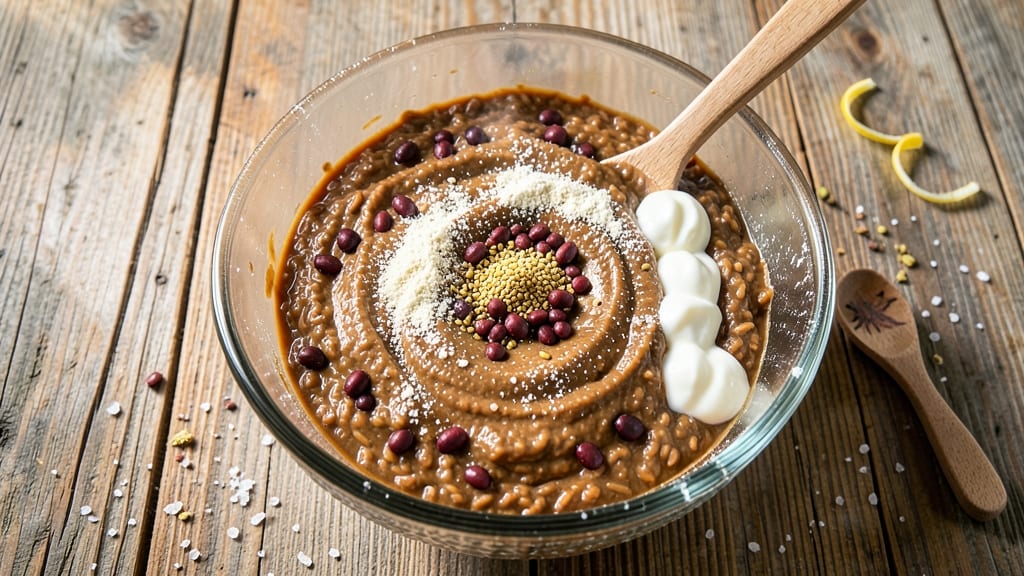
This brown rice dosa batter recipe transforms simple ingredients into crispy, fluffy dosas with South Indian authenticity. The key lies in soaking brown rice properly—its nutty flavor and texture elevate traditional dosas while keeping them vegan and nutrient-packed. Fermentation creates that signature lightness, though it requires patience and precise timing.
What makes this recipe special is the balance of crispy edges and tender centers, achieved through a well-ground batter and perfect cooking technique. Serve with sambar and coconut chutney for a complete, restaurant-quality meal. The process is straightforward but demands attention to detail—especially during fermentation and cooking.
Ingredients for brown rice dosa batter
Nutty brown rice meets fermented urad dal for South Indian crispy perfection—authentic yet vegan-friendly.
| Ingredient | Amount | Notes |
|---|---|---|
| Brown Rice 🌾 | 1 cup | Uncooked, rinsed well |
| Urad Dal (Black Gram) 🌱 | ½ cup | Split, rinsed thoroughly |
| Rice Flour 🌾 | ¼ cup | Fine texture preferred |
| Fresh Curds (Yogurt Substitute) 🥛 | ½ cup | Vegan coconut yogurt |
| Asafoetida (Hing) 🌶️ | ¼ tsp | Crushed between palms |
| Salt 🧂 | 1 tsp | Fine sea salt preferred |
| Water 💧 | 1 ½ cups | Room temperature |
| Coconut Oil 🥥 | ¼ cup | For cooking dosas |
| Fresh Cilantro Leaves 🌿 | ¼ cup | Chopped, for garnish |
| Green Chilies 🌶️ | 2 whole | Slit lengthwise, optional |
| Lemon Juice 🍋 | 1 tbsp | Freshly squeezed |
The brown rice is the star here—opt for short-grain varieties like Sonamasuri or Ponni for ideal texture. Indian grocery stores carry these reliably, or check the international section at Whole Foods. Urad dal should be split and rinsed to remove impurities, which prevents fermentation issues. For the yogurt substitute, So Delicious coconut yogurt works best—avoid thick varieties that won't blend smoothly. The asafoetida (hing) is non-negotiable for that signature dosa aroma, though a pinch of garlic powder can substitute in a pinch if unavailable.
No urad dal? Chana dal or moong dal can replace at a 1:1 ratio, though fermentation time may vary. Substituting rice flour? All-purpose flour works but lacks the authentic texture. The coconut yogurt can be swapped for vegan buttermilk if you prefer tangier flavor. For heat control, remove green chili seeds entirely or use red chili powder instead. Fresh cilantro is ideal, but dried cilantro powder at half the amount suffices if needed. Always use room-temperature water for blending—cold water weakens gluten development.
Ferment the batter overnight in a warm spot (like a turned-off oven with light on) for optimal rise. Stays fresh in the fridge for 3 days if covered tightly with plastic wrap pressed directly on the surface. For best results, cook dosas immediately after fermentation—reheating batter reduces crispiness. The coconut oil should be hot but not smoking when cooking, about 350°F. Portion batter into small bowls for easy handling during cooking.
Why You'll Love This Recipe
- No Soak, No Stress: I swear by this—just soak the brown rice and urad dal together overnight, then blend with curds and rice flour the next morning. No separate soaking, no extra bowls, and the batter still gets that perfect fermented tang without fuss.
- Creamy Crisp Magic: That pinch of asafoetida (hing) and the fresh curds work wonders—the dosas turn out with a crispy edge and a luscious, almost custard-like center. Honestly, it’s the kind of texture that makes you forget you’re eating something "healthy."
- Meal Prep MVP: Make a big batch on Sunday, and you’ve got breakfasts, lunches, or even snack plates covered for the week. I freeze portions too—just thaw and cook, no reheating drama. Perfect for when you’re swamped or just don’t feel like deciding what to eat.
- Budget-Friendly Powerhouse: Brown rice and urad dal stretch your rupee (or dollar) further than white rice dosas ever could. Between us, this recipe feeds my whole family for days, and the leftovers? They taste just as good the third time around. No waste, all flavor.
Step-by-step instructions for brown rice dosa batter
Master this fermented batter technique for light, fluffy dosas with a perfect balance of crisp and soft textures.
Soak the Grains and Legumes
Combine the 1 cup brown rice and 0.5 cup urad dal (black gram) in a large mixing bowl. Rinse both ingredients thoroughly under cold water to remove any surface starch. Add 1.5 cups room temperature water and stir gently to ensure all grains are submerged. Cover the bowl with a clean kitchen towel and let soak for 6-8 hours or overnight at room temperature.
I recommend soaking overnight for maximum fermentation, but a minimum of 6 hours works if you're short on time. The grains should swell noticeably and develop a slight tangy aroma when ready. This soaking step is critical—it breaks down the complex carbohydrates in brown rice, making the dosas digestible and fluffy rather than dense.
Grind to a Smooth Batter
After soaking, drain any excess water and transfer the soaked mixture to a wet grinder or high-powered blender. Add the 0.5 cup fresh curds (yogurt substitute) and 0.25 cup rice flour to the grinder. Grind in batches if needed, adding just enough water to achieve a smooth, pourable consistency—similar to heavy cream. The batter should be thin enough to flow easily but thick enough to coat the back of a spoon.
I prefer using a wet grinder for this step as it yields a smoother batter with fewer lumps. If using a blender, pulse in short bursts to avoid overheating the mixture. The batter should be cool to the touch after grinding—if it feels warm, let it rest for 5 minutes before proceeding. This resting period allows the starches to fully hydrate and the batter to reach the ideal temperature for fermentation.
Ferment the Batter
Transfer the ground batter to a clean, wide-mouthed container. Sprinkle the 1 tsp salt and 0.25 tsp asafoetida (hing) evenly over the surface, then gently fold them in using a silicone spatula. Cover the container with a damp kitchen towel or plastic wrap and let ferment at room temperature for 8-12 hours. The ideal fermentation temperature is between 75-85°F—warmer climates may require less time, while cooler climates might need up to 14 hours.
You'll know the batter is properly fermented when it rises noticeably, develops small bubbles on the surface, and emits a pleasant, slightly sour aroma. The batter should also feel noticeably lighter and more aerated when stirred. If fermentation occurs too quickly (within 4-5 hours), place the batter in the refrigerator to slow the process and prevent over-fermentation, which can make the dosas taste sour.
Prepare for Cooking
Once fermented, stir the batter gently to redistribute any settled ingredients. Add the 0.25 cup chopped fresh cilantro leaves, 2 slit green chilies, and 1 tbsp freshly squeezed lemon juice, folding them in lightly. The lemon juice adds brightness and helps balance the fermentation flavors. Let the batter rest for an additional 10 minutes at room temperature before cooking—this allows the flavors to meld and the batter to reach the perfect pouring consistency.
Heat a non-stick dosa pan or cast-iron skillet over medium-high heat. Add 1 tablespoon coconut oil and swirl to coat the entire surface evenly. The oil should shimmer but not smoke—this is the ideal temperature for creating those signature crispy edges. The batter is now ready to be poured and cooked into perfect dosas, with a crisp exterior and soft, fluffy interior that only proper fermentation can achieve.
Pro Tips For Making Brown Rice Dosa Batter
- SOAK URAD DAL 8 HOURS: Brown rice dosa batter needs a proper ferment, and skipping this step means your dosas will taste flat. I learned this the hard way—my first attempt with just 4 hours of soaking left me with a bland, gummy mess. Use warm water (not boiling) and let it sit uncovered for 8 hours minimum, then rinse and drain thoroughly before mixing.
- GRIND IN BATCHES: This isn’t the prettiest method, but it’s the tastiest. Brown rice and urad dal grind unevenly, so split them into two batches—one for the dal and one for the rice. Grind the dal first until it’s smooth, then add the rice and a splash of water to prevent overheating. The texture difference is noticeable when you skip this.
- FERMENT COOL, NOT HOT: Your kitchen will thank you for this one. After mixing the batter, let it sit in a warm spot (like a turned-off oven with the light on) for 2 hours first. Then refrigerate for 10–12 hours. The initial warm phase kickstarts fermentation, while the cold slows it down—preventing that sour, over-fermented smell and keeping the flavor balanced.
- ADD CURDS LAST: I was skeptical until I tried it: mix the fresh curds (or yogurt substitute) into the batter right before cooking, not during the initial fermentation. This keeps the batter light and prevents it from becoming too tangy or watery. Just stir in a cup of curds with a pinch of salt and hing right before pouring the dosas—your crispy edges will thank you.
Health benefits of this dish
Nutrient-Packed Base
Brown rice adds fiber, magnesium, and B vitamins that traditional white rice lacks, making your dosas more filling and nutrient-dense. A 1-cup serving of brown rice provides 3.5 grams of fiber—about 13% of your daily needs—while supporting digestive health.
The urad dal contributes plant-based protein and iron, crucial for energy and red blood cell production. 🌱
Fermentation Benefits
Fermenting the batter enhances probiotic content, improving gut health and nutrient absorption. The natural fermentation process breaks down phytic acid in grains, making minerals like iron and zinc more bioavailable.
Studies show fermented foods can boost digestion by up to 30% compared to unfermented versions. Plus, it creates that signature light, fluffy texture!
Gluten-Free & Vegan
This batter is naturally gluten-free and vegan, making it ideal for dietary restrictions. The combination of brown rice and urad dal provides complete protein—all essential amino acids your body needs.
For those avoiding gluten, this is a safe, flavorful alternative to wheat-based dosas. The coconut yogurt adds probiotics without dairy. ✨
Antioxidant Boost
Brown rice contains antioxidants like lignans and phenolic compounds that fight inflammation. The asafoetida (hing) adds sulfur compounds that may support respiratory health. Green chilies contribute capsaicin, which has been linked to metabolism-boosting effects. Every bite packs a nutritional punch!
Low Glycemic Index
Unlike white rice, brown rice has a lower glycemic index, helping stabilize blood sugar levels. This makes the dosas better for diabetics or anyone monitoring carb intake.
The fermentation process further reduces the glycemic impact, making these dosas a smart choice for balanced meals. Perfect for breakfast or lunch! 💪
Nutrition facts
Frequently asked questions
Why does brown rice make my dosas denser than white rice?
Brown rice has more fiber and bran layers that absorb water differently, creating a thicker batter. To prevent dense dosas, soak the brown rice for 8-12 hours and grind it thoroughly with urad dal for a smooth texture. The fermentation process also helps lighten the batter—don't skip this step! The result should be crispy edges with a fluffy interior, just like traditional dosas.
Can I make this batter without fermentation?
Yes, but your dosas won't be as light or flavorful. For a quick version, mix the soaked and ground batter with 1 tbsp lemon juice and 1 tsp baking soda right before cooking. This creates carbon dioxide for lift, though the texture won't match fermented dosas. Fermentation develops complex flavors and improves digestibility—worth the wait for the best results!
How do I fix batter that's too thick or too thin?
For thick batter, add 1-2 tbsp water at a time while mixing. If too thin, stir in 1-2 tbsp rice flour> until it reaches a creamy consistency. The ideal batter should coat the back of a spoon but flow freely when poured. Pro tip: Let the batter rest for 10 minutes after adjusting—this helps stabilize the texture before cooking.
What's the best way to store leftover batter?
Transfer batter to an airtight container and press plastic wrap directly on the surface to prevent a skin from forming. It stays fresh in the fridge for 3 days> or in the freezer for 1 month>. Thaw overnight in the fridge before using. For best results, cook dosas immediately after fermentation—reheating batter reduces crispiness. The fermentation process continues slowly in the fridge, so use within 3 days for optimal flavor.
Can I use this batter for other South Indian dishes?
This versatile batter works for rava dosas, adras, or even pancakes>. For rava dosas, reduce the brown rice to 0.5 cup> and add 0.5 cup semolina. For adras, spread the batter thin on a hot griddle and cut into triangles. The fermentation adds depth to any dish, though cooking times may vary slightly. Get creative with toppings like grated veggies or herbs!