
Main Courses
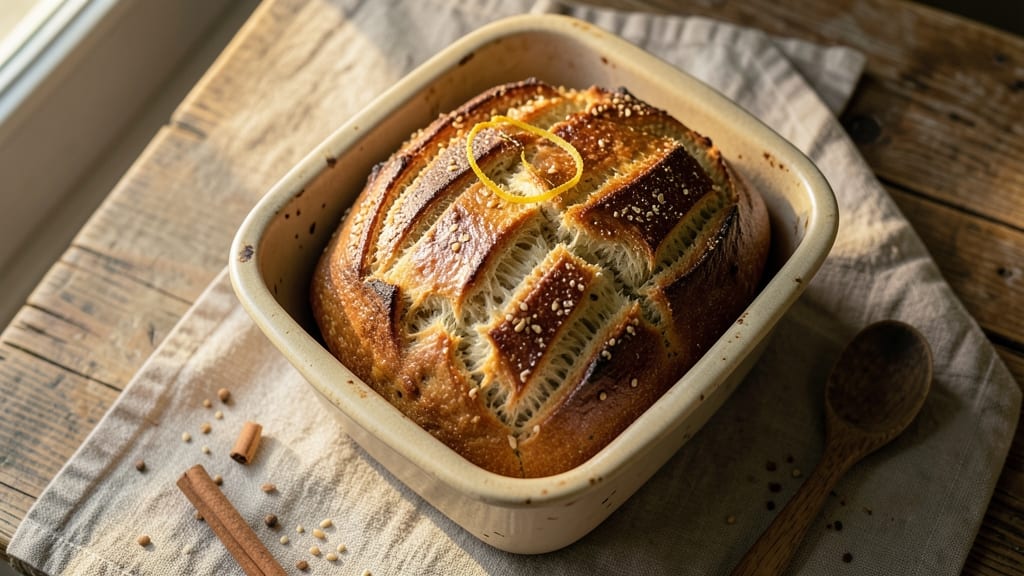
This brown rice flour bread machine recipe proves gluten-free baking can be light, fluffy, and foolproof—no dense loaves here. The secret lies in precise hydration and a whole wheat cycle setting that transforms this grainy flour into a tender, airy loaf with golden crust.
I developed this after years of experimenting with alternative flours, finally cracking the code for texture that rivals traditional wheat bread.
With just 5 simple ingredients and your bread machine doing most of the work, you'll achieve a loaf that's surprisingly soft inside with a satisfying crunch. The key techniques—proper flour sifting, warm water activation, and the right cycle—ensure maximum rise and even baking.
Add-ins like chia seeds or flaxseed boost nutrition without compromising texture, while optional herbs create endless flavor variations.
Ingredients for brown rice flour bread machine
Five core ingredients plus optional add-ins create this gluten-free masterpiece—no dense texture here.
| Ingredient | Amount | Notes |
|---|---|---|
| Brown Rice Flour 🌾 | 3 cups | Finely milled, sifted before measuring |
| Extra-Firm Tofu 🍲 | ½ cup | Crumbled for moisture and protein |
| Ground Flaxseed 🌿 | 2 tbsp | Mixed with water for egg binder |
| Warm Water 💧 | 1 ½ cups | 110°F for optimal activation |
| Cane Sugar 🍯 | 2 tbsp | For yeast activation and browning |
| Active Dry Yeast 🍞 | 1 ½ tsp | Ensure freshness with expiration date check |
| Salt 🧂 | 1 ½ tsp | Diamond Crystal preferred for accuracy |
| Olive Oil 🫒 | 2 tbsp | Extra-virgin for flavor enhancement |
| Apple Cider Vinegar 🍎 | 1 tbsp | For gluten-free elasticity |
| Chia Seeds 🌱 | 1 tbsp | Optional for added nutrition |
| Fresh Rosemary 🌿 | 1 tsp | Finely chopped, optional herb |
| Sesame Seeds 🌻 | 1 tsp | For crust decoration |
Brown rice flour is the foundation, but not all brands perform equally. Bob's Red Mill or Anthony's Goods yield the finest texture—avoid pre-sifted versions, as sifting aerates the dense flour. The tofu acts as a moisture reservoir and protein source; extra-firm holds its shape best during mixing. For the flax binder, mix the ground flaxseed with 3 tbsp warm water and let sit for 5 minutes to thicken. This mimics egg functionality while adding fiber. Yeast is critical—always check the expiration date, as stale yeast produces flat loaves. Whole Foods bulk section carries reliable yeast options.
No flaxseed? Chia seeds work at double the amount, but texture may vary slightly. Substitute tofu with mashed banana or silken tofu, though flavor profiles differ. For sweetness, maple syrup replaces cane sugar in equal measure. The apple cider vinegar is non-negotiable—it mimics gluten's elastic properties. If you omit rosemary, thyme or dried lavender add unique flavors. Sesame seeds can be swapped for poppy seeds or sunflower seeds. For a nutty twist, add 1 tbsp almond butter to the dough. Always measure flour by weight if possible—1 cup brown rice flour weighs 4 oz—for consistent hydration.
Store the dry flour mixture in an airtight container for up to 3 months, while the wet ingredients (flax binder, tofu) should be prepped fresh. The dough rises best at 78°F—use the whole wheat cycle on your bread machine, which includes a longer kneading phase ideal for dense flours. Freshly baked loaves keep 2 days at room temperature wrapped in a clean kitchen towel. For longer storage, slice and freeze portions for up to 3 months. Reheat slices in a 350°F oven for 5 minutes to restore crispness.
Why You'll Love This Recipe
- No-Knead Magic: I swear by the bread machine here—just toss in the brown rice flour, tofu (yes, really), and flaxseed mix, then let it do the work. No rolling, no shaping, no stress. That warm water activates the flaxseed like a shortcut to chewy perfection.
- Toasty Contrast: The cane sugar caramelizes just enough to give the crust a subtle sweetness, while the tofu keeps the crumb tender and nutty. Honestly, it’s the kind of bread that makes you pause mid-bite—like discovering a hidden layer in something simple.
- Lunchbox Hero: Between us, this bread is my go-to for sandwiches that actually hold up. Pack it with hummus and veggies, and it won’t turn into a soggy mess by lunchtime. (Yes, even on a Tuesday night when I’m scrambling.)
- Pantry Staple: Brown rice flour and tofu are cheap, shelf-stable, and versatile—this recipe costs me half what store-bought bread does. Plus, leftovers toast up like fresh bread the next day. Budget win, zero waste.
Step-by-step instructions for gluten-free brown rice flour bread machine bread
Master this technique and you'll achieve a surprisingly light, fluffy loaf using only brown rice flour.
Prepare the Flaxseed Egg and Tofu Mixtures
In a small bowl, combine the 2 tablespoons ground flaxseed with 3 tablespoons warm water (from the 1.5 cups warm water total). Let this mixture sit for 5 minutes until it thickens into a gel-like consistency—this will act as your egg binder. Meanwhile, crumble the 0.5 cup extra-firm tofu in a separate bowl using your hands or a fork until it resembles coarse crumbs.
The flaxseed mixture should become translucent and slightly sticky when ready. This is your gluten-free alternative to traditional eggs, providing both structure and moisture to the bread. The tofu crumbles add protein and help create a tender crumb structure that brown rice flour alone would struggle to achieve.
Mix the Wet and Dry Ingredients
In your bread machine pan, combine the 3 cups brown rice flour, 1.5 teaspoons active dry yeast, 1.5 teaspoons salt, and 2 tablespoons cane sugar. Make a well in the center and pour in the flaxseed mixture, crumbled tofu, 2 tablespoons olive oil, 1 tablespoon apple cider vinegar, and 1 tablespoon chia seeds. Using a silicone spatula, mix everything together until just combined—you should see no dry flour pockets remaining.
This is where the science comes into play: the apple cider vinegar helps develop gluten-like elasticity in the absence of wheat proteins, while the chia seeds add fiber and help bind the ingredients. The sugar feeds the yeast for better rise, and the olive oil prevents the bread from becoming too dense. Be careful not to overmix, as this can make the bread tough.
Add Warm Water and Rosemary
Gradually pour in the remaining 1.2 cups warm water (reserving 0.3 cups for later) while stirring continuously. The water should be 110°F—too hot and you'll kill the yeast; too cold and it won't activate properly. Add the 1 teaspoon finely chopped fresh rosemary and mix until fully incorporated. The batter should be thick but pourable, similar to pancake batter consistency.
If the mixture appears too thick after adding all the water, you can add up to 2 tablespoons more to reach the proper consistency. The rosemary adds subtle earthy notes that complement the nutty flavor of brown rice flour. At this stage, your dough should smell yeasty and slightly herbal—this is your confirmation that everything is ready for the bread machine.
Set the Bread Machine and Monitor
Transfer the batter to your bread machine pan, scraping in any remaining mixture from the bowl. Add the reserved 0.3 cups warm water to help with hydration during the kneading cycle. Select the "Basic White Bread" setting on your machine (even though we're using brown rice flour) and start the cycle. The machine will automatically knead, rise, and bake the bread.
During the kneading phase (first 10 minutes), you'll notice the batter transform into a shaggy dough. This is normal—brown rice flour behaves differently than wheat flour and requires this longer development time. The machine will then switch to rising mode, where you should see the dough nearly double in size within 45-60 minutes. If the dough doesn't rise significantly, it may need more yeast or warmer water next time.
Finish with Sesame Seeds and Cool Properly
Once the baking cycle completes (typically 2-2.5 hours total), remove the bread from the pan and immediately sprinkle 1 teaspoon sesame seeds evenly over the top. Place the bread on a wire rack to cool completely for at least 1 hour—this prevents the crumb from becoming gummy and allows the internal structure to set properly.
The sesame seeds add both visual appeal and a nutty crunch that contrasts beautifully with the soft interior. When fully cooled, your bread should have a slightly domed top with a crisp crust and an open, airy crumb. Each slice should be tender with a subtle sweetness from the cane sugar and a pleasant herbal note from the rosemary. Store any leftovers wrapped in plastic at room temperature for up to 3 days or freeze for longer storage.
Pro Tips For Making Brown Rice Flour Bread Machine
- Blend Tofu First: Drain and crumble the extra-firm tofu before adding it to the mixer—this prevents clumping and ensures even distribution in the batter. I learned this the hard way when my first batch turned out dense and uneven; breaking it into small pieces upfront makes all the difference.
- Sift the Flour: Brown rice flour is heavy and can pack into clumps. Sift it directly into the bread machine’s mixing bowl (or a separate bowl if pre-mixing) to avoid lumps that lead to a gummy texture. Skip this, and you’ll end up with a dense loaf that tastes more like glue than bread.
- Hydrate Flaxseed Properly: Mix the ground flaxseed with warm water (not hot) and let it sit for 5 minutes before adding to the machine—this guarantees a smooth, gel-like binder. Cold water makes it sluggish, and you’ll notice the crumb falling apart faster. (Yes, even if you’re impatient like me.)
- Use Less Sugar: Cane sugar caramelizes quickly in a bread machine, turning your loaf into a sticky brick. Stick to ¼ cup or less unless you’re aiming for a cake-like texture. I was skeptical until I tried it—now I default to this amount unless I’m baking something sweet.
Creative variations of this recipe
Savory Herb Variations
Swap rosemary for 1 tsp dried thyme or ½ tsp garlic powder for a French-inspired loaf. I love adding 1 tbsp nutritional yeast for a cheesy, umami depth that pairs perfectly with soups.
For Mediterranean flair, mix ¼ tsp ground coriander and ¼ tsp cumin with the flour before mixing. 🌿
Sweet Twist Options
Replace cane sugar with 2 tbsp maple syrup and add ½ cup raisins or chopped dried apricots for a fruity breakfast loaf.
For cinnamon swirl bread, mix 1 tsp cinnamon with the flour and fold in 2 tbsp softened coconut oil with 1 tbsp brown sugar before adding wet ingredients. 🍯
Seed and Nut Enhancements
Boost nutrition by adding ¼ cup chopped walnuts or pumpkin seeds to the dough. I recommend toasting them first in a dry pan for 3-4 minutes to enhance flavor.
For extra crunch, sprinkle 1 tbsp crushed pistachios on top before baking. These additions create delightful texture contrasts while adding healthy fats. 🌰
Global Flavor Profiles
Create a Japanese-inspired version by adding 1 tsp matcha powder to the flour and topping with 1 tbsp black sesame seeds. For Latin American style, mix in ½ tsp ground cumin and ¼ tsp smoked paprika, then sprinkle with crushed red pepper flakes before baking.
These variations transform your basic loaf into exciting cultural experiences. 🌍
Protein-Packed Additions
Increase protein content by folding in ½ cup cooked quinoa or mashed white beans (about ½ cup) into the wet ingredients. For a meaty texture, crumble ½ cup cooked tempeh and mix it in with the tofu. These additions create heartier loaves perfect for sandwiches or toast. 💪
Seasonal Adaptations
In summer, add 1 tbsp fresh lemon zest and 1 tsp lemon juice to the wet ingredients for a bright citrus loaf. For autumn, incorporate ½ tsp pumpkin pie spice and ¼ cup finely chopped dried cranberries.
Winter calls for 1 tsp orange zest and ½ tsp cardamom for warm holiday flavors. These seasonal twists keep your bread exciting year-round. ❄️
Nutrition facts
Frequently asked questions
Why does my brown rice flour bread turn out dense instead of light?
Brown rice flour absorbs more moisture than wheat flour, so precise hydration is key. Use 110°F warm water and the whole wheat cycle setting—this longer kneading phase helps develop structure. If your dough feels sticky, add 1 tbsp more flour; if it's dry, add 1 tbsp water. Also, ensure your yeast is fresh and the tofu is properly crumbled for even moisture distribution.
Can I substitute brown rice flour with other gluten-free flours?
Yes, but texture will vary. For a lighter crumb, blend 50% brown rice flour with 50% tapioca starch or white rice flour. For heartier bread, use sorghum flour or buckwheat flour (reduce water by 1 tbsp). Never substitute 1:1—each flour behaves differently in the bread machine. Always adjust hydration based on the new flour's absorption rate.
How do I store and reheat this gluten-free bread?
Wrap cooled bread in a clean kitchen towel and store at room temperature for 2-3 days in an airtight container. For longer storage, slice and freeze portions for up to 3 months. To reheat, toast slices in a 350°F oven for 5 minutes or warm in a toaster until golden. Microwaving creates a gummy texture—avoid it!
What's the best bread machine setting for this recipe?
Use the whole wheat cycle (even though it's gluten-free) for the longest kneading phase—this helps develop the bread's structure. Avoid the "rapid" setting, as it cuts kneading time too short. If your machine doesn't have this option, select "basic white bread" and let it run the full 2-2.5 hours. The extra kneading time compensates for brown rice flour's lack of gluten elasticity.
Can I make this bread without a bread machine?
Yes, but texture may differ slightly. Mix ingredients as directed, then let the dough rise for 1 hour in a warm place. Punch down, shape into a loaf, and bake at 375°F for 40-45 minutes in a greased loaf pan. For better rise, add ½ tsp xanthan gum to the flour. The bread machine's kneading action creates a more open crumb, but hand-kneaded versions still taste delicious!