
Salads
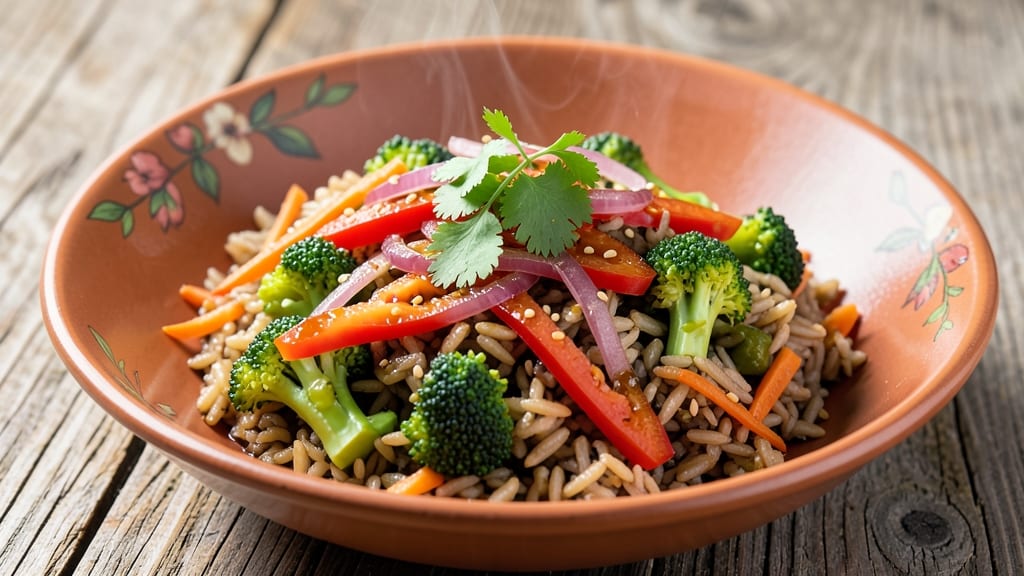
This one-pot brown rice mixed vegetables recipe transforms weeknight dinners into effortless, nutrient-packed meals with minimal cleanup.
The secret lies in combining chewy brown rice with vibrant vegetables—carrots, bell peppers, and broccoli—in a single pot, where they cook together to create a perfectly balanced dish that’s as healthy as it is satisfying.
What sets this recipe apart is its foolproof one-pot method, which eliminates the need for multiple pans and saves time.
Brown rice simmers alongside the vegetables, absorbing their natural flavors while maintaining its nutty texture, resulting in a dish that’s hearty enough for a main course but simple enough for meal prep. The vegetables stay crisp-tender, and the rice remains fluffy, making every bite both wholesome and delicious.
Ingredients for brown rice mixed vegetables
Brown rice and vibrant vegetables combine in this one-pot vegetarian masterpiece for effortless, nutrient-rich weeknight meals.
| Ingredient | Amount | Notes |
|---|---|---|
| Long-Grain Brown Rice 🌾 | 1 cup | Uncooked, rinsed thoroughly |
| Vegetable Broth 💧 | 2 ½ cups | Low-sodium preferred |
| Carrots 🥕 | 1 ½ cups | Baby or julienned for even cooking |
| Bell Peppers 🧅 | 1 ½ cups | Assorted colors, diced |
| Broccoli Florets 🥦 | 2 cups | Fresh or frozen, cut into bite-size |
| Red Onion 🧅 | 1 whole | Medium, finely diced |
| Garlic Cloves 🧄 | 3 cloves | Minced for aromatic depth |
| Extra-Virgin Olive Oil 🫒 | 1 tbsp | Cold-pressed for flavor |
| Diamond Crystal Kosher Salt 🧂 | ¾ tsp | Adjust to taste |
| Fresh Thyme Leaves 🌿 | ¼ cup | Or 1 tsp dried thyme |
| Fresh Parsley Leaves 🌿 | ¼ cup | Chopped for garnish |
| Lemon Zest 🍋 | 1 tsp | Brightens the dish |
The brown rice is the foundation—opt for jasmine or short-grain varieties if you prefer stickier texture, but long-grain holds its shape best for this dish. Trader Joe's and Whole Foods carry excellent organic options, but any quality brand works. For the vegetables, fresh broccoli is ideal, though frozen florets (thawed) offer convenience without sacrificing texture. The bell peppers should be firm and brightly colored—red and yellow varieties add natural sweetness that complements the earthy rice. Carrots with vibrant orange hue indicate peak sweetness, and baby carrots eliminate prep time entirely.
No fresh thyme? Dried thyme at one-third the amount works perfectly, though fresh imparts a brighter flavor. Substitute bell peppers with zucchini or snap peas for seasonal variety, but maintain the 1.5-cup total volume. The vegetable broth can be swapped for water plus 1 tsp vegetable bouillon in a pinch, though homemade broth elevates the dish significantly. For extra protein, add 1 cup cooked chickpeas or lentils to the pot during the final 10 minutes of cooking. The lemon zest can be omitted if you prefer a milder flavor, but it adds a refreshing contrast to the earthy vegetables.
This dish reheats beautifully—simply add 2-3 tablespoons of water and cover for 5-10 minutes. Stores in the refrigerator for 4-5 days in an airtight container, maintaining its crisp-tender vegetable texture. For meal prep, divide into 4 portion-sized containers before storing to ensure even reheating. Freezes for up to 3 months, though the vegetables may soften slightly upon thawing. To preserve freshness, store the lemon zest separately and add it fresh when serving.
Why You'll Love This Recipe
- One-Pot Magic: I swear by this recipe—just toss everything in one pot, walk away, and come back to perfectly cooked rice and veggies. No separate pans, no fuss, and zero cleanup beyond one spoon.
- Chewy-Crisp Texture: That al dente brown rice paired with tender-crisp broccoli and slightly charred bell peppers? Honestly, it’s the best of both worlds—creamy in the middle, satisfying bite at the edges. (Yes, even my picky husband finishes his plate.)
- Meal Prep MVP: Between us, this is my go-to for lunches all week. The flavors only get better as it sits, and reheating? Just add a splash of broth and microwave—no soggy rice, no sad veggies.
- Budget-Friendly Staple: Brown rice and frozen veggies (or whatever’s on sale) stretch this into five servings for pennies. I’ll be real: it’s the kind of dish that makes me feel like I’m feeding a crowd without breaking the bank.
Step-by-step instructions for brown rice and mixed vegetables
This one-pot method delivers perfectly cooked brown rice with tender vegetables in a single pot.
Sauté the Aromatics and Vegetables
Heat the 1 tablespoon extra-virgin olive oil in a large pot over medium-high heat until shimmering. Add the 1 whole red onion and 1.5 cups bell peppers (diced), cooking for 5-6 minutes until the onions soften and the peppers begin to caramelize slightly. This foundational step builds flavor through the Maillard reaction.
Add the 1.5 cups carrots (julienned or baby) and 3 cloves garlic (minced) to the pot, stirring for 2 minutes until fragrant. The garlic should sizzle audibly without burning. This ensures the vegetables develop a rich, sweet depth before the rice and broth are introduced. The vegetables should be tender but still retain their shape—overcooking at this stage will make them mushy later.
Toast the Brown Rice
Add the 1 cup long-grain brown rice to the pot and stir to coat the grains evenly in the oil and vegetables. Toast the rice for 2-3 minutes until lightly golden—this step enhances the nutty flavor of the brown rice and prevents a pasty texture. You'll notice the rice starts to release starches, which will later help bind the dish together.
Here's the thing—don't skip this toasting step. It's what transforms bland rice into flavorful rice. The rice should smell toasty and slightly nutty, with a few grains beginning to turn translucent at the edges. If it smells raw, continue toasting for another 30 seconds.
Add Broth and Simmer
Pour in the 2.5 cups vegetable broth and bring the mixture to a gentle boil. Once boiling, reduce heat to low and cover the pot with a tight-fitting lid. The liquid should just barely bubble at the edges—this ensures even cooking without scorching. Simmer for 30 minutes, then check the rice.
I've found that brown rice benefits from this initial simmering period to hydrate fully. After 30 minutes, the rice should have absorbed most of the liquid but still have a slight bite. If the rice looks undercooked, add ¼ cup water and continue simmering for another 10 minutes. The rice is done when it's tender but still has a slight resistance in the center.
Incorporate Herbs and Finish Cooking
Uncover the pot and stir in the 0.25 cup fresh thyme leaves and 0.75 teaspoon diamond crystal kosher salt. Simmer uncovered for another 5-7 minutes to allow the flavors to meld and any remaining liquid to evaporate. The thyme will release its earthy aroma, and the salt will enhance all the natural flavors in the dish.
Finally, add the 2 cups broccoli florets and 1 teaspoon lemon zest to the pot. Cover and simmer for 5-7 minutes until the broccoli is tender-crisp. The lemon zest brightens the entire dish, cutting through the richness of the vegetables and rice. The broccoli should retain its vibrant green color and slight crunch—this indicates perfect doneness.
Rest and Serve
Remove the pot from heat and let the mixture rest, covered, for 5 minutes. This resting period allows the rice to finish absorbing any remaining liquid and the flavors to settle. I know it's tempting to serve immediately, but this step ensures each bite is perfectly balanced.
Fluff the rice gently with a fork, then garnish with 0.25 cup fresh parsley leaves (chopped) for a pop of color and freshness. Serve immediately while the vegetables are still vibrant and the rice maintains its texture. This one-pot meal prep masterpiece yields 4 servings of nutritious, flavorful rice with mixed vegetables that reheat beautifully for meal prep.
Pro Tips For Making Brown Rice Mixed Vegetables
- TOAST THE RICE FIRST: Brown rice has a stubborn outer shell that soaks up water like a sponge. Toss it in a dry pan over medium-high heat for 2-3 minutes until it smells nutty and the edges turn golden—this prevents gummy rice later. (Yes, even if you’re impatient like me, resist the urge to skip this.)
- CUT VEGETABLES UNIFORM: Broccoli florets, carrot sticks, and bell pepper chunks should all be roughly the same size—aim for 1-inch pieces. Uneven cuts mean some veggies turn mushy while others stay crunchy. I learned this the hard way after serving a plate where the carrots were still al dente and the peppers were sad, limp things.
- SIMMER, DON’T BOIL: Brown rice needs gentle heat to cook through without turning into paste. Once the liquid comes to a boil, drop the heat to low and let it bubble just enough to see tiny bubbles at the edges. High heat = burnt bottom, low heat = perfect texture. (Your future self will notice the difference.)
- ADD BROTH IN STAGES: Dumping all the vegetable broth at once leads to soggy rice. Start with half the liquid, let it absorb for 10 minutes, then add the rest. This keeps the grains separate and prevents a watery mess. (And no, you can’t just eyeball it—measure it.)
Essential equipment for this recipe
One-Pot Essentials
Your large pot with lid is the MVP of this recipe—opt for a 5-6 quart Dutch oven like the Le Creuset Stoneware or a stainless steel pot with even heat distribution.
The lid must fit snugly to trap steam and cook the rice perfectly. I swear by my All-Clad Stainless Steel pot for its durability and heat control. 🔥
Vegetable Prep Tools
A sharp chef's knife and cutting board are non-negotiable for efficient prep. I recommend a Wüsthof Classic Ikon knife for its razor-sharp edge and balanced weight. For baby carrots or julienned veggies, a mandoline like the Benedict Mandoline saves time and ensures even slices.
Prep all veggies before cooking to streamline the process.
Measuring Precision
Use a stainless steel measuring cup for the 1 cup brown rice and a fine-mesh strainer to rinse it thoroughly—this removes excess starch that can make rice gummy. A digital kitchen scale (like the OXO Good Grips) ensures accuracy for herbs and spices.
For broth, a liquid measuring cup with markings for 2.5 cups makes pouring effortless.
Heat Control Helpers
A kitchen thermometer (I love the Thermoworks Thermapen) monitors pot temperature—ideal range is 200-212°F for even cooking. For stovetop control, a silicon pot holder protects your hands when adjusting heat.
If your stove lacks precise temperature control, a slow cooker (like the Instant Pot Duo) can handle the simmering steps with minimal attention.
Storage Solutions
For meal prep, glass airtight containers (like Pyrex Simply Store) keep flavors fresh for 4-5 days. Divide into 4 portions before storing to maintain texture.
A vacuum sealer (like the FoodSaver) extends freezer life to 3 months while preventing freezer burn. Label containers with dates to track freshness.
Garnish Extras
Fresh herbs like parsley and thyme deserve a small pair of kitchen shears for quick chopping. A microplane (like the Benedict Microplane) creates fine lemon zest without overpowering the dish. For extra flair, keep a sprinkle of sesame seeds or toasted almonds on hand to add crunch and protein.
Nutrition facts
Frequently asked questions
Can I substitute white rice for brown rice in this recipe?
While you can use white rice, the cooking time and texture will differ significantly. White rice cooks in 20-25 minutes and produces a softer, less nutty result. For best flavor and nutrition, stick with brown rice—but if you're short on time, use a 1:1.5 rice-to-broth ratio and reduce simmering to 15 minutes after adding broth. The vegetables may need 2-3 extra minutes to finish cooking.
What vegetables can I swap in if I don't like broccoli or bell peppers?
This recipe is flexible! Try zucchini, snap peas, or green beans for extra crunch, or mushrooms and spinach for an earthier flavor. Maintain the 4 cups total vegetable volume and adjust cooking times—delicate veggies like spinach should go in during the final 5 minutes of simmering. For heartiness, add 1 cup cooked quinoa or lentils to replace some rice.
Why does my brown rice turn out mushy?
Mushy rice usually happens from overcooking or insufficient toasting. Always rinse the rice thoroughly before cooking to remove excess starch, and toast it for 2-3 minutes in the pot before adding broth. Use a tight-fitting lid and maintain a low simmer—never a rolling boil. If the pot lacks a lid, reduce simmering time by 5-7 minutes and check for doneness early.
Can I make this recipe in an Instant Pot or rice cooker?
For an Instant Pot, sauté the aromatics and rice as directed, then add 2.5 cups broth and cook on High Pressure for 10 minutes. Quick-release the pressure, stir in thyme, and add broccoli for 3-4 minutes on Sauté. In a rice cooker, follow the same steps but use 2.75 cups broth and cook on Brown Rice setting—add broccoli during the last 5 minutes.
How do I make this gluten-free or soy-free?
For gluten-free, ensure your broth and soy sauce (if using) are certified gluten-free. Replace regular soy sauce with tamari or coconut aminos. For soy-free, omit soy sauce entirely and boost flavor with extra garlic, lemon zest, or a splash of balsamic vinegar. The recipe is naturally gluten-free and soy-free as written—just check ingredient labels for hidden additives.