
Desserts
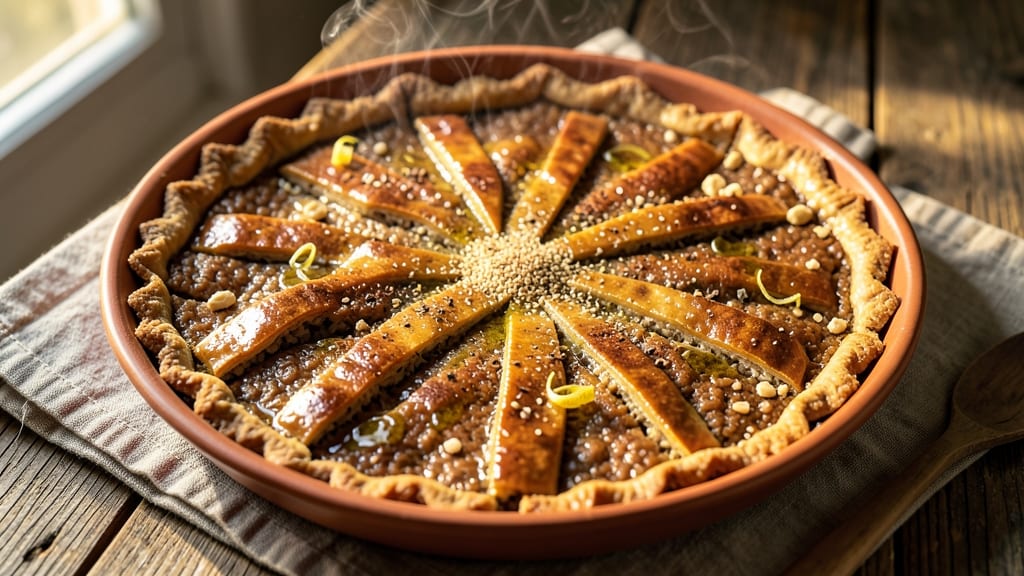
This brown rice pie crust recipe delivers the nutty, grainy crunch of a traditional crust without a single grain of wheat or dairy. Perfect for vegan desserts, this plant-based alternative creates a sturdy, flavorful base that holds up to both sweet fillings and savory applications like quiches.
The secret lies in the right balance of rice flour, oil, and cold water—no butter or eggs required.
Unlike delicate wheat-based crusts, brown rice flour creates a slightly denser, more robust texture that stays crisp even when filled with juicy fruit or creamy custards. The nutty flavor adds depth to pies, tarts, or even savory hand pies, making it a versatile choice for both beginners and experienced bakers.
Because rice flour absorbs moisture differently, we’ll focus on proper mixing and chilling techniques to ensure a smooth, rollable dough.
The result is a perfectly balanced crust—crisp on the edges, tender enough to hold fillings without crumbling, and packed with the earthy sweetness of brown rice. Whether you’re baking a classic apple pie, a rich chocolate tart, or a savory galette, this crust delivers restaurant-quality texture without compromising dietary preferences.
Ready to transform your desserts?
For extra flavor, consider adding a pinch of cinnamon, cardamom, or even nutritional yeast to the dough. The possibilities are endless, and the crust itself requires just 10 minutes of prep and 15 minutes of baking—making it the ideal shortcut for impressive, plant-based desserts.
Ingredients for brown rice pie crust
Nine simple ingredients transform into a sturdy, nutty crust that holds desserts beautifully.
| Ingredient | Amount | Notes |
|---|---|---|
| Brown Rice Flour 🌾 | 1 ½ cups | Finely milled for smooth texture |
| Extra-Virgin Olive Oil 🫒 | ½ cup | Cold-pressed for best flavor |
| Cold Water 💧 | ½ cup | Chilled for crispier crust |
| Ice Water ❄️ | ¼ cup | For final dough binding |
| Sugar 🍚 | 1 tbsp | Granulated, balances sweetness |
| Salt 🧂 | ½ tsp | Fine sea salt preferred |
| Nutritional Yeast 🧀 | 2 tbsp | For umami depth (optional) |
| Ground Cinnamon 🌿 | ½ tsp | Enhances nutty flavor |
| Ground Cardamom 🌿 | ¼ tsp | Subtle aromatic warmth |
| Flaxseed Meal 🌱 | 1 tbsp | Binds dough like egg |
| Cold Vegan Butter Substitute 🧈 | 2 tbsp | Plant-based, chilled solid |
Brown rice flour is the star here—Bob's Red Mill or Anthony's Goods brands deliver the finest grind for a silky texture. The key is using cold water throughout; room temperature water makes the dough gummy. For the oil, extra-virgin olive oil adds subtle fruitiness, but any neutral oil works. If you can't find brown rice flour, white rice flour in a pinch (though texture will be slightly lighter). The nutritional yeast gives that cheesy depth without dairy—Bragg is my go-to brand, but any fortified version works. Store your flour in the freezer to prevent rancidity, especially if you're not using it often.
No flaxseed meal? Chia seeds soaked in water (1 tbsp chia + 3 tbsp water = 1 tbsp flax) does the trick. Skipping the spices? The crust will still work, but the cinnamon and cardamom really make it sing. For extra richness, add 1 tbsp vegan butter substitute>—just make sure it's fully chilled before mixing. The dough will feel dry at first, but don't overwork it; rice flour absorbs moisture differently than wheat. If your dough cracks when rolling, let it rest 10 minutes before handling. And yes, you can freeze the dough for up to 3 months—just thaw completely before baking.
This dough keeps 5 days in the fridge wrapped tightly in plastic. For best results, chill the rolled crust 30 minutes before baking—it prevents shrinking. The crust reheats beautifully, making it perfect for leftover pie slices. Store baked crusts in an airtight container at room temperature for 3 days, or freeze for 2 months. Pro tip: Brush the baked crust with a little olive oil before filling to keep it moist. The nutty flavor actually improves overnight, so leftovers taste even better the next day.
Why You'll Love This Recipe
- No Fuss, No Mess: I swear by this crust—just pulse flour, oil, and ice water in a food processor until it clumps. No rolling, no stress, and the dough stays cool enough to handle without sticking to your fingers (or your counter).
- Nutty Crunch, Golden Edge: That brown rice flour gives it a toasty, almost caramelized depth when baked, with just enough sugar to keep it tender inside. It’s not sweet—it’s subtly good, like a grown-up version of pie crust that doesn’t skimp on flavor.
- Pie for Any Occasion: Use it for sweet pies (think spiced apple or chocolate cream) or savory galettes—it holds up to both. Honestly, I’ve even made mini hand pies with it, and they’re still crisp the next day. (Yes, even on a Tuesday night.)
- Budget-Friendly Staple: Brown rice flour is cheaper than all-purpose, and this crust stretches further than most. Plus, leftovers? Toss them in the freezer and reheat for a crispy snack—no one will guess it’s "pie crust" until you tell them.
Step-by-step instructions for brown rice pie crust
This nutty, grain-based crust delivers perfect balance—crisp edges, tender crumb, and no flakiness.
Mix Dry Ingredients for Even Texture
In a large mixing bowl, combine the 1.5 cups brown rice flour, 2 tablespoons nutritional yeast, 0.5 teaspoon salt, 0.5 teaspoon ground cinnamon, and 0.25 teaspoon ground cardamom. Whisk vigorously for 30 seconds until the spices are evenly distributed and no flour pockets remain. The nutritional yeast adds umami depth while the spices enhance the nutty flavor profile of the brown rice flour.
This step ensures your crust has a uniform texture without gritty spots. If you're using freshly milled brown rice flour, sift it lightly through a fine-mesh strainer to break up any lumps before mixing. The spices should disappear completely into the flour—you want the final crust to taste aromatic, not speckled.
Combine Wet Ingredients for Smooth Dough
In a separate bowl, whisk together the 0.5 cup extra-virgin olive oil, 0.5 cup cold water, 1 tablespoon sugar, and 1 tablespoon flaxseed meal. Let the mixture sit for 2 minutes while the flaxseed meal forms a gel-like consistency, acting as your egg substitute. Then, add the 2 tablespoons cold vegan butter substitute and mix until fully incorporated.
The cold water and vegan butter substitute are critical here—they create a stable dough without requiring refrigeration. The olive oil provides moisture and richness, while the sugar balances the nutty flavor. This mixture should be thick but pourable, similar to pancake batter. If it feels too thick, add 1 tablespoon ice water to adjust consistency.
Hydrate the Dough for Perfect Crust Structure
Gradually pour the wet ingredients into the dry ingredients while mixing with a wooden spoon or silicone spatula. Stir until a shaggy dough forms, then add the 0.25 cup ice water in small increments, mixing thoroughly after each addition. The dough should come together into a soft, pliable ball that's slightly tacky but not sticky.
Here's the thing—this dough behaves differently than traditional pie crusts. It won't be stiff or crumbly; instead, it'll be more like a thick cookie dough. If it feels too dry, add another 1 teaspoon ice water. If it's too sticky, sprinkle in 1 tablespoon brown rice flour. The goal is a dough that holds together when pressed but isn't resistant to shaping.
Chill and Roll for Crispy Perfection
Divide the dough into two equal portions and flatten each into a 6-inch disk about ¼-inch thick. Wrap each disk tightly in plastic wrap and refrigerate for at least 30 minutes (up to 2 hours). Chilling firms up the dough, making it easier to roll out without cracking.
When rolling, work on a lightly floured surface and use a rolling pin to gently press the dough into a 9-inch circle about ⅛-inch thick. The edges should be slightly thicker than the center to prevent shrinking during baking. If the dough resists rolling, let it rest at room temperature for 5 minutes before continuing. The final crust should be smooth but still hold its shape when transferred to your pie dish.
Blind-Bake for Structural Integrity
Preheat your oven to 375°F. Fit the crust into a 9-inch pie dish, pressing gently to adhere to the sides. Cut a 12-inch circle of parchment paper and place it over the crust. Fill the center with dried beans or pie weights to prevent puffing. Bake for 15 minutes, then remove the weights and parchment, and bake for an additional 10-12 minutes until the edges are golden brown and the crust feels set to the touch.
This blind-baking step is non-negotiable—it prevents a soggy bottom when filling your pie. The crust should be fully set but not dark brown. If the edges brown too quickly, cover them loosely with aluminum foil. For a glossy finish, brush the baked crust with a thin layer of melted vegan butter substitute before adding your filling. The result? A crisp, nutty crust that holds its shape perfectly under any dessert filling.
Pro Tips For Making Brown Rice Pie Crust
- CHILL THE FLOUR FIRST: Brown rice flour gets gummy fast—pop it in the freezer for 10 minutes before mixing. I learned this the hard way when my first batch turned into a sticky mess instead of a crisp crust. Cold flour means better texture, especially with olive oil’s natural warmth.
- USE ICE WATER SPARINGLY: That ice water isn’t just for show—it’s for structure, but too much makes the crust dense. Start with 1/4 cup ice water, then add more only if the dough cracks when pressed. (Yes, even if you’re impatient like me.)
- PRESS THE CRUST EVENLY: Skip the rolling pin—wet your hands and press the dough into the pan with your fingers for an even, tender crust. Uneven pressure leads to thick spots that burn while the rest stays doughy. It takes 2 minutes but saves 10 minutes of fixing later.
- LET IT REST AFTER PRESSING: Give the crust a solid 5 minutes under foil before baking—no peeking. This lets the flour absorb the olive oil properly, so it doesn’t shrink or crack when it hits the oven. I know, I know, but trust the process.
Serving suggestions for this recipe
Sweet Dessert Pairings
This nutty crust shines with classic apple pie—toss 6 cups peeled, sliced apples with 2 tbsp lemon juice, 3 tbsp maple syrup, and 1 tsp cinnamon before filling. The brown rice flour’s earthiness complements tart apples beautifully.
For a chocolate tart, spread 1.5 cups vegan chocolate ganache (melt 8 oz vegan dark chocolate with ½ cup coconut cream) over the baked crust and chill for 2 hours before slicing. 🍏
Savory Applications
Transform this crust into a savory galette by filling with 1 cup sautéed mushrooms, ½ cup caramelized onions, and ½ cup vegan gruyère-style cheese. Brush the baked crust with olive oil before adding filling for extra crispiness.
For a vegan quiche, whisk 4 eggs (or 4 tbsp flax eggs) with 1 cup vegan cream, 1 cup spinach, and ½ cup vegan cheese, then pour into the crust and bake at 375°F for 30 minutes.
Garnish Game-Changers
Top baked crusts with toasted coconut flakes for a tropical twist—sprinkle ¼ cup over the pie before baking. A drizzle of date syrup (about 2 tbsp) adds caramelized sweetness to fruit pies.
For a herbaceous finish, sprinkle 1 tbsp chopped fresh thyme or rosemary over savory applications just before serving. The nutty base pairs surprisingly well with these bright flavors. ✨
Make-Ahead Serving
Assemble your pie or tart 24 hours ahead and refrigerate—this crust holds up beautifully. Reheat slices in a 350°F oven for 5-7 minutes to crisp the edges.
For freezer-friendly pies, bake the crust, fill, and freeze the entire pie (unbaked) in an airtight container for up to 2 months. Thaw overnight in the fridge before baking as directed. The nutty flavor actually deepens over time! ❄️
Presentation Tips
Use a ring mold (like Wilton’s 9-inch tart pan) to create clean-edged tarts perfect for plating. For rustic appeal, cut the pie into uneven wedges with a serrated knife and arrange on a wooden board. Dust with powdered sugar or cocoa powder for a professional finish.
The crust’s golden edges make it ideal for instant-pot pies—just transfer the baked crust to a pot with filling and steam for 20 minutes on high pressure. 🍽️
Nutrition facts
Frequently asked questions
Why does brown rice pie crust taste nutty?
The nutty flavor comes from the brown rice flour itself, which contains more natural oils than white rice flour. The nutritional yeast and cinnamon in the recipe enhance this earthy taste, making it perfect for both sweet and savory pies. Think of it as a delicious alternative to traditional buttery crusts!
Can I make this crust without flaxseed meal?
Yes! Use 1 tbsp chia seeds soaked in 3 tbsp water as a 1:1 substitute—they create the same binding effect. If you're completely avoiding seeds, try 1 tbsp ground psyllium husk mixed with 2 tbsp water instead. The dough will still hold together, though the texture may be slightly firmer.
Will this crust work for savory pies like quiche?
The nutty flavor actually pairs beautifully with savory fillings. For quiche, try a mix of spinach, mushrooms, and vegan cheese. Brush the baked crust with olive oil before adding filling to keep it extra crisp. The sturdy texture holds up perfectly under creamy fillings.
My dough cracked when rolling—what went wrong?
This happens when the dough isn't properly chilled or is too dry. Let the dough rest 10 minutes at room temperature before rolling, and keep your rolling surface lightly floured. If it still cracks, add 1 tsp ice water and knead gently. The key is patience—rice flour dough needs more handling than wheat-based crusts.
How do I store leftover crust?
Wrap baked crust tightly in plastic wrap or foil and store at room temperature for 3 days. For longer storage, freeze the crust (unbaked) for up to 3 months. Thaw overnight in the fridge before using. Unbaked dough keeps 5 days in the fridge—just let it come to room temperature before rolling.