
Main Courses
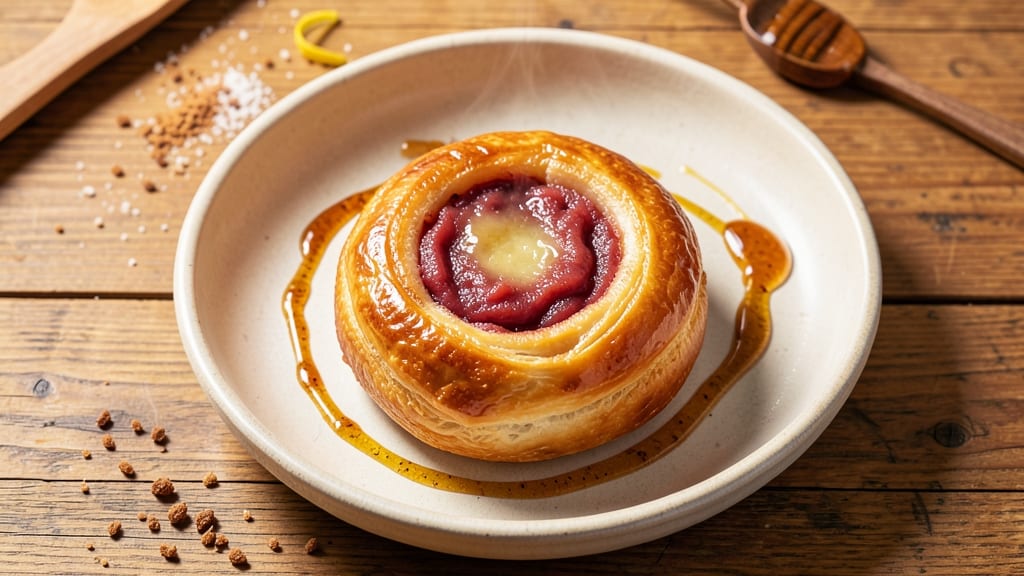
This bungeoppang recipe with rice flour delivers the perfect balance of crispy, golden shells and sweet, gooey fillings—just like the beloved Korean street food.
The secret lies in a light, airy batter that transforms into delicate pancakes when cooked just right, while the filling (traditional red bean paste or modern alternatives like brown sugar) melts into a luscious center.
What makes this recipe special is its versatility: you can adapt it for dietary preferences, from vegan-friendly fillings to classic sweetened options.
The beauty of bungeoppang is in its simplicity—just rice flour, water, and a touch of oil create the crispy shells, while minimal ingredients (like honey or condensed milk) enhance the filling.
Whether you're making them for a festive occasion or a cozy snack, the technique ensures crispy edges and tender centers every time. Ready to master this Korean classic?
Ingredients for bungeoppang recipe rice flour
Rice flour, red bean paste, and a touch of oil create the perfect crispy shells for this Korean classic.
| Ingredient | Amount | Notes |
|---|---|---|
| Rice Flour 🌾 | 1 ½ cups | Fine grind for delicate texture |
| Water 💧 | 1 ½ cups | Room temperature preferred |
| Vegetable Oil 🫒 | 2 tbsp | For crispiness, light flavor |
| Red Bean Paste 🍫 | 1 ½ cups | Smooth texture preferred |
| Honey 🍯 | 2 tbsp | For sweetness, adjust to taste |
| Brown Sugar 🍚 | ¼ cup | Alternative sweetener option |
| Sesame Seeds 🌰 | 1 tbsp | Toasted for nutty aroma |
| Salt 🧂 | ¼ tsp | Kosher or sea salt |
| Baking Powder 🍞 | ¼ tsp | For slight lift in batter |
| Cornstarch 🌽 | 1 tbsp | For extra crispiness |
| Vegetable Shortening 🧈 | 1 tbsp | For golden color |
| Sesame Oil 🫒 | 1 tsp | For aroma, optional |
The rice flour is the star here—look for fine grind at Asian markets or the international aisle of larger grocery stores. Bob's Red Mill or King Arthur brands work well if you can't find specialty rice flour. The red bean paste should be smooth, not chunky—Korean markets often carry the best quality, but Trader Joe's has a decent jarred version. Toast your sesame seeds in a dry pan for 30 seconds until fragrant; this adds depth without overpowering. For the oil, vegetable or canola works best—avoid olive oil, which can make the shells greasy.
No red bean paste? Sweetened mashed chickpeas or brown sugar mixed with a splash of water make great substitutes. Running short on honey? Maple syrup or agave nectar work in a pinch. The cornstarch is optional but worth it—it gives those shells an extra crunch. If you're avoiding gluten, ensure your rice flour is certified gluten-free, as some brands process in shared facilities. For a vegan version, simply omit the honey and use maple syrup instead.
Store the dry rice flour mix in an airtight container for up to 2 weeks—it keeps well in a cool, dark place. The filled bungeoppang can be refrigerated for 3 days or frozen for 2 months (wrap individually in parchment). To reheat, bake at 350°F for 5-7 minutes until crispy again. The sesame seeds stay fresh longest if toasted fresh each time, but pre-toasted seeds keep for 1 month in a sealed container.
Why You'll Love This Recipe
- No Fuss, No Mess: I swear by this—just rice flour, water, and a little oil. You don’t need a mixer or fancy tools; a fork and your hands do the job. The dough comes together in minutes, and honestly? The mess is minimal. Even my toddler could help (with supervision, obviously).
- Sweet-Crisp Magic: That honey-drizzled red bean paste inside? It’s where the magic happens. The outside gets this addictive, golden-brown crisp while staying pillowy soft—like biting into warm, buttery perfection. The contrast of textures? Ridiculously satisfying.
- Breakfast or Snack Hero: Between us, I’ve had these for breakfast with coffee, as a midday pick-me-up, or even packed in lunchboxes. They reheat beautifully (just a quick fry or microwave) and freeze like a dream. My coworkers still ask where I get them from.
- Budget-Friendly Staple: Rice flour and red bean paste are cheap, and a little oil goes a long way. I make a batch on Sundays, and they last all week—no sad leftovers, just happy seconds. Plus, no weird ingredients to hunt down. Just pure, simple, delicious comfort.
Step-by-step instructions for bungeoppang with rice flour
Master the art of creating crispy, golden shells filled with sweet red bean paste using this precise method.
Prepare the Bungeoppang Batter
In a mixing bowl, combine the 1.5 cups rice flour, 1.5 cups water, 2 tbsp vegetable oil, 1 tbsp cornstarch, 0.25 tsp salt, and 0.25 tsp baking powder. Use a whisk or fork to mix until smooth and free of lumps. The batter should be thin but cohesive, like pancake batter. If it's too thick, add a splash of water; if too thin, stir in a bit more rice flour.
Next, add the 1 tbsp vegetable shortening and 1 tsp sesame oil to the batter. Mix until fully incorporated—this step is crucial for achieving that signature golden color and crispy texture. Let the batter rest for 10 minutes at room temperature. This resting period allows the flour to fully hydrate and the gluten to relax, resulting in a smoother batter that will create perfectly crisp shells.
Assemble the Bungeoppang
Line a baking sheet with parchment paper and lightly grease it with a small amount of vegetable oil. Using a spoon or small ice cream scoop, drop 1.5 cups red bean paste onto the prepared sheet, spacing the dollops about 2 inches apart. Flatten each dollop slightly with the back of the spoon to create a smooth, even base.
Carefully pour the rested batter over the red bean paste, allowing it to flow naturally and cover the paste completely. The batter should be about ¼ inch thick over each dollop. Use a small offset spatula to gently spread the batter evenly and create a smooth surface. Avoid pressing too hard, as this can cause the shells to crack during baking.
Bake to Crispy Perfection
Preheat your oven to 375°F and place a wire rack on the middle shelf. Once the oven is fully preheated, carefully transfer the baking sheet to the oven. Bake for 12-15 minutes until the bungeoppang develop a deep golden brown color and the shells appear crisp and dry to the touch. You'll notice the edges start to pull away from the parchment paper—this is your signal that they're nearly done.
Remove the bungeoppang from the oven and let them cool on the baking sheet for 5 minutes. This brief cooling period helps set the shells and makes them easier to handle without breaking. While they're still warm, sprinkle the 1 tbsp sesame seeds evenly over the tops. For extra sweetness, drizzle the 2 tbsp honey mixed with 0.25 cup brown sugar over each bungeoppang. Let them cool completely before serving to allow the flavors to meld.
Serve Warm for Maximum Enjoyment
Serve the bungeoppang warm, straight from the oven if possible. The contrast between the crispy, golden shell and the creamy, sweet red bean paste is what makes this treat so special. If you've made them ahead, reheat in the oven at 350°F for 5-7 minutes to restore their crispiness. The sesame seeds will add a delightful nutty aroma and crunch with every bite.
For the best experience, enjoy these immediately after baking while the shells are at their crispest. The combination of the golden, crackly exterior and the smooth, sweet filling creates a perfect balance of textures and flavors that's hard to resist. Store any leftovers in an airtight container at room temperature for up to 3 days, but be warned—they won't stay crisp for long!
Pro Tips For Making Bungeoppang Recipe Rice Flour
- STEAM ON HIGH: Use a tight-fitting lid and bring the rice flour batter to a rolling boil for 2-3 minutes before folding in the red bean paste—this guarantees the dough binds properly. I learned this the hard way when my first batch fell apart like wet paper because I skipped the boil.
- CHILL THE DOUGH: Let the mixed dough rest in the fridge for at least 30 minutes before shaping—it’s the only way to prevent sticky fingers and uneven frying. Sounds weird, but it works: cold dough holds its shape and fries up crispier.
- SKIP THE OVERFILLING: Stuff the red bean paste loosely—packing it too tight makes the bungeoppang burst open while frying. Aim for a 1-inch gap between the paste and dough edge, or you’ll end up with a gooey mess instead of a golden pocket.
- HONEY AFTER FRYING: Brush the honey on after frying, not before—it’ll burn and turn bitter if you add it too early. A quick glaze with warm honey right out of the oil gives that glossy finish without sacrificing texture. (Yes, even if you’re impatient like me.)
Storing and reheating this dish
Room Temperature Storage
Freshly made bungeoppang stay best at room temperature for 2-3 days if stored properly. Place them in a single layer on a wire rack inside an airtight container with a paper towel to absorb any excess moisture.
This prevents soggy shells while keeping the filling moist. I like using glass containers with silicone lids because they allow for better airflow than plastic. 🌟
Refrigerator Refresh
If you need to store them longer, refrigeration works for up to 5 days. The shells will lose some crispiness but regain it beautifully when reheated. Place them in a single layer on a baking sheet before storing to prevent sticking.
When ready to eat, simply reheat at 350°F for 5 minutes until golden again. The filling stays perfectly creamy through this process.
Freezer Magic
For maximum shelf life, freeze your bungeoppang for up to 2 months. Wrap each one individually in parchment paper, then place them in a freezer bag with all the air squeezed out.
When ready to enjoy, thaw at room temperature for 30 minutes before reheating at 350°F for 7-8 minutes. The shells will crisp up beautifully, though they might need an extra minute or two compared to fresh ones.
Reheating Secrets
Oven reheating is your best friend for restoring crispiness. Place bungeoppang on a baking sheet lined with parchment paper and heat at 350°F for 5-7 minutes until golden brown. For a quick fix, you can also use the air fryer at 350°F for 3-4 minutes.
I avoid microwaving because it makes the shells rubbery. Always check the internal temperature—it should reach 165°F for safety.
Filling Preservation
The red bean paste filling stays fresh for 2 weeks in the refrigerator if stored in an airtight container. For extra freshness, I sometimes make a double batch of filling and freeze half of it in ice cube trays.
Once frozen solid, transfer the cubes to a freezer bag. This way, you always have perfectly portioned filling ready for your next batch of bungeoppang. 💫
Nutrition facts
Frequently asked questions
Can I make bungeoppang without red bean paste?
The filling is completely customizable. Try sweetened mashed chickpeas, brown sugar mixed with a splash of water, or even Nutella for a decadent twist. For savory versions, use seasoned ground meat or a spicy gochujang mixture—just adjust the batter thickness to 1/4 inch to accommodate denser fillings.
Why did my bungeoppang shells turn out soggy?
Soggy shells usually happen from overmixing the batter or baking at too low a temperature. Use a light hand when whisking (just until smooth) and bake at 375°F for 12-15 minutes. Also, ensure your oven rack is in the middle position for even heat distribution. For extra crispiness, sprinkle 1 tbsp cornstarch on the parchment paper before baking.
How do I get the classic Korean golden-brown color?
The golden color comes from the combination of vegetable shortening and sesame oil in the batter. For deeper color, bake on the upper-middle rack where it's slightly hotter. If your shells are pale, try brushing them with a tiny bit of melted butter or oil halfway through baking. The 375°F temperature is key—any lower and they'll lack that signature caramelization.
Can I make bungeoppang ahead of time?
Yes! They actually taste better the next day. Store them in an airtight container at room temperature for 2-3 days. For longer storage, freeze them (wrapped individually) for up to 2 months. Reheat at 350°F for 5-7 minutes to restore crispiness. Pro tip: Keep them separate until ready to eat to maintain that perfect crunch.
What's the secret to crispy shells?
The magic lies in the resting time and proper baking technique. Let the batter rest for 10 minutes before using, and bake on a wire rack (not directly on the pan) for even heat circulation. The cornstarch in the batter and high heat (375°F) create that signature crispiness. Avoid opening the oven door during baking to prevent steam from making them soft.