
Side Dishes
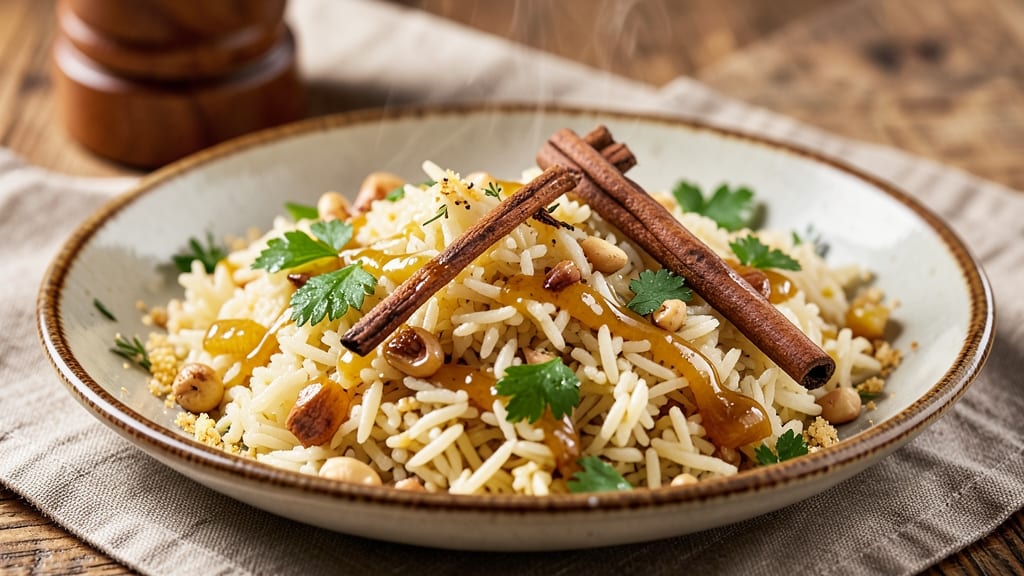
This buttery rice pilaf recipe delivers golden, fluffy grains with layers of toasted spice and rich flavor—perfect for elevating any meal. The secret lies in blooming whole spices in butter before adding rice, creating aromatic depth that transforms simple grains into something luxurious.
I've refined this technique over years, ensuring every bite achieves that ideal balance of tenderness and texture.
What sets this pilaf apart is the foolproof method that works whether you use long-grain basmati or quick-cooking instant rice. The butter-infused broth coats each grain, while toasted spices add warmth and complexity.
Serve alongside roasted chicken, grilled fish, or as a hearty centerpiece for vegetarian meals—this pilaf adapts effortlessly to any menu while delivering restaurant-quality results at home.
Ingredients for buttery rice pilaf
Twelve ingredients transform ordinary rice into restaurant-quality pilaf with golden grains and aromatic complexity.
| Ingredient | Amount | Notes |
|---|---|---|
| Long-Grain Basmati Rice 🍚 | 1 ½ cups | Rinsed thoroughly to remove excess starch |
| Unsalted Butter 🧈 | ½ cup | Cold, cut into small cubes |
| Yellow Onion 🧅 | 1 whole | Finely diced, about 1 cup |
| Garlic Cloves 🧄 | 4 cloves | Minced, for aromatic depth |
| Chicken Broth 💧 | 2 cups | Low-sodium preferred, homemade or quality store-bought |
| Whole Cinnamon Stick 🌿 | 1 piece | Lightly toasted for warmth |
| Bay Leaves 🍃 | 2 whole | Fresh preferred for intensity |
| Cardamom Pods 🌶️ | 4 whole | Lightly crushed to release aroma |
| Ground Black Peppercorns 🌶️ | ½ tsp | Freshly ground for brightness |
| Diamond Crystal Kosher Salt 🧂 | 1 ½ tsp | Adjust to taste, don't oversalt |
| Fresh Parsley 🌿 | ¼ cup | Chopped, for vibrant garnish |
| Toasted Almond Slices 🥜 | ¼ cup | For crunchy texture contrast |
The spices are where this pilaf achieves its luxurious character. Whole spices like cardamom and cinnamon must be lightly toasted in butter before adding rice—this blooming process releases their essential oils, creating depth that ground spices simply can't match. For cardamom, Whole Foods or specialty Indian markets offer the best quality, but the bulk section at Trader Joe's carries a solid pre-packaged version. The cinnamon should be a vibrant brown, not gray or dusty. If using dried bay leaves, make sure they're fresh—Penzeys Spices sells them in small, airtight tins that preserve their potency. For the rice, Lundberg Farms basmati is my go-to for its consistent texture and aroma, but any long-grain variety works.
No cardamom pods? Ground cardamom at one-quarter the amount works in a pinch, though you'll lose some of the toasted depth. Substituting ground cinnamon for the stick is fine, but toast it first in the butter. The butter is non-negotiable—European-style unsalted butter like Plugrá or President has higher fat content and creates that signature richness. For the broth, low-sodium is critical—you'll be adding salt later, and you don't want to overdo it. The almonds should be toasted until golden—about 5 minutes in a dry pan—for maximum crunch. Fresh parsley adds bright contrast; dried won't cut it here.
This pilaf reheats beautifully—cover with a damp towel in the microwave to prevent drying. Store in an airtight container for 4-5 days in the fridge, or freeze portions for up to 3 months. The flavors actually improve overnight as the spices infuse further. For meal prep, I portion into individual containers with a sprinkle of parsley on top—ready to grab and reheat. The toasted spices lose potency after about 2 weeks, so if storing long-term, freeze the pilaf without the garnishes and add them fresh when serving.
Why You'll Love This Recipe
- One-Pot Magic: I swear by this recipe because it’s literally one pan, one spatula, and done. No strainers, no extra bowls—just toast the onions in butter, add the rice and broth, and let it simmer. The butter coats every grain perfectly while you’re free to chop veggies or set the table.
- Rich Without Effort: That first bite of buttery, fragrant basmati with crispy garlic edges? It’s the kind of flavor that makes you pause mid-fork. The onions caramelize just enough to add depth, and the chicken broth keeps it savory without needing fancy seasonings. Honestly, it’s the star of my lazy dinners.
- Meal Prep MVP: This pilaf reheats like a dream—no mushy rice here. I make a big batch on Sundays, and it’s my go-to for lunches all week. Pair it with roasted chicken, grilled fish, or even just a fried egg for a quick protein boost. (Yes, even on a Tuesday night.)
- Budget-Friendly Luxury: Long-grain basmati and butter might sound fancy, but this recipe stretches a little goes a long way. A single onion and a few cloves of garlic bulk up the flavor without breaking the bank. Plus, leftovers taste just as good the next day—proof that simple ingredients can feel indulgent.
Step-by-step instructions for buttery rice pilaf
Here's the method for achieving restaurant-quality golden grains with aromatic spices and rich butter.
Sauté Aromatics in Butter Until Fragrant
In a heavy-bottomed pot with a tight-fitting lid, melt the 0.5 cup unsalted butter over medium heat. Add the 1 whole finely diced yellow onion and cook for 5-6 minutes until translucent and just beginning to soften. This gentle cooking prevents burning while developing sweetness.
Add the 4 cloves minced garlic, 1 piece lightly toasted cinnamon stick, 2 whole bay leaves, and 4 whole lightly crushed cardamom pods. Stir for 30 seconds until the garlic becomes aromatic and the spices release their essential oils. You'll smell the warm, earthy notes of cardamom and the subtle sweetness of cinnamon—this is where the pilaf gets its complex flavor foundation.
Toast the Rice Until Golden and Nutty
Add the 1.5 cups rinsed long-grain basmati rice to the pot and stir for 2 minutes until each grain is fully coated in the butter and aromatics. The rice should look slightly glossy and the butter should foam around the edges. This toasting step is crucial—it develops the nutty flavor and prevents the rice from becoming mushy.
Continue cooking for another 2-3 minutes until the rice begins to turn a pale golden color. You'll see the edges of the grains start to crisp slightly—that's your signal to proceed. If the butter starts to brown too quickly, reduce the heat to medium-low to prevent burning while maintaining even cooking.
Deglaze and Simmer in Flavorful Broth
Pour in the 2 cups chicken broth and add the 1.5 tsp diamond crystal kosher salt and 0.5 tsp freshly ground black peppercorns. Bring to a gentle boil, then immediately reduce heat to low, cover the pot with the lid, and let it simmer for 15 minutes. This initial cooking period allows the rice to absorb the liquid and begin steaming in its own moisture.
After 15 minutes, remove the lid and check the rice. If the liquid has been fully absorbed and the bottom of the pot looks dry, add 2 tablespoons of hot chicken broth to prevent burning. Replace the lid and continue cooking for another 5 minutes. The rice should be tender but still slightly firm to the bite—this ensures it won't turn mushy when served.
Rest and Finish with Garnishes
Remove the pot from heat and let it rest, covered, for 10 minutes. This resting period allows the rice to finish steaming and the flavors to meld. During this time, gently fluff the rice with a fork to separate the grains and distribute any remaining butter.
Transfer the pilaf to a serving dish and stir in the 0.25 cup chopped fresh parsley and 0.25 cup toasted almond slices. The parsley adds a bright, fresh contrast to the rich, buttery rice, while the almonds provide a delightful crunch. Serve immediately while still warm, ensuring each bite delivers the perfect balance of texture and flavor.
Pro Tips For Making Buttery Rice Pilaf
- TOAST THE RICE FIRST: Before adding broth, dry-toast the rice in the butter for 2-3 minutes until the grains look translucent and smell nutty. I learned this the hard way—skipping it makes the rice taste raw, no matter how long you simmer it later.
- SWEAT THE ONIONS LOW: Cook the onions at medium-low heat until they’re golden and caramelized, not browned. High heat burns them fast, and you’ll taste bitterness cutting through the butter. Sounds weird, but it works: take your time here.
- USE COLD BROTH: Pour cold chicken broth over the rice instead of hot—it keeps the grains intact and prevents mushiness. I was skeptical until I tried it: the texture stays firm, and the butter distributes evenly without clumping.
- STIR ONCE AT THE END: After the rice absorbs the broth, turn off the heat and let it sit covered for 5 minutes. Then, fluff once with a fork—stirring too much breaks the grains. This isn’t the prettiest method, but it’s the tastiest.
Regional styles of this buttery rice pilaf
Middle Eastern Touches
Inspired by Levantine cuisine, swap the cinnamon stick for ½ tsp ground allspice and add 1 tsp ground cumin when toasting the spices. Use vegetable broth instead of chicken and finish with toasted pine nuts and a sprinkle of sumac for a tangy kick.
The allspice brings warmth while cumin adds earthy depth—perfect with grilled lamb or falafel. 🌿
Spanish-Inspired Safran Pilaf
Infuse the broth with ½ tsp saffron threads steeped in 2 tbsp warm water for 10 minutes before adding to the pot. Replace cardamom with ½ tsp ground coriander and finish with toasted slivered almonds and a squeeze of lemon.
This version pairs beautifully with paella or roasted seafood. The saffron adds a luxurious golden hue and floral aroma that transforms the dish into something truly special. 💛
Indian-Style Jeera Pilaf
For a North Indian twist, use 1 tbsp whole cumin seeds instead of cardamom, lightly toasted in the butter until fragrant. Add 1-inch ginger julienned when sautéing the onions, and finish with toasted cashews and a pinch of turmeric.
This version works wonderfully with curries or as a standalone dish. The cumin seeds add a nutty, earthy flavor that complements the butter beautifully. 🌶️
French-Inspired Pilaf
Create a French bistro-style version by using white wine instead of broth—deglaze the pot with ½ cup dry white wine after toasting the rice, then add the remaining broth. Replace cardamom with ½ tsp ground nutmeg and finish with toasted hazelnuts and fresh thyme.
This elegant version pairs perfectly with roasted duck or beef bourguignon. The wine adds brightness that cuts through the richness of the butter. ✨
Mediterranean Herb Pilaf
For a bright, herb-forward take, add 1 tsp dried oregano and 1 tsp dried thyme when toasting the spices. Use lemon zest instead of parsley for garnish and top with toasted pine nuts.
This version works beautifully as a side for grilled fish or in grain bowls. The herbs add freshness that balances the richness of the butter. 🌿
Nutrition facts
Frequently asked questions
Can I use instant rice for this buttery pilaf?
Yes, but with adjustments! For 1.5 cups long-grain rice, use 1 cup instant rice and reduce the broth to 1.5 cups. Cut the simmering time to 8-10 minutes total (including resting), stirring halfway. The texture will be slightly softer, but still delicious. The key is keeping the butter and spices the same to maintain that rich flavor profile.
Why does my pilaf turn out mushy?
Mushy rice usually means too much liquid or improper resting. First, ensure you're using 1:1.5 rice-to-broth ratio (1.5 cups rice to 2 cups broth). Always cover while cooking and let it rest 10 minutes off heat—this final steaming is critical. If the bottom sticks, reduce heat to low during toasting and add broth in 2-tbsp increments only when needed.
What's the best way to reheat leftover pilaf?
Reheat gently with a splash of water or broth to restore moisture. Cover with a damp towel and microwave on 50% power for 1-2 minutes, stirring halfway. For stovetop, use low heat with 1 tbsp butter or oil—this prevents drying. The damp towel trick traps steam, keeping grains separate and buttery. Never microwave uncovered!
Can I make this pilaf vegetarian?
Replace chicken broth with vegetable broth—use the same amount. For extra depth, add 1 tsp soy sauce when toasting spices. Garnish with toasted nuts (pine nuts or cashews) instead of almonds. The buttery richness works beautifully with roasted vegetables, lentils, or as a base for veggie bowls.
How do I make this pilaf extra fluffy?
For maximum fluffiness, rinse the rice 3 times until water runs clear (removes excess starch). Toast the rice 3-4 minutes until golden, then add broth gradually—start with 1 cup, simmer 10 minutes, then add remaining 1 cup if needed. The resting period (10 minutes) is non-negotiable—this lets steam redistribute evenly.