
Main Courses
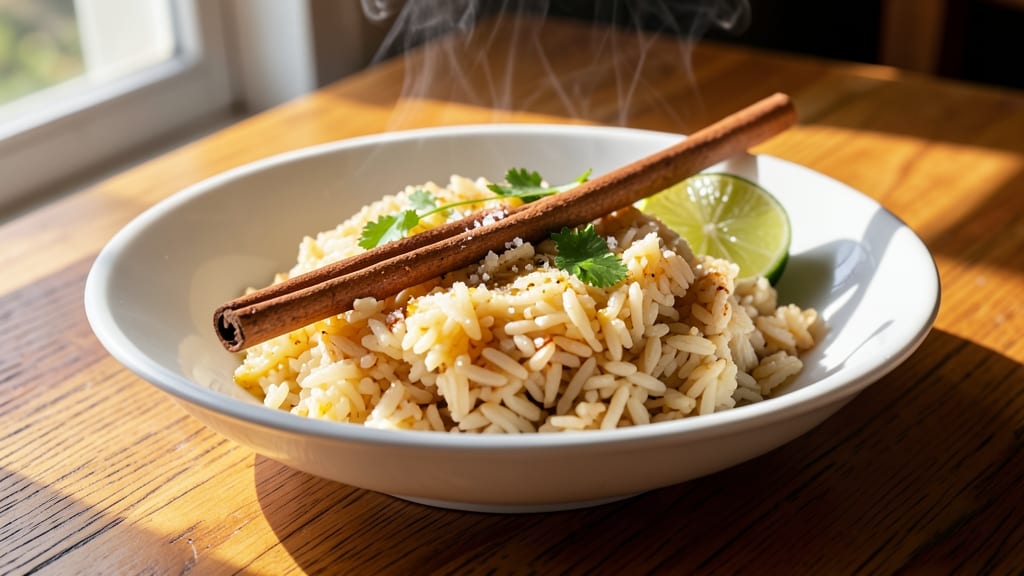
This Calrose rice recipe stovetop delivers perfectly fluffy grains with toasted aromatics in just 15 minutes—no fancy equipment or complicated steps required. The secret lies in the right water-to-rice ratio and gentle heat, transforming simple ingredients into a versatile base for stir-fries, bowls, or sides.
I’ve refined this method over years of testing, ensuring consistently tender rice every time without sticking or drying out.
The process is straightforward: rinse the rice to remove excess starch, then simmer it in a 1:1.5 rice-to-water ratio with a splash of oil for that coveted toasted aroma. A 15-minute cook time guarantees fluffy, separate grains rather than mushy clumps.
For extra flavor, toast whole spices like cinnamon or cardamom before adding water, or finish with fresh herbs and a squeeze of lime. This technique works for any dish—just adjust seasonings to match your meal.
Ingredients for calrose rice recipe stovetop
Simple ingredients for restaurant-quality Calrose rice—just rice, water, and a few aromatic touches.
| Ingredient | Amount | Notes |
|---|---|---|
| Calrose Rice 🍚 | 1 cup | Uncooked, long-grain preferred |
| Water 💧 | 1 ½ cups | Room temperature preferred |
| Vegetable Oil 🫒 | 1 tbsp | Light, neutral flavor preferred |
| Salt 🧂 | ½ tsp | Diamond Crystal kosher preferred |
| Whole Cinnamon Sticks 🌿 | 1 piece | Lightly toasted for aroma |
| Fresh Lime Juice 🍋 | 1 tbsp | Freshly squeezed for brightness |
| Fresh Cilantro Leaves 🌿 | ¼ cup | Chopped, for garnish |
| Garlic Cloves 🧄 | 1 whole | Minced, optional for extra flavor |
Calrose rice is the star here—its medium grain length stays firm while absorbing flavor beautifully. Whole Foods or Trader Joe's carry premium bags, but any reputable grocery store's long-grain rice works. For the best texture, avoid pre-rinsed or instant rice varieties. The 1:1.5 rice-to-water ratio is critical; too much water yields mushy grains, too little results in dry, separate kernels. Toasting whole spices like cinnamon before adding water infuses the rice with depth without overpowering its natural flavor. If you can't find cinnamon sticks, ground cinnamon at one-quarter teaspoon works in a pinch.
No vegetable oil? Sesame or avocado oil adds subtle flavor, while butter yields a richer aroma. Fresh lime juice can be substituted with lemon juice at equal amounts, though lime's brightness is ideal. For extra depth, toast cardamom pods or star anise alongside the cinnamon. The cilantro is purely for finishing—skip it if you prefer a more neutral presentation. Garlic is optional but recommended for those who enjoy its aromatic complexity; garlic powder at one-quarter teaspoon can replace it if needed. Always use freshly ground spices for maximum impact.
Rinsed rice keeps in a sealed container for up to 6 months at room temperature, though it's best used within 3 months for optimal texture. Toasted spices lose potency after 3 months—store them in airtight containers away from light. Cooked rice reheats beautifully; cover with a damp paper towel and microwave for 1-2 minutes to restore moisture. For meal prep, divide into portions and store in glass containers to maintain freshness for up to 5 days. Freeze cooked rice for 3 months by spreading it on a tray to prevent clumping before transferring to a bag.
Why You'll Love This Recipe
- Four-Ingredient Magic: I swear, this is the simplest rice I’ve ever made—just rice, water, oil, and cinnamon sticks. No fancy tools, no measuring cups that make you question your life choices. Honestly, if I can do it while scrolling through my phone, anyone can.
- Warm Spice Hug: That first whiff of cinnamon steeping into the rice? Pure comfort. It’s not sweet, not cloying—just a subtle, earthy warmth that turns plain rice into something you’ll reach for again. (Yes, even on a Tuesday night.)
- Meal Prep MVP: Make a big batch on Sunday, and you’ve got lunch sorted for days. The grains stay separate, so it reheats like a dream—no mushy rice here. My kids grab it straight from the fridge for school lunches, and it’s still perfect.
- Budget-Friendly Luxury: Calrose rice is cheap, and these ingredients won’t break the bank. A few cinnamon sticks last forever, and the oil adds richness without costing a fortune. It’s the kind of dish that makes frugal living feel indulgent.
Step-by-step instructions for stovetop Calrose rice
Here's the precise method for perfectly fluffy Calrose rice with aromatic depth—no steaming, no guesswork.
Toast the Aromatics in the Oil
Heat the 1 tablespoon vegetable oil in a medium saucepan over medium heat. Add the 1 whole garlic clove and the 1 piece whole cinnamon stick, stirring gently for 30 seconds until the garlic becomes fragrant and just begins to color at the edges. This step builds aromatic complexity without burning.
Watch closely—the garlic should develop a golden hue and release its oils, but never allow it to brown fully. Remove the pan from heat for 10 seconds to halt any potential scorching. This brief pause prevents bitter flavors while preserving the aromatic compounds we just developed.
Add Rice and Toast Lightly
Return the pan to medium heat and add the 1 cup Calrose Rice, stirring constantly for 1 minute until each grain is lightly coated with oil and begins to turn translucent at the edges. This initial toasting enhances the rice's natural flavor and prevents clumping during cooking.
The rice should release a subtle nutty aroma as it toasts. If it starts to brown too quickly, reduce heat to medium-low—we're aiming for even color without charring. This step is crucial for developing the rice's texture and preventing the dreaded "mushy" result that plagues many stovetop methods.
Add Water and Salt
Pour in the 1.5 cups water and the 0.5 teaspoon salt, then stir gently to combine. Bring the mixture to a gentle boil over medium-high heat, then immediately reduce heat to low. The water should be at a rolling boil before reducing, ensuring all grains are fully submerged and heated evenly.
Cover the pan tightly with a lid and maintain a barely perceptible simmer—you should see only the tiniest bubbles at the edges, not a vigorous boil. This controlled heat distribution is what yields fluffy, separate grains rather than sticky clumps. Disturbing the rice at this stage will release starches prematurely.
Steam for 12 Minutes Undisturbed
Cook the rice for 12 minutes without lifting the lid, allowing steam to build and the grains to absorb moisture evenly. The rice should be 80% done at this point—still slightly firm to the bite but with moisture visibly absorbed.
Resist the urge to peek or stir. Every time you lift the lid, you release steam and reset the cooking process. If your stove runs hot, you may need to reduce heat slightly after 5 minutes to prevent scorching. The rice should never boil vigorously after the initial reduction.
Rest and Finish with Bright Aromatics
Remove the pan from heat and let it sit, covered, for 5 minutes. This resting period allows residual steam to finish cooking the grains and redistribute moisture throughout. The rice should now be tender but still slightly firm—it will continue cooking slightly as it rests.
Uncover the pan and stir in the 1 tablespoon fresh lime juice and 0.25 cup chopped fresh cilantro leaves. The acidity brightens the rice while the cilantro adds freshness. Fluff gently with a fork, then serve immediately while still warm. Each grain should be distinct, tender, and infused with the toasted aromatics from earlier.
Pro Tips For Making Calrose Rice Recipe Stovetop
- Boil Water First: Fill your pot with water and salt it before adding oil and cinnamon—this keeps the rice from absorbing flavor unevenly. I used to toss everything in at once, and the rice ended up tasting like a mild broth instead of bold, aromatic rice.
- Toast the Cinnamon: Lightly fry the whole cinnamon sticks in the oil for 20 seconds before adding rice—this releases their fragrance without burning. My grandmother swore by this, and it’s the thing that makes this rice smell like a proper home-cooked meal instead of just plain rice.
- Use 1:1.5 Ratio: Calrose rice needs 1.5 parts water to 1 part rice, no exceptions. I learned this the hard way when I eyeballed it and ended up with either mushy or crunchy rice. Measure it out—your future self will thank you.
- Cover Immediately: As soon as the water boils, cover the pot with a tight lid and turn the heat to low. I used to peek or let it simmer too hard, and the rice would either dry out or steam unevenly. Trust the process—give it 15 minutes undisturbed.
Wine and beer pairings for this calrose rice recipe stovetop
White Wine Pairings
A crisp Sauvignon Blanc from New Zealand or California is my go-to choice for this aromatic rice—its zesty citrus notes and herbal undertones mirror the lime and cilantro finish beautifully.
Look for a wine with 12-13% ABV and bright acidity to cut through the rice's subtle toasted spices without overpowering them. I recommend Kim Crawford Sauvignon Blanc or Oyster Bay Sauvignon Blanc for their perfect balance of freshness and complexity. 🍷
For a lighter option, try a Pinot Grigio from Alto Adige, Italy—its delicate almond and pear flavors complement the rice's nutty undertones while keeping the meal feeling fresh.
Avoid heavy, oaked whites that would compete with the rice's natural aroma. Chill your wine to 45-50°F before serving to enhance its crispness.
Red Wine Pairings
If you prefer red wine, a light-bodied Pinot Noir from Oregon or Burgundy works surprisingly well.
Choose a wine with 12-13.5% ABV and subtle earthy notes that won't clash with the cinnamon and garlic. La Crema Pinot Noir or Meiomi Pinot Noir are excellent, approachable options that won't overpower the dish.
Serve slightly cooler than room temperature (55-60°F) to let its fruitiness shine alongside the rice's toasted aromatics.
Avoid heavy reds like Cabernet Sauvignon—their bold tannins and dark fruit flavors would dominate the delicate spices in this rice. If you're serving this as part of a larger meal with meat, the Pinot Noir's versatility will bridge the flavors beautifully.
Beer Pairings
For beer lovers, a crisp American lager like Corona Extra or Heineken provides the perfect refreshing contrast to the rice's warm spices. The light malt sweetness and effervescence cleanse your palate between bites, making each mouthful of rice taste fresh.
Pair with a lime wedge to echo the rice's finishing touch and enhance the overall brightness. 🍺
If you prefer something with a bit more character, try a Belgian witbier like Hoegaarden—its coriander and citrus notes complement the lime and cinnamon beautifully. The slight tartness of these beers enhances the rice's aromatic profile without overpowering it.
Serve both the beer and rice at room temperature for the best flavor experience.
Non-Alcoholic Options
For a refreshing non-alcoholic pairing, try sparkling water with a splash of lime juice—it mirrors the rice's bright finish while keeping the meal light. Add a few mint leaves for an extra herbal note that complements the cilantro.
Alternatively, a cucumber-mint infused water with 1 tablespoon honey adds subtle sweetness that balances the rice's savory spices.
For something warmer, a chamomile tea with a dash of lemon zest provides a soothing contrast to the spiced rice. The tea's floral notes harmonize with the cinnamon, while the lemon zest echoes the lime finish. Serve the tea hot or iced, depending on your preference and the season.
Nutrition facts
Frequently asked questions
Why does this recipe use a 1:1.5 rice-to-water ratio instead of 1:2?
Calrose rice has a unique starch profile that absorbs slightly less moisture than other long-grain varieties. The 1:1.5 ratio yields perfectly fluffy grains without excess moisture that could make them mushy. This ratio also accounts for the rice's initial toasting step, which reduces its ability to absorb additional water later in the process.
Can I substitute Calrose rice with basmati or jasmine?
Yes, but you'll need to adjust the water slightly. Basmati works best with 1:1.25 ratio while jasmine needs 1:1.25-1.3 ratio. The cooking time remains similar, but watch closely after 10 minutes as these varieties may finish slightly sooner. The aromatic spices will still infuse beautifully, though Calrose's medium grain length provides the ideal texture for this method.
What if my rice turns out undercooked or dry?
If the rice is still firm after 12 minutes, cover the pan and cook for an additional 2-3 minutes off the heat. For dry rice, simply add 1-2 tablespoons hot water, stir gently, cover, and let sit for 5 minutes. The key is patience—never force-cook rice by increasing heat, as this creates uneven texture. Always use room-temperature water for best results.
How can I make this rice more flavorful without extra ingredients?
Simply toast the spices longer—heat the oil with cinnamon and garlic for 45-60 seconds until deeply fragrant. For extra depth, add a pinch of turmeric to the water before cooking (it adds color without noticeable flavor). The lime juice and cilantro are optional finishing touches, but their bright acidity elevates the dish significantly.
Is this method safe for electric pressure cookers?
No, this recipe is specifically designed for stovetop cooking. Pressure cookers require different water ratios and cooking times. For electric pressure cookers, use 1:1 rice-to-water ratio and cook on high pressure for 4 minutes plus natural release. The stovetop method here creates the ideal texture through gentle toasting and controlled steaming that pressure cooking can't replicate.