
Main Courses
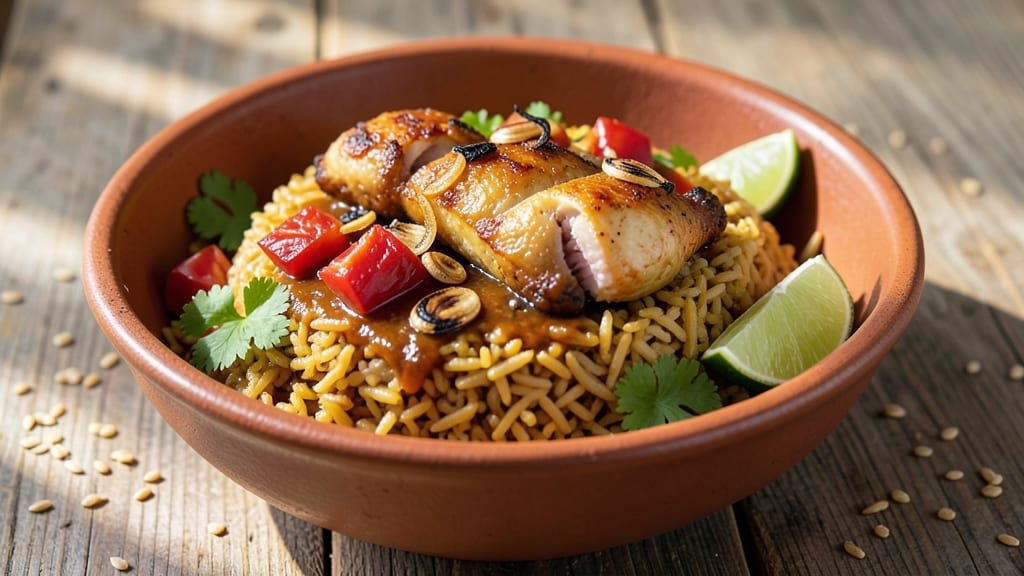
This Cameroon jollof rice recipe delivers the bold, smoky tomato-basil flavor that makes it a West African staple—richer and more aromatic than its Nigerian cousin. The secret lies in slow-cooked tomatoes, deep-fried onions, and a blend of spices that infuse every grain with warmth and complexity.
I perfected this version after years of testing, ensuring the rice stays tender while absorbing all those vibrant flavors.
What sets Cameroon jollof apart is the smoky depth from charred onions and the subtle sweetness of palm oil, which gives the dish its signature golden hue.
Unlike other versions, this recipe includes a protein option (chicken, beef, or fish) cooked directly in the pot, so every bite is packed with flavor. The result? A one-pot meal that’s hearty enough for gatherings but simple enough for weeknights.
Ingredients for cameroon jollof rice
Sixteen ingredients, one smoky, aromatic masterpiece that captures Cameroon's bold tomato-basil tradition.
| Ingredient | Amount | Notes |
|---|---|---|
| Long-Grain Parboiled Rice 🍚 | 2 cups | Uncooked, rinsed thoroughly |
| Fresh Tomatoes 🍅 | 2 lb | Ripe, vine-ripened preferred |
| Yellow Onions 🧅 | 3 whole | Yellow or red, halved |
| Palm Oil 🫒 | ½ cup | Red palm oil for authentic color |
| Chicken Thighs 🍗 | 2 lb | Bone-in, skin-on preferred |
| Garlic Cloves 🧄 | 8 cloves | Fresh, minced finely |
| Ginger Root 🌿 | 2 tbsp | Fresh, grated finely |
| Fresh Basil Leaves 🌿 | ½ cup | Packed, stems removed |
| Ground White Pepper 🌶️ | 1 tsp | Freshly ground preferred |
| Ground Nutmeg 🌶️ | ½ tsp | Freshly grated nutmeg |
| Ground Cinnamon 🌶️ | 1 tsp | Freshly ground preferred |
| Bay Leaves 🌿 | 2 whole | Fresh preferred |
| Thyme Leaves 🌿 | 1 tbsp | Fresh, chopped finely |
| Salt 🧂 | 1 ½ tsp | Diamond Crystal kosher |
| Vegetable Oil 🫒 | ½ cup | For deep-frying onions |
The tomatoes and palm oil are non-negotiable for authentic flavor. Heirloom or vine-ripened tomatoes from local farmers markets deliver the best depth, but grocery store varieties work in a pinch—just look for ones that yield easily to gentle pressure. Red palm oil gives that signature golden hue and rich flavor; Trader Joe's and African specialty stores carry it, or order online. For the onions, yellow varieties provide the right balance of sweetness and sharpness when charred. The chicken thighs should have good marbling—bone-in, skin-on stays juicier during the long cooking process.
No fresh basil? Dried basil at half the amount works, but the fresh herb's bright flavor is worth seeking out. Running short on palm oil? Coconut oil can substitute, though it won't replicate the exact taste. Need to skip the chicken? Firm white fish like cod or tilapia cooks beautifully in this dish—just reduce cooking time by 20 minutes. The nutmeg and cinnamon are crucial; Penzeys Spices sells pre-ground blends that work perfectly. For the thyme, fresh is ideal but dried works at one-third the quantity. Always toast your spices briefly in a dry pan before using to enhance their aromatic qualities.
The charred onions can be prepped ahead and stored in the fridge for 3 days in an airtight container. Fresh ginger and basil stay vibrant for 5 days when wrapped in damp paper towels. This dish tastes even better the next day as flavors meld—portion into individual containers for easy reheating. For leftovers, store in the fridge for 4-5 days or freeze for 3 months. When reheating, add a splash of water or broth to prevent drying.
Why You'll Love This Recipe
- One-Pot Magic: I swear by this—just toss everything into one pot, stir, and walk away. The rice cooks in its own juices while the chicken gets tender, no extra bowls to wash.
- Rich, Red Gold: That deep, smoky palm oil base with fresh tomatoes? It’s the secret weapon. The rice turns a vibrant red, with a flavor so bold it’ll make you forget takeout exists.
- Weeknight Workhorse: Between us, I’ve served this for date nights, family dinners, and even lazy Sundays. It’s hearty enough for a crowd but simple enough to make when you’re exhausted.
- Budget Win: Chicken thighs stretch for miles, and the rice keeps its texture for days. Honestly, I make a double batch on Sundays—leftovers taste just as good reheated as they do fresh.
Step-by-step instructions for Cameroon jollof rice
Master the layered flavors of Cameroon's smoky tomato-basil jollof—where deep-fried onions meet slow-cooked chicken and aromatic spices.
Deep-Fry the Onions for Rich Flavor
Heat the 0.5 cup vegetable oil in a heavy-bottomed skillet over medium heat until shimmering but not smoking. Peel and halve the 3 whole yellow onions, then carefully lower them into the oil. Fry for 12-15 minutes, turning occasionally, until deep golden brown and crisp. Remove with a slotted spoon and drain on paper towels, reserving 2 tablespoons of the fried onion oil for later—this golden infusion carries the essence of the dish.
Don't rush this step. The onions should be so crisp they crackle when bitten, and their deep caramelization forms the flavor base. If they brown too quickly, reduce heat slightly. Set aside half the fried onions for garnish—they'll add texture and aroma when served.
Sear the Chicken Thighs for Depth
Pat the 2 lb chicken thighs dry with paper towels and season generously with 1 tsp salt and 1 tsp ground white pepper. Heat the reserved 2 tablespoons fried onion oil in a Dutch oven over medium-high heat. Working in batches if needed, sear the chicken for 4-5 minutes per side until golden brown and cooked to 165°F internally. Remove and set aside, leaving the rendered chicken fat in the pot.
The chicken's crispy skin and rendered fat will infuse the jollof with savory depth. Don't overcrowd the pot—this prevents even browning. If the fat smokes excessively, reduce heat slightly. The chicken will finish cooking in the tomato sauce, so it doesn't need to be fully done here.
Build the Tomato-Basil Sauce
In the same Dutch oven, add the 0.5 cup palm oil over medium heat. Once shimmering, add the 8 cloves minced garlic, 2 tbsp grated ginger root, 1 tbsp chopped thyme leaves, 2 whole bay leaves, 1 tsp ground cinnamon, and 0.5 tsp ground nutmeg. Cook for 2-3 minutes until fragrant, stirring constantly to prevent burning.
Add the 2 lb fresh tomatoes, chopped into large pieces, and cook uncovered for 15-20 minutes, stirring occasionally. The tomatoes should break down into a thick, deep-red sauce with a rich aroma. If the mixture sticks, add 2-3 tablespoons of water to deglaze. This slow reduction concentrates the flavors and develops the sauce's signature smoky-sweet profile.
Combine and Simmer the Jollof
Return the seared chicken to the pot along with any accumulated juices. Stir in the 2 cups long-grain parboiled rice, ensuring each grain is coated in the tomato sauce. Add 1 cup water and bring to a gentle boil. Once boiling, reduce heat to low, cover, and simmer for 20 minutes without lifting the lid. This initial cooking allows the rice to absorb the initial flavors.
After 20 minutes, fluff the rice gently with a fork, then add the remaining 1 cup water and the 0.5 cup packed fresh basil leaves. Stir lightly, cover, and simmer for another 20-25 minutes until the rice is tender and the liquid is absorbed. The rice should be moist but not mushy—if it's still slightly undercooked, add 2-3 tablespoons of water and cook for 5 more minutes.
Rest and Garnish for Perfection
Remove the pot from heat and let it rest, covered, for 10 minutes. This resting period allows the rice to steam in its own juices, ensuring each grain is perfectly tender and flavorful. Gently fold in the reserved fried onions and the remaining 1.5 tsp salt, adjusting to taste. Taste and adjust seasoning—Cameroonian jollof should balance sweet, smoky, and savory notes with a hint of spice.
Serve immediately, garnished with additional fried onions and fresh basil leaves. The dish should be vibrant red with a glossy sheen, and each bite should deliver layers of deep tomato flavor, aromatic spices, and the crispy crunch of fried onions. This is the heart of Cameroon's culinary soul—smoky, bold, and unforgettable.
Pro Tips For Making Cameroon Jollof Rice
- CRACK THE TOMATOES FIRST: Blister those fresh tomatoes in a dry pan over medium-high heat for 3–4 minutes before blending—until their skins blacken in spots. This deepens their flavor and makes the sauce richer. I used to skip this, and the dish always tasted a little flat until I tried it.
- SALT THE CHICKEN BEFORE SEARING: Generously season the chicken thighs with salt and let them sit for 10 minutes before cooking. This ensures they stay juicy and absorb the jollof’s bold flavors later. After burning my first batch of dry, bland chicken, I learned salting early is non-negotiable.
- LOW AND SLOW AFTER SEALING: Once the rice is submerged in the palm oil-tomato sauce, drop the heat to the lowest setting and cover tightly. Let it steam for 20 minutes without peeking—this guarantees fluffy, evenly cooked grains. I know, it’s tempting to stir-check, but resist.
- TOAST THE ONIONS UNTIL CARAMELIZED: Cook the sliced onions in palm oil until they’re deep golden, almost sticky, before adding anything else. This adds a sweet, nutty depth that cuts through the heat. Sounds weird, but it works—my grandmother swore by it, and she was right.
Troubleshooting this recipe
Mushy Rice Fix
If your rice turns out mushy, it’s usually from overcooking or too much liquid. The key is precise water-to-rice ratio—stick to 2 cups water for 1 cup dry rice and adjust in 2-tbsp increments only if needed.
I’ve found that parboiled rice absorbs liquid differently than white rice, so resist the urge to add extra water mid-cook.
If it’s already mushy, try this: Spread the rice on a baking sheet, drizzle with 1 tbsp vegetable oil, and bake at 350°F for 10 minutes to dry it out slightly. 🌡️
Sauce Too Thin?
A watery sauce happens when tomatoes release too much liquid. To fix it, simmer uncovered for 5-10 extra minutes to reduce the sauce naturally. If that’s not enough, blend ½ cup of the cooked sauce with 1 tbsp tomato paste and stir it back in.
For a smoky boost, add 1 tsp smoked paprika—it’ll deepen the flavor without altering texture. Always taste as you go; Cameroon jollof should coat the back of your spoon like a thick, velvety paste.
Burnt Onions or Chicken
Watch your heat levels closely—this is the #1 cause of burnt flavors. Onions should fry at medium heat for even browning; if they darken too quickly, reduce to low-medium. For chicken, sear over medium-high heat but move it if the fat smokes excessively.
If you’ve already burnt something, don’t panic: Remove the burnt pieces, then deglaze the pot with 2 tbsp water + 1 tbsp vinegar to lift stuck-on bits. The acidity cuts through the bitterness while adding brightness.
Undercooked Rice
Rice that’s still firm in the center usually means it didn’t cook long enough or the heat was too low. If you’re 5 minutes shy of done, add ¼ cup hot water, cover, and cook for 5 more minutes on low heat.
For stubborn cases, try the steam method: Place the pot in a larger pot of boiling water (like a bain-marie) for 10 minutes—the steam will finish cooking the rice without drying it out.
Pro tip: Use a meat thermometer to check rice doneness—it should read 205°F at the center.
Blending Flavor Gaps
If your jollof tastes flat, it’s likely missing one of the three key flavor pillars: smoky, sweet, or savory.
Boost smokiness with 1 tsp liquid smoke (like La Choy); add sweetness with 1 tbsp brown sugar; or deepen savory notes with 1 tsp fish sauce (a West African secret).
For a quick fix, stir in 1 tbsp tomato paste and ½ tsp smoked salt**—this combo adds complexity instantly. Taste after each adjustment; Cameroon jollof should sing with layers, not just one dominant flavor. 🎶
Nutrition facts
Frequently asked questions
What makes Cameroon jollof different from Nigerian jollof?
Cameroonian jollof stands out for its smoky depth from charred onions and palm oil, plus a sweeter tomato base thanks to longer cooking. While Nigerian versions often use more chili heat, Cameroon's includes nutmeg and cinnamon for warmth, and fresh basil adds a bright herbal note. The rice is also typically cooked with protein directly in the pot for extra flavor infusion.
Can I make this with white rice instead of parboiled?
Yes, but parboiled rice is ideal because it holds up better to the long cooking process. If using white rice, reduce the water by ¼ cup and cook for 5 minutes less total time. The texture will be slightly softer, but the flavor profile remains the same. For best results, use long-grain varieties like basmati or jasmine.
How do I substitute palm oil if I can't find it?
Use ½ cup coconut oil for the closest alternative—it provides a similar golden color and mild sweetness. For deeper flavor, blend ¼ cup olive oil + ¼ cup vegetable oil with 1 tsp smoked paprika. Avoid butter, as it burns easily and adds dairy notes that don't complement the dish. Reduce other fats (like fried onion oil) by 1 tbsp if substituting.
Is this recipe spicy? Can I make it milder?
The base recipe is mild with just white pepper, but the smoky depth comes from charred onions and spices. For a milder version, reduce the white pepper to ½ tsp and omit the nutmeg/cinnamon. For heat, add ½ tsp cayenne or 1 tsp chili flakes—Cameroonian jollof often balances heat with sweetness, so consider adding 1 tbsp brown sugar to complement.
What sides pair best with Cameroon jollof?
Classic pairings include fried plantains (sweet and crispy), collard greens (cooked with garlic and onions), or a fresh mango-avocado salad. For a complete meal, serve with grilled tilapia or beef stew. The smoky-sweet jollof contrasts beautifully with tangy sides like yogurt sauce or spicy pepper relish.