
Main Courses
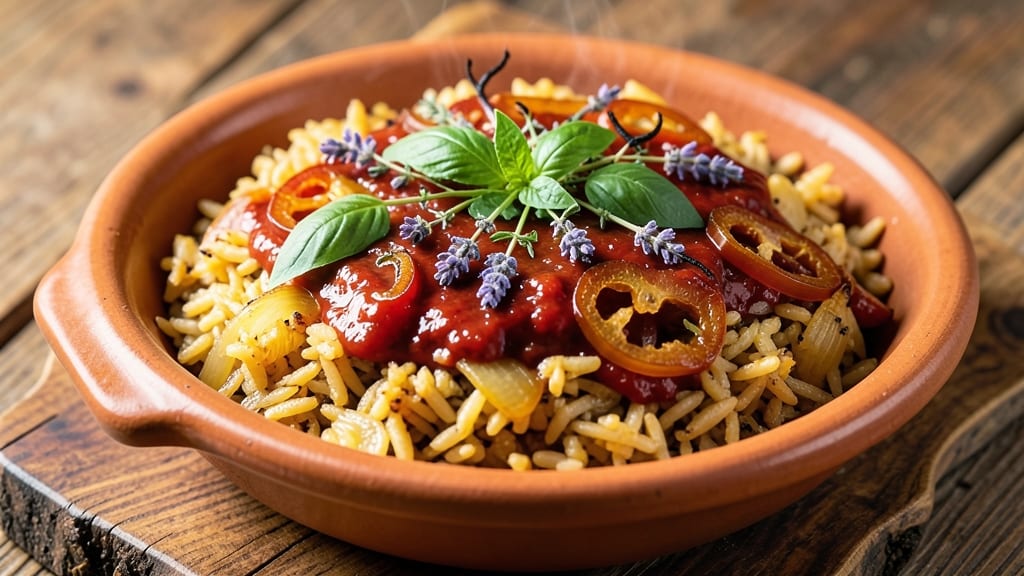
This Cameroonian jollof rice recipe delivers the perfect balance of smoky tomato depth and aromatic basil, crowned with a golden, crispy topping that makes every bite irresistible.
The secret lies in slow-cooked tomato paste and Scotch bonnet peppers, which infuse the rice with a signature heat that lingers long after the first forkful. Unlike its West African cousin, this version incorporates thyme and bay leaves for an earthy complexity that feels authentically Cameroonian.
What sets this dish apart is the crispy, caramelized crust that forms on top—a result of careful layering and a final broil that transforms the rice into a showstopper.
Whether you're serving it with grilled chicken, tender beef, or flaky fish, the rich, slightly tangy sauce clings to every grain, creating a harmonious blend of textures and flavors.
This recipe delivers restaurant-quality results with a method that’s approachable for home cooks, ensuring you’ll bring the bold flavors of Cameroon to your table without compromise.
Ingredients for cameroonian jollof rice
Sixteen ingredients transform into a restaurant-worthy Cameroonian jollof with smoky depth and crispy perfection.
| Ingredient | Amount | Notes |
|---|---|---|
| Long-Grain White Rice 🍚 | 2 cups | Uncooked, rinsed thoroughly |
| Tomato Paste 🍅 | ½ cup | High-quality, no sugar added |
| Scotch Bonnet Peppers 🌶️ | 2 whole | Seeds removed, finely chopped |
| Yellow Onions 🧅 | 1 ½ cups | Finely diced, about 2 medium |
| Fresh Basil Leaves 🌿 | ½ cup | Packed, stems removed |
| Fresh Thyme Sprigs 🌿 | 1 tbsp | Leaves only, chopped finely |
| Bay Leaves 🍃 | 2 whole | Fresh preferred, dried works |
| Garlic Cloves 🧄 | 6 cloves | Peeled, minced finely |
| Vegetable Oil 🫒 | ½ cup | For cooking, neutral flavor |
| Chicken or Vegetable Stock 💧 | 2 ½ cups | Low-sodium preferred |
| Butter 🧈 | 4 tbsp | Unsalted, melted for topping |
| All-Purpose Flour 🌾 | 2 tbsp | For crispy topping |
| Salt 🧂 | 1 ½ tsp | Kosher or sea salt |
| Black Pepper 🌶️ | ½ tsp | Freshly ground preferred |
| Ground Ginger 🌿 | 1 tsp | Fresh grated is ideal |
The Scotch bonnet peppers are non-negotiable—they bring the signature heat that defines this dish. African or Caribbean markets usually carry them fresh, but if you can't find them, habaneros work in a pinch (use half the amount). For the tomato paste, San Marzano is ideal—its sweetness balances the heat beautifully. The basil and thyme should be fresh if possible; dried herbs will work but lack that bright, aromatic punch. If you're using dried, measure out one-third the amount of fresh. The bay leaves add earthiness, so don't skip them—just remove them before serving.
No Scotch bonnet? Red pepper flakes or cayenne can mimic the heat, but you'll lose that fruity depth. The tomato paste can be swapped for blended fresh tomatoes (about 2 cups), though you'll need to simmer them down. For a vegetarian version, use vegetable stock instead of chicken stock—it won't affect the flavor at all. The butter and flour for the crispy topping are key; don't substitute with margarine, as it won't brown the same way. If you're short on time, you can toast the flour and butter mixture separately and sprinkle it on top at the end for a quicker crisp.
This dish tastes even better the next day, so make it ahead if possible. Store the rice in an airtight container in the fridge for up to 4 days, or freeze for 3 months—just reheat gently with a splash of water or stock. The crispy topping will soften slightly when reheated, so broil for 2-3 minutes before serving to restore that golden crunch. For leftovers, the sauce clings beautifully to the rice, making it perfect for sandwiches or bowls the next day.
Why You'll Love This Recipe
- One-Pot Magic: I swear by this recipe because it’s all in one pot—no rice burner, no sticky mess. Just chop the onions, blend the peppers with tomato paste, and let the rice simmer in the same sauce. Honestly, my weeknights thank me.
- Heat That Stays: That Scotch bonnet isn’t just for show—it lingers. The slow-cooked peppers and tomato paste deepen into a smoky, slightly spicy richness that clings to every grain. Between us, I’ve seen grown adults go back for thirds.
- Leftovers? Better: This rice improves the next day, especially if you let it sit overnight. The flavors meld, the rice gets that perfect firm-yet-tender bite, and reheating takes two minutes. (Yes, even on a Tuesday night.)
- Budget Crowd-Pleaser: A single bag of rice, a can of tomato paste, and a handful of peppers stretch to feed six for under $10. Add whatever protein’s on sale—grilled chicken, beans, or even just fried plantains—and suddenly you’ve got a party dish that doesn’t break the bank.
Step-by-step instructions for Cameroonian jollof rice
Master the art of this West African classic with its signature smoky tomato-basil flavor and golden crispy topping.
Build the Flavor Base with Aromatics and Tomato
Heat the 0.5 cup vegetable oil in a large, heavy-bottomed pot over medium-high heat. Add the 1.5 cups finely diced yellow onions and cook for 5-7 minutes until they soften and begin to caramelize—this deepens the flavor foundation. Add the 6 minced garlic cloves and cook for 30 seconds until fragrant.
Next, stir in the 0.5 cup tomato paste and cook for 2-3 minutes until it darkens slightly. This step develops the rich, smoky tomato base that defines Cameroonian jollof. Add the 2 finely chopped Scotch bonnet peppers (seeds removed) and cook for 1 minute to release their heat. Finally, add the 1 tbsp finely chopped fresh thyme sprigs, 2 bay leaves, and 1 tsp ground ginger. Stir well and cook for 1 minute to infuse all the aromatics into the tomato mixture.
Develop the Sauce and Add Rice
Pour in the 2.5 cups chicken or vegetable stock and bring the mixture to a boil. Reduce heat to medium-low and let it simmer for 5 minutes to allow the flavors to meld. Add the 2 cups rinsed long-grain white rice and stir gently to coat the grains evenly with the sauce.
Bring the mixture back to a gentle boil, then reduce heat to low. Cover the pot with a tight-fitting lid and let it cook for 15 minutes without stirring. This initial cooking phase ensures the rice absorbs the flavorful liquid evenly. After 15 minutes, stir the rice gently to prevent sticking, then cover and cook for another 10 minutes. The rice should be tender but still slightly firm—it will finish cooking in the residual heat.
Create the Signature Crispy Topping
While the rice cooks, prepare the crispy topping by melting the 4 tbsp butter in a small saucepan over low heat. Remove from heat and whisk in the 2 tbsp all-purpose flour until smooth. Stir in 1.5 tsp salt and 0.5 tsp black pepper to create a thick, flavorful paste.
Once the rice is tender, remove the pot from heat and spread the butter-flour mixture evenly over the top of the rice using a spoon or spatula. The mixture should cover the entire surface. Return the pot to low heat and let it cook uncovered for 5-7 minutes, stirring occasionally, until the topping turns golden brown and crispy. This step is crucial for achieving the signature texture that sets Cameroonian jollof apart.
Finish with Fresh Basil and Rest
Remove the pot from heat and let it sit covered for 5 minutes to allow the rice to steam and absorb any remaining liquid. Stir in the 0.5 cup fresh basil leaves gently to distribute their bright, aromatic flavor throughout the dish. Taste and adjust the seasoning if needed—Cameroonian jollof should balance heat, smokiness, and savory notes.
Serve immediately with a side of grilled meats, fried plantains, or a fresh salad. The crispy topping should contrast beautifully with the tender, flavorful rice beneath, delivering the perfect balance of textures and flavors in every bite.
Pro Tips For Making Cameroonian Jollof Rice
- BLISTER THE ONIONS FIRST: Start with a dry pot over medium-high heat—no oil yet. Toss in the sliced yellow onions and let them sizzle until deeply golden, almost caramelized, before adding oil. This builds a rich, sweet base that cuts through the heat of the Scotch bonnet later. (Yes, it’ll look like you’re making French fries first, but it’s worth it.)
- DILUTE THE TOMATO PASTE: Skip the clumpy mess—mix your tomato paste with a splash of water or broth before adding it to the pot. Stir it into a smooth paste first, then cook it down. I learned this the hard way after scraping burnt chunks off my pot for the third time.
- COOK THE RICE IN THE SAUCE: Don’t rinse the rice—Cameroonian jollof relies on the sauce clinging to each grain. Parboil it separately, then fold it into the simmering sauce with the liquid still clinging. The rice will absorb the flavor while staying tender, not mushy. (Your future self will curse you if you skip this.)
- SWEAT THE SCOTCH BONNET: Remove the seeds and membranes from the Scotch bonnet, then finely chop it and cook it in oil for 2 minutes before adding other ingredients. This mellows the raw heat and lets the flavor meld into the sauce instead of overwhelming it. (Trust me, your mouth will thank you later.)
Wine and beer pairings for these flavors
Spicy Tomato Wine
Cameroonian jollof’s bold tomato and Scotch bonnet heat pairs beautifully with a bold red wine that can stand up to the smoky depth. I always reach for a Syrah from Cameroon’s neighbor, South Africa—look for Delaire Graff or Kanonkop.
The wine’s dark fruit and peppery notes mirror the jollof’s tomato base while its acidity cuts through the richness. Serve slightly chilled (55°F) to enhance the wine’s brightness against the dish’s heat. 🍷
Craft Beer Balance
For beer lovers, a West African-inspired pale ale or Belgian witbier works wonderfully. Try Cameroonian-style beers like Guinness Cameroon (a local lager) or a Belgian Saison—the latter’s fruity esters and spicy yeast notes complement the dish’s complexity.
The Saison’s citrusy hop finish also cleanses the palate between bites of crispy-topped jollof. 🍺
Malty Stout Contrast
A dark, malty stout like Guinness Original or Samuel Smith’s Oatmeal Stout adds a rich, toasty contrast to the jollof’s smoky tomato sauce. The stout’s caramel and coffee notes harmonize with the Scotch bonnet’s heat, while its creamy mouthfeel balances the dish’s crispy texture.
Serve at room temperature to let the stout’s depth shine alongside the jollof’s bold flavors.
Non-Alcoholic Pairings
For a refreshing non-alcoholic option, try a hibiscus-infused sparkling water (common in Cameroon) with a squeeze of lime. The tartness brightens the dish’s smoky richness, while the effervescence cleanses the palate. Alternatively, a ginger beer with a hint of spice mirrors the jollof’s ginger and Scotch bonnet heat. 💧
Regional Beer Twist
If you can find it, Cameroonian-style palm wine (traditionally fermented from palm sap) is the ultimate pairing—its tropical fruit and fermented notes echo the jollof’s tomato-basil profile.
For a modern substitute, mix 1 part pineapple juice with 2 parts sparkling water** and a dash of lime for a refreshing, locally inspired drink. 🌴
Nutrition facts
Frequently asked questions
What makes Cameroonian jollof different from Nigerian or Ghanaian versions?
The Cameroonian version stands out with its signature use of fresh basil and thyme—herbs that give it a brighter, more aromatic profile. Unlike its West African neighbors, it also incorporates bay leaves for an earthy depth and often features a crispier, caramelized topping made with butter and flour. The Scotch bonnet peppers add a fruity heat that's less common in other regional jollofs.
Can I use dried herbs instead of fresh?
Yes, but use one-third the amount of dried herbs compared to fresh. For example, 1 teaspoon dried thyme replaces 1 tablespoon fresh thyme. Dried herbs lack the vibrant aroma of fresh, so if possible, opt for fresh basil and thyme—they’re key to that authentic Cameroonian flavor. If you must use dried, crush them lightly before adding to release more flavor.
Why does the rice turn out mushy?
Overcooking or using too much liquid are the most common causes. Always use a heavy-bottomed pot and reduce heat to low after the initial boil. The rice should cook in 25-30 minutes total—not longer. For extra insurance, let the rice sit covered off the heat for 5 minutes after cooking to finish steaming. If your rice is still mushy, try using jasmine rice instead of long-grain white next time.
How do I adjust the heat level?
Remove the seeds and membranes from Scotch bonnet peppers to reduce heat, or use half the amount (1 pepper instead of 2). For milder heat, replace them with 1-2 habaneros or 1 teaspoon red pepper flakes. If the dish is already too spicy, stir in 1 tablespoon plain yogurt or 1 teaspoon sugar to balance the heat. Always taste as you go!
Can I make this recipe in an Instant Pot?
Sauté the onions, garlic, tomato paste, and peppers as directed, then add the stock and rice. Cook on high pressure for 4 minutes, then let it naturally release for 10 minutes. For the crispy topping, spread the butter-flour mixture on top and broil for 3-5 minutes until golden. The Instant Pot version cooks faster but may need extra attention to prevent sticking.