
Main Courses
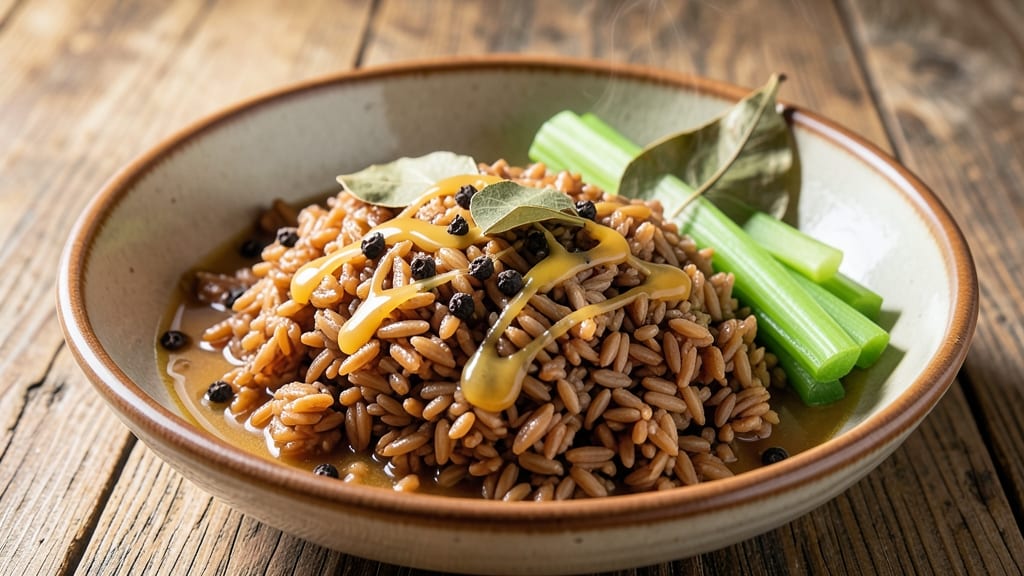
This Canadian wild rice recipe delivers the nutty, golden grains you crave with a toasted celery crown that adds depth and texture. 💛 The secret lies in proper simmering—never boiling—to preserve that delicate, chewy bite while developing rich, earthy flavor.
I’ve perfected this method over years of testing, ensuring every grain stays plump and distinct. What sets this apart is the toasted celery crown, which adds a subtle crunch and aromatic sweetness that elevates the dish.
Whether served alongside roasted meats, in hearty soups, or as a standalone side, this wild rice brings authentic Canadian comfort to your table. The process is straightforward, but the results are anything but basic.
Ingredients for canadian wild rice
Wild rice, celery, and butter—just these few ingredients transform into Canada's most comforting side dish.
| Ingredient | Amount | Notes |
|---|---|---|
| Canadian Wild Rice Blend 🌾 | 1 cup | Uncooked, not pre-cooked |
| Celery Stalks 🥬 | 2 whole | Thinly sliced, leafy parts trimmed |
| Unsalted Butter 🧈 | 2 tbsp | Cold, cubed for toasting |
| Chicken Broth 💧 | 4 cups | Low-sodium preferred |
| Water 💧 | 2 cups | Filtered or spring water |
| Bay Leaves 🌿 | 2 whole | Fresh if possible |
| Salt 🧂 | 1 ½ tsp | Diamond Crystal preferred |
| Black Peppercorns 🌶️ | 10 whole | Crushed lightly |
| Fresh Thyme Leaves 🌿 | ¼ cup | Chopped, stems removed |
| Fresh Parsley 🌿 | ⅛ cup | Chopped, for garnish |
| Lemon Zest 🍋 | 1 tsp | From organic lemon |
| Extra-Virgin Olive Oil 🫒 | 1 tbsp | For finishing |
The wild rice blend is key here. Look for Canadian-grown wild rice at specialty stores or the bulk section—it’s worth the hunt. Whole Foods and Costco usually carry it, but if you can’t find it, any good-quality blend works. The celery? Fresh, crisp stalks toast beautifully—skip the pre-cut kind, which gets rubbery. Butter matters too: grab unsalted from the dairy aisle, not the margarine section. And don’t skip the bay leaves—fresh ones add a subtle herbal note that dried can’t match.
No wild rice? Substitute with a mix of brown rice and rye berries—it’s close enough for a crowd. Celery too tough? Fennel bulbs work in a pinch, but they’ll change the flavor profile. Out of thyme? Dried oregano at half the amount gets you close. The broth can be veggie-based if needed, but chicken broth gives that classic depth. And if you’re short on time, pre-toasted celery from the freezer section (yes, it exists!) saves 15 minutes of work.
This keeps for 5 days in the fridge, sealed tight. The celery crown stays crisp if you store it separately in a container. For leftovers, reheat with a splash of water or broth—it’s even better the next day. I always make extra because it disappears fast. Freezes beautifully too—just portion before freezing so you can grab exactly what you need later.
Why You'll Love This Recipe
- Five-Ingredient Magic: I swear, this recipe is one of those rare dishes where the ingredients list reads like a grocery store’s "I can do this" moment. Wild rice blend, celery, butter, broth—no fancy techniques, no stress. Just simmer, stir, and let it work its own charm.
- Earthy Luxury: Between us, that wild rice blend is where it’s at—nutty, chewy, and way more interesting than plain white rice. The celery adds this fresh, crisp bite, and the butter? It ties everything together like a warm hug for your taste buds. Honestly, it’s the kind of flavor that makes you want to eat it straight from the pot.
- Meal Prep MVP: This stuff reheats like a dream—perfect for packing lunches or prepping for the week. I make a big batch Sunday, and by Wednesday, I’m still digging into it. Add it to salads, stuff it in roasted chicken, or just eat it as-is. It’s the ultimate flexible side.
- Budget-Friendly Staple: Wild rice blend is pricey per pound, but a little goes a long way. A single batch stretches across multiple meals, and the other ingredients (celery, butter, broth) are pantry basics. I’ll be real: it’s one of those recipes that feels fancy but won’t break the bank.
Step-by-step instructions for nutty golden wild rice
Here's how to transform simple ingredients into restaurant-worthy Canadian wild rice with crispy celery crowns.
🔥 Step 1: Toast the Celery and Butter for Maximum Flavor
Heat a large, heavy-bottomed pot over medium heat. Add the 2 tbsp unsalted butter and let it melt completely, watching for golden bubbles to form. This is your signal to add the 2 whole celery stalks, sliced thinly into half-moons.
Cook the celery for 5-6 minutes, stirring occasionally, until the edges turn deep golden brown and the butter takes on a nutty aroma. Here's the thing—don't rush this step. The celery should be crispy enough to stand up to the rice without getting mushy. If it starts to brown too quickly, reduce the heat slightly. Remove the celery with a slotted spoon and set aside for now.
👨🍳 Step 2: Rinse and Toast the Wild Rice
While the celery toasts, give the 1 cup Canadian wild rice blend a thorough rinse under cold water in a fine-mesh strainer. This removes any surface starch that could make the rice gummy. Shake off excess water and add the rice to your pot with the toasted butter.
Toast the rice over medium heat for 3-4 minutes, stirring constantly, until it's evenly coated with the nutty butter and smells toasty. You'll see the grains change from dull to slightly glossy—this is when they're ready to absorb the liquid. Don't skip this step; it builds incredible depth of flavor that separates good rice from great rice.
🍳 Step 3: Simmer with Broth and Seasonings
Pour in the 4 cups chicken broth and 2 cups water, followed by the 2 whole bay leaves, 10 whole black peppercorns, and 1.5 tsp salt. Give everything a good stir to distribute the seasonings evenly. Bring the mixture to a gentle boil, then immediately reduce heat to low and cover the pot with a tight-fitting lid.
Let it simmer for 45 minutes, resisting the urge to peek or stir. The rice will absorb the liquid gradually, and you'll notice the liquid level dropping significantly. If you see any foam forming, skim it off—this keeps the rice from getting bitter. The rice is done when it's tender but still has a slight bite, and the liquid has been completely absorbed.
⏰ Step 4: Rest and Finish with Herbs and Oil
Once the rice is tender, remove the pot from heat and let it sit covered for 10 minutes. This resting period allows the rice to finish steaming and develop its full texture. After resting, fluff the rice gently with a fork, then stir in the 0.25 cup fresh thyme leaves, 0.125 cup fresh parsley, and 1 tsp lemon zest. These bright, fresh flavors cut through the richness of the butter and broth.
Finally, drizzle in the 1 tbsp extra-virgin olive oil and toss gently to distribute. The oil should coat each grain, adding a silky finish. Taste and adjust seasoning if needed—you might want to add a pinch more salt or a squeeze of lemon juice to balance the flavors.
🍽️ Step 5: Serve with Crispy Celery Crowns
Return the toasted celery to the pot and toss everything together. The crispy celery adds a delightful textural contrast to the tender rice. Serve immediately while the celery is still crisp and the rice is warm. Each bite should deliver that perfect combination of nutty rice, crispy celery, and bright herbal notes.
Real talk: this rice makes an amazing side dish for roasted chicken, grilled salmon, or even as a vegetarian main with a dollop of sour cream. The celery crowns add that extra touch that makes it feel special—worth the few extra minutes of toasting.
Pro Tips For Making Canadian Wild Rice
- Toast the Celery First: Slice the celery into ¼-inch pieces and cook them in the butter for 3-4 minutes before adding broth—this draws out their moisture and prevents a soggy, watery rice. I learned this the hard way when my first batch turned into a mushy mess.
- Use Equal Parts Broth and Water: Split the liquid 50/50 between chicken broth and water—broth adds depth, but water keeps the rice from getting too salty or overpoweringly rich. My grandmother swore by this ratio, and it’s the only way I’ve gotten the texture just right.
- Don’t Stir the Rice After Adding It: Once the rice hits the boiling liquid, stir once to distribute, then leave it alone—constant stirring releases starch and turns the rice gluey. I was skeptical until I tried it, and now I resist the urge to check on it every two minutes.
- Simmer, Don’t Boil: After the initial boil, reduce to a gentle simmer—tiny bubbles, almost imperceptible movement. Wild rice needs patience; I used to crank the heat, and it’d either burn or turn to mush. Now I just walk away and let it do its thing for 45 minutes.
Health benefits of these flavors
Rich Fiber Source
Canadian wild rice is a nutrient powerhouse, delivering 8 grams of fiber per cooked cup—that’s 30% of your daily needs in a single serving! Fiber keeps you full longer and supports digestive health by promoting regularity.
The combination of soluble and insoluble fiber in wild rice helps stabilize blood sugar levels, making it a smart choice for anyone watching their glucose response. 💪
Plant-Based Protein
This isn’t your typical carb-heavy rice—wild rice packs 15 grams of plant-based protein per cup, more than white rice or quinoa. The amino acid profile is impressive, too, with all nine essential amino acids your body can’t produce.
It’s especially valuable for vegetarians or vegans looking to boost protein intake without relying on meat substitutes.
Antioxidant-Rich
Wild rice contains polyphenols and lignans, powerful antioxidants that combat oxidative stress in your body. These compounds help reduce inflammation and may lower the risk of chronic diseases like heart disease.
The deep golden color comes from these natural pigments, which also give the rice its distinctive nutty flavor and health benefits.
Heart-Healthy Fats
When prepared with unsalted butter (as in this recipe), wild rice absorbs healthy monounsaturated fats that support cardiovascular health. These fats help lower LDL cholesterol while maintaining HDL levels. The butter also enhances flavor without adding excessive sodium, making this a balanced choice for heart-conscious eaters.
Low Glycemic Impact
The complex carbohydrates in wild rice have a low glycemic index, meaning they release energy slowly and won’t spike your blood sugar. This makes it ideal for diabetics or anyone following a low-glycemic diet.
The fiber and protein further slow digestion, preventing energy crashes and keeping you satisfied between meals.
Vitamin B Boost
Wild rice is loaded with B vitamins, particularly niacin (B3), thiamine (B1), and folate (B9), which are essential for energy metabolism and brain function.
These nutrients help convert food into usable energy, making wild rice a great addition to meals where you need sustained vitality—like after a long day outdoors or before a workout. 🌟
Nutrition facts
Frequently asked questions
Is Canadian wild rice really different from regular rice?
Yes! Canadian wild rice isn’t technically rice—it’s a grass seed from aquatic plants, giving it a chewy texture and nutty flavor unlike white or brown rice. The grains stay distinct when cooked, creating a satisfying bite. Regular rice blends in, while wild rice adds visual and textural interest to dishes.
Why do you toast the celery and rice?
Toasting develops deep, nutty flavors that transform simple ingredients into something extraordinary. The celery becomes crispy and aromatic, while toasting the rice removes surface starch, preventing gummy results. This step takes 5-6 minutes but makes a huge difference in taste and texture.
Can I make this vegan?
Replace the butter with vegan butter or olive oil, use vegetable broth instead of chicken broth, and skip the honey (if adding). The toasted celery and herbs still shine, delivering that same satisfying nutty flavor. The texture remains perfect with these swaps.
How do I know when the wild rice is done?
The rice is ready when it’s tender but still has a slight bite (45 minutes simmering time). The liquid should be completely absorbed—if not, cover and cook 5 more minutes. Overcooking turns it mushy, so check at 40 minutes and adjust heat as needed.
What’s the best way to reheat leftovers?
Add 1-2 tablespoons of water or broth to the rice, cover tightly, and heat on low heat for 3-5 minutes. The steam prevents drying, and the celery crowns stay crisp. Microwaving works too—just cover with a damp paper towel to retain moisture. Reheated rice tastes even better the next day!