
Main Courses
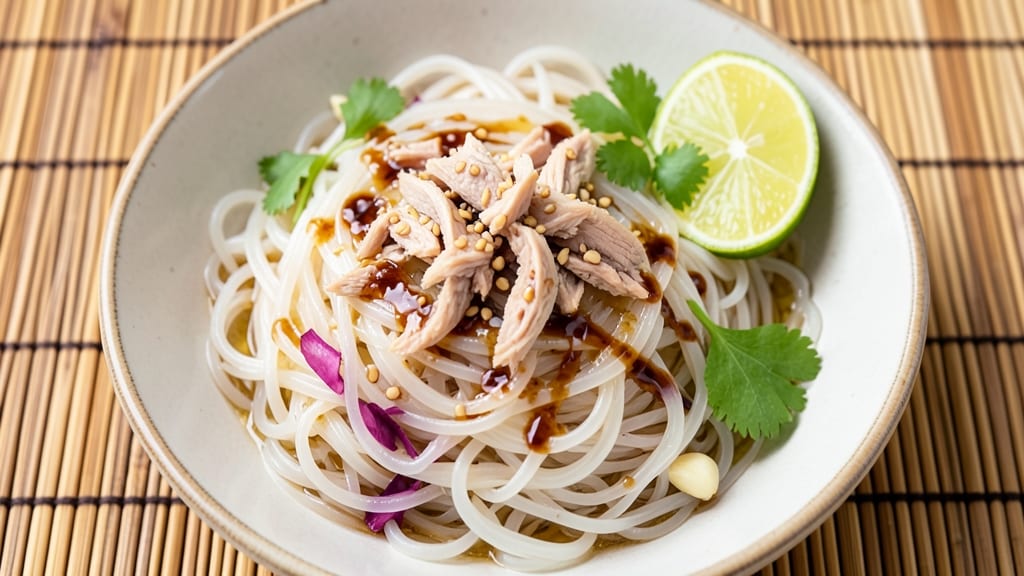
This canned tuna rice noodles recipe transforms pantry staples into a protein-packed meal in just 15 minutes—perfect for busy weeknights when you need something fast yet satisfying.
The secret lies in balancing the briny richness of canned tuna with the delicate chew of rice noodles, elevated by a simple sauce that adds depth without complexity. No fancy ingredients required, just a few essentials that come together effortlessly.
What you’ll end up with is a dish that’s light yet filling, with tender noodles absorbing the savory flavors of the tuna and sauce while staying just firm enough to hold its shape. The texture is ideal—no mushy noodles here—thanks to a quick soak and a hot wok or skillet.
This recipe is designed to be adaptable, so you can customize it with your favorite seasonings, whether it’s a splash of soy sauce, a squeeze of lime, or a sprinkle of chili flakes.
Serve it as-is for a no-frills meal, or pair it with steamed greens or a simple cucumber salad for a complete plate.
Ingredients for canned tuna rice noodles
Pantry staples plus a few fresh touches—this dish comes together faster than takeout.
| Ingredient | Amount | Notes |
|---|---|---|
| Rice Noodles 🍜 | 8 oz | Thin or medium width, uncooked |
| Canned Tuna in Water 🐟 | 2 cans | Drained, high-quality preferred |
| Low-Sodium Soy Sauce 🍶 | 2 tbsp | For umami depth |
| Lime Juice 🍋 | 2 tbsp | Freshly squeezed |
| Sesame Oil 🌰 | 1 tbsp | Toasted for aroma |
| Garlic Cloves 🧄 | 2 cloves | Minced or finely chopped |
| Green Onion 🧅 | 2 whole | Thinly sliced, white and green parts |
| Vegetable Oil 🫒 | 1 tbsp | For wok or skillet |
| Sesame Seeds 🌱 | 1 tbsp | Toasted for garnish |
| Red Chili Flakes 🌶️ | ½ tsp | Adjust to taste |
| Salt 🧂 | ½ tsp | To taste |
| Black Pepper 🌶️ | ¼ tsp | Freshly ground |
| Fresh Cilantro 🌿 | ¼ cup | Chopped, for garnish |
Rice noodles are the star here—Thai Kitchen brand is my go-to, but any rice noodles work. Grab the medium or thin width for that perfect chewy texture. The tuna? Wild-caught in water is ideal—it’s leaner and has a cleaner flavor. If you’re using oil-packed tuna, drain it well and pat dry. The garlic and green onion? Fresh is best, but frozen chopped garlic in a pinch works too. I always buy extra green onion because it adds that bright pop of color and freshness at the end.
No soy sauce? Coconut aminos or fish sauce work in a pinch. Short on lime? Lemon juice at double the amount gets you close. Sesame oil is non-negotiable for that nutty aroma, but if you’re avoiding it, toasted peanut oil is a decent swap. The chili flakes can be omitted if you’re sensitive to heat—just add more lime instead. For extra protein, toss in peeled shrimp or shredded rotisserie chicken at the end. And if you’re feeling fancy, a fried egg on top turns this into a full meal.
Noodles keep for 6 months in a sealed container, so stock up. Tuna lasts 2-3 days once opened, so use it up or store it in the fridge with a squeeze of lemon. This dish reheats beautifully—just add a splash of water or soy sauce to keep it moist. I make a double batch on Sundays and portion it into containers for quick lunches all week. The flavors actually improve the next day as everything melds together.
Why You'll Love This Recipe
- Pantry Magic Unlocked: I swear by this one—open the fridge, grab what’s there, and boom. The tuna’s already drained, the noodles soak in seconds, and that first spoonful of lime-zinged soy sauce? It’s like a flavor shortcut that actually works.
- Umami-Packed Punch: Between the flaky tuna, the salty-sweet soy, and a hit of lime, this dish has layers. The sesame oil ties it all together—nutty, warm, and just a little bit addictive. Honestly, it’s the kind of simple meal that makes you want to eat it every day.
- Lunchbox Hero: Cold noodles? Perfect for meal prep. Toss them in a container with a squeeze of lime, and they’re ready for work or school. (Yes, even on a Tuesday night.) My kid’s gym teacher actually asked for the recipe—no joke.
- Budget Meal, Big Payoff: Three bucks for tuna, a dollar for noodles, and you’ve got a filling, protein-packed dinner. The leftovers? Just as good the next day—if they last that long. Between us, I’ve reheated this cold straight from the fridge. No shame.
Step-by-step instructions for quick tuna rice noodles
This dish comes together faster than you can say "lunch break." Here's how to make it shine.
Prep the Noodles and Aromatics
Fill a medium bowl with very hot water and add the 8 oz rice noodles. Let them soak for exactly 8-10 minutes until pliable but still slightly firm to the bite. I like to check at the 7-minute mark—when they're just starting to soften, that's your cue to stop timing and let them finish absorbing water.
While the noodles soak, mince the 2 cloves garlic cloves and thinly slice the 2 whole green onions. Chop the 0.25 cup fresh cilantro, keeping the stems for garnish if you like. Toast the 1 tbsp sesame seeds in a dry skillet over medium heat for 1-2 minutes until fragrant and lightly golden. Set them aside—they'll add nutty crunch to your dish.
Cook the Garlic and Build the Sauce
Heat the 1 tbsp vegetable oil in a large skillet or wok over medium heat. Add the minced garlic and stir constantly for 30 seconds until fragrant but not browned—garlic burns fast, so keep your eye on it. Add the 0.5 tsp red chili flakes and stir for another 10 seconds to toast their flavor.
Pour in the 2 tbsp low-sodium soy sauce and 1 tbsp sesame oil, stirring to combine. Let the mixture simmer for 1 minute until slightly reduced. This builds the flavor base for your noodles. The sauce should coat the back of a spoon but still be pourable.
Combine Everything and Finish
Drain the soaked rice noodles and add them to the skillet with the garlic sauce. Use tongs to gently toss everything together for 1-2 minutes until the noodles are heated through and coated in the sauce. Here's where it gets good—add the drained 2 cans canned tuna in water and stir gently to distribute.
Squeeze in the 2 tbsp lime juice and sprinkle with the 0.5 tsp salt and 0.25 tsp black pepper. Toss everything together one final time. The lime brightens the dish and cuts through the richness of the tuna and sesame oil. Taste and adjust seasoning if needed—you might want a touch more soy sauce or lime depending on your preference.
Serve with Fresh Toppings
Divide the noodles among 4 bowls. Top each serving with the toasted sesame seeds and sliced green onions. Sprinkle with the chopped cilantro just before serving—this keeps the herb's vibrant color and fresh flavor. The contrast of textures and temperatures makes this dish truly special.
Serve immediately while hot. The noodles should be tender but still hold their shape, and the tuna should be warm throughout. Each bite delivers that perfect balance of savory, tangy, and slightly spicy flavors. This meal is ready in under 15 minutes—perfect for busy weekdays or a quick lunch.
Pro Tips For Making Canned Tuna Rice Noodles
- Drain and Rinse Noodles: Rice noodles stick like glue when overcooked—trust me, I’ve made this mistake. Drain them just before tossing with the tuna, then rinse briefly under cold water to stop the cooking. They’ll hold their shape better and absorb the dressing without turning mushy.
- Drain Tuna Dry: Skimping here means soggy noodles. Drain the canned tuna thoroughly and press it gently with a fork to squeeze out excess water. Wet tuna dilutes the dressing and makes the dish taste bland—no one wants that.
- Start with Hot Noodles: Cold noodles soak up dressing unevenly, leaving some dry. Heat the drained noodles in the same pot you’ll use for the dish—just a splash of water and 30 seconds on high heat—so the dressing clings perfectly from the start.
- Add Lime Last: The acid in lime juice breaks down the tuna’s texture if mixed in too early. Toss it in after everything else is combined, right before serving. This keeps the tuna flaky and the noodles firm—no one wants a mushy mess.
Regional styles of canned tuna rice noodles
Vietnamese-Inspired Pho Tuna
This version swaps beef broth for a lighter, tuna-based interpretation of Pho. Use 1 tbsp fish sauce (like Red Boat) instead of soy sauce, and add 1 cinnamon stick and 2 star anise pods to the garlic sauce.
Simmer for 5 minutes before adding noodles. Top with thinly sliced jalapeño and hoisin sauce for authentic flavor. 🌶️
Japanese Tuna Donburi
For a donburi-style bowl, replace sesame oil with 1 tbsp mirin and 1 tbsp soy sauce in the sauce. Add 1 tbsp grated ginger and 1 tbsp ketchup for a sweet-savory twist.
Serve over steamed jasmine rice instead of noodles, and top with a soft-boiled egg and furikake seasoning. This version feels heartier and more comforting.
Thai-Inspired Tuna Pad Thai
Transform this into a Pad Thai by adding 2 tbsp tamarind paste (or 1 tbsp lime juice + 1 tbsp brown sugar) to the sauce. Toss in 1 cup bean sprouts and 2 tbsp crushed peanuts at the end.
Garnish with lime wedges and extra chili flakes. For extra protein, stir in 2 tbsp crushed peanuts and 1 tbsp palm sugar after cooking. 🍋
Korean Kimchi Tuna Noodles
Add 2 tbsp chopped kimchi (with some juice) to the skillet with the garlic. Cook for 1 minute to soften, then proceed with the recipe. Finish with 1 tsp gochujang (Korean chili paste) and 1 tsp sesame seeds.
This version brings a tangy, spicy kick that pairs perfectly with the tuna. The kimchi’s acidity brightens the dish beautifully.
Cajun Spicy Tuna Noodles
Swap the chili flakes for 1 tbsp Cajun seasoning (like Tony Chachere’s) and add ½ tsp smoked paprika to the sauce. Stir in 1 tbsp chopped green bell pepper and 1 tbsp chopped celery with the garlic.
Top with extra lime juice and chopped fresh parsley for a Louisiana-inspired twist. 🔥
Mediterranean Lemon-Herb Tuna
Replace sesame oil with 1 tbsp extra-virgin olive oil and add 1 tsp dried oregano and ½ tsp lemon zest to the sauce. Garnish with kalamata olives and crumbled feta cheese.
This version feels fresh and bright, perfect for a light lunch. The olive oil adds a rich, fruity depth that complements the tuna beautifully.
Nutrition facts
Frequently asked questions
Can I use oil-packed tuna instead of water-packed?
Yes, but drain it thoroughly and pat dry with a paper towel first. Oil-packed tuna has a richer flavor that pairs well with the dish, though it's slightly higher in fat. For every 1 can of oil-packed tuna, reduce the sesame oil in the recipe by 0.5 tbsp to balance the richness.
How do I prevent the rice noodles from getting mushy?
Soak the noodles for exactly 8-10 minutes in hot water, then drain immediately. Over-soaking is the main culprit for mushiness. For extra insurance, rinse the drained noodles under cold water for 10 seconds before adding them to the skillet. This stops the cooking process and helps maintain their chewy texture.
What are the best ways to store leftovers?
Store leftovers in an airtight container in the fridge for up to 3 days. Reheat gently in a skillet with a splash of water or soy sauce to restore moisture. For longer storage, freeze portions for up to 1 month. Thaw overnight in the fridge before reheating. The flavors actually deepen when reheated, making it perfect for meal prep!
Can I make this gluten-free?
Use tamari or coconut aminos instead of soy sauce, and ensure your rice noodles are certified gluten-free. Double-check the labels on sesame oil and fish sauce (if substituting) as some contain gluten. The recipe remains just as flavorful with these swaps.
Why does my dish taste bland?
Taste as you go! The most common reasons are under-seasoning or using low-quality tuna. Boost flavor by adding 1 extra tbsp of lime juice or 0.5 tsp more soy sauce. For extra depth, stir in 1 tsp fish sauce or a pinch of MSG (if you use it). Fresh herbs like cilantro or green onion also make a big difference.