
Main Courses
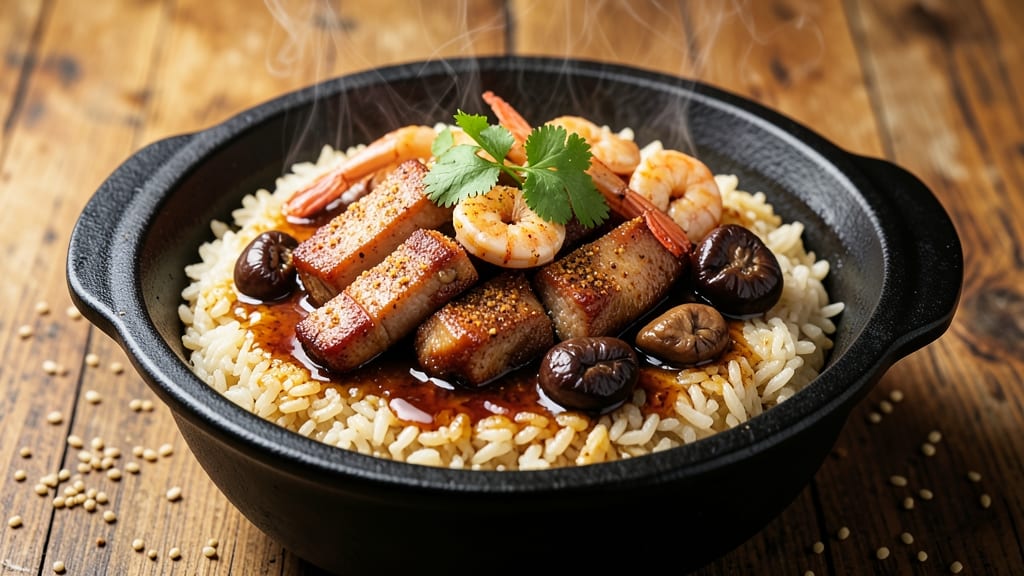
Cantonese claypot rice transforms a simple pot of rice into a fragrant, aromatic centerpiece that carries the soul of Cantonese cuisine. 💛 The secret lies in slow-cooking rice with a rich broth—whether pork ribs, dried shrimp, or vegetarian alternatives—until the grains develop a delicate, caramelized crust at the edges. This one-pot dish balances simplicity with depth, delivering restaurant-quality results at home.
The magic happens in the claypot itself, where layers of broth, protein, and rice meld into a harmonious blend of textures and flavors. Achieving that signature crispy bottom requires patience and heat control, but the reward is worth it: tender rice infused with five-spice aromas, perfect for sharing.
Whether you're cooking for a family gathering or a weeknight dinner, this recipe delivers authenticity without compromise.
Ingredients for cantonese claypot rice
Jasmine rice, aromatic spices, and protein combine for authentic Cantonese claypot perfection.
| Ingredient | Amount | Notes |
|---|---|---|
| Jasmine Rice 🍚 | 2 cups | Uncooked, long-grain preferred |
| Pork Ribs 🥩 | 1 ½ lb | Bone-in, cut into 2-inch pieces |
| Dried Shrimp 🦐 | ½ cup | Soaked in warm water for 10 mins |
| Chinese Five-Spice Powder 🌶️ | 1 tbsp | Authentic blend for aroma |
| Dried Shiitake Mushrooms 🍄 | ¼ cup | Sliced, rehydrated in broth |
| Light Soy Sauce 🥄 | ½ cup | For umami depth |
| Shaoxing Wine 🍷 | ¼ cup | Adds complexity |
| Fresh Ginger 🧄 | 2 tbsp | Finely minced, aromatic |
| Garlic Cloves 🧄 | 6 cloves | Minced, aromatic base |
| Vegetable Oil 🫒 | 2 tbsp | High smoke point |
| Water 💧 | 3 ½ cups | For rice cooking |
| Salt 🧂 | 1 ½ tsp | Kosher or sea salt |
| Sesame Oil 🫒 | 1 tsp | For finishing aroma |
| Green Onions 🧅 | ¼ cup | Sliced, for garnish |
The pork ribs should have visible marbling for flavor—ask your butcher to cut them into uniform 2-inch pieces if pre-cut isn't available. Dried shrimp from Asian markets (like H Mart or 99 Ranch) delivers superior texture; rinse thoroughly after soaking. Chinese five-spice powder is non-negotiable here—Penzeys or Spicewalla carry authentic blends that balance star anise, cloves, and cinnamon perfectly. For the mushrooms, rehydrate in warm water (not boiling) to preserve their delicate texture. The Shaoxing wine can be found in the Asian section of most grocery stores—Kikkoman is a reliable brand for consistent quality.
No pork ribs? Substitute chicken thighs (bone-in for flavor) or mushroom stems for vegetarian versions. Dried shrimp can be omitted entirely, but add 1 tsp seafood seasoning to mimic depth. Five-spice powder unavailable? Mix ½ tsp cinnamon, ¼ tsp cloves, ¼ tsp fennel seeds, and pinch of star anise as a substitute. The ginger and garlic can be pulsed in a food processor for even distribution, but mincing by hand releases more aromatic oils. Vegetable oil with a high smoke point (like Avocado Brand) prevents burning during searing. For the soy sauce, light (not dark) ensures proper color development without bitterness.
Rice absorbs flavors best when cooked fresh—use within 2 days of preparation for optimal texture. Store leftovers in an airtight container with a damp paper towel over the rice to prevent drying. The crispy bottom (the prized char siu crust) is best enjoyed immediately, but reheats beautifully in a dry skillet for 2-3 minutes. Freeze portions in single layers for up to 3 months—thaw overnight in the fridge before reheating. Garnish with green onions just before serving to preserve their vibrant color.
Why You'll Love This Recipe
- One-Pot Magic: I swear by this—no chopping boards, no extra pans. Just toss in the pork ribs, dried shrimp, and mushrooms, let the claypot do the work. That deep-fried aroma? It’s all happening in one spot.
- Umami Bomb: The five-spice powder and dried shrimp? Chef’s kiss. The pork gets sticky-sweet while the rice absorbs that funky, savory depth. Honestly, the first bite makes me forget about takeout.
- Weeknight Workhorse: Make a big batch Sunday, and you’ve got lunch covered all week. The rice stays fragrant, the ribs stay tender—just reheat and serve. My kids’ favorite, and they’re picky.
- Budget-Friendly Powerhouse: Dried shrimp and mushrooms stretch every ingredient. A few ribs go a long way, and the five-spice powder adds luxury without breaking the bank. Leftovers? Even better the next day.
Step-by-step instructions for Cantonese claypot rice
Master the art of claypot rice with this authentic method that balances rich aromatics and tender ingredients.
🍳 Step 1: Prepare the Protein and Aromatics
First, prepare the pork ribs by cutting them into 2-inch pieces and patting them dry with paper towels. This ensures even cooking and better flavor absorption. In a large bowl, combine the 1.5 lb pork ribs, 0.5 cup dried shrimp (after soaking in warm water for 10 minutes), 0.25 cup rehydrated dried shiitake mushrooms (sliced), 2 tbsp minced fresh ginger, and 6 cloves minced garlic. Mix gently to distribute the aromatics evenly.
In a separate small bowl, whisk together 0.5 cup light soy sauce, 0.25 cup Shaoxing wine, 1 tbsp Chinese five-spice powder, and 1.5 tsp salt. This marinade will infuse the pork with deep umami and aromatic complexity. Pour half of this mixture over the pork mixture and toss to coat thoroughly. Let it marinate for 30 minutes at room temperature while you prepare the rest.
🔥 Step 2: Sear the Pork Ribs for Maximum Flavor
Heat a claypot (or heavy-bottomed pot) over medium-high heat until it's smoking hot. Add 2 tbsp vegetable oil and swirl to coat the bottom evenly. Working in batches to avoid crowding, add the marinated pork ribs and sear for 3-4 minutes per side until they develop a deep golden-brown crust. This step is crucial—it locks in juices and builds rich fond at the bottom of the pot.
Once all pork is seared, transfer it to a plate and set aside. In the same pot, pour in the remaining marinade and scrape vigorously with a wooden spoon to release all the flavorful browned bits. Let this reduce by half over medium heat for 2-3 minutes, until it thickens slightly and clings to the pork when you return it to the pot.
👨🍳 Step 3: Layer the Rice and Cook to Perfection
Rinse the 2 cups jasmine rice under cold water until the water runs clear, then drain thoroughly. Spread the rice evenly over the seared pork in the pot, pressing down gently to create an even layer. Pour the 3.5 cups water over the rice, being careful not to disturb the pork underneath.
Cover the pot with a tight-fitting lid and bring to a rolling boil over high heat. Once boiling, immediately reduce heat to low and cook for 18-20 minutes. The rice should absorb all the liquid and cook through while steaming gently. Here's the thing—don't peek or lift the lid during this time. The steam is what creates that signature fragrant aroma and fluffy texture.
⏰ Step 4: Rest and Finish with Aromatic Touches
Once the rice is fully cooked (you'll know when the bottom of the pot is dry and the rice is tender), turn off the heat and let the pot rest for 10 minutes with the lid still on. This resting period allows the rice to absorb any remaining moisture and develop its signature texture. During this time, prepare the finishing touches by slicing the 0.25 cup green onions into ¼-inch pieces.
After resting, gently fluff the rice with a fork, being careful not to disturb the pork underneath. Drizzle 1 tsp sesame oil evenly over the surface, then sprinkle the sliced green onions on top. The sesame oil adds a delicate nutty aroma that complements the rich flavors, while the green onions provide a fresh contrast. Serve immediately in the claypot, allowing each person to scoop their portion of rice and pork together.
Pro Tips For Making Cantonese Claypot Rice
- SOAK DRY SHRIMP FIRST: I learned this the hard way—tossing dried shrimp straight into the pot means they’ll just float like sad little raisins. Soak them in warm water for 15 minutes first, then squeeze out excess moisture before adding. They’ll plump up, infuse the rice properly, and actually taste like shrimp instead of cardboard.
- CHAR THE RIB BONES: Skip the gentle sear, and you’ll miss the whole point. Get those pork ribs deep brown on high heat—crackling, smoky, and sticky—before adding anything else. This isn’t just for flavor; it’s the foundation of the dish. (Yes, even if you’re impatient like me.)
- DON’T STIR THE RICE: I used to treat claypot rice like stir-fry, constantly flipping and mixing. Wrong move. Once the rice is cooked, let it sit undisturbed for 5 minutes after heat’s off—this lets steam distribute evenly. Poking at it just turns it into mushy glue.
- USE COLD RICE FOR REHEATS: Leftovers? Start with cold rice straight from the fridge, not room temp. Add a splash of water, cover, and steam on medium-low for 10 minutes. Warm rice reheats into a sad, dry mess; cold rice absorbs moisture and stays fluffy. (Your future self will thank you.)
Wine and beer pairings for cantonese claypot rice
Light Chinese Beers
For Cantonese claypot rice, I always reach for light Chinese lagers like Tsingtao or Snow—their crisp, clean profiles cut through the dish's rich umami without overpowering it. The subtle malt sweetness complements the five-spice aromas beautifully. Serve chilled to highlight its refreshing contrast against the warm claypot. 🍺
Rice Wine Pairings
Traditional Chinese Shaoxing wine (the same used in the recipe) makes an elegant pairing when served slightly warmed. Its nutty, caramel notes echo the dish's five-spice complexity while adding depth. For a modern twist, try Huadiao Yellow Rice Wine—its floral hints balance the pork's richness. 🍷
Dry Riesling
A dry Riesling from Germany's Mosel region brings bright acidity that cleanses your palate between bites. Look for Dr. Loosen Blue Slate—its citrus and mineral notes mirror the dish's aromatic profile. The slight sweetness in the finish complements the sesame oil garnish. 💛
Spiced Tea Pairing
For non-alcoholic options, jasmine green tea with a pinch of star anise enhances the five-spice flavors. Brew lightly to preserve floral notes, then add a drop of rose water for an authentic Cantonese touch. Serve warm to maintain harmony with the dish's heat. 🌿
Beer vs. Wine Balance
Beer lovers should opt for light, unfiltered lagers—avoid heavy IPAs or stouts that would clash with the delicate rice texture. Wine drinkers should choose dry, medium-bodied whites with mineral notes. The key is balance: let the dish's aromatics shine while your beverage enhances, not competes with, its flavors. ✨
Nutrition facts
Frequently asked questions
Can I use a regular pot instead of a claypot?
A claypot is ideal for authentic texture and heat distribution, but you can use a heavy-bottomed stainless steel pot in a pinch. The key is maintaining even heat—avoid aluminum or thin pots that can burn the bottom. For best results, choose a pot with a tight-fitting lid to trap steam and create that signature crispy crust.
What's the secret to getting that crispy bottom?
The crispy crust forms when the rice absorbs all liquid and caramelizes at the edges. Use low heat after boiling, let the pot rest 10 minutes off heat, then finish with a quick sear in a dry skillet for 1-2 minutes per side. This technique mimics restaurant-style claypot rice while using any pot!
How do I make this vegetarian?
Swap pork ribs for shiitake mushrooms (1 lb) and firm tofu (1 block, pressed). Boost umami with 1 tbsp vegetarian oyster sauce and 1 tsp seaweed flakes. Use the same marinade but add ½ cup vegetable broth instead of pork fat. The five-spice powder remains essential for authentic flavor.
Can I prep this ahead of time?
Yes! Marinate the protein and prep aromatics 1 day ahead—store in airtight containers. For the rice, cook it 30 minutes early, then finish with sesame oil and green onions last minute. Keep warm in a 200°F oven until serving. The crispy bottom is best fresh but reheats well in a dry skillet.
What sides pair best with claypot rice?
Traditional pairings include stir-fried greens (like bok choy), pickled vegetables (for tangy contrast), or simple steamed dumplings. For modern twists, try cucumber salad with chili oil or grilled corn—both balance the dish's richness. Keep sides light to let the rice shine.