
Main Courses
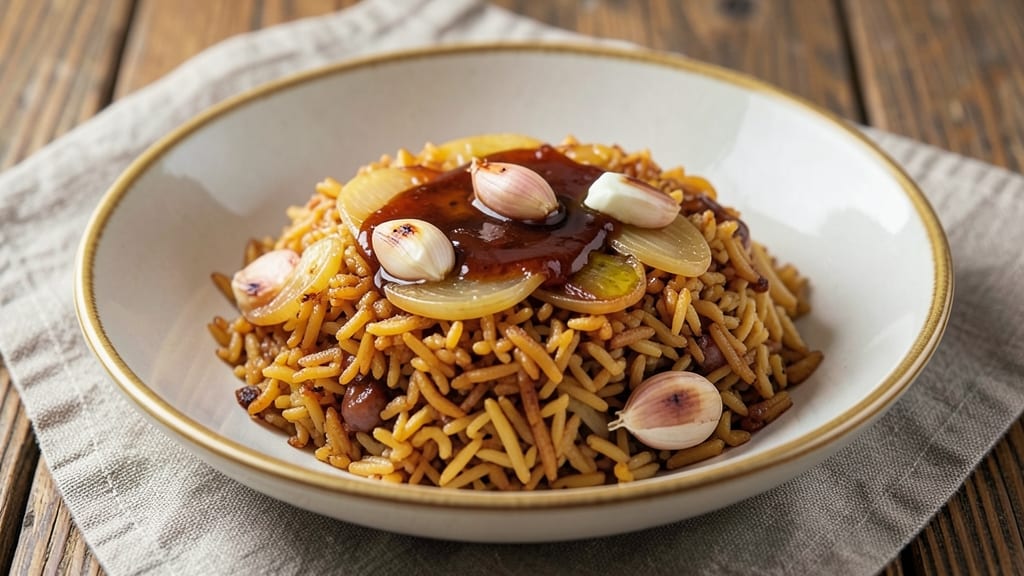
This caramelized rice recipe transforms simple grains into golden, buttery sweet bites with a satisfying crunch—perfect for elevating any meal. The key lies in slow, even browning with fat, creating a texture that's crispy on the outside while remaining tender inside.
I've perfected this technique using long-grain basmati rice, which holds its shape beautifully while absorbing rich, caramelized flavors.
Start by toasting the rice in butter until it turns a deep golden brown, then deglaze with a splash of liquid—whether it's broth, soy sauce, or even a touch of honey—to create a glossy, flavorful coating.
The result is restaurant-quality rice that's crispy enough to stand up to hearty proteins or delicate seafood, yet tender enough to melt in your mouth. This method works equally well for French riz grillé or modern crispy rice bowls.
Ingredients for caramelized rice
Golden, buttery rice with a crispy crunch—just these ingredients transform ordinary grains into restaurant-worthy bites.
| Ingredient | Amount | Notes |
|---|---|---|
| Long-Grain Basmati Rice 🍚 | 1 cup | Uncooked, rinsed thoroughly |
| Unsalted Butter 🧈 | ½ cup | Cold, cubed for even browning |
| Shallot 🧅 | ½ cup | Finely minced, about 3-4 small |
| Garlic Cloves 🧄 | 4 cloves | Minced for aromatic base |
| Vegetable Broth 💧 | 1 ½ cups | Low-sodium preferred |
| Soy Sauce 🍶 | 1 tbsp | Light or dark variety |
| Honey 🍯 | 1 tbsp | For subtle sweetness |
| Olive Oil 🫒 | 1 tbsp | For deglazing if needed |
| Salt 🧂 | ½ tsp | Kosher or sea salt |
| Black Pepper 🌶️ | ¼ tsp | Freshly ground preferred |
| Fresh Thyme Leaves 🌿 | ¼ tsp | Dried at one-third amount |
The rice choice matters. Basmati holds its shape perfectly, but jasmine or long-grain white work too. Butter is non-negotiable here—use unsalted to control seasoning. For shallots, Trader Joe's sells pre-minced jars that save time. If you prefer garlic, roast it first for deeper sweetness. The broth should be hot when added—cold liquid stops the toasting process cold.
No soy sauce? Tamari or coconut aminos work perfectly. Honey can be swapped for maple syrup or brown sugar, though honey adds subtle floral notes. Short on thyme? Dried oregano at half the amount mimics the earthy depth. For extra richness, add 1 tbsp toasted sesame oil at the end. The olive oil is just for deglazing—skip if your pan is well-seasoned.
This reheats beautifully—just 5 minutes in a dry skillet over medium heat. Keeps 3-4 days in an airtight container, though texture softens after day 2. For longer storage, freeze portions for up to 3 months. I portion mine into single-serving containers so I can grab exactly what I need for meals.
Why You'll Love This Recipe
- Here’s what sold me: that crispy, caramelized edge on the rice? It’s all in the butter and low-and-slow cooking. The shallots turn sweet and jammy, while the garlic adds a deep, toasty punch. Honestly, it’s the kind of flavor that makes plain rice feel like a gourmet side.
- One-Pot Magic: I swear by this recipe because it’s actually one-pan—no clunky rice cooker, no sticky pots. Just toast the shallots and garlic in butter until they’re golden, add the rice, broth, and let it simmer. The butter clings to every grain, making it impossibly rich without extra effort.
- Buttery Crunch Factor: Here’s what sold me: that crispy, caramelized edge on the rice? It’s all in the butter and low-and-slow cooking. The shallots turn sweet and jammy, while the garlic adds a deep, toasty punch. Honestly, it’s the kind of flavor that makes plain rice feel like a gourmet side.
- Lunchbox Hero: Between us, this rice is my secret weapon for meal prep. Make a big batch on Sunday, and it reheats beautifully—no mushy texture, just that perfect buttery crunch. Pack it with grilled chicken or roasted veggies, and you’ve got a lunch that’ll actually get eaten.
Step-by-step instructions for caramelized rice
Here's how to transform simple basmati rice into rich, buttery caramelized perfection with a sweet crunch.
Sauté Shallots and Garlic Until Golden
Heat a heavy-bottomed skillet over medium-low heat and add the 1 tablespoon olive oil. Once shimmering, add the 0.5 cup finely minced shallot and cook for 8-10 minutes until completely softened and turning golden. You'll smell the sweetness intensify as they caramelize.
Add the 4 cloves minced garlic and cook for another 1-2 minutes until fragrant but not browned. Remove the pan from heat briefly and stir in the 0.25 teaspoon fresh thyme leaves, then return to the stove. This step builds the aromatic foundation that carries through the entire dish.
Toast the Rice Until Translucent
Add the 1 cup long-grain basmati rice to the skillet and stir to coat completely in the shallot-garlic mixture. Cook for 3-4 minutes over medium heat, stirring constantly, until the rice grains become translucent at the edges. This toasting step prevents the rice from becoming mushy and builds the nutty flavor base.
I press down gently on the rice with a wooden spoon during the first minute—this prevents it from curling and ensures even contact with the pan. You'll see the edges start to crisp slightly—that's your signal the rice is ready for the next step.
Deglaze and Add Broth
Pour in the 1.5 cups vegetable broth and bring to a gentle simmer. Stir once to distribute the broth evenly, then reduce heat to low. Cover the skillet with a tight-fitting lid and cook for 12-15 minutes without stirring. This resting period allows the rice to absorb liquid evenly and develop its texture.
After 10 minutes, carefully remove the lid and check for doneness. The rice should be tender but still have a slight bite. If it's not quite done, cover and cook for another 2-3 minutes. The key is to avoid peeking too often—every time you lift the lid, you lose precious steam.
Build the Caramelized Crust
Remove the skillet from heat and let the rice sit undisturbed for 5 minutes. This resting period allows the grains to firm up slightly and makes them easier to handle. Spread the rice out evenly in the pan, creating a thin layer.
Return the skillet to low heat and let it sit for 2-3 minutes until the bottom develops a golden caramelized crust. This is where the magic happens—the Maillard reaction creates that sweet, nutty depth. Don't rush this step; patience ensures that perfect texture.
Finish with Sweet Butter and Soy Sauce
Reduce heat to lowest setting and add the 0.5 cup cold cubed butter. Let it melt completely, stirring occasionally, until the butter incorporates into the rice and creates a glossy finish. Add the 1 tablespoon soy sauce and 1 tablespoon honey, stirring gently to combine.
Season with the 0.5 teaspoon salt and 0.25 teaspoon black pepper, then taste and adjust if needed. The rice should have a perfect balance of sweet, savory, and umami flavors. Serve immediately while the caramelized crust is still crisp at the edges.
Pro Tips For Making Caramelized Rice
- CRISP THE SHALLOTS FIRST: I learned this the hard way—adding raw shallots to butter makes the whole pot smell like a sad office lunch. Instead, cook the shallots in a dry pan until they’re golden and slightly crispy (about 5-7 minutes on medium heat). Then add the butter and garlic; the shallots will soften but keep their depth of flavor, not turn into mush.
- USE COLD BROTH: Hot broth sounds logical, but cold broth is the thing that matters most here. Stirring in boiling broth right after toasting the rice releases starches too fast, leading to gummy rice. Use cold broth—it heats up while absorbing, giving you that perfect, even caramelization without sticking.
- STIR LIKE YOU MEAN IT: After adding the broth, resist the urge to poke around gently. Aggressively stir the rice in the first 30 seconds to break up clumps and distribute the liquid evenly. This isn’t the time to be delicate—uneven stirring is what causes dry pockets or mushy bits in your caramelized rice.
- TOAST THE RICE UNTIL IT CRUNCHES: Sounds weird, but it works: cook the basmati in the butter until the grains are actually making noise when you shake the pan. That’s your cue to add the broth. Under-toasted rice won’t caramelize properly—it’ll just steam into blandness. Over-toasted? You’ll burn it. Aim for that sweet spot where it’s fragrant and slightly resistant to the spoon.
Perfect pairings for this caramelized rice
Protein Pairings
This caramelized rice pairs beautifully with grilled salmon—the buttery sweetness complements the fish's natural richness. For a heartier meal, serve alongside pan-seared chicken thighs or beef tenderloin. I love using garlic-herb butter on the protein to tie the flavors together. 🍗
Vegetable Companions
Bright, fresh vegetables balance the richness of caramelized rice. Try roasted Brussels sprouts with balsamic glaze or sautéed green beans with slivered almonds. For a lighter option, serve with a mixed greens salad tossed in a citrus vinaigrette. The acidity cuts through the sweetness beautifully.
Sauce Elevations
Drizzle with teriyaki glaze for an Asian-inspired twist—just simmer 2 tbsp soy sauce, 1 tbsp honey, and 1 tsp grated ginger for 3 minutes.
For a creamy option, top with lemon-dill yogurt sauce (mix ½ cup Greek yogurt, 1 tbsp lemon juice, and 1 tbsp chopped dill). Both add fresh contrast.
Global Flavor Boosters
Add toasted sesame seeds and thinly sliced scallions for a Japanese-inspired finish. For a Spanish touch, sprinkle with smoked paprika and crumbled feta cheese. I also love a sprinkle of chili crisp for heat lovers—just ½ tsp adds a spicy kick without overpowering. 🌶️
Beverage Pairings
A crisp Sauvignon Blanc from New Zealand enhances the buttery notes, while a dry Riesling balances the sweetness. For non-alcoholic options, try sparkling lemonade with mint or iced hibiscus tea. The effervescence cleanses your palate between bites. 🍷
Breakfast Twist
Use this rice as a base for breakfast bowls—top with a fried egg, crispy bacon, and avocado slices. The caramelized texture adds depth to morning meals. For a vegetarian option, add sautéed mushrooms and goat cheese crumbles. It’s a game-changer for brunch! 🍳
Nutrition facts
Frequently asked questions about caramelized rice
What type of rice works best for caramelized rice?
Long-grain basmati or jasmine rice are ideal—they hold their shape while developing a crispy exterior. Short-grain varieties like sushi rice can get too sticky. For extra crispiness, try arborio rice, though it absorbs more liquid. Always rinse your rice before cooking to remove excess starch.
Why does my caramelized rice turn out mushy instead of crispy? This usually happens from overcooking or insufficient toasting.
Can I make caramelized rice in a rice cooker?
Yes! Use the same ratio (1:1.5 rice to liquid) and toast the rice in butter first. After adding broth, cook until fully absorbed. For crispiness, spread the rice on a baking sheet and broil for 3-5 minutes at 400°F until golden. The texture won't be identical to stovetop, but it's still delicious.
How can I add more flavor without soy sauce?
Try fish sauce (1 tsp) for umami depth, or swap honey for brown sugar or maple syrup. For herby notes, add 1 tsp dried rosemary during toasting. A splash of white wine (2 tbsp) when deglazing adds acidity. Toasted nuts like pumpkin seeds or almonds sprinkled on top add crunch and nutty flavor.
How do I reheat caramelized rice without losing the crunch?
Reheat in a dry skillet over medium heat for 3-5 minutes, stirring constantly. Add just 1 tsp butter or oil if needed. For microwave reheating, cover with a damp paper towel and heat for 30-45 seconds. The texture will soften slightly but remain flavorful. For best results, make fresh or store in single portions.