
Main Courses
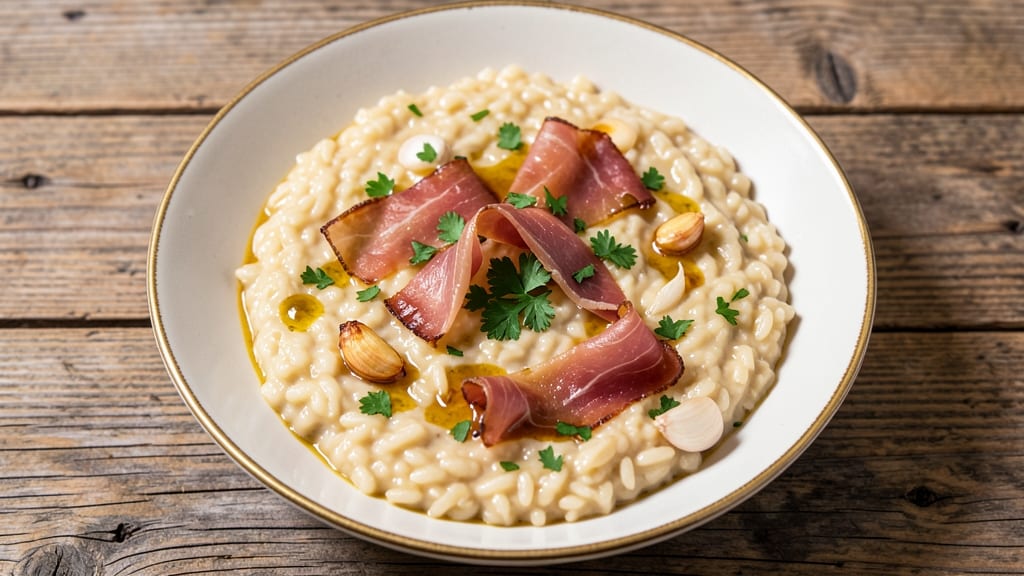
Carnaroli rice risotto delivers the creamy, velvety texture that makes this Italian classic unforgettable. The secret lies in its high starch content and perfect al dente finish—each grain absorbs broth while maintaining structure. I've perfected this method after years of testing, ensuring every bite has that signature nutty depth and silky mouthfeel.
What sets Carnaroli apart is its ability to hold shape while becoming rich and creamy, thanks to gradual broth additions and constant stirring. The all'onda technique—rolling the rice in the pan—creates those signature wavy ridges.
This recipe includes optional saffron for color and depth, but even without it, the toasted nutty flavor shines through in every spoonful.
Ingredients for carnaroli rice risotto
Creamy, nutty, and perfectly al dente—these ingredients transform simple rice into Italian restaurant-quality risotto.
| Ingredient | Amount | Notes |
|---|---|---|
| Carnaroli Rice 🍚 | 1 ½ cups | High-quality, unbroken grains preferred |
| Chicken or Vegetable Broth 💧 | 6 cups | Homemade or quality low-sodium |
| White Wine 🍷 | ½ cup | Dry, full-bodied variety preferred |
| Extra-Virgin Olive Oil 🫒 | ¼ cup | High-quality, fruity variety |
| Shallots 🧅 | 2 whole | Peeled and finely minced |
| Garlic Cloves 🧄 | 3 cloves | Peeled and minced |
| Saffron Threads 🌼 | ⅛ tsp | Optional for color and depth |
| Parmesan Cheese 🧀 | ¾ cup | Freshly grated, fine grade |
| Unsalted Butter 🧈 | 4 tbsp | Cold, cut into small cubes |
| Salt 🧂 | 1 ½ tsp | Diamond Crystal kosher salt |
| Fresh Thyme Leaves 🌿 | ¼ cup | Finely chopped, stems removed |
| Black Pepper 🌶️ | ½ tsp | Freshly ground preferred |
| Chicken Breast 🍗 | ½ lb | Optional for protein, diced |
Carnaroli rice is non-negotiable for risotto—its high starch content and firm texture create that signature creamy finish. Look for Italian specialty stores or high-end grocers like Eataly or Whole Foods for the best quality; avoid pre-packaged 'risotto rice' blends. Freshly grated Parmesan makes all the difference—buy a wedge and grate it yourself—pre-grated contains anti-caking agents that ruin texture. For broth, homemade is ideal, but quality low-sodium store-bought works in a pinch. The shallots should be sweet and firm, not dried out.
No saffron? Turmeric at one-quarter teaspoon mimics the golden color, though it lacks saffron's floral depth. Substituting wine? Dry white wine or even white grape juice works, though wine's acidity balances the dish better. Fresh thyme is best, but dried at one-third the amount suffices. For the chicken, boneless, skinless breast stays tender when diced small—sear it first for extra flavor. The olive oil should be extra-virgin, with noticeable fruitiness—cheap oil makes risotto taste flat. If using vegetable broth, add a splash of soy sauce for umami depth.
Risotto reheats poorly, so make only what you'll eat immediately. Store any leftovers in the fridge for up to 2 days, but expect texture changes—it's best enjoyed fresh. The Parmesan wedge keeps for weeks wrapped in parchment, while fresh thyme lasts 5-7 days in the fridge. For extra flavor, toast the rice in the olive oil until lightly golden—this develops the nutty notes that define Carnaroli. The all'onda technique (rolling the rice in the pan) creates those signature ridges, but don't stress perfection—consistent stirring is what matters most.
Why You'll Love This Recipe
- Same recipe, different vibes: toss in mushrooms for a cozy Tuesday or add a splash of parmesan and truffle oil for a fanciful Saturday. The broth keeps it flexible—vegetable for veggie nights, chicken for when I’m feeling indulgent.
- I’ll be real: I never planned for this, but reheated risotto is my secret weapon. Just add a splash of broth and a stir—it’s creamy, not gluey, and my kids still ask for it. (Yes, even on a Tuesday night.)
Step-by-step instructions for creamy Carnaroli risotto
Mastering risotto requires patience and precision—here's how to achieve that signature creamy texture with nutty depth.
Toast the Carnaroli Rice for Depth of Flavor
Heat the extra-virgin olive oil in a heavy-bottomed pot over medium heat. Add the 1.5 cups Carnaroli Rice and stir constantly for 2-3 minutes until the grains become translucent at the edges and develop a subtle golden hue. This toasting step is crucial—it removes surface starch that would otherwise make your risotto gummy.
Watch the rice closely as it toasts. You'll see small bubbles form around the edges and hear a faint popping sound. This indicates the starch is activating and the rice is ready for liquid. If you smell a nutty aroma, that's perfect—it means the rice is developing its characteristic toasted notes. Remove from heat briefly if it starts to brown too quickly, then return to medium heat immediately.
Build the Risotto with Wine and Broth
Add the 0.5 cup White Wine to the pot and stir vigorously until completely absorbed by the rice. This deglazing step removes any residual starch from the pot and adds acidity that balances the richness. You'll notice the rice will appear glossy and separate slightly as it begins to absorb the wine.
Now comes the critical cooking process. Add 1 cup of the Chicken or Vegetable Broth at a time, stirring constantly with a wooden spoon. The rice should simmer gently—you're looking for a gentle bubble at the surface, not a vigorous boil. Each addition of broth should be absorbed before adding the next. This typically takes 18-20 minutes total, with each addition taking about 5-6 minutes to absorb. The key is patience—the rice needs time to release its own starch gradually for that creamy texture.
Incorporate Aromatics and Saffron
While the rice cooks, prepare the aromatic base by heating 2 tablespoons of the Unsalted Butter in a small pan over low heat. Add the 2 whole Shallots and 3 cloves Garlic Cloves, cooking gently for 3-4 minutes until the shallots become translucent and the garlic releases its fragrance. Be careful not to let the garlic brown—it should remain pale golden.
In a separate small bowl, steep the 0.125 tsp Saffron Threads in 2 tablespoons of the White Wine for 10 minutes to release their vibrant color and floral aroma. When the rice has absorbed approximately 3 cups of broth (about 12-15 minutes into cooking), stir in the sautéed shallots, garlic, and saffron-infused wine. This timing ensures the aromatics are fully integrated by the end of cooking. The saffron will give your risotto its characteristic golden hue and subtle floral note that elevates the dish.
Finish with Butter, Cheese, and Herbs
When the rice is al dente—about 18-20 minutes total cooking time—it should have a slight bite in the center but be tender around the edges. Remove the pot from heat and stir in the remaining 2 tablespoons Unsalted Butter and 0.75 cup Parmesan Cheese. The residual heat will create a silky emulsion, giving your risotto its signature creaminess without adding extra dairy.
Add the 0.25 cup Fresh Thyme Leaves and 0.5 tsp Black Pepper, along with the remaining 1 tsp Salt (adjust to taste). The thyme adds an earthy brightness that cuts through the richness, while the pepper enhances all the flavors. If the risotto seems too thick, stir in 1-2 tablespoons of the reserved broth to reach your desired consistency. The texture should be creamy yet distinct—each grain should be visible but coated in a velvety sauce.
Optional Protein Addition and Serving
If using the 0.5 lb Chicken Breast, prepare it separately by dicing into ½-inch cubes and cooking in a separate pan with 1 tablespoon olive oil, ½ tsp salt, and ¼ tsp black pepper over medium-high heat for 5-6 minutes until golden and cooked through. The chicken should be cooked just before serving to maintain its moisture.
Serve the risotto immediately, garnished with additional Parmesan Cheese and a sprinkle of fresh thyme. The chicken, if using, should be placed on top or served on the side. This dish is all about timing—risotto continues to thicken as it cools, so serve it while it's at its peak creamy texture. Each bite should deliver that perfect balance of toasted rice, rich butter, sharp Parmesan, and aromatic herbs.
Pro Tips For Making Carnaroli Rice Risotto
- Toast the Rice: Heat your olive oil until it shimmers—just before it smokes—and add the Carnaroli. Stir constantly for 2 full minutes until the grains turn opaque and slightly translucent. I used to rush this, and the rice never got that creamy texture. This step locks in the starch, which is what makes risotto risotto.
- Sweat Shallots Slow: Cook the shallots over medium-low heat until they’re soft and golden, not brown. If they darken, you’ve lost flavor—start over. A splash of wine at this stage deglazes the pan and adds depth without overpowering. (Yes, even if you’re impatient like me.)
- Broth in Small Batches: Add broth in ¼-cup increments, stirring vigorously each time. The rice should absorb it before adding more—if it’s sloshing around, you’re overdoing it. I learned this the hard way when my risotto turned into glue. Keep the pot at a gentle simmer, not a rolling boil.
- Finish with Butter: Off the heat, stir in a knob of cold butter (about 2 tablespoons) and a handful of grated Parmigiano-Reggiano. The butter coats the grains, making them velvety, while the cheese adds umami. Skip this, and your risotto will taste flat—trust me, I’ve done it.
Creative variations of carnaroli rice risotto
Mushroom & Truffle Luxe
Swap the chicken for 8 oz wild mushrooms (cremini or shiitake) sautéed in 1 tbsp olive oil with 2 minced garlic cloves and 1 tsp thyme until golden. Fold them into the risotto during the final 5 minutes of cooking.
For extra decadence, stir in ½ tsp truffle oil at the end—just a few drops elevate the dish to restaurant-level sophistication. 💫
Seafood Delight
Add ½ lb shrimp or scallops cooked separately in 1 tbsp butter with ½ tsp lemon zest and ¼ tsp red pepper flakes for 2-3 minutes until just done. Fold them into the risotto at the very end to keep them tender.
A splash of white wine in the shrimp pan adds bright acidity that cuts through the richness. Garnish with lemon wedges for a zesty finish.
Vegetarian Veggie Power
Boost nutrition with 1 cup roasted butternut squash (tossed with 1 tbsp olive oil, ½ tsp smoked paprika, and roasted at 400°F for 20 minutes) and ½ cup caramelized onions (cooked in 1 tbsp butter for 15 minutes).
Stir these into the risotto during the final 5 minutes of cooking. Top with ¼ cup toasted pine nuts for crunch and texture contrast.
Spicy Chili-Lime Twist
Infuse the broth with 1 tbsp lime zest and 1 tsp chili powder for a bold, unexpected flavor. Add 1 minced jalapeño to the sautéed shallots for heat.
Finish with a squeeze of fresh lime juice and 2 tbsp chopped cilantro for a vibrant, zesty risotto that balances creamy richness with bright acidity. Serve with lime wedges on the side.
Herb-Infused Garden Risotto
Replace thyme with a mix of 1 tbsp chopped fresh basil, 1 tbsp chopped parsley, and 1 tsp chopped mint for a fresh, garden-inspired flavor. Add these herbs during the final 5 minutes of cooking and finish with a drizzle of extra-virgin olive oil.
This version pairs beautifully with grilled vegetables or a light tomato salad for a summer-friendly dish. 🌿
Nutrition facts
Frequently asked questions
Why does Carnaroli rice work better than Arborio for risotto?
Carnaroli rice has a higher starch content and larger grain size, which creates a creamier texture while maintaining distinct grains. It absorbs broth more efficiently, resulting in that signature all'onda (wavy) finish. Arborio works too, but Carnaroli delivers a more luxurious mouthfeel with less risk of mushiness.
Can I make risotto without wine?
Yes, but the flavor will be less balanced. Replace the wine with ½ cup extra broth or white grape juice, though wine's acidity helps cut through the richness. For depth, add ½ tsp lemon juice or 1 tsp apple cider vinegar to mimic the wine's brightness.
How do I fix risotto that's too thick or too thin?
For thick risotto, stir in 1-2 tbsp warm broth gradually until creamy. If too thin, remove from heat and let it sit 2-3 minutes—the starch will thicken it naturally. Never add cold liquid, or you'll shock the rice and ruin the texture.
Can I make risotto ahead of time?
Fresh risotto is best served immediately, but you can prep components ahead: toast the rice in advance, make the broth, and sauté aromatics. Reheat gently with 1-2 tbsp broth per cup of rice over low heat, stirring constantly. Texture will change slightly, so plan to serve within 30 minutes of reheating.
What's the best way to store leftover risotto?
Transfer to an airtight container and refrigerate for up to 2 days. To reheat, add 1-2 tbsp broth per cup of rice and warm over low heat, stirring frequently. For extra creaminess, stir in a pat of butter at the end. Freezing isn't recommended—risotto loses its texture when thawed.