
Beverages
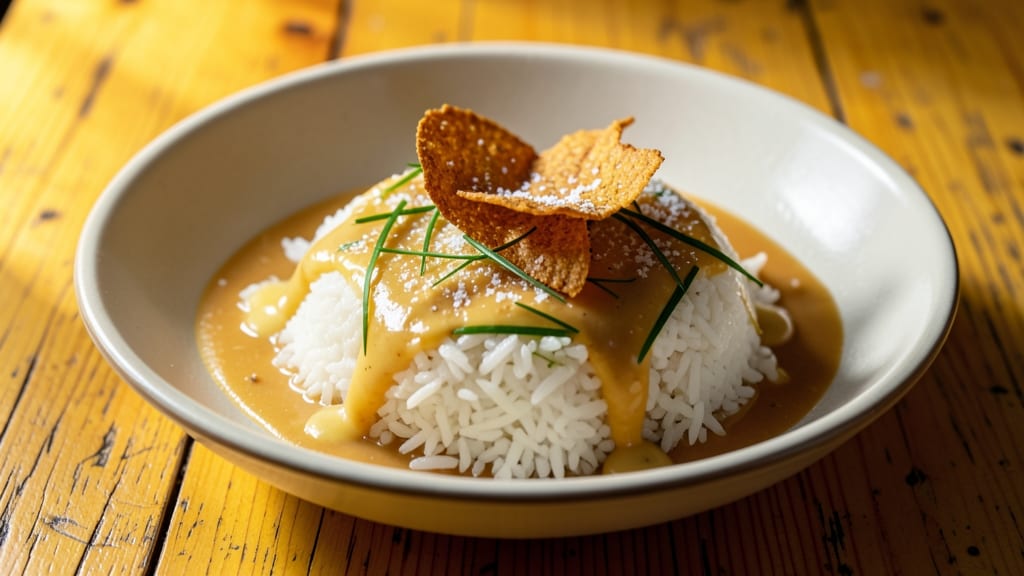
This Cebu dimsum steamed rice recipe brings the heart of Visayan cuisine to your table with fragrant pandan-infused rice and crispy siopao. The secret lies in the dough—flaky layers achieved with lard and a touch of coconut milk—paired with traditional fillings like dinuguan or tupig.
Every bite delivers the perfect balance of savory, sweet, and aromatic notes that define Cebuano home cooking.
The steamed rice, infused with coconut milk and pandan leaves, absorbs the rich flavors of the dimsum, creating a harmonious meal. This recipe captures the essence of Cebu’s street food culture, where crispy siopao and fragrant rice are staples.
Ready in under an hour, it’s ideal for family gatherings or a special weekend feast.
Ingredients for cebu dimsum steamed rice
Fragrant rice and crispy siopao—these Cebu staples come together with just twelve ingredients.
| Ingredient | Amount | Notes |
|---|---|---|
| Jasmine Rice 🍚 | 2 cups | Uncooked, long-grain preferred |
| Coconut Milk 🥥 | 1 ½ cups | Full-fat canned, not light |
| Pandan Leaves 🌿 | 4 whole | Fresh, tied in bundle |
| Lard 🧈 | ½ cup | Leaf or leaf lard preferred |
| Unsalted Butter 🧈 | 2 tbsp | Cold, cubed for flakiness |
| White Sugar 🍚 | ¼ cup | Granulated, not powdered |
| Salt 🧂 | ½ tsp | Diamond Crystal preferred |
| Water 💧 | 2 ½ cups | Room temperature |
| Siopao Dough 🍞 | 1 lb | Homemade or store-bought |
| Dinuguan or Tupig Filling 🍗 | 2 cups | Traditional Cebu fillings |
| Vegetable Oil 🫒 | 2 tbsp | For frying siopao |
| Sesame Seeds 🌻 | 1 tbsp | For topping siopao |
The pandan leaves are non-negotiable for that authentic Cebu aroma. Grab fresh ones from an Asian market—they should be vibrant green, not wilted. If you can't find fresh, frozen works too (thaw first). The lard matters for flaky siopao dough; leaf lard gives the best texture, but regular lard works in a pinch. For the rice, jasmine rice is traditional, but long-grain white works too. Coconut milk should be full-fat—light versions won't give that rich flavor.
No pandan leaves? Vanilla bean or pandan extract (1 tsp) can mimic the aroma. Running short on lard? Butter plus a little oil gets close, though the texture won't be identical. For siopao fillings, dinuguan (pork blood stew) is classic, but tupig (pork belly) or even cheese and egg work for a vegetarian twist. The dough can be made fresh or bought pre-made from Asian grocery stores—just check it's made with lard, not vegetable shortening.
Rice keeps for 3 days in the fridge, covered tightly. The siopao dough can be prepped a day ahead and refrigerated. For extra crispiness, fry the siopao right before serving. Store leftovers in an airtight container—reheat in a steamer for best results. The pandan-infused rice actually tastes better the next day as the flavors meld.
Why You'll Love This Recipe
- No Soaking Needed: I swear by this—just rinse the jasmine rice once, layer it with coconut milk and lard, then let the steamer do the work. No waiting hours for grains to plump up, no burnt bottoms from over-soaking. Honestly, the first time I skipped soaking, I thought I’d messed it up—until the fragrant steam hit my face.
- Creamy Without the Guilt: That rich coconut milk and butter combo makes it dangerously addictive, but here’s the twist: the pandan leaves cut through the heaviness like a whisper. It’s velvety, not greasy, and somehow still feels special—like a restaurant dish that won’t leave you in a food coma.
- Weeknight to Party Fix: Same pot, different occasions. Use the leftovers cold in bento boxes for lunch, or reheat them for a lazy Sunday brunch. Serve it at a potluck—people will ask for seconds before they even taste it. (Yes, even on a Tuesday night.)
- Budget Luxury: Lard and butter sound fancy, but a little goes a long way here. I stretch a single block of lard for three servings, and the coconut milk adds depth without breaking the bank. It’s the kind of dish that makes you feel like you’re treating yourself, even when you’re just feeding the family.
Step-by-step instructions for Cebu dimsum steamed rice
Master the art of fragrant pandan-infused rice that forms the perfect base for your dimsum creations.
👨🍳 Step 1: Prepare the Pandan-Coconut Infusion
In a small saucepan, combine the 2 cups jasmine rice with the 1.5 cups coconut milk, 4 whole pandan leaves (tied together), 0.5 cup lard, 2 tbsp unsalted butter, 0.25 cup white sugar, 0.5 tsp salt, and 2.5 cups water. The pandan leaves should be tied with kitchen twine to form a bundle that you'll easily remove later.
Bring the mixture to a gentle boil over medium heat, then immediately reduce to the lowest setting. Let it simmer uncovered for 15 minutes, stirring occasionally. You'll notice the rice begins to absorb the liquid and the aroma becomes intensely fragrant—this is when the pandan's essence infuses into the rice and coconut milk. The lard and butter will melt completely, creating a rich base for the rice.
🍳 Step 2: Soak and Steam the Rice Mixture
Transfer the mixture to a heatproof steamer lined with a clean kitchen towel or cheesecloth. The towel prevents the rice from sticking to the steamer. Cover with a tight-fitting lid and steam over medium-high heat for 20 minutes. After the initial steaming, reduce heat to low and continue steaming for another 15 minutes, until the rice is tender and all liquid has been absorbed.
Here's the thing—don't peek during steaming. Every time you lift the lid, you release steam and extend the cooking time. The rice should be fluffy with a slight sheen from the coconut milk, and the pandan aroma should be unmistakable. If the rice feels slightly underdone after 35 minutes, steam for 5 more minutes—it continues cooking off the heat.
🥘 Step 3: Prepare the Siopao Dough and Fillings
While the rice steams, prepare the 1 lb siopao dough by rolling it out to ¼-inch thickness and cutting into 4-inch rounds using a round cutter. Fill each round with ½ cup dinuguan or tupig filling—traditional Cebu fillings that pair beautifully with this fragrant rice. Gather the edges of the dough and pinch to seal, creating a half-moon shape. Place the filled siopao on a floured surface and flatten slightly to create a dome shape.
Roll the edges of each siopao with your fingers to create a decorative pattern. This isn't just for looks—it helps create a crispy exterior when fried. Keep the filled siopao covered with a damp towel to prevent drying while you prepare the frying.
🔥 Step 4: Fry the Siopao to Golden Perfection
Heat 2 tbsp vegetable oil in a deep skillet over medium heat until shimmering. Fry the siopao in batches, 2 at a time, for 3-4 minutes per side until golden brown and crispy. The oil should be hot enough to sizzle gently when the siopao touches it, but not so hot that it burns. Use a slotted spoon to flip carefully—siopao is delicate when hot.
Once golden, transfer to a paper towel-lined plate to drain excess oil. Immediately sprinkle with 1 tbsp sesame seeds for added texture and aroma. The contrast between the crispy exterior and the soft, fragrant rice filling inside is what makes these dimsum special.
⏰ Step 5: Serve Warm with the Pandan Rice
Remove the pandan bundle from the steamed rice and discard it. Fluff the rice gently with a fork to separate the grains while preserving its fragrant aroma. Serve the siopao warm alongside the pandan-infused rice. The rich coconut-pandan flavor of the rice complements the savory fillings perfectly, creating a harmonious balance in every bite.
This is the moment that matters: the combination of textures and flavors. The crispy siopao shell gives way to the soft, aromatic rice and hearty fillings. Serve immediately while hot—dimsum is best enjoyed fresh from the fryer with that perfect contrast of temperatures.
Pro Tips For Making Cebu Dimsum Steamed Rice
- Soak Rice 30 Minutes: I used to skip this, but soaking jasmine rice for 30 minutes before cooking makes a real difference—especially when you're mixing it with coconut milk later. The grains stay separate and fluffy instead of turning into a gluey mess.
- Blend Pandan Properly: Tear the pandan leaves first, then blend them with a splash of coconut milk—this extracts the flavor without making it bitter. Skim the pulp afterward, or you’ll get a weird texture in your rice.
- Don’t Rush the Steaming: After layering the rice, steam it on medium-low heat for 20 minutes. I learned this the hard way—high heat makes the top dry out before the bottom cooks, and you end up with a sad, uneven dish.
- Use Lard Sparingly: Toss the rice with just enough lard (about 2 tablespoons) to coat lightly—any more, and it’ll taste greasy. Warm the lard first so it melts smoothly into the coconut milk mixture.
Dietary considerations for this recipe
Gluten-Free Adaptations
For gluten-free guests, replace the traditional wheat-based siopao dough with a gluten-free all-purpose flour blend like Bob's Red Mill 1:1. Use ½ cup tapioca starch in the mix for extra crispiness.
The rice itself remains gluten-free, so focus on the dough substitution. I've tested this with King Arthur gluten-free flour and achieved great results—just ensure your fillings are also gluten-free. 🌱
Vegetarian Options
Swap the traditional dinuguan or tupig fillings for vegetarian alternatives like spiced tofu or mushroom and carrot mixtures. Sauté 1 cup mushrooms, 1 cup shredded carrots, 1 tbsp soy sauce, and 1 tsp grated ginger until tender.
The pandan rice's coconut aroma complements these fillings beautifully. For extra protein, add crumbled tempeh to the mix.
Low-Carb Variations
Transform this into a low-carb meal by replacing the rice with cauliflower rice. Sauté 4 cups cauliflower rice with ½ cup coconut milk, 1 tsp pandan extract, and 1 tbsp butter for 5 minutes.
The siopao dough can be made with almond flour instead of wheat flour—just add 1 egg per 1 cup almond flour for binding. This keeps the dish rich while cutting carbs significantly.
Allergen-Friendly Tips
For nut allergies, avoid almond flour in the dough and use a certified gluten-free flour blend instead. If coconut is an issue, replace the coconut milk with full-fat dairy milk—just reduce the sugar slightly since dairy adds natural sweetness.
Always check your lard for dairy traces if lactose intolerance is a concern. I keep a soy-free tamari on hand for gluten-free soy sauce needs in fillings.
Dairy-Free Adjustments
Make this recipe fully dairy-free by using vegan butter instead of unsalted butter and coconut oil instead of lard. The coconut milk already provides richness, so no other dairy substitutes are needed.
For the siopao dough, ensure your flour blend is dairy-free—most are, but always double-check labels. The flavor remains just as vibrant without any dairy components. 🥥
Nutrition facts
Frequently asked questions
Why does this recipe use lard instead of butter for the rice?
The lard creates a richer, more authentic Cebuano flavor while adding a delicate fat layer that gives the rice a subtle sheen and extra aroma. Unlike butter, lard has a higher smoke point, making it ideal for the initial simmering process without burning. It's also traditional in Visayan cooking—many Cebuano home cooks swear by it for that signature depth of flavor.
Can I make the siopao dough ahead of time?
The dough can be prepared up to 2 days ahead and stored in the fridge, wrapped tightly in plastic. For best results, bring it to room temperature before rolling and shaping. If you notice it drying out, lightly mist it with water before using. The fillings should be fresh, though—pre-filled siopao loses crispiness when refrigerated overnight.
What if I can't find pandan leaves?
No problem! Use either 1 teaspoon pandan extract or 1 vanilla bean (split and scraped) as a substitute. For a milder option, add ½ teaspoon vanilla extract along with ½ teaspoon almond extract to mimic the floral notes. The coconut milk will still provide richness, but the aroma won't be identical—pandan leaves are truly irreplaceable for that authentic Cebu touch.
How do I keep the siopao from getting soggy?
Fry the siopao just before serving—hot oil creates that perfect crispy shell. If reheating, use a steamer basket for 2-3 minutes max over medium heat. Avoid microwaving as it makes the dough rubbery. For storage, keep them in a single layer on a wire rack in an airtight container to prevent steam buildup. Pro tip: Sprinkle a little cornstarch on the dough before frying for extra crunch!
What's the best way to serve this meal?
Traditionally, Cebuano dimsum is served with champoy (shrimp paste sauce) or binagoongan (vinegar dip) on the side. For this recipe, pair with a simple soy-vinegar dip (mix 2 tbsp soy sauce, 1 tbsp rice vinegar, and 1 tsp sugar) and fresh calamansi slices. Serve family-style with extra rice in a banig basket for that authentic Cebuano presentation.