
Main Courses
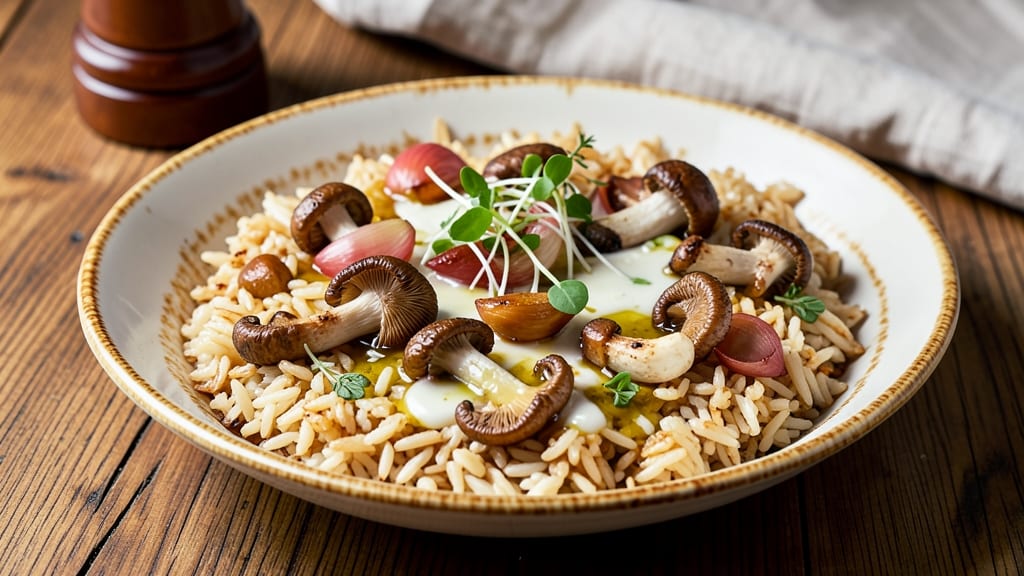
This chanterelle rice recipe transforms simple grains into a luxurious pilaf with golden, buttery edges and deep earthy flavor. The secret lies in sautéing the mushrooms until caramelized, then combining them with toasted rice and aromatic broth for a dish that feels restaurant-worthy.
Every bite delivers the rich umami of chanterelles and the satisfying crunch of perfectly browned rice.
With just 20 minutes of active prep and a foolproof method, this recipe delivers restaurant-quality results at home. The mushrooms release their natural oils as they cook, infusing the rice with their signature nutty, woodsy aroma.
Pair it with grilled chicken, shrimp, or tofu for a complete meal that’s both elegant and satisfying.
Ingredients for chanterelle rice
Simple ingredients elevated by technique—chanterelles, aromatic rice, and buttery crisp edges transform this into a restaurant-worthy pilaf.
| Ingredient | Amount | Notes |
|---|---|---|
| Chanterelle Mushrooms 🍄 | 8 oz | Fresh, sliced into 1/4-inch pieces |
| Long-Grain White Rice 🍚 | 1 cup | Uncooked, jasmine or basmati preferred |
| Unsalted Butter 🧈 | 4 tbsp | European-style preferred for flavor |
| Shallots 🧅 | 2 whole | Minced, about 2 tbsp total |
| Garlic Cloves 🧄 | 3 cloves | Minced, fresh preferred |
| Dry White Wine 🍷 | ½ cup | Sauvignon Blanc or Pinot Grigio |
| Chicken Broth 💧 | 1 ½ cups | Low-sodium, homemade preferred |
| Fresh Thyme 🌿 | ¼ cup | Leaves only, finely chopped |
| Fresh Parsley 🌿 | ⅛ cup | Chopped, for garnish |
| Diamond Crystal Kosher Salt 🧂 | ¾ tsp | Adjust to taste |
| Freshly Ground Black Pepper 🌶️ | ½ tsp | Cracked peppercorns preferred |
| Extra-Virgin Olive Oil 🫒 | 1 tbsp | For toasting rice |
| Lemon Zest 🍋 | 1 tsp | From 1 large lemon |
The chanterelles are non-negotiable for that signature earthy depth. Foraged mushrooms are ideal, but store-bought chanterelles from Whole Foods or specialty grocers work beautifully. Look for plump, firm specimens with a golden hue—avoid any with slimy spots. If you can't find chanterelles, shiitake mushrooms in a pinch, but they won't replicate that same woodsy aroma. The rice should be jasmine or basmati for its delicate, fragrant grains that toast perfectly. For the broth, homemade chicken stock adds layers of flavor, but quality low-sodium brands like Pacific Foods are reliable substitutes. The butter matters too—European-style melts more cleanly and adds nuanced richness.
No chanterelles? Porcini mushrooms rehydrated in the wine work as a close alternative, though the texture will differ. Substituting white wine? Dry vermouth adds herbal notes that complement the mushrooms. Fresh thyme is essential for brightness, but dried thyme at one-third the amount suffices if you're in a bind. The lemon zest might seem like an afterthought, but it brightens the dish—avoid the bitter white pith. For the rice, brown rice can replace white, but increase cooking time by 15 minutes. The key to crispy edges? Toast the rice in olive oil until golden before adding liquid—don't skip this step.
This pilaf reheats beautifully—simmer gently with a splash of broth to restore moisture. Store in an airtight container for up to 4 days in the fridge, though the texture softens slightly after day two. For longer storage, freeze portions for up to 3 months. The mushrooms release their oils as they cook, so save the mushroom liquid to use as a base for future sauces. Garnish with fresh parsley just before serving to maintain vibrant color. Leftovers make excellent lunches—pack with grilled protein for a complete meal.
Why You'll Love This Recipe
- One-Pan Magic: I swear by this recipe because it’s literally one pan, one knife, and 20 minutes. Sauté those golden chanterelles with shallots until they’re glossy—no chopping mountains of veggies, just a quick dice of mushrooms and a minced garlic clove. The rice cooks right in the same pot, soaking up all that earthy, buttery goodness without a single extra dish.
- Earthy Umami Bomb: That first bite? Chef’s kiss. The chanterelles—naturally sweet with a hint of smoke—melt into the rice, while the butter and garlic add this rich, savory depth. It’s the kind of flavor that makes you pause mid-bite, like, “Wait, is this actually dinner?” (Yes. Yes, it is.)
- Weeknight to Weekend: Honestly, this feeds a crowd but still feels like a special treat. Make a big batch on Sunday and reheat it all week—it’s perfect for lunchboxes, office dinners, or when your in-laws drop by unannounced. (Between us, it’s also my go-to for date nights when I don’t want to cook for hours.)
- Budget Luxury: Chanterelles might sound fancy, but a single batch stretches like crazy—leftovers taste just as good the next day, if not better. And since you’re using basic rice and pantry staples, it’s a splurge-worthy dish that won’t break the bank. My daughter even picks out the mushrooms at the store now, and she’s not a foodie.
Step-by-step instructions for chanterelle rice pilaf
Master this earthy, buttery pilaf where mushrooms and rice create perfect harmony.
Toast the Rice for Nuttiness and Crispy Edges
Heat a heavy-bottomed pot over medium-high heat and add the 1 tablespoon extra-virgin olive oil. Once shimmering, add the 1 cup long-grain white rice and stir constantly for 2-3 minutes until the grains become translucent at the edges and release a toasted aroma. This step develops the rice's natural nuttiness and prevents mushiness.
I press the rice against the bottom of the pot with a wooden spoon during the first minute—this ensures even contact with the oil and creates those coveted crispy edges. Watch closely for color changes; the rice should turn a pale golden hue. Remove from heat immediately after topping and set aside—over-toasting will make the rice bitter.
Build Flavor with Shallots, Garlic, and Mushrooms
In the same pot, melt 2 tablespoons unsalted butter over medium heat until foaming subsides. Add the 2 minced shallots and 3 minced garlic cloves, cooking for 3-4 minutes until softened and fragrant. The garlic should be golden but not browned—this prevents bitterness in the final dish.
Add the 8 ounces sliced chanterelle mushrooms and cook for 8-10 minutes until they release their moisture and develop deep golden spots. I stir occasionally, breaking up any large pieces to ensure even cooking. The mushrooms should yield their liquid but still maintain some texture—this creates the perfect balance in the pilaf. Season lightly with 0.25 teaspoon kosher salt during this step to enhance their natural sweetness.
Deglaze with Wine and Develop the Sauce
Pour in the 0.5 cup dry white wine, scraping up any browned bits from the bottom of the pot with a wooden spoon. This deglazing step captures all the concentrated flavors we've built. Simmer for 3-4 minutes until the wine reduces by half and the liquid clings to the mushrooms.
Add the 1.5 cups chicken broth and bring to a gentle boil. Stir in the toasted rice, 0.25 cup chopped fresh thyme, and 0.5 teaspoon black pepper. The liquid should just cover the rice—if it's too much, reduce slightly by simmering uncovered for 1-2 minutes. This is where the magic happens: the rice will absorb the mushroom-infused broth while developing that signature crispy edge.
Simmer to Perfect Texture and Finish with Butter
Reduce heat to low and cover the pot with a tight-fitting lid. Simmer for 15-18 minutes without peeking—this steaming process creates fluffy, separate grains with crispy edges. You'll know it's done when the rice is tender but still has a slight bite, and the liquid has been completely absorbed.
Remove from heat and stir in the remaining 2 tablespoons unsalted butter and 1 teaspoon lemon zest. The butter melts into the hot rice, creating a luxurious, velvety finish. Fold gently to distribute evenly—this is where the dish transforms from good to exceptional. The lemon zest brightens the earthy flavors while adding a subtle citrus note that balances the richness.
Rest and Garnish for Maximum Impact
Let the pilaf rest, covered, for 5 minutes—this allows the flavors to meld and the rice to finish absorbing any remaining liquid. Transfer to a serving dish and garnish with the 0.125 cup chopped fresh parsley. The parsley adds a fresh contrast to the deep, umami flavors of the chanterelles and thyme.
Serve immediately with the crispy edges facing up—this is where all the concentrated flavor lives. Each bite should deliver tender rice with a satisfying crunch, earthy mushroom essence, and that buttery richness we worked so hard to achieve. The lemon zest ensures the dish doesn't feel heavy, making it perfect as a side or even a main course with a simple protein.
Pro Tips For Making Chanterelle Rice
- Sauté Shallots Low and Slow: Chanterelles are delicate—if you blast them with heat, they’ll turn to mush before they brown. Cook the shallots on medium-low first, stirring every 30 seconds until they’re soft but not golden. That way, when you add the mushrooms, they’ll get the space they need to crisp up properly.
- Clean Mushrooms with a Damp Paper Towel: Don’t rinse chanterelles—they soak up water like sponges. Instead, wipe each one with a barely damp paper towel to remove dirt. I learned this the hard way: rinsing turns the rice soggy, and soggy rice with chanterelles is a crime.
- Toast the Rice in Butter: Skip the water splash at first. After cooking the shallots and garlic, add the rice and stir it in the butter for 2-3 minutes until the grains look translucent at the edges. This step locks in flavor—no one wants bland rice, especially when you’ve got those earthy mushrooms working their magic.
- Finish with a Splash of White Wine: If you’re using it, add the wine after the mushrooms have released their moisture but before the rice absorbs all the liquid. The alcohol evaporates quickly, but it brightens the dish and cuts through the richness of the butter. (Yes, even if you’re not a wine drinker—it’s worth it.)
Wine and beer pairings for this recipe
White Wine Pairings
For this earthy chanterelle rice, a crisp Sauvignon Blanc from New Zealand or Loire Valley is my go-to choice. Its bright acidity and citrus notes cut through the rich umami of the mushrooms while complementing the lemon zest.
Look for wines with 12-13% ABV—this balance prevents the wine from overwhelming the dish. A chilled bottle at 45-48°F enhances the rice's buttery texture and fresh herbs. 🍷
Chardonnay Options
An unoaked Chardonnay from California or Chile offers a slightly richer profile that stands up to the butter and mushrooms. Choose one with lemon and green apple notes to mirror the dish's bright finishing touches.
Avoid heavily oaked versions—they'll clash with the delicate chanterelle flavors. Serve slightly cooler than room temperature (50-52°F) to preserve the wine's crispness.
Beer Pairings
A Belgian witbier like Hoegaarden or Stella Artois brings a refreshing contrast with its coriander and orange peel notes. The effervescence cleanses your palate between bites of rich pilaf.
For a darker option, try a German Helles lager—its malty sweetness balances the earthy mushrooms beautifully. Both should be served chilled at 40-45°F to highlight their crisp profiles.
Red Wine Exception
If you prefer red, a light Pinot Noir from Oregon or Burgundy works surprisingly well. Choose one with red fruit and earthy undertones to complement the chanterelles. Opt for 12.5% ABV or lower and serve at 60-62°F—this prevents the wine from overpowering the dish's delicate flavors.
The acidity in these wines enhances the lemon zest's brightness. 🍇
Non-Alcoholic Options
For a refreshing non-alcoholic match, try sparkling apple cider chilled to 38-40°F. The effervescence and slight tartness mirror the wine pairings while keeping the dish's elegant profile. Alternatively, a cucumber-mint infused water with 1 tablespoon honey adds subtle sweetness that complements the earthy mushrooms without competing.
Nutrition facts
Frequently asked questions
Can I substitute chanterelles with other mushrooms?
Yes, but the flavor will change. For a similar earthy taste, try porcini mushrooms (rehydrate them in the wine first). Shiitake mushrooms work in a pinch but have a stronger umami flavor. Avoid button mushrooms—they lack the deep, woodsy aroma of chanterelles. If substituting, increase the amount by 10-15% to compensate for differences in moisture content.
Why does my chanterelle rice turn out mushy?
Mushy rice usually means one of two things: either the rice was under-toasted or the liquid wasn't properly absorbed. Always toast the rice in olive oil until golden before adding broth, and use a 1:1.5 rice-to-liquid ratio. If your rice still feels undercooked, simmer uncovered for 1-2 extra minutes to evaporate excess moisture. For extra insurance, use jasmine or basmati rice—they hold up better to liquid absorption.
How do I make this recipe vegetarian?
Swap the chicken broth for vegetable broth and add 1 cup cooked quinoa or lentils for protein. For extra richness, stir in 2 tablespoons nutritional yeast at the end. You could also serve it with roasted vegetables or a side of tofu or tempeh to create a complete meal. The earthy chanterelles pair beautifully with plant-based proteins.
Can I make this ahead of time?
This pilaf reheats beautifully. Cook it up to 2 days ahead and store in an airtight container in the fridge. When reheating, add 1-2 tablespoons of broth or water and simmer gently for 5-7 minutes to restore moisture. For the crispy edges, toast the rice in olive oil for 1-2 minutes in a dry skillet before serving. The flavors actually deepen overnight!
What's the secret to crispy edges?
The crispy edges come from proper toasting and the right rice-to-liquid ratio. First, toast the dry rice in olive oil until golden before adding liquid. Then use just enough broth to cover the rice—about 1.5 cups for 1 cup of rice. The rice should absorb all the liquid by the end of cooking. If it doesn't, simmer uncovered for 1-2 extra minutes to evaporate excess moisture. Serve immediately with the crispy edges facing up!