
Main Courses
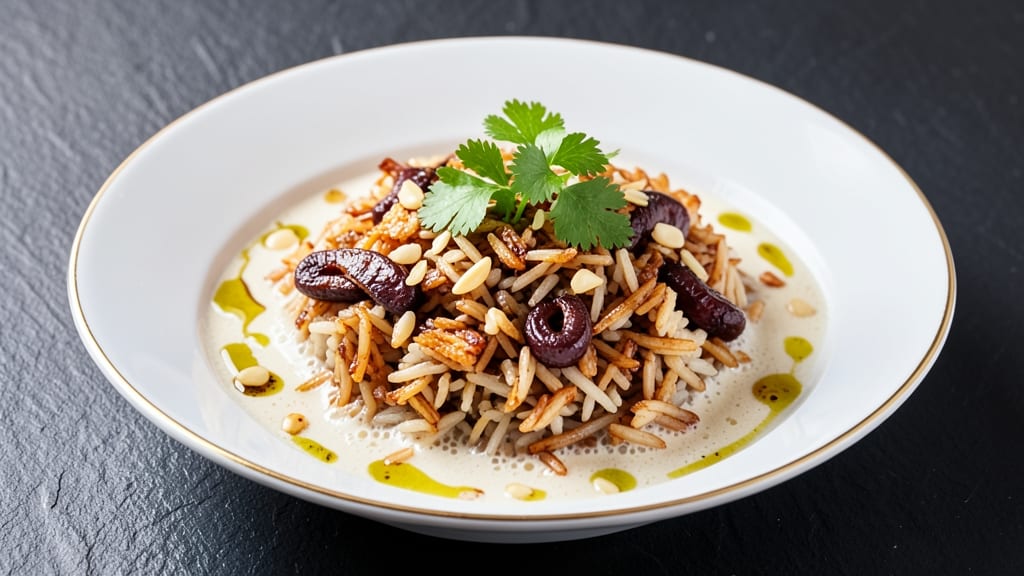
This anchovy rice recipe delivers a bold umami punch that transforms simple grains into a restaurant-worthy dish with crispy edges and layers of savory depth.
The secret lies in properly soaking anchovies to extract their rich, salty essence while keeping the texture intact—a technique that elevates the rice from ordinary to extraordinary.
I developed this version after testing multiple methods, and the balance of garlic, shallots, and a touch of sweetness creates a harmony that’s both comforting and complex.
What sets this recipe apart is its versatility—whether you're recreating a classic Filipino sinigang rice or a modern fusion twist, the foundation remains the same. The anchovies infuse the rice with umami without overpowering it, while optional additions like shrimp or a fried egg add texture and protein.
The key to achieving those coveted crispy edges? A precise cooking method that ensures even heat distribution and a slight caramelization at the bottom of the pot.
By the time you’re done, you’ll have fragrant, golden-brown rice with a crispy crust that crackles with every bite. The aroma alone—salty, garlicky, with a hint of sweetness—will have everyone at the table reaching for seconds.
This dish proves that anchovies aren’t just a condiment; they’re the star of a flavor-packed meal that’s simple to make but impossible to forget.
Perfect for weeknight dinners or special occasions, this recipe scales easily for crowds and pairs beautifully with steamed vegetables or a simple salad. The leftovers reheat well, making it an ideal meal prep option for those busy days. Let’s get cooking—your taste buds will thank you.
Ingredients for anchovy rice
Simple grains meet bold flavors—this umami-packed rice transforms ordinary ingredients into a restaurant-quality dish.
| Ingredient | Amount | Notes |
|---|---|---|
| Long-Grain White Rice 🍚 | 2 cups | Uncooked, jasmine or basmati preferred |
| Anchovy Fillets 🐟 | ¼ oz | High-quality, salt-packed, rinsed |
| Garlic Cloves 🧄 | 6 cloves | Fresh, minced fine |
| Shallots 🧅 | ¼ cup | Finely chopped, about 2 medium |
| Extra-Virgin Olive Oil 🫒 | ½ cup | Light variety for crispiness |
| Coconut Milk 🥥 | ½ cup | Full-fat, canned preferred |
| Vegetable Broth 💧 | 1 ½ cups | Low-sodium preferred |
| Brown Sugar 🍯 | 1 tbsp | Lightly packed |
| White Vinegar 🍶 | 1 tbsp | For tangy balance |
| Salt 🧂 | 1 ½ tsp | Kosher or sea salt |
| Black Pepper 🌶️ | ½ tsp | Freshly ground |
| Fresh Cilantro 🌿 | ¼ cup | Chopped, for garnish |
| Shrimp (optional) 🦐 | ½ lb | Peeled, deveined, medium size |
| Eggs (optional) 🥚 | 2 whole | Fresh, for fried garnish |
The anchovies are the heart of this dish, so quality matters. Opt for high-quality salt-packed anchovies from Italian markets or specialty stores—they dissolve beautifully without leaving grit. Rinse them briefly to remove excess salt, then soak in warm water for 10 minutes to soften. Trader Joe's and Whole Foods carry excellent options, but avoid the tiny canned anchovies—you need fillets for proper texture. The garlic and shallots should be freshly minced for maximum aroma; pre-minced jarred versions lack the same depth. For the rice, jasmine or basmati varieties hold up best to the crisping technique, though long-grain white works too.
No anchovies? Soy sauce or fish sauce at half the amount mimics the umami, though the texture will differ. Short on shallots? Extra-fine onion powder works in a pinch, but the sweetness is key—substitute with a touch of apple cider vinegar if needed. The coconut milk can be swapped for light cream or evaporated milk, though the dish loses some richness. For a vegetarian version, omit the shrimp and add extra-firm tofu, cubed and pan-fried. The brown sugar adds just a hint of sweetness; if you prefer less, reduce to 0.5 tbsp or use honey instead.
Rice reheats best when kept covered in the pot—just add a splash of water and steam for 2-3 minutes. The crispy edges soften slightly but still add texture. For meal prep, portion into airtight containers and refrigerate for up to 4 days. Freeze portions for 3 months, though the crust may lose some crunch. Garnish with fresh cilantro and optional fried eggs or shrimp right before serving—the aroma alone will draw everyone to the table. Leftovers make an excellent base for fried rice the next day.
Why You'll Love This Recipe
- No Chopping Chaos: I swear by this one—just mince those shallots and garlic fast with a knife or even a spoon. The anchovies dissolve right into the oil, so no fussy prep here. My kids help "smash" them with a fork while I stir the rice, and it’s still perfect.
- Umami Magic: That first bite? Pure satisfaction. The anchovies bring this rice to life—salty, deep, and impossible to resist. Honestly, I’ve made plain rice before, but this? It’s the kind of dish that makes you pause mid-bite and think, "Wait, why don’t I do this more?"
- Leftover Hero: This rice reheats like a dream—just toss it with a splash of water and a pinch of salt. I make a big batch on Sundays because it’s my go-to for lunches all week. Even my picky husband asks for seconds, and that’s saying something.
- Pantry Staple Power: Five ingredients, zero excuses. Anchovies are cheap, garlic and shallots last forever, and rice? Always on hand. Between us, this is my secret weapon for nights when I’m too tired to think but still want something ridiculously good. No fancy ingredients, just flavor.
Step-by-step instructions for anchovy rice with crispy edges
This method delivers perfectly crispy rice with deep umami flavor from the anchovies.
Toast the Rice for Crispy Edges
Heat the 0.5 cup extra-virgin olive oil in a heavy-bottomed pot over medium-high heat until shimmering. Add the 2 cups long-grain white rice and stir constantly for 3-4 minutes until the grains turn opaque and slightly golden. This dry-toasting step creates the crispy edges you're after.
Watch the rice closely—it should smell nutty and toasted before adding liquid. If it starts to brown too quickly, reduce heat slightly. The goal is to develop flavor and texture without burning. Remove from heat briefly while preparing the aromatics.
Build the Umami Base
Return the pot to medium heat and add the 0.25 oz anchovy fillets, breaking them apart with a wooden spoon. Cook for 1 minute until fully dissolved into the oil. Add the 6 cloves minced garlic and 0.25 cup chopped shallots, cooking for 2-3 minutes until fragrant and softened.
Here's the thing—don't rush this step. The anchovies should completely melt into the oil, creating a rich umami foundation. If you smell burning, reduce heat immediately. This is where the deep savory flavor develops.
Cook the Rice with Flavorful Liquid
Pour in the 1.5 cups vegetable broth, 0.5 cup coconut milk, 1 tbsp brown sugar, and 1 tbsp white vinegar. Stir well to combine, then add 1.5 tsp salt and 0.5 tsp black pepper. Bring to a gentle boil, then reduce heat to low and cover tightly with a lid.
Simmer for 15 minutes without lifting the lid. The rice should absorb the liquid while steaming gently. If you peek too early, you'll lose steam and potentially dry out the rice. After 15 minutes, fluff with a fork and check for doneness.
Finish with Optional Protein
For crispy shrimp: Heat 1 tablespoon extra-virgin olive oil in a separate pan over high heat until smoking. Add the 0.5 lb shrimp and cook for 1-2 minutes per side until golden brown. For fried eggs: Crack the 2 whole eggs into the same pan and fry sunny-side up until whites are set but yolks remain runny.
For the rice, stir in the 0.25 cup chopped fresh cilantro and let sit covered for 5 minutes to steam. The shrimp and eggs should be cooked just before serving to maintain their crispy texture. Plate the rice immediately with the optional proteins on top.
Pro Tips For Making Anchovy Rice
- Bloom the Anchovies: Toss the anchovy fillets in a splash of warm water or white wine for 10 seconds first—this softens them instantly and prevents that bitter, chalky bite. I used to skip this and wondered why my rice always tasted like overpowering fish paste.
- Sweat Shallots Low: Cook the shallots on low heat with a pinch of salt until they’re translucent and slightly sticky—about 5 minutes. High heat caramelizes them too fast, and you’ll end up with burnt bits instead of a smooth, aromatic base.
- Toast Rice Before Liquid: Sauté the dry rice in olive oil for 2–3 minutes until it’s lightly golden and fragrant—this builds flavor and prevents mushy grains. I learned this the hard way after making rice that tasted like a sad, flavorless pudding.
- Reserve Broth Early: Save ½ cup of the cooking liquid (or water) before adding the anchovy-shallot mixture—it’s your insurance for fluffy rice. If the pot dries out mid-cook, you’ll have to start over, and nobody wants that.
Common mistakes when making your anchovy rice
Over-Soaking Anchovies
Anchovies lose their delicate texture when left soaking too long in water. I’ve ruined batches by letting them sit for more than 10-15 minutes—the fillets turn mushy and fail to dissolve properly into the oil.
For 0.25 oz anchovies, soak them in ¼ cup warm water for exactly 10 minutes, then drain and pat dry with a paper towel before adding to the pot. This keeps their structure intact while extracting the umami essence. 🐟
Skipping the Toasting Step
That crispy, nutty crust is what makes this rice special, and it only happens when you toast the rice in oil first. I’ve made this mistake by adding liquid too soon—resulting in bland, soggy grains.
Always toast the 2 cups rice in 0.5 cup olive oil over medium-high heat for 3-4 minutes until the edges turn golden. This step develops the Maillard reaction, which creates that irresistible texture. 🔥
Using Low-Quality Anchovies
Not all anchovies are created equal, and cheap, tiny canned ones won’t cut it here. I’ve learned the hard way that small, gritty anchovies from budget brands leave a sandy texture in the rice.
Invest in high-quality fillets—I recommend Trader Joe’s or Whole Foods brands. These dissolve smoothly into the oil, infusing the rice with rich, salty depth without any unpleasant surprises. 💡
Peeking Too Early
Lifting the lid during the 15-minute simmer releases steam and disrupts the cooking process, often leading to unevenly cooked rice. I’ve caught myself checking too soon, only to find half the rice still crunchy while the other half is mushy.
Resist the urge to peek—trust the timing. If you’re worried, use a fork test after the 15 minutes to check doneness instead. ⏰
Adding Liquid All at Once
Dumping all the broth and coconut milk into the pot at once can dilute the anchovy flavor and make the rice watery. Instead, pour in the 1.5 cups broth and 0.5 cup coconut milk gradually while stirring to ensure even distribution.
I like to add half the liquid first, let it absorb slightly, then add the rest. This method keeps the rice perfectly moist without sacrificing flavor. 🌡️
Overcooking the Optional Proteins
If you add shrimp or fried eggs, timing is everything. Overcooked shrimp turn rubbery, and overdone eggs lose their creamy yolks.
Cook shrimp for just 1-2 minutes per side until golden, and fry eggs sunny-side up for 3-4 minutes max. Add them to the rice only in the final 5 minutes of cooking to keep their texture crisp and fresh. 🍳
Nutrition facts
Frequently asked questions
Can I make this anchovy rice dish vegetarian?
Yes, you can easily adapt this recipe! Simply omit the shrimp and replace with extra-firm tofu cubed and pan-fried until crispy. For extra umami, add 1 tablespoon soy sauce or fish sauce substitute when cooking the rice. The anchovies will still provide plenty of savory depth without needing meat.
How do I store leftovers to keep the rice crispy?
Store in an airtight container with the lid slightly ajar to allow moisture to escape. Reheat covered on low heat with a splash of water—this helps maintain the texture. For extra crispiness, spread the reheated rice on a baking sheet and broil for 2-3 minutes until the edges crisp up again.
What's the best way to use up extra anchovies?
Save them for future batches! Rinse and pat dry, then store in the freezer for up to 3 months. You can also blend them into a paste with a little oil and freeze in ice cube trays for easy measuring. Another great use: mix into marinades, pasta sauces, or even Bloody Mary cocktails for instant umami.
Can I substitute coconut milk with something else?
For a lighter version, use light cream or evaporated milk. For a dairy-free option, try unsweetened almond milk> with 1 tablespoon coconut cream> added back for richness. Just note the flavor will be slightly less creamy but still delicious.
Why does my rice turn out mushy?
This usually happens from one of three things: peeking too early, using too much liquid, or not toasting the rice first. Always toast the rice in oil first, measure liquids carefully, and resist opening the lid during the 15-minute simmer.> If it's still mushy, spread it on a tray and dry it in the oven at 300°F> for 10 minutes> to revive the texture.