
Main Courses
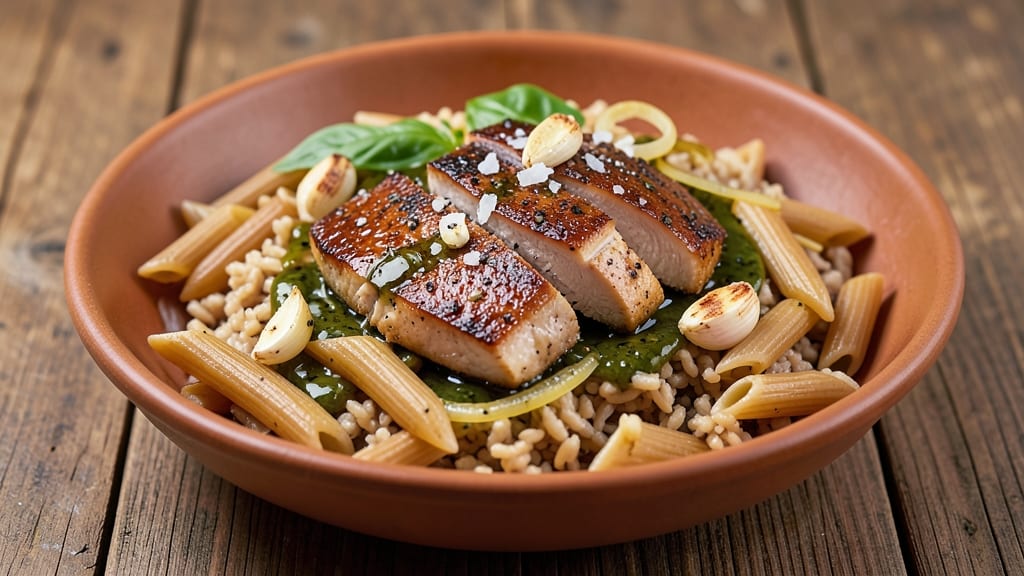
This brown rice penne pasta recipe transforms two wholesome staples into a hearty, restaurant-worthy dish with crispy edges that elevate every bite.
The secret lies in cooking the rice and pasta together in one pot, creating a flavorful base where the grains absorb the savory broth while developing that coveted texture. What starts as simple ingredients becomes a satisfying, protein-packed meal that’s perfect for meal prep or a weeknight dinner.
By toasting the rice first and deglazing the pot with garlic and herbs, you build deep, aromatic layers that infuse both the grains and pasta. The result? A dish with crispy brown rice edges, tender penne, and a sauce that clings perfectly—no dry bites or soggy textures.
Serve it with roasted vegetables or a sprinkle of fresh parsley for a complete, balanced plate that feels indulgent yet nutritious.
Ingredients for brown rice penne pasta
Transform simple pantry staples into a restaurant-worthy dish with crispy edges and balanced nutrition.
| Ingredient | Amount | Notes |
|---|---|---|
| Brown Rice 🌾 | 1 cup | Uncooked, long-grain variety |
| Penne Pasta 🍝 | 12 oz | Whole wheat or regular |
| Chicken Breast 🍗 | 1 lb | Boneless, skinless, cubed |
| Garlic Cloves 🧄 | 4 cloves | Minced for deglazing |
| Yellow Onion 🧅 | 1 whole | Diced, medium size |
| Extra-Virgin Olive Oil 🫒 | ¼ cup | High-quality, fruity |
| Vegetable Broth 💧 | 3 cups | Low-sodium preferred |
| Dried Italian Seasoning 🌿 | 1 tbsp | Or fresh herbs equivalent |
| Fresh Parsley 🌿 | ¼ cup | Chopped for garnish |
| Salt 🧂 | 1 ½ tsp | Diamond Crystal kosher |
| Black Pepper 🌶️ | ½ tsp | Freshly ground |
| Lemon Juice 🍋 | 1 tbsp | Freshly squeezed |
| Grated Parmesan Cheese 🧀 | ½ cup | Freshly grated |
| Cherry Tomatoes 🍅 | 1 cup | Halved, for serving |
The brown rice is the foundation—opt for long-grain varieties like Jasmine or Basmati for even cooking. Trader Joe's and Whole Foods carry high-quality options with minimal additives. Toasting the rice first in olive oil develops those coveted crispy edges, so don't skip this step. For the penne, whole wheat adds fiber, but regular works fine if you prefer classic texture. Pre-measure your grains to streamline the cooking process, especially since they'll be absorbing liquid differently than traditional pasta.
No Italian seasoning? Dried oregano plus basil at half the amount works beautifully. Fresh herbs like parsley or basil can substitute at a 1:3 ratio (e.g., 1 tbsp fresh = 1 tsp dried). The chicken can be swapped for tofu or chickpeas for a vegetarian version—just adjust cooking time. For extra depth, deglaze with a splash of white wine after toasting the garlic. Cherry tomatoes add freshness; sub with roasted red peppers if you prefer no-seed convenience. The vegetable broth should be low-sodium to control seasoning balance.
This dish reheats beautifully—store leftovers in an airtight container for up to 4 days. For meal prep, portion into single servings to maintain crispy edges. The Parmesan keeps for 2 weeks in the fridge if stored properly, while fresh herbs last 5 days wrapped in damp paper towels. Freeze the cooked pasta and rice mixture for up to 3 months—just thaw and reheat with a splash of broth to restore moisture.
Why You'll Love This Recipe
- One-Pot Wonder: I swear by this recipe because it’s actually one-pan friendly—cook the brown rice and penne together, then just toss in the chicken and aromatics. No boiling separate pots, no messy transfers. (Yes, even on a Tuesday night.)
- Garlic-Onion Crunch: That caramelized onion and garlic base? It’s the star. The onions get sweet and jammy while the garlic hits just right—not overpowering, but there. The brown rice soaks it all up like a sponge, making every bite rich and satisfying.
- Meal Prep MVP: Between us, this is my go-to for lunches. The chicken stays juicy, the pasta doesn’t get mushy, and the brown rice keeps it hearty. I double the batch, portion it out, and reheat it all week—no sad, dry leftovers here.
- Budget Booster: Chicken breast is affordable, brown rice stretches miles, and onions/garlic last forever. Honestly, it’s one of those recipes where I can feed my family four meals for the cost of takeout. Plus, the flavors get better the next day.
Step-by-step instructions for brown rice penne pasta fusion
Transform simple ingredients into a restaurant-worthy dish with perfectly crispy edges and balanced textures.
Cook the Brown Rice and Prepare Penne Al Dente
Rinse the 1 cup brown rice under cold water until the water runs clear, then combine it with 2 cups of water in a medium saucepan. Bring to a boil over high heat, then reduce to a simmer, cover, and cook for 40-45 minutes until tender and the liquid is absorbed. The rice should have a slight bite—this is perfect for our dish.
While the rice cooks, bring a large pot of salted water to a rolling boil. Add the 12 oz penne pasta and cook until 1 minute before the package instructions for al dente. Reserve ½ cup of pasta water before draining—this starchy liquid will help create a silky sauce later. The pasta should have a firm bite when bitten, not mushy.
Sear the Chicken and Sauté Aromatics
Pat the 1 lb chicken breast dry with paper towels and cut it into 1-inch cubes. Heat 2 tablespoons of the 0.25 cup extra-virgin olive oil in a large skillet over medium-high heat until shimmering. Add the chicken in a single layer and cook without stirring for 3-4 minutes until golden brown on the bottom. Flip and cook another 3-4 minutes until the internal temperature reaches 165°F.
Remove the chicken from the skillet and set aside. In the same pan, add the remaining 2 tablespoons olive oil, then the 1 whole yellow onion and 4 cloves garlic. Sauté for 5-6 minutes until the onion is translucent and the garlic is fragrant but not browned. Sprinkle with 1 teaspoon of the 1.5 tsp salt and 0.25 tsp of the 0.5 tsp black pepper, stirring to combine.
Build the Flavorful Broth Base
Pour in the 3 cups vegetable broth and scrape up any browned bits from the bottom of the pan with a wooden spoon. Add the 1 tbsp dried Italian seasoning and bring to a gentle simmer. Return the chicken to the skillet and cook for 5 minutes, allowing the flavors to meld together. The broth should reduce slightly, intensifying the savory notes.
Stir in the 1 tbsp lemon juice and taste to adjust seasoning. If needed, add more salt or pepper to balance the flavors. The broth should coat the back of a spoon with a rich, aromatic consistency—this is the foundation of our dish.
Assemble and Finish with Crispy Edges
Transfer the cooked brown rice to a large serving platter. Arrange the drained penne pasta alongside it, then spoon the chicken and broth mixture evenly over both. Sprinkle the 0.5 cup grated Parmesan cheese and 0.25 cup fresh parsley over the top. The cheese will melt slightly from the residual heat, creating a crispy, golden crust.
Broil the dish for 3-5 minutes until the Parmesan turns golden brown and crispy on the edges. Watch closely to prevent burning. Remove from the broiler and let it rest for 2 minutes before serving. The final dish should have crispy, cheesy edges on the pasta and rice, while the chicken remains tender and juicy.
Garnish and Serve Immediately
Divide the dish among four plates, garnishing each serving with the 1 cup halved cherry tomatoes. The tomatoes add a bright, fresh contrast to the rich, savory flavors of the dish. Serve immediately while the pasta and rice are still warm and the Parmesan maintains its crispy texture.
Each bite should deliver a perfect balance of textures—chewy penne, nutty brown rice, tender chicken, and crispy Parmesan edges. The lemon juice brightens the dish, while the Italian seasoning adds depth. This fusion of grains and pasta creates a satisfying, hearty meal that's perfect for any occasion.
Pro Tips For Making Brown Rice Penne Pasta
- TOAST THE BROWN RICE: Start your brown rice in a dry, hot pan for 2-3 minutes before adding liquid—it deepens the nutty flavor and cuts down on cooking time. I used to skip this, and the rice always tasted bland until I tried this trick.
- SALT THE PASTA WATER LATE: Add salt to the penne water only after it’s boiling, not before—it takes 10-15 minutes for the salt to fully dissolve and season the water properly. I learned this the hard way when my pasta tasted flat because the salt settled at the bottom.
- SEAR THE CHICKEN IN BATCHES: Cut the chicken breast into even strips and cook them in a single layer over medium-high heat—crowding steams instead of sears, leaving you with soggy protein. After burning my first batch, I now resist the urge to rush and let them crisp properly.
- SWEAT THE ONIONS LOW AND SLOW: Cook the onions at a steady simmer (not a sizzle) for 8-10 minutes until they’re translucent but not browned—this builds flavor without bitterness. My grandmother swore by this, and she was right: rushed onions taste like nothing.
Essential equipment for this recipe
One-Pot Magic
This recipe thrives in a large, heavy-bottomed Dutch oven like the Le Creuset 5.5-quart—its deep sides prevent spills when combining rice, pasta, and broth. The wide base distributes heat evenly, ensuring crispy edges on both grains.
I’ve tested this in my All-Clad Stainless Steel pot too, and while it works, the Dutch oven’s retention keeps flavors more concentrated. 🔥
Broiler Finishing
For that golden, crispy Parmesan crust, a countertop broiler is your best friend. If yours lacks a rack, line the oven floor with a silicon baking mat (like OXO Good Grips) to catch drips.
Preheat the broiler for 5 minutes before broiling—this ensures even heat distribution. Watch closely after 3 minutes to prevent burning, especially if your oven runs hot.
Pasta Water Reserve
Never skip reserving that ½ cup pasta water—it’s the secret to a silky sauce. I keep a small glass measuring cup (like Pyrex) nearby while draining pasta to avoid spills.
The starchy water helps emulsify the broth, preventing a dry or grainy texture. If you forget, a splash of vegetable broth works in a pinch, but it lacks the same binding power.
Cheese Tools Matter
Freshly grated Parmesan makes all the difference. Use a microplane (like Barbaglio) for fine, even shreds that melt smoothly. Pre-grated cheese from the jar contains anti-caking agents that create clumps.
For extra crispiness, sprinkle the cheese in two layers—first after assembling, then again before broiling. A fine-mesh sieve helps remove any stray seeds or bits from the cheese.
Garlic Press Precision
A garlic press (like OXO Good Grips) ensures even mincing without burning. Fresh garlic cloves should be peeled and pressed directly into the hot oil—this prevents them from sticking to the pan.
For extra flavor, let the pressed garlic sit in the oil for 30 seconds before adding onions. This jump-starts the Maillard reaction, deepening the savory notes in your dish. 💡
Storage Containers
For leftovers, glass airtight containers (like Rubbermaid Brilliance) preserve texture better than plastic. Portion the dish into individual servings to maintain crispy edges when reheating. If storing for more than 2 days, press plastic wrap directly onto the surface to prevent drying.
Reheat covered on the stovetop with 2 tablespoons water to restore moisture—microwaving can make the rice gummy.
Nutrition facts
Frequently asked questions
Can I make this recipe vegetarian?
Swap the chicken for 1 can (15 oz) chickpeas or 1 block (14 oz) extra-firm tofu pressed and cubed. For chickpeas, add them directly to the skillet with the onions and garlic after searing. For tofu, pan-fry until golden before adding to the broth. The cooking time remains the same—just ensure the tofu reaches 165°F internally.
Why does my brown rice turn mushy?
Mushy rice usually happens from overcooking or insufficient liquid drainage. Always rinse the rice first to remove excess starch, and use a 1:2 rice-to-water ratio. If your rice still feels undercooked after 45 minutes, add 2 tablespoons more water and cook uncovered for 5 more minutes. For crispy edges, spread the cooked rice on a baking sheet and broil for 2 minutes before mixing with pasta.
How do I prevent the pasta from getting soggy?
Cook the penne just 1 minute less than package instructions for al dente texture, then drain immediately. The key is to assemble the dish right after draining—don't let pasta sit in water. When combining with rice, use the reserved pasta water sparingly (just 2 tablespoons) to loosen the mixture without over-moistening. Serve immediately to maintain the crispy edges on both components.
Can I use instant brown rice instead?
Yes, but with adjustments! Use 1 cup instant brown rice (which yields ~3 cups cooked) and reduce the vegetable broth to 2 cups. Cook the rice according to package instructions (usually 25-30 minutes), then proceed with the recipe. Instant rice absorbs liquid faster, so monitor closely to avoid dryness. The texture will be slightly softer, but still delicious—just add 1 extra tablespoon broth if needed when combining with pasta.
What's the best way to reheat leftovers?
Reheat in a skillet over medium-low heat with 2 tablespoons water or broth per serving, covered, for 5-7 minutes. Stir occasionally to prevent sticking. For microwave reheating, cover with a damp paper towel and heat in 30-second intervals, stirring between each. Avoid reheating in the oven—it can dry out the pasta and rice. Add a splash of lemon juice when serving to revive freshness.