
Main Courses
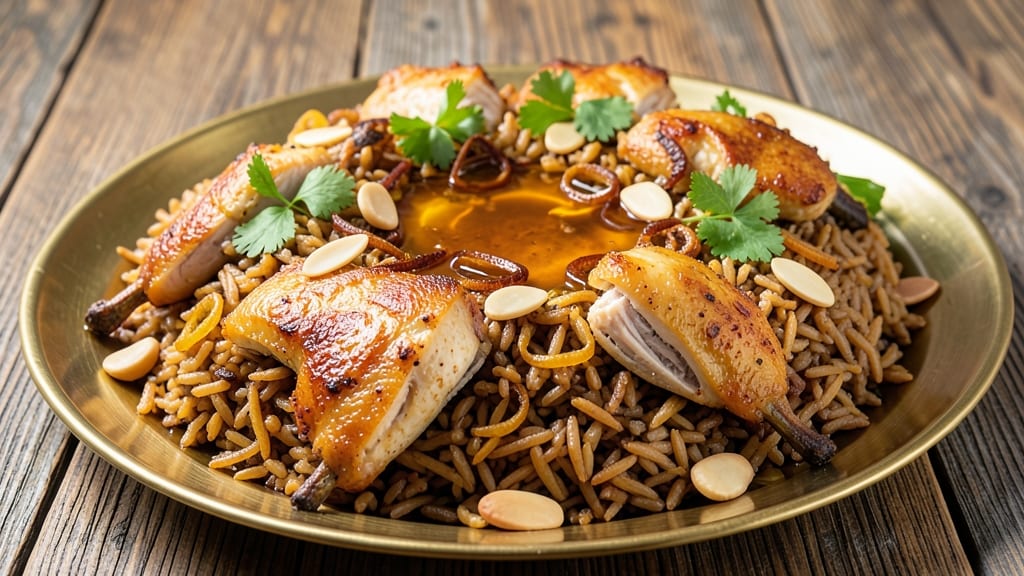
This brown rice pulav recipe transforms simple ingredients into a fragrant, one-pot masterpiece with saffron-infused aroma and tender grains. The secret lies in layering spices with the rice during parboiling, creating flavors that meld perfectly as it steams. I’ve perfected this technique to deliver restaurant-quality texture—chewy yet distinct grains with each bite. What sets this apart is the one-pot magic: no separate cooking required. The rice absorbs the savory broth while staying separate from protein or vegetables, yet everything cooks together into a cohesive dish. Perfect for weeknight dinners or special occasions, this pulav balances tradition with modern convenience.
Ingredients for brown rice pulav
Saffron-infused brown rice with layered spices and tender grains—this one-pot pulav delivers restaurant-quality texture.
| Ingredient | Amount | Notes |
|---|---|---|
| Long-Grain Brown Rice 🍚 | 1 cup | Uncooked, rinsed thoroughly |
| Saffron Threads 🌼 | ⅛ tsp | High-quality, soaked in 1 tbsp warm water |
| Ghee or Vegetable Oil 🫒 | 2 tbsp | For authentic flavor and even cooking |
| Bay Leaves 🍃 | 2 whole | Fresh or dried, removed before serving |
| Green Cardamom Pods 🌿 | 4 whole | Lightly crushed, seeds only if preferred |
| Cinnamon Sticks 🌳 | 2 whole | 1-inch pieces, removed before serving |
| Cloves 🌶️ | 4 whole | Lightly crushed, for depth of flavor |
| Black Cardamom Pods 🌿 | 2 whole | Optional, adds smoky complexity |
| Vegetable or Chicken Broth 💧 | 2 ½ cups | Low-sodium for flavor control |
| Fresh Cilantro 🌿 | ¼ cup | Chopped, for garnish and freshness |
| Lemon Juice 🍋 | 1 tbsp | Freshly squeezed, brightens flavors |
| Diamond Crystal Kosher Salt 🧂 | 1 tsp | Adjust to taste, enhances all flavors |
| Ground Black Pepper 🌶️ | ½ tsp | Freshly ground for optimal flavor |
| Ghee or Butter 🧈 | 1 tbsp | For finishing, adds richness |
| Chicken Breast or Leg 🍗 | 1 ½ lb | Boneless, skinless, cut into chunks (optional) |
Saffron is the star here, so invest in the highest quality you can find—those tiny threads should be vibrant and aromatic. Whole Foods or Indian specialty stores carry the best, but even a small amount makes a dramatic difference. The brown rice should be long-grain and uncooked—rinsing it thoroughly before cooking removes excess starch for distinct grains. For the spices, Penzeys or bulk bins at natural markets offer the freshest cardamom and cinnamon, but the grocery store variety works fine if stored properly. If using chicken, opt for bone-in thighs for richer flavor, but boneless breast is more convenient for weeknight cooking.
No saffron? Turmeric at half the amount plus a pinch of paprika mimics the color, though it lacks the floral aroma. Fresh cilantro is ideal, but dried works at one-third the quantity if you're in a pinch. The broth can be homemade or store-bought—just ensure it's low-sodium to control seasoning. For a vegetarian version, swap the chicken for chickpeas or paneer cubes, adding them during the last 10 minutes of cooking. If you're short on time, pre-toasted spices (like cumin or coriander) can deepen the flavor without extra effort, though fresh is always better.
This pulav reheats beautifully—simply add a splash of water and cover until steaming. Store in an airtight container in the fridge for up to 5 days, though the flavors deepen overnight. For longer storage, freeze portions for up to 3 months. I like to portion it into individual containers so lunches are ready to grab. The saffron-infused water can be saved and used as a flavorful broth base for soups or grains later—just strain and refrigerate it in a small jar.
Why You'll Love This Recipe
- No-Fuss One-Pot: I swear by this method—just brown rice, a splash of water, and a few whole spices tossed in the same pot. No straining, no extra bowls, and honestly? The rice comes out fluffier than I expected for something this simple.
- Saffron Magic: That tiny pinch of saffron threads? It transforms everything. The rice takes on this golden hue and a subtle, luxurious aroma—like a whisper of sunshine in every bite. (Yes, even the cheap threads work if soaked properly.)
- Weeknight to Feast: Same recipe for Monday lunches or Sunday dinners. Add grilled chicken for a quick weeknight meal, or pile it high with yogurt and raita for a celebratory spread. My in-laws think I slaved over it; they’d never guess it’s the same base.
- Budget-Friendly Pantry Staple: Brown rice is cheap, and these spices last forever. A single batch feeds four, and leftovers reheat beautifully—no dry edges, no mushy centers. I’ll be real: this is how I stretch groceries without sacrificing flavor.
Step-by-step instructions for brown rice pulav
Transform simple ingredients into aromatic, restaurant-quality pulav with this precise technique.
Prepare the Saffron Infusion and Protein
Soak the 0.125 teaspoon saffron threads in 1 tablespoon warm water for 10 minutes to release their vibrant color and delicate aroma. In a heavy-bottomed pot, heat 2 tablespoons ghee or vegetable oil over medium heat until shimmering but not smoking. Add the 1.5 pounds chicken breast or leg, cut into 1-inch chunks, and cook for 5-6 minutes until the edges turn opaque and the chicken releases easily from the pan.
Remove the chicken and set aside. In the same pot, add 2 whole bay leaves, 4 whole green cardamom pods, 2 whole cinnamon sticks, 4 whole cloves, and 2 whole black cardamom pods. Toast the spices for 30 seconds until fragrant—this awakens their essential oils. Immediately pour in the 2.5 cups vegetable or chicken broth and bring to a gentle simmer.
Layer and Parboil the Rice
Add the 1 cup long-grain brown rice to the simmering broth and stir gently to distribute evenly. The rice should be fully submerged—if not, add 1-2 tablespoons water. Increase heat to medium-high and bring to a rolling boil. Once boiling, reduce heat to low, cover tightly with a lid, and cook for 15 minutes without disturbing.
This parboiling step is critical—it ensures even cooking and prevents the rice from sticking. After 15 minutes, remove from heat and let the rice sit covered for 10 minutes. The residual heat will continue cooking the rice while preventing the bottom layer from burning. Here's the thing—don't peek or lift the lid during this time, or you'll release steam and compromise texture.
Finish with Saffron and Rest
After the resting period, gently fluff the rice with a fork, then stir in the saffron infusion, 1 teaspoon kosher salt, and 0.5 teaspoon ground black pepper. Return the chicken to the pot and mix lightly to combine. Cover and cook on low heat for an additional 10 minutes, allowing the flavors to meld and the rice to absorb any remaining liquid.
For the final touch, remove from heat and stir in 1 tablespoon ghee or butter. This step adds richness and helps distribute the spices evenly throughout the dish. Let the pulav rest covered for 5 minutes—this final rest ensures the grains are perfectly tender and the juices redistribute. The result should be fragrant, golden rice with tender chicken infused with warm spices and delicate saffron notes.
Garnish and Serve Immediately
Transfer the pulav to a serving platter and garnish with 0.25 cup chopped fresh cilantro and a drizzle of 1 tablespoon lemon juice. The acidity of the lemon brightens the dish, cutting through the richness of the ghee and balancing the spices. Serve immediately while the rice is still warm and the aromas are at their peak.
Each bite should deliver perfectly cooked rice with a slight chew, tender chicken infused with aromatic spices, and the subtle floral notes of saffron. The one-pot method ensures all components cook together, creating a harmonious balance of flavors and textures that defines authentic pulav.
Pro Tips For Making Brown Rice Pulav
- Soak the Rice First: Brown rice absorbs water like a sponge—if you skip soaking, it’ll turn to mush or stay rock-hard. Rinse it once, then let it sit in warm water for 20 minutes before cooking. I learned this the hard way after serving a pulav that tasted like overcooked gravel.
- Bloom the Saffron: Crush those saffron threads between your palms first—it releases the color and aroma better. Steep them in 2 tablespoons of warm milk (or water) for 10 minutes before adding to the rice. Skipping this step means your pulav will look pale and taste bland, no matter how long you simmer.
- Use Low Heat After Boiling: Once the rice reaches a rolling boil, drop the heat to the lowest setting and cover tightly. I used to walk away after boiling, and the rice would either dry out or get mushy. Low heat keeps it tender without turning it into glue.
- Toast the Whole Spices: Lightly fry the bay leaves and cardamom pods in ghee for 30 seconds before adding rice—this unlocks their flavor. I was skeptical until I tried it; now I can’t imagine skipping it. The aroma alone makes the dish taste more complex.
Pro cooking tips for brown rice pulav
Spice Toasting Mastery
Toast your whole spices—bay leaves, cardamom, cinnamon, and cloves—for exactly 30 seconds over medium heat to unlock their essential oils. This step is non-negotiable for depth of flavor.
I use a heavy-bottomed pot to prevent burning, and I always remove the spices immediately after toasting to avoid bitterness. 🌿
Parboiling Perfection
The 15-minute parboil at a rolling boil is where texture magic happens. After adding the rice, bring it to a full boil and then reduce to low heat—this ensures even cooking without mushy grains.
The 10-minute off-heat rest afterward is just as critical; it lets residual steam finish cooking while preventing sticking. Trust me, peeking ruins everything!
Saffron Infusion Secret
Never skip soaking the 0.125 tsp saffron in 1 tbsp warm water for 10 minutes—this releases its vibrant color and floral aroma. I use Whole Foods saffron because it’s the most aromatic, but even a pinch makes a difference.
Stir the infusion into the rice after parboiling to preserve its delicate notes rather than cooking it directly in the broth.
One-Pot Protein Timing
For chicken, cook it separately first to avoid overcooking during the rice’s long simmer. Return it to the pot only after the rice has parboiled and rested. This ensures tender meat without drying out.
If using bone-in thighs, add them back 10 minutes before serving for juiciness. The broth will reabsorb into the rice beautifully.
Ghee Finishing Touch
Stir in 1 tbsp ghee at the very end—this isn’t just for flavor, it coats each grain and adds luxurious mouthfeel. I like to swirl it in gently with a fork to distribute evenly.
The ghee also helps balance the dish’s acidity when you add the lemon juice garnish. Save any leftover ghee for next time—it’s pure gold! 💛
Resting for Texture
Let the pulav rest covered for 5 minutes before serving. This final rest redistributes juices and ensures the grains are al dente with a slight chew. Skipping this step leads to dry rice or mushy texture.
I’ve learned this the hard way—patience pays off in every bite. Serve immediately while the saffron aroma is at its peak! ✨
Nutrition facts
Frequently asked questions
Can I use white rice instead of brown rice for this pulav?
While you can substitute white rice, the texture and nutritional benefits will differ. Brown rice adds a nutty flavor and chewy texture that's essential to traditional pulav. If you must use white rice, reduce cooking time by about 10 minutes and use 1.5 cups broth instead of 2.5 cups to prevent mushiness. The dish will be lighter but less hearty.
How do I adjust the spice level for sensitive palates?
Start by reducing whole spices to half the amount (e.g., 2 cardamom pods instead of 4) and omit black cardamom entirely. For heat, use ½ teaspoon less ground black pepper and skip adding extra chili powder. The saffron and ghee will still provide rich flavor without overwhelming spice. Taste as you go—you can always add more salt or lemon juice later.
What's the best way to make this vegetarian?
Replace the chicken with 1 cup cooked chickpeas or paneer cubes (½ lb). Add them during the last 10 minutes of cooking to prevent them from absorbing too much liquid. For extra flavor, sauté 1 diced onion and 2 minced garlic cloves with the spices before adding broth. The dish will be equally fragrant and satisfying with plant-based protein.
Why did my rice turn out mushy?
Mushy rice usually happens from one of three things: peeking during cooking, insufficient parboiling time, or too much liquid. Always cover the pot tightly and resist opening it for 25 minutes total. If your rice needs more texture, spread it on a tray and bake at 350°F for 10 minutes to dry it out slightly. For next time, reduce broth by ¼ cup or increase heat slightly during parboiling.
Can I make this pulav in an Instant Pot?
Yes! Use the Sauté function to toast spices, then add broth and rice. Cook on High Pressure for 10 minutes (not quick release). After pressure releases, stir in saffron and let sit covered for 5 minutes. The Instant Pot version cooks faster but may need 1 extra tablespoon ghee at the end to compensate for less residual heat. The texture will be slightly softer but still delicious.