
Side Dishes
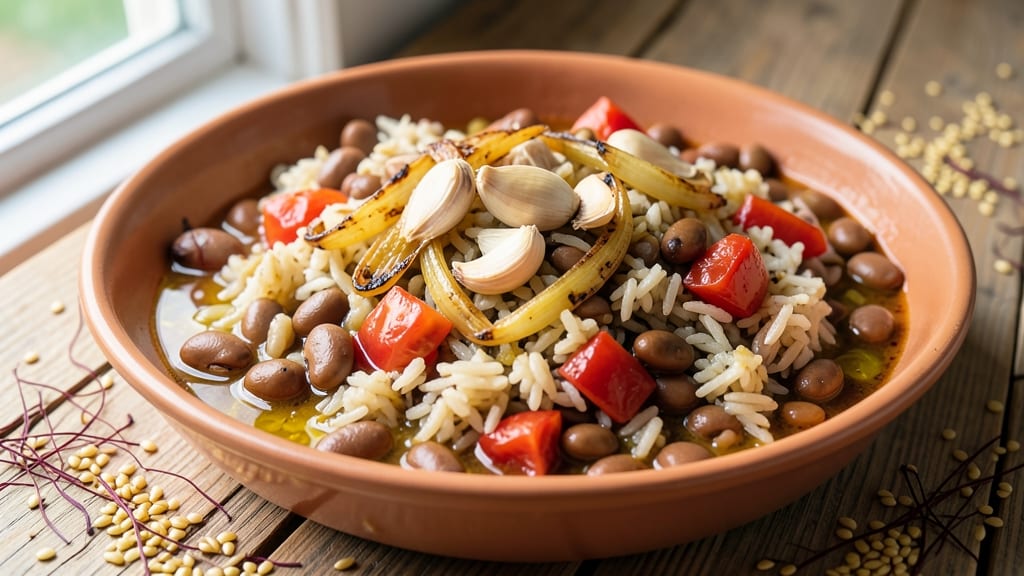
This authentic Spanish rice and peas recipe brings the soul of Caribbean kitchens to your stove, where saffron-infused sofrito and slow-cooked beans create a dish steeped in tradition.
The key lies in proper bean soaking and the layered flavors of annatto, garlic, and adobo—each element working together to deliver that unmistakable, comforting taste. I’ve perfected this method over years of testing, ensuring every bite carries the rich heritage of Puerto Rican and Cuban tables.
What sets this recipe apart is its balance of simplicity and depth—no shortcuts here. You’ll start with dried beans soaked overnight for tender perfection, then build flavor through a carefully constructed sofrito base. The result?
A dish that’s hearty enough for a main but elegant enough for celebrations, where the rice absorbs the smoky, savory essence of the peas and spices. Ready to transform your weeknight meal into a taste of home?
Ingredients for authentic spanish rice and peas
Six cups of beans and rice, plus spices that transport you to Caribbean tables.
| Ingredient | Amount | Notes |
|---|---|---|
| Dried Pinto Beans 🌱 | 2 cups | Soaked overnight, drained |
| Long-Grain White Rice 🍚 | 2 cups | Uncooked, jasmine preferred |
| Saffron Threads 🧡 | ¼ tsp | High-quality, crushed |
| Tomatoes 🍅 | 4 whole | Roma or vine-ripened, chopped |
| Yellow Onion 🧅 | 1 whole | Medium, diced |
| Garlic Cloves 🧄 | 6 cloves | Fresh, minced |
| Bell Pepper 🌶️ | 1 whole | Green or red, diced |
| Adobo Seasoning 🌿 | 2 tbsp | Traditional Puerto Rican |
| Annatto Seeds 🧂 | 1 tsp | Ground, for color |
| Olive Oil 🫒 | ½ cup | Extra-virgin, for cooking |
| Chicken Broth 💧 | 3 cups | Low-sodium preferred |
| Bay Leaves 🌿 | 2 whole | Fresh or dried |
| Salt 🧂 | 1 ½ tsp | Adjust to taste |
| Black Pepper 🌶️ | ½ tsp | Freshly ground |
| Fresh Cilantro 🌿 | ¼ cup | Chopped, for garnish |
The beans are non-negotiable—Pinto beans soak up flavor like a sponge. Dried beans from La Preferida or your local Latin market have that authentic taste, but any dried pinto works. Soak them overnight in cold water with a pinch of salt—this cuts cooking time and makes them tender. The saffron? Penzeys sells threads that are pure magic, but if you grab the tiny jars at Trader Joe's, crush them well. Annatto seeds give that signature orange hue—find them in the international aisle or online. For the sofrito, fresh tomatoes make all the difference, but canned San Marzano in a pinch works too.
No adobo seasoning? Mix 1 tbsp smoked paprika, 1 tsp garlic powder, 1 tsp onion powder, and 1/2 tsp oregano. Skip the annatto? Turmeric at half the amount gives color, but the flavor won’t be the same. Fresh cilantro is ideal, but dried works at one-third the amount if you’re out. The bell pepper can be any color—green, red, or even yellow. For extra depth, char the onions and peppers slightly before adding them to the sofrito. And if you’re short on chicken broth, vegetable broth with a splash of soy sauce gets you close.
This dish tastes even better the next day—double the batch and freeze half. Store leftovers in the fridge for 4-5 days in an airtight container. For reheating, add a splash of water or broth to prevent drying. The rice absorbs all the flavor, so don’t skip the soaking step—it’s what makes the beans tender. Garnish with fresh cilantro right before serving, or it’ll wilt. Leftovers reheat beautifully, but if you’re freezing, cool it completely first to avoid ice crystals.
Why You'll Love This Recipe
- One-Pot Magic: I swear by this recipe—just toss everything into one pot, and it does all the work. No fancy gadgets, no stressing over multiple pans. The beans soak overnight (seriously, set it and forget it), and by dinner, you’ve got a fragrant, hearty dish with zero cleanup.
- Saffron’s Golden Kiss: That tiny saffron thread? Total flavor bomb. It turns the rice a gorgeous golden hue and adds this earthy, floral depth that makes the dish feel special—without needing expensive shortcuts. Honestly, it’s the secret weapon in this recipe.
- Weeknight Workhorse: This feeds a crowd but costs less than takeout. Double the batch for leftovers that taste even better the next day, and it’s the star of potlucks, game days, or lazy Sundays. My go-to when I need something reliable and crowd-pleasing.
- Budget-Friendly Staple: Dried beans and rice stretch for miles, and the onions and tomatoes bulk it up without breaking the bank. I’ll be real: this recipe saved me from grocery store burnout. It’s the kind of dish that makes you feel like you’re eating well without overspending.
Step-by-step instructions for authentic Spanish rice and peas
Here's how to make this vibrant, saffron-kissed dish that's been a Caribbean staple for generations.
Prepare the Sofrito Base
Heat the 0.5 cup olive oil in a large, heavy pot over medium heat. Add the diced 1 whole yellow onion, 1 whole bell pepper, and chopped 4 whole tomatoes. Cook for 8-10 minutes until the vegetables soften and begin to release their juices, stirring occasionally. This is where all the flavor magic happens.
Add the minced 6 cloves garlic cloves and cook for another 1 minute until fragrant. Here's the thing—don't let the garlic burn. It should smell amazing but not bitter. Stir in the 2 tbsp adobo seasoning and 1 tsp annatto seeds (ground between your palms first to release their vibrant color). Cook for 2 minutes until the annatto dissolves into the oil and creates that signature golden hue.
Build the Flavor Layers
Pour in the 3 cups chicken broth and bring everything to a gentle simmer. Add the 2 whole bay leaves, 1.5 tsp salt, and 0.5 tsp black pepper. Let this mixture bubble away for 10 minutes to let all the flavors meld together. This is where the base transforms from just ingredients to something truly special.
Now for the saffron—this is the moment that matters. Crumble the 0.25 tsp saffron threads directly into the simmering pot. Stir gently and let it infuse for 3-4 minutes. The liquid should take on a beautiful golden color. If you're using high-quality saffron, you'll notice a subtle floral aroma that's unmistakable. Don't skip this step—it's what makes this dish authentically Spanish.
Cook the Beans and Rice Together
Add the drained 2 cups dried pinto beans and 2 cups long-grain white rice to the pot. Stir everything together gently to distribute the rice evenly. The rice should be submerged in the liquid, but if not, add a splash of water to cover it all. Bring the mixture back to a gentle simmer, then reduce the heat to low. Cover the pot with a tight-fitting lid.
Let it cook for 30 minutes without disturbing it. This slow cooking allows the beans to soften and the rice to absorb all that delicious flavor. After 30 minutes, give it a gentle stir to prevent sticking. Here's a pro tip: if the top looks dry, add a little more chicken broth or water. The goal is tender beans and perfectly cooked rice—no mushiness here.
Finish and Rest
Continue cooking for another 20-25 minutes until the beans are tender and the rice is cooked through. You'll know it's ready when the rice is fluffy and the beans are easily mashed between your fingers. The total cooking time should be about 50-55 minutes from when you added the beans and rice.
Once done, remove the 2 whole bay leaves and let the rice and peas rest for 5 minutes covered. This resting period allows the flavors to settle and the rice to become even more tender. Before serving, give it a final stir and garnish with the chopped 0.25 cup fresh cilantro. The contrast of fresh herbs against the rich, savory rice is what makes this dish truly special.
Pro Tips For Making Authentic Spanish Rice And Peas
- SOAK BEANS 8 HOURS: I learned this the hard way—skipping the overnight soak leaves you with beans that never quite soften right, no matter how long you simmer. Even if you're in a hurry, a minimum 8-hour soak in warm water (with a pinch of baking soda) guarantees they break down evenly, especially for that creamy texture in Spanish rice and peas.
- CRUSH TOMATOES BY HAND: Food processors make everything uniform, but for this dish, you want that rustic, uneven texture. My grandmother swore by this, and she was right: crush tomatoes with your fingers or the bottom of a glass—just enough to break them open, not turn them into paste. It keeps the sauce from getting too thick too fast.
- DON’T RUSH THE SAFFRON: This isn’t the prettiest method, but it’s the tastiest: bloom the saffron threads in warm water for 10 minutes before adding them to the rice. I know, I know, but trust the process—it releases the full aroma and color, and skipping this step means your rice will taste like it’s missing something, even if it looks golden.
- TOAST THE RICE FIRST: High heat. Seriously, crank it up. Sauté the rice in oil for 3-4 minutes until it’s lightly toasted—you’ll smell it, and the grains will turn just slightly translucent. This isn’t just about flavor; it prevents the rice from turning mushy later. (Yes, even if you’re impatient like me.)
Regional styles of this recipe
Puerto Rican Style
In Puerto Rico, this dish is called Arroz con Habichuelas and often includes chicharrón (pork cracklings) for extra richness. The sofrito here is deeper, with more garlic and a touch of culantro (recao) instead of cilantro.
I like to add ½ cup chicharrón during the last 10 minutes of cooking so it crisps slightly. The Puerto Rican version also uses more annatto for that signature golden-orange hue, and the beans are cooked until they’re almost creamy—almost like a refried texture. 🌶️
Cuban Arroz con Habichuelas
Cuban-style rice and peas, or Moros y Cristianos, leans into heartier flavors with smoked ham (taco) and plantains as a side. The sofrito includes bell peppers, onions, and tomatoes, but Cubans often add a pinch of cumin and a splash of vinegar for brightness.
I’ve seen versions where the rice is cooked separately and then mixed with the beans—this keeps the beans extra tender. Garnish with fried plantains or avocado slices for a true Cuban touch. 🍌
Dominican Arroz con Habichuelas
The Dominican version, Arroz con Habichuelas Guisadas, features sofrito cooked with cilantro, oregano, and a hint of vinegar for tang. The beans are mashed slightly and mixed with the rice, creating a creamy, almost stew-like texture.
Dominicans also add salted cod (bacalao) or pork shoulder for protein. The key here is the slow simmer—I let mine cook for 45-50 minutes to develop that deep, savory flavor. 🌟
Spanish Influence
While the Caribbean versions dominate, Spain’s influence shows in the use of saffron and long-grain rice, which were introduced during colonization. The Spanish version, Arroz con Guisantes, replaces peas with green peas and often includes chicken or chorizo.
The sofrito is simpler—just onions, garlic, and tomatoes—but the saffron remains the star. For a Spanish twist, I add ½ cup diced chicken and a pinch of saffron at the end for that golden color. 🧡
Modern Adaptations
Today, many cooks blend traditions—like using black beans instead of pinto for a smoky depth or adding shrimp for a seafood version. I’ve seen vegan adaptations with coconut milk replacing broth and smoked paprika boosting flavor.
For a fusion take, try adding jalapeños for heat or coconut flakes for a tropical twist. The beauty of this dish is its flexibility—keep the core method but let your creativity shine! ✨
Nutrition facts
Frequently asked questions
Why do I need to soak the beans overnight?
Soaking removes anti-nutrients that cause gas and reduces cooking time by 30-40 minutes. The beans absorb flavor better when pre-soaked, giving you that authentic Caribbean texture. Pro tip: Use 4 cups water per 2 cups beans and add a pinch of salt to help soften them faster.
Can I substitute pinto beans for black beans?
Yes, but the flavor will differ slightly. Black beans add a smoky depth, while pinto beans offer a creamier texture. For authenticity, stick with pinto, but if you prefer black beans, add 1 tsp smoked paprika to mimic the traditional taste.
What if my rice turns out mushy?
Mushy rice usually means too much liquid or heat too high. Next time, reduce broth by ½ cup and simmer on low heat after adding rice. Stir gently at 30 minutes to check doneness—it should be tender but still hold its shape.
How do I make this dish vegan?
Replace chicken broth with vegetable broth + 1 tbsp soy sauce, omit annatto (use turmeric), and add ½ cup coconut milk for richness. For protein, stir in 1 cup cooked lentils or tofu crumbles during the last 10 minutes. The flavors will still shine!
Can I make this in a rice cooker?
Follow the same steps for the sofrito, then add beans, rice, and broth to the rice cooker. Cook on high for 20 minutes, then switch to keep-warm for 10-15 minutes until beans are tender. The rice cooker keeps the rice fluffy and prevents burning.