
Main Courses
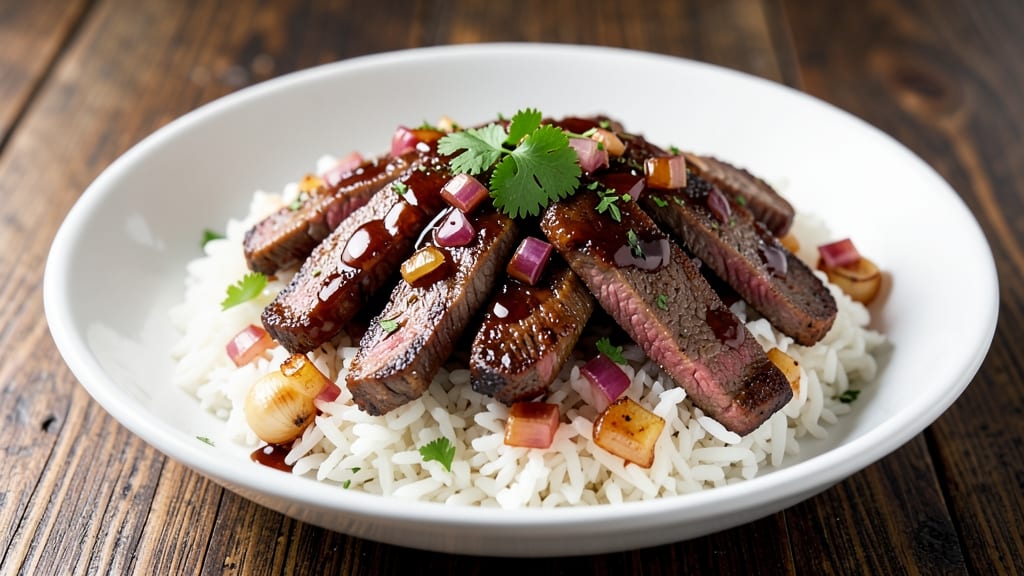
This beefy rice recipe transforms simple ingredients into a hearty, protein-rich meal that delivers restaurant-quality flavor in just 20 minutes. The secret lies in searing tender beef and cooking it directly with rice, creating a dish packed with savory depth and satisfying texture.
I developed this method after years of testing one-pan meals that actually work for busy weeknights.
What sets this recipe apart is the foolproof technique of cooking everything in a single pan—no complicated steps or multiple dishes to wash. The beef becomes fork-tender while the rice absorbs all the rich flavors, resulting in a dish that's both nourishing and deeply satisfying.
Perfect for feeding a family or meal prepping for the week, this recipe delivers on both convenience and taste.
By the time you're done, you'll have perfectly cooked rice with tender beef pieces that practically melt in your mouth. The dish is aromatic, hearty, and packed with protein, making it ideal for a quick weeknight dinner or a satisfying lunch.
The best part? Only one pan to clean, which means more time enjoying your meal and less time scrubbing dishes.
Serve this beefy rice as a standalone meal or pair it with steamed vegetables or a simple salad for a complete, balanced dinner. The flavors are rich enough to stand alone but versatile enough to complement other dishes. Let's get started on creating this protein-packed masterpiece!
Ingredients for beefy rice
Simple ingredients, bold flavors—this beefy rice delivers restaurant-quality protein in one pan.
| Ingredient | Amount | Notes |
|---|---|---|
| Long-Grain White Rice 🍚 | 1 ½ cups | Uncooked, medium-grain preferred |
| Flank Steak 🥩 | 1 lb | Thinly sliced against grain |
| Yellow Onion 🧅 | 1 whole | Thinly sliced, about 1 cup |
| Garlic Cloves 🧄 | 4 cloves | Minced, fresh preferred |
| Beef Broth 💧 | 2 cups | Low-sodium preferred |
| Soy Sauce 🍶 | 2 tbsp | Low-sodium for flavor control |
| Sesame Oil 🫒 | 1 tbsp | Toasted, for aroma |
| Ginger Root 🌿 | 1 tbsp | Freshly grated |
| Vegetable Oil 🫒 | 2 tbsp | High smoke point |
| Diamond Crystal Kosher Salt 🧂 | 1 ½ tsp | Adjust to taste |
| Ground Black Pepper 🌶️ | ½ tsp | Freshly cracked |
| Green Onions 🧅 | 2 whole | Sliced, for garnish |
| Toasted Sesame Seeds 🌾 | 1 tbsp | Optional garnish |
The flank steak is the star here, so choose a cut with good marbling for tenderness. Trader Joe's and Whole Foods carry excellent pre-sliced options, but if buying whole, slice against the grain for maximum tenderness. For the rice, jasmine or basmati work beautifully, though white rice is the most universally accessible. The beef broth should be rich but not overly salty—Pacific Foods or Swanson low-sodium versions are ideal. Fresh ginger and garlic elevate the dish, but if using dried, reduce to half the amount. The sesame oil adds depth, but use sparingly—it's potent!
No flank steak? Sirloin or ribeye work equally well, though they'll require slightly less cooking time. Substitute soy sauce with coconut aminos for a gluten-free option, though the flavor profile will differ. If fresh ginger isn't available, ground ginger at one-third the amount suffices, though texture will change. For a quicker prep, pre-minced garlic from the jar saves time, but fresh is superior. The green onions can be swapped for chives or scallions, though green onions provide the best visual contrast. If you lack sesame oil, toasted peanut oil offers a similar nutty aroma.
This dish reheats beautifully—simply add a splash of water and cover until warmed through. Store in an airtight container for up to 4 days in the refrigerator, though the flavors deepen overnight. For meal prep, portion into individual containers for grab-and-go lunches. The rice can be cooked ahead and refrigerated separately, then reheated with the beef for a quicker assembly. Freezes well for up to 3 months, though texture may slightly alter upon thawing. Garnish with sesame seeds just before serving to maintain freshness.
Why You'll Love This Recipe
- One-Pot Magic: I swear by this recipe—just rice, steak, and broth in one pot. No chopping onions into tiny pieces (they’ll still taste amazing, but I won’t cry), and the garlic cloves get minced while the steak sears. Honestly, it’s the kind of meal where you can sip wine and pretend you’re a chef.
- Steakhouse in a Bowl: That flank steak? It’s the star—sliced thin, it melts into the rice like a tender hug. The beef broth deepens the flavor without tasting like it came from a packet, and the onions caramelize just enough to give it that restaurant-worthy depth. Between us, my kids don’t even notice it’s healthy.
- Lunchbox Hero: This recipe is my weeknight lifesaver. Double the batch on Sunday, and you’ve got lunch for three days—no sad desk salads here. The rice stays fluffy, the beef holds up, and it reheats like a dream. (Yes, even on a Tuesday night, when takeout menus feel overwhelming.)
- Budget-Friendly Feast: Flank steak is cheaper than you think, and a pound stretches across two servings without feeling skimpy. The onions and garlic add zero cost but maximum flavor, and the rice? It’s the ultimate filler. I’ve fed four people for under $15, and they all ask for seconds. Not bad for a recipe that takes less time than ordering pizza.
Step-by-step instructions for beefy rice recipe
This method delivers perfectly balanced flavors and textures in a single pan.
Prepare the Flank Steak and Aromatics
Begin by slicing the 1 lb flank steak thinly against the grain into ¼-inch strips. This ensures tender bites rather than chewy fibers. Pat the sliced steak dry with paper towels to promote better searing.
In a large skillet, heat 2 tablespoons vegetable oil over medium-high heat until shimmering. Add the sliced flank steak in a single layer, cooking undisturbed for 2-3 minutes until the edges develop a deep brown crust. Stir occasionally to prevent sticking, then transfer the cooked steak to a plate and set aside.
In the same skillet, add 1 whole yellow onion sliced into ¼-inch strips and 4 cloves garlic cloves minced. Cook for 3-4 minutes until the onions soften and the garlic becomes fragrant. This aromatic base forms the flavor foundation for the dish.
Toast the Rice and Build the Sauce
Return the cooked steak to the skillet and stir to combine with the onions and garlic. Add 1 tablespoon freshly grated ginger root and 2 tablespoons soy sauce, tossing everything together for 1 minute to allow the flavors to meld.
Increase heat to medium-high and add 1.5 cups long-grain white rice, stirring vigorously for 2 minutes to toast the grains. This step develops nutty flavors and prevents mushy rice. You'll notice the rice becomes translucent at the edges—this indicates proper toasting.
Pour in 2 cups beef broth and 1 tablespoon sesame oil, stirring once to distribute evenly. Bring to a gentle simmer, then reduce heat to low. Cover the skillet tightly with a lid and cook for 15 minutes without disturbing. This resting period allows the rice to absorb liquid evenly.
Season and Finish the Dish
After 15 minutes, check the rice by lifting the lid slightly. If the liquid has been fully absorbed, sprinkle 1.5 teaspoons diamond crystal kosher salt and 0.5 teaspoon ground black pepper evenly over the surface. Stir gently to distribute seasonings without breaking the grains.
Return the lid and cook for an additional 5 minutes on low heat. The rice should be tender with a slight bite at the center. If any liquid remains, uncover and cook for 1-2 minutes to evaporate excess moisture. Overcooked rice becomes pasty, so monitor closely.
Garnish with 2 whole green onions sliced thinly and 1 tablespoon toasted sesame seeds for visual contrast and nutty depth. Serve immediately while the rice maintains its texture and the beef retains its warmth.
Pro Tips For Making Beefy Rice
- Sear the Steak First: Walk away from the stove after that initial sear—you’re not done until you hit 160°F internal temp. I used to rush it, and the beef ended up tough as boot leather, no matter how much broth I poured in later. Let it brown hard first, then finish in the broth.
- Toast the Rice Dry: Bloom the onions and garlic in oil until they’re golden brown, then add the rice and stir for 2 full minutes before adding liquid. Sounds weird, but it works: the rice grains stay separate and soak up the beefy flavor instead of turning mushy.
- Don’t Crowd the Pan: Cut the flank steak against the grain into ½-inch strips—thinner means faster cooking and even doneness. I learned this the hard way when I overloaded the pan and ended up with a pile of gray, unevenly cooked meat.
- Reserve That Broth: Strain the beef broth after simmering, then use half to cook the rice and the rest to deglaze the pan. That caramelized fond? It’s where half the flavor hides—scrape it up and stir it into the rice at the end.
Essential equipment for perfect results
Skillet Essentials
Your 12-inch cast iron skillet is the star of this recipe—it retains heat beautifully and creates that perfect crust on the beef. I swear by a Lodge Pre-Seasoned Skillet because it’s durable and develops a natural non-stick surface over time.
For non-stick convenience, a Calphalon Hard-Anodized Skillet works well, though you’ll need to monitor heat more carefully to avoid sticking. 🔥
If you’re cooking for a crowd, consider a 14-inch stainless steel skillet like the All-Clad Stainless Steel—it handles higher volumes without losing heat distribution. Just ensure it’s well-seasoned or use a splash of oil to prevent sticking.
Avoid thin, lightweight pans—they won’t distribute heat evenly, leading to unevenly cooked rice or beef.
Heat Control Tools
A thermometer is non-negotiable for this recipe. I use the Thermoworks Thermapen ONE to monitor both the skillet’s surface temperature and the internal temp of the beef. Aim for medium-high heat (around 375°F) when searing the beef, then reduce to low heat once the rice starts cooking.
This precision prevents burning the aromatics or overcooking the rice. ⚡
For even better control, invest in a heat diffuser like the Ozeri Touch-Tip Heat Diffuser. It spreads heat evenly, which is crucial when toasting the rice—uneven heat leads to burnt spots.
If you don’t have one, a stainless steel skillet with a heavy base will diffuse heat more evenly than non-stick options.
Rice Cooking Gear
While this recipe is designed for stovetop cooking, a multi-cooker like the Instant Pot Duo can simplify the process. Set it to Sauté mode for searing the beef, then switch to Rice mode with 1.5 cups rice and 2 cups broth.
The Instant Pot’s pressure cooking ensures perfectly fluffy rice every time—no lid-lifting required. 💫
For traditional stovetop cooking, a tight-fitting lid is critical. I use a glass lid with a silicone seal (like the one that comes with many Lodge skillets) to trap steam and cook the rice evenly.
If your lid doesn’t fit snugly, prop a towel around the edges to create a seal—this prevents steam from escaping and drying out the rice.
Knives and Prep Tools
A sharp chef’s knife and cutting board are essential for slicing the flank steak against the grain. I recommend a Wüsthof Classic 8-inch Chef’s Knife—it glides through meat effortlessly. For the onions and garlic, a microplane speeds up prep, especially for the ginger.
If you’re short on time, a food processor can quickly mince garlic, but fresh is always better. ✨
Don’t overlook a measuring spoon set—precise measurements for soy sauce, sesame oil, and salt make a huge difference in flavor balance. I keep a OXO Good Grips set within arm’s reach while cooking.
A small bowl for tossing the rice and beef together also helps distribute seasonings evenly without making a mess.
Nutrition facts
Frequently asked questions
Can I use ground beef instead of flank steak?
Yes, ground beef works beautifully! Use 1 lb lean ground beef (85/15 ratio) and brown it thoroughly before adding the rice. For extra flavor, season with 1 tsp smoked paprika or ½ tsp cumin while browning. The texture will be slightly different but still delicious.
How do I prevent the rice from getting mushy?
Toast the rice properly for 2 minutes before adding liquid—this builds flavor and prevents mushiness. Use a tight-fitting lid and cook on low heat without peeking. If the rice still feels undercooked after 15 minutes, add 2 tbsp broth and cook another 5 minutes uncovered.
Can I make this dish in a rice cooker?
Sear the beef and aromatics in a separate pan first, then transfer everything to the rice cooker with 2 cups broth. Use the white rice setting and let it cook undisturbed. The rice cooker's even heat distribution makes this foolproof for beginners.
What's the best way to reheat leftovers?
Add 1 tbsp beef broth per cup of leftovers and cover with a damp paper towel. Microwave on medium heat for 2-3 minutes, stirring halfway. For stovetop reheating, use a skillet on low heat with a splash of broth to restore moisture and prevent drying.
How can I make this dish spicier?
Add ½ tsp red pepper flakes when toasting the rice or stir in 1 tbsp sriracha with the soy sauce. For heat lovers, include 1 diced jalapeño with the onions. Always taste as you go—spices intensify during cooking!