
Main Courses
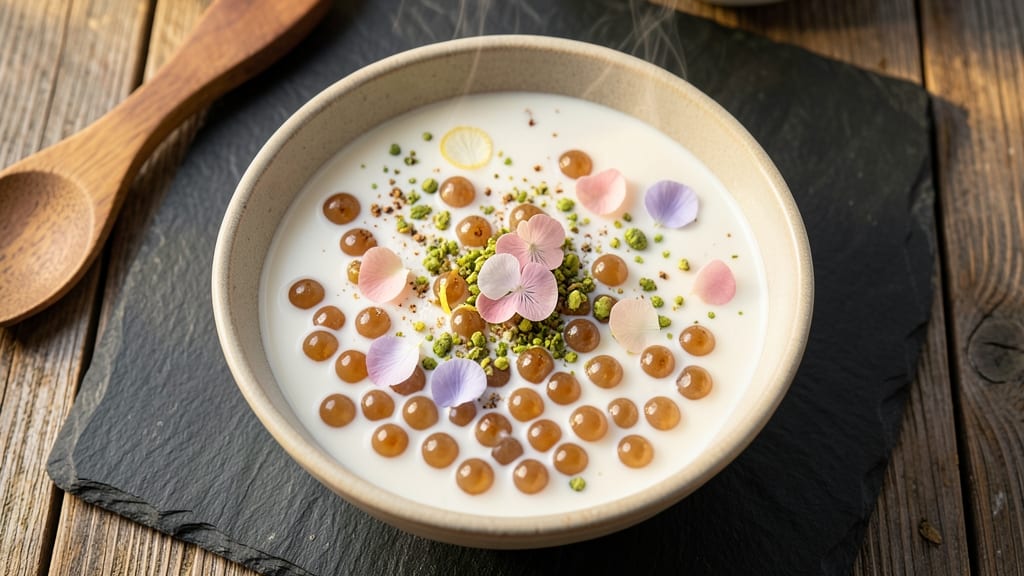
Transforming simple glutinous rice flour into chewy boba pearls is the secret behind that perfect milk tea texture. The key lies in precise cooking techniques that create those signature bouncy, translucent spheres—each one holding up beautifully against rich tea or creamy milk.
This method delivers restaurant-quality results at home, with just the right balance of chewiness and resistance to breaking.
Start with the flour mixture, carefully shaped into small balls before boiling in gentle, rolling water to prevent cracking. The cooking process takes about 15-20 minutes, with constant stirring to ensure even cooking.
Once the pearls reach that signature glossy sheen, they're ready to be paired with your favorite sweetened liquid base—whether classic milk tea, fruity syrups, or even matcha variations. The result? A drink where every sip delivers that satisfying crunch and chew you crave.
Ingredients for boba recipe with glutinous rice flour
Four cups of flour and a few key ingredients transform into those signature chewy boba pearls.
| Ingredient | Amount | Notes |
|---|---|---|
| Glutinous Rice Flour 🍚 | 2 cups | Must be 100% glutinous rice flour |
| Water 💧 | 1 ½ cups | Room temperature preferred |
| White Sugar 🍚 | ½ cup | Fine granulated preferred |
| Vegetable Oil 🫒 | 1 tbsp | Light or neutral oil |
| Salt 🧂 | ½ tsp | Fine sea salt preferred |
| Baking Soda 🧪 | ¼ tsp | Pure, no aluminum |
| Sweetened Coconut Milk 🥥 | 13 ½ oz | Condensed, 1 can |
| Black Tea Bags ☕ | 4 whole | Assam or Ceylon preferred |
| Milk (Dairy-Free) 🥛 | 2 cups | Oat or almond milk |
| Vanilla Extract 🌿 | 1 tsp | Pure vanilla preferred |
| Ice Cubes ❄️ | 2 cups | For serving |
| Fresh Lime Juice 🍋 | 1 tbsp | Freshly squeezed |
Glutinous rice flour is non-negotiable here—Bob's Red Mill or King Arthur brands are reliable, but check the label for 100% glutinous rice flour (not regular rice flour). The flour should feel slightly sticky when wet, almost like dough. If you can't find it, Asian grocery stores usually have it in bulk. The sugar should be fine granulated—Domino works fine, but avoid powdered sugar. For the coconut milk, Goya or Thai Kitchen brands are solid choices, and you'll need the full can for that rich, creamy base.
No sweetened condensed coconut milk? Mix 1 can regular coconut milk with 1 cup sugar, simmered until thickened. Running short on vanilla? Vanilla bean paste works too, but pure extract is ideal. The tea bags can be swapped for green tea or matcha powder, though black tea gives that classic milk tea flavor. For the dairy-free milk, Oatly or Silk are my go-tos—they froth nicely. Fresh lime juice is best, but bottled works in a pinch if you're in a hurry. The ice cubes should be clear, not cloudy, for that clean taste.
Store the dried boba pearls in an airtight container in the fridge for up to 2 weeks. The liquid base keeps for 3 days in the fridge, but I like making fresh batches every couple of days. The pearls will soften over time, so reheat in milk for 2-3 minutes to restore chewiness. Freeze extra pearls for up to 3 months—just thaw in warm milk before serving.
Why You'll Love This Recipe
- Here’s what sold me: these little chewy bites keep for weeks in the fridge. Toss them into milk tea, blend into smoothies, or just snack straight from the jar. I’ve had them last through three lunches before needing a refresh, and they never lose their chew.
- Five-Ingredient Magic: I swear by this recipe—just flour, water, sugar, oil, and salt. That’s it. No fancy pantry trips, no last-minute grocery runs. The only "prep" is mixing, steaming, and rolling, and I’ve done it in my pajamas while scrolling through bad reality TV.
- Chewy Cloud Perfection: Between us, the texture is ridiculously good. Glutinous rice flour gives you that signature boba bounce—soft inside, slightly resistant on the edge—without needing a single bobai maker. The sugar caramelizes just enough to add a subtle sweetness that makes it disappear in seconds.
- Leftover Goldmine: Here’s what sold me: these little chewy bites keep for weeks in the fridge. Toss them into milk tea, blend into smoothies, or just snack straight from the jar. I’ve had them last through three lunches before needing a refresh, and they never lose their chew.
Step-by-step instructions for boba made with glutinous rice flour
Here's how to make boba with that signature chewy texture that holds up perfectly in milk tea.
Create the Glutinous Rice Flour Dough
In a large mixing bowl, combine the 2 cups glutinous rice flour, 1.5 cups water, 0.5 cup white sugar, 1 tbsp vegetable oil, 0.5 tsp salt, and 0.25 tsp baking soda. Mix vigorously with a wooden spoon or silicone spatula until a thick, sticky dough forms—it should pull away from the bowl sides cleanly.
I like to use my hands for this part, kneading the dough for about 5 minutes until it becomes smooth and elastic. If it feels too sticky, add 1 tablespoon of flour at a time until it's workable. The dough should be soft but not wet, and it should spring back slightly when pressed. This consistency ensures chewy boba that doesn't fall apart when cooked.
Shape the Boba Dough into Balls
Divide the dough into 4 equal portions (about 4 ounces each for 4 servings). Roll each portion into a 1-inch thick log, then cut into ½-inch thick slices. Gently roll each slice between your palms into a smooth, round ball—about the size of a marble.
Here's the thing—don't worry if they're not perfect. Boba doesn't need to be uniform to taste great. Place the shaped boba balls on a parchment-lined tray, cover with a damp towel, and let them rest for 15 minutes at room temperature. This resting period helps them hold their shape better during cooking.
Boil the Boba in Sweetened Coconut Milk
In a large pot, combine the 13.5 oz sweetened coconut milk and bring it to a gentle boil over medium heat. Once boiling, carefully add 10-12 boba balls (about half the batch) to avoid overcrowding. Stir gently to prevent sticking, then reduce heat to medium-low and let them cook for 12-15 minutes.
You'll know they're ready when they float to the surface and turn a translucent white color. If they stick to the pot, add a splash of water to loosen them. Remove the cooked boba with a slotted spoon and transfer to a bowl of ice water to stop the cooking process. Repeat with the remaining boba balls, working in batches to avoid overcrowding.
Prepare the Tea Base
While the boba cooks, steep the 4 whole black tea bags in 2 cups hot water for 3-4 minutes—just until the water turns a rich amber color. Remove the tea bags and stir in 1 tsp vanilla extract and 1 tbsp fresh lime juice. Let the tea cool to room temperature before mixing with the dairy-free milk.
In a separate pitcher, combine the cooled tea with 2 cups dairy-free milk. Taste and adjust sweetness if needed—you can add a bit more sugar if desired, but the coconut milk already provides natural sweetness. The lime juice brightens the flavors, while the vanilla adds depth. Stir well and refrigerate until ready to serve.
Assemble and Serve
Drain the cooked boba thoroughly and divide among 4 glasses. Pour the chilled tea-milk mixture over the boba, filling each glass to the top. Add 2 cups ice cubes to each serving and stir gently to combine. The boba should be fully submerged in the cool, creamy liquid.
Let the boba sit for 5-10 minutes before drinking—this allows the flavors to meld and the boba to soften slightly in the cold mixture. Serve immediately with a wide straw for the full boba experience. The contrast of chewy boba against the smooth, slightly tangy milk tea is what makes this recipe so special.
Pro Tips For Making Boba Recipe With Glutinous Rice Flour
- STEAM NOT BOIL: Use a bamboo steamer or colander over simmering water—never boil the boba directly. I learned this the hard way when my first batch turned into a gummy mess from overcooking in the pot. Keep the water at a gentle simmer (small bubbles, not rolling) and steam for exactly 12-15 minutes. The texture is the difference between chewy perfection and sad, dense blobs.
- SIFT THE FLOUR FIRST: Dry-sift the glutinous rice flour with sugar before adding water—this prevents clumps that turn into dense, uneven boba. I used to just mix it in the bowl, and half my batch would stick together like glue. A fine-mesh sieve or even a whisk works; just take the extra 30 seconds to save yourself from redoing the whole batch.
- COOL BEFORE SHAPING: Let the dough rest for 10 minutes after mixing before rolling—this stops it from sticking to your hands or the surface. I was impatient and tried shaping it right away, and the dough kept tearing apart. A damp towel over the bowl while resting keeps it from drying out, too.
- FREEZE HALF THE BATCH: Make double the dough and freeze half in an airtight container for up to 2 weeks. Thaw in the fridge overnight before shaping—this saves time and ensures consistent texture. I used to make just enough and always run out mid-drink; now I just grab the frozen dough when I’m craving fresh boba.
Regional styles of this recipe
Taiwanese Classic
In Taiwan, boba is a cultural staple, and the traditional method uses black sugar syrup instead of white sugar for a deeper caramelized flavor.
Replace the 0.5 cup white sugar in the dough with 0.3 cup black sugar and add 1 tbsp honey to the tea base for that signature brown sugar boba taste.
Taiwanese boba shops often serve it with pearl milk tea—steep 4 green tea bags instead of black tea for a lighter, grassier profile. 🍵
Japanese Mochi Style
For a softer, almost jelly-like texture, Japanese-style boba uses less sugar and a longer resting time for the dough. Reduce the sugar to 0.3 cup and knead the dough for 10 minutes instead of 5. After shaping, let the boba balls rest for 30 minutes before boiling.
Serve with matcha-flavored milk (whisk 1 tsp matcha powder into the dairy-free milk) and a drizzle of kinako (roasted soybean flour) for a nutty contrast. 🍡
Thai Iced Tea Twist
Thai boba lovers adore Thai iced tea, which blends strong black tea, condensed milk, and spices. Replace the sweetened coconut milk with 1 can sweetened condensed milk and add ½ tsp star anise and ¼ tsp cardamom to the boiling water while steeping the tea.
For extra richness, stir in 1 tbsp evaporated milk after cooling. The result is a creamy, spiced boba with a bold, floral note. 🌶️
Vietnamese Coconut Variation
In Vietnam, boba is often paired with coconut milk and pandan for a tropical twist. Use 1 can full-fat coconut milk (not sweetened) instead of dairy-free milk, and infuse the tea with 1 pandan leaf while steeping.
Add 1 tsp pandan extract to the dough for a fragrant aroma. The boba absorbs the coconut flavor beautifully, creating a creamy, floral drink with a chewy bite. 🥥
Modern Fruit Infusions
For a contemporary take, infuse the tea base with fruit purées or herbal extracts. Try 1 tbsp passionfruit purée for tanginess, ½ tsp rose water for floral notes, or 1 tsp lychee syrup for a fruity depth.
Swap the vanilla for 1 tsp almond extract to complement the dairy-free milk. These infusions work especially well with white tea or jasmine tea for a lighter, refreshing boba experience. 🍓
Nutrition facts
Frequently asked questions
Why does my homemade boba turn out too soft or mushy?
Overcooking or undercooking are the most common culprits. The boba should cook for 12-15 minutes until translucent and floating—any longer and they'll lose their chew. Also ensure your water is at a gentle boil (not rolling) to prevent cracking. If the dough feels too wet, add 1 tbsp more flour during kneading.
Can I make boba without baking soda?
Technically yes, but it affects texture. Baking soda helps create that signature chewiness and prevents cracking. If you omit it, your boba will be softer and may break apart more easily. For a substitute, try ½ tsp cornstarch mixed into the dough, though results won't be identical.
How do I store leftover boba pearls?
Drain well and store in an airtight container with a damp paper towel to retain moisture. In the fridge, they'll keep for 2 weeks. For longer storage, freeze for up to 3 months—thaw in warm milk before serving. Pro tip: Reheat frozen boba in milk for 2-3 minutes to restore chewiness.
What's the secret to getting perfectly round boba?
Smooth dough and gentle rolling are key! After shaping, rest the balls for 15 minutes before cooking—this helps them hold their form. Use well-floured hands to prevent sticking, and avoid pressing too hard while rolling. If they flatten during cooking, reduce heat slightly to prevent rapid expansion.
Can I use regular rice flour instead of glutinous rice flour?
Absolutely not! Regular rice flour lacks the sticky, elastic properties needed for chewy boba. Glutinous rice flour's high starch content creates that signature bounce. If you can't find it, look for "mochiko" flour at Asian markets—it's the same thing. Never substitute with regular flour or cornstarch.