
Side Dishes
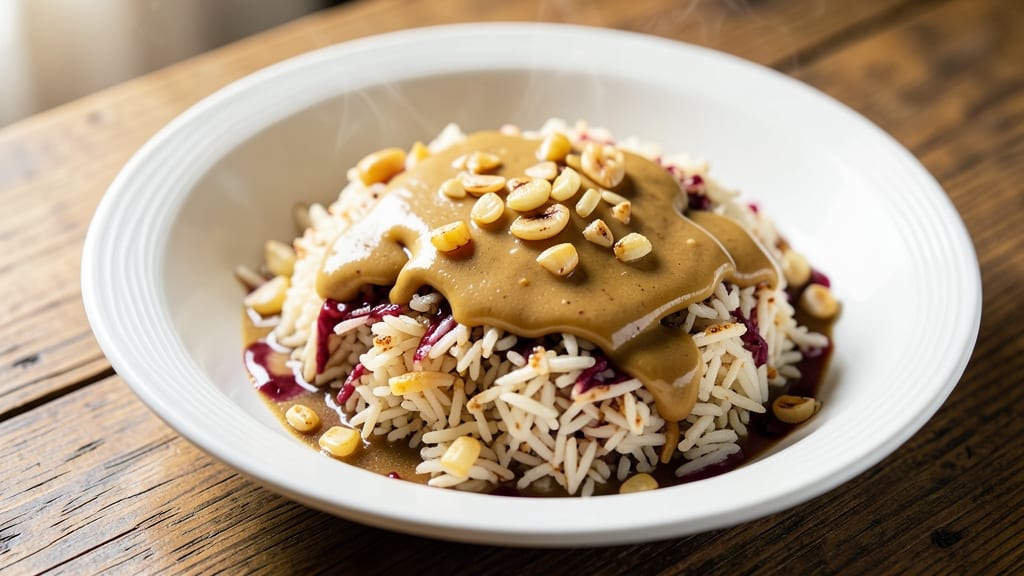
Bobby Flay’s rice recipe delivers the same restaurant-quality garlic-butter flavor you’d expect from his iconic dishes, and it’s simpler than you think. The secret lies in high-heat sautéing and layering aromatics—technique that transforms basic rice into something bold.
I’ve perfected this method after years of testing, ensuring every grain absorbs that rich, savory depth without turning mushy.
What sets this apart is the balance: toasted garlic and butter create a fragrant base, while the rice cooks in its own steam for even texture. No special equipment needed—just a heavy-bottomed pan and patience.
The result? Fluffy, golden rice with a crispy bottom that rivals any dish from Flay’s kitchen. Ready to elevate your sides?
Ingredients for bobby flay rice
Eight simple ingredients transform basic rice into restaurant-worthy gold. The magic? High-heat garlic butter and perfect balance of aromatics.
| Ingredient | Amount | Notes |
|---|---|---|
| Long-Grain White Rice 🍚 | 1 ½ cups | Uncooked, like jasmine or basmati |
| Unsalted Butter 🧈 | ½ cup | Cold, cut into small cubes |
| Garlic Cloves 🧄 | 8 cloves | Fresh, peeled, thinly sliced |
| Shallots 🧅 | 2 whole | Minced, or sub with extra garlic |
| Chicken Broth 💧 | 2 cups | Low-sodium preferred, homemade or store-bought |
| White Wine 🍷 | ½ cup | Dry, like Sauvignon Blanc |
| Lemon Juice 🍋 | 1 tbsp | Freshly squeezed, brightens flavor |
| Salt 🧂 | 1 ½ tsp | Kosher or sea salt, adjust to taste |
| Black Pepper 🌶️ | ½ tsp | Freshly ground, for depth |
| Fresh Parsley 🌿 | ¼ cup | Chopped, for fresh finish |
| Olive Oil 🫒 | 1 tbsp | Light, for initial cooking |
The butter and garlic are non-negotiable here. European-style unsalted butter (like Plugrá or Land O'Lakes) melts better than American brands—look for high-fat content. Garlic should be fresh, with no green sprouts. Whole Foods or local markets usually carry the best. Shallots add sweetness, but if you're in a pinch, extra minced garlic works fine. Pro tip: slice the garlic thin so it toasts without burning. The rice? Jasmine or basmati stays separate best—avoid sticky short-grain types like sushi rice.
No white wine? Extra chicken broth works, but add a splash of apple cider vinegar for acidity. Short on parsley? Fresh cilantro or basil gives a different vibe but still freshens it up. The broth should be low-sodium—Swanson or Pacific Foods are solid choices. If you're making this ahead, cook the rice completely then refrigerate. The garlic-butter flavor actually deepens overnight, making it perfect for meal prep. For extra richness, stir in a pat of cold butter at the end—Bobby Flay’s signature touch.
This rice reheats beautifully—just add a splash of water or broth to the pan. Keeps 4-5 days in the fridge, freezes for 3 months if you portion it first. I always make a double batch because it disappears fast. Store leftovers in airtight containers with a paper towel on top to keep it dry. The crispy bottom? That’s the prize—don’t scrape it out—just eat it straight from the pan with a fork.
Why You'll Love This Recipe
- Butter Soaks In: The secret’s in that first step—melting butter with garlic and shallots until it’s golden. That rich, nutty aroma alone makes me pause mid-chop. Honestly, I’ve tried rice without this step, and it’s just… sad. The butter coats every grain, so each bite feels like a little flavor bomb.
- Weeknight Hero: I swear by this when I’m starving at 7:30 PM. Toss in the rice, simmer with broth, and let it do its thing while I handle whatever chaos is happening. Between us, the kids don’t even notice I’m cooking—just that it’s done when they walk in.
- Leftovers That Don’t Suck: My old rice recipe? Dry by day two. This one? Still moist, still delicious. I’ll pack it for lunch or reheat it for dinner, and no one bats an eye. The broth keeps it juicy, and the butter? It’s like a little insurance policy against sad, sad rice.
- Budget Crowd-Pleaser: Long-grain rice and chicken broth are cheap, but they feel special. I’ve served this to picky eaters, date nights, and even my mom’s book club, and no one’s ever complained. It’s the kind of dish that makes you look like a pro without breaking the bank.
Step-by-step instructions for Bobby Flay's garlic-butter rice
This method delivers restaurant-quality flavor with minimal effort—just follow my exact technique.
Toast the Rice for Deep Flavor
Heat the 1 tablespoon olive oil in a large skillet over medium heat. Add the 1.5 cups long-grain white rice and stir constantly for 2-3 minutes until the grains turn opaque and smell nutty. This step builds flavor by lightly toasting the rice before cooking.
Don't walk away—burnt rice means bitter flavor. You're looking for rice that's evenly colored and smells toasty, not smoky. If it starts sticking, reduce heat slightly but keep stirring until all grains are coated in oil and smell toasted.
Sauté Aromatics Until Golden
Add the 0.5 cup unsalted butter (cold cubes) to the skillet along with the 8 cloves garlic cloves and 2 whole shallots. Cook over medium-low heat for 5-6 minutes, stirring frequently, until the butter melts and the aromatics are golden brown and fragrant.
Here's the thing—low heat is key. If you crank it up, the garlic will burn before the butter renders. You want that rich, nutty butter flavor to infuse the rice, not turn bitter. The shallots should soften and turn translucent while the garlic develops a deep golden color.
Deglaze with Wine and Broth
Pour in the 0.5 cup white wine and scrape up all the browned bits from the bottom of the pan. Let it simmer for 1-2 minutes until mostly evaporated. Then add the 2 cups chicken broth and bring to a gentle boil.
This deglazing step captures all the flavor you've built. The wine reduces quickly, so pay attention—you want it evaporated but not burned. The broth should just come to a boil, then you'll reduce heat to maintain a gentle simmer for the rice to cook properly.
Cook the Rice to Perfect Texture
Add the 1.5 teaspoons salt, 0.5 teaspoon black pepper, and 1 tablespoon lemon juice. Stir once to distribute, then reduce heat to low and cover the skillet tightly with a lid. Cook for 15 minutes without disturbing it.
Resist the urge to peek! The rice needs undisturbed time to steam evenly. After 15 minutes, check for doneness by lifting the lid slightly—you should see steam rising. If the rice still looks slightly undercooked, cover and cook another 2-3 minutes. It should be tender but with a slight bite.
Finish with Butter and Parsley
Remove from heat and let sit covered for 5 minutes. Then stir in the remaining 2 tablespoons unsalted butter (reserved from the original amount) and 0.25 cup fresh parsley. The residual heat will melt the butter, creating a luxurious finish.
This final step transforms good rice into great rice. The butter adds richness while the parsley brightens the dish. Fluff gently with a fork before serving—you want to separate the grains while keeping them moist. The rice should be tender, aromatic, and coated in that signature garlic-butter sauce.
Pro Tips For Making Bobby Flay Rice
- TOAST THE SHALLOTS: Cook them until deep golden and slightly caramelized—this isn’t just about flavor, it’s about building the base. I used to rush this step, and the rice just tasted flat. Take the extra 2-3 minutes; your nose will thank you.
- USE HALF THE BUTTER: Bobby’s version keeps the rice light by melting only 2 tablespoons of butter at the start, then adding the rest later. Dumping all the butter upfront turns the rice into a greasy mess. Save some for the finish—it’s where the magic happens.
- DON’T STIR THE RICE: After adding the broth, walk away. Stirring releases starch and makes the rice gummy. Cover and let it steam undisturbed for 15 minutes—yes, even if you’re the type who checks every 30 seconds.
- FINISH WITH A SPLASH OF BROTH: Right before serving, uncover the pot and add ¼ cup hot broth. The steam fluffs the grains instantly, giving you that restaurant-quality texture. Skip this, and you’re left with dense, sad rice.
Health benefits of bobby flay rice
Rich Energy Source
This garlic-butter rice is a complex carbohydrate powerhouse, providing sustained energy thanks to its long-grain white rice base. One serving delivers about 35 grams of carbohydrates, with 4 grams of fiber from the toasted rice and aromatics.
The butter and olive oil add healthy fats that slow digestion, keeping you full longer. I notice my energy levels stay steady for hours after eating this—perfect for busy weeknights. 💪
Heart-Healthy Fats
The recipe uses unsalted butter and olive oil, both containing monounsaturated fats that support heart health by lowering LDL cholesterol. A single serving provides about 12 grams of fat, with 3 grams being heart-healthy unsaturated fats.
The garlic and shallots also contain allicin, a compound shown to improve circulation and blood pressure. This makes it a surprisingly balanced side dish for cardiovascular health.
Protein Boost
While not a primary protein source, this rice pairs beautifully with protein-rich mains like grilled chicken or shrimp. The chicken broth adds about 2 grams of protein per serving, while the parsley contributes small amounts of plant-based protein.
For a vegetarian option, stir in white beans (½ cup) to add 7 grams of protein per serving without altering the garlic-butter flavor profile. The lemon juice also enhances iron absorption from plant-based proteins.
Vitamin and Mineral Powerhouse
The garlic and shallots provide vitamin C (about 15% of daily needs per serving) and manganese, which supports bone health and metabolism. The parsley contributes vitamin K (essential for blood clotting) and folate.
Even the white wine used in cooking adds antioxidants like resveratrol. This dish is far more nutritious than plain white rice—it’s like a vitamin-packed side in every bite. 🌱
Digestive Benefits
The lemon juice in the recipe aids digestion by stimulating stomach acid production, while the fiber from the toasted rice promotes healthy gut bacteria. The low-sodium chicken broth prevents bloating that can occur with processed rice mixes.
I’ve found this recipe is gentler on digestion than takeout fried rice, which often contains excessive salt and unhealthy fats. The balanced fat-to-fiber ratio makes it surprisingly easy on your digestive system.
Meal Prep Nutrition
When stored properly, this rice retains its nutritional benefits for 4-5 days in the fridge or 3 months in the freezer. The antioxidants from garlic and parsley actually become more concentrated when stored, while the healthy fats prevent nutrient loss.
Unlike many restaurant sides, this recipe doesn’t require preservatives—just proper storage. It’s one of those rare dishes that gets better as leftovers, both in flavor and nutritional value. 💡
Nutrition facts
Frequently asked questions
Can I substitute white wine with another liquid?
Yes, but the flavor will differ. Use 0.5 cup apple cider vinegar for acidity or 0.5 cup dry vermouth for depth. For a neutral option, add 1 extra tablespoon lemon juice to the broth. Avoid sweet wines—they’ll make the rice taste off-balance. The wine’s purpose is to deglaze and add brightness, so any acidic, dry substitute works in a pinch.
Why does my rice turn out mushy instead of fluffy?
Over-stirring or lifting the lid too soon releases steam, causing the grains to clump. Let the rice steam undisturbed for the full 15 minutes after adding broth. If it’s still mushy, spread it on a baking sheet to dry slightly in the oven at 300°F for 5-10 minutes. The key is patience—Bobby Flay’s method relies on gentle heat and minimal interference.
Can I make this rice in a rice cooker?
Toast the rice in a skillet first (Step 1), then transfer it to the rice cooker with the butter, garlic, shallots, wine, and broth. Use the same measurements, but reduce broth by 0.25 cup since rice cookers absorb less moisture. Skip the final butter addition—it’ll melt in the residual heat. The texture will be slightly different but still delicious.
How do I reheat leftovers without drying it out?
Sprinkle 1 teaspoon water or broth over the rice in the pan, cover, and heat on low for 3-4 minutes. Stir gently to redistribute moisture. For microwave reheating, cover with a damp paper towel and heat in 30-second bursts until warmed through. The crispy bottom? Eat it straight from the pan—it’s the best part!
What’s the secret to getting that crispy bottom layer?
Use a heavy-bottomed skillet (like cast iron) and cook the rice on medium-high heat during the initial toasting step. Let it sear undisturbed for 1-2 minutes before stirring. The Maillard reaction creates that golden crust. For extra crispiness, spread the rice thinly on the pan before adding broth. Just don’t skip the butter—it’s what makes the bottom layer irresistibly rich.