
Main Courses
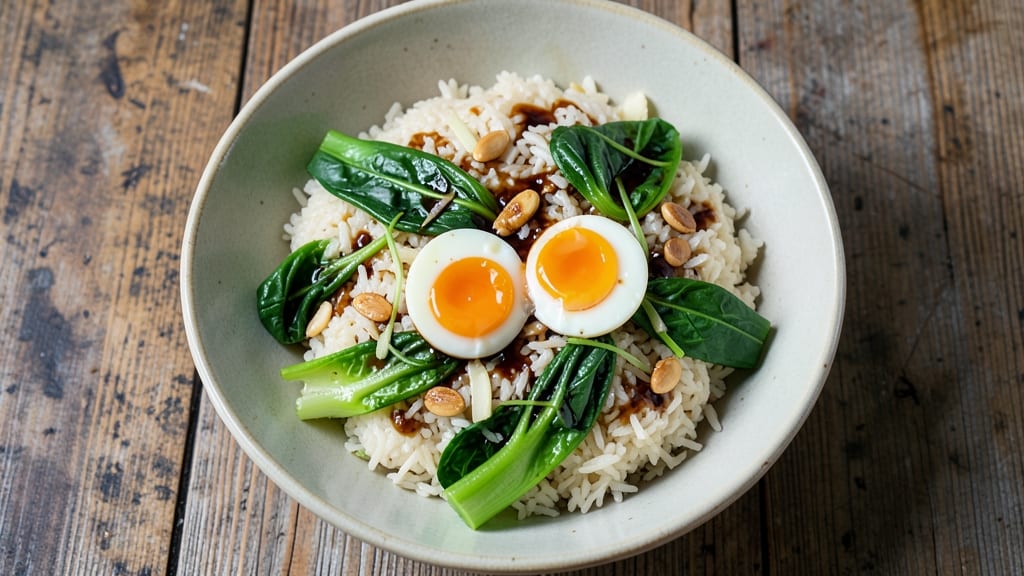
This bok choy fried rice recipe transforms humble pantry staples into a vibrant, vegetarian powerhouse with crisp-tender greens and fluffy eggs—all in just 20 minutes. The secret lies in high-heat wok tossing, where bok choy wilts perfectly while absorbing savory garlic and ginger notes.
I developed this after realizing how often bok choy gets overlooked in stir-fries, and it’s now my go-to for quick, nutrient-packed dinners that taste restaurant-worthy.
What sets this apart is the balance of textures: crispy edges on the rice, silky bok choy, and soft-scrambled eggs that bind everything together. The dish stays light yet satisfying, thanks to a light soy-ginger sauce that enhances rather than overpowers.
Whether you’re feeding a family or meal prepping, this recipe delivers bold flavors without the fuss—no takeout required.
Ingredients for bok choy fried rice
Pantry staples meet vibrant wok flavors—crisp rice, silky bok choy, and fluffy eggs in 20 minutes.
| Ingredient | Amount | Notes |
|---|---|---|
| Day-Old Cooked White Rice 🍚 | 4 cups | Cold, day-old preferred for texture |
| Baby Bok Choy 🥬 | 1 lb | Whole heads, stems trimmed |
| Large Eggs 🥚 | 4 whole | Fresh, room temperature |
| Garlic Cloves 🧄 | 4 cloves | Minced, aromatic variety |
| Fresh Ginger 🌿 | 1 ½ tbsp | Grated, peeled, young ginger |
| Light Soy Sauce 🍶 | 2 tbsp | Kikkoman preferred |
| Sesame Oil 🫒 | 1 tbsp | Toasted, for aroma |
| Vegetable Oil 🫒 | 3 tbsp | High smoke point |
| Green Onions 🧅 | 3 whole | Thinly sliced, white and green |
| Sesame Seeds 🌰 | 1 tbsp | Toasted, for garnish |
| Diamond Crystal Kosher Salt 🧂 | ½ tsp | For seasoning |
| Black Pepper 🌶️ | ¼ tsp | Freshly cracked |
| Sriracha 🔥 | 1 tsp | Optional, for heat |
Bok choy is the star here, so grab the freshest baby heads—they’re sweeter and more tender than larger ones. Whole Foods or Trader Joe's usually carry perfect baby bok choy, but the regular produce section works too. Look for vibrant green leaves and crisp stems—no wilted or yellowing. For the rice, day-old is non-negotiable; it absorbs flavors better and gets those coveted crispy edges. If you’re prepping ahead, cook a big batch of rice and refrigerate it overnight. The eggs? Room temperature scrambles more evenly, so take them out 10 minutes before cooking. Fresh ginger and garlic are worth the extra minute to grate and mince—pre-minced jarred ginger works in a pinch, but fresh has way more zing.
No sesame oil? Toasted peanut oil adds a similar nutty depth, though it’s heavier. Short on soy sauce? Coconut aminos or tamari work, but the umami won’t be quite the same. The green onions can be swapped for scallions or chives, but they’re the perfect fresh finish here. For extra protein, stir in crumbled tofu or chopped mushrooms at the end. The sriracha is optional, but if you’re adding it, start with half the amount—you can always add more. And if you’re using pre-minced garlic, toast it in the oil for 30 seconds first to deepen the flavor. Trust me on that.
This dish reheats like a dream—just toss with a splash of water or soy sauce to revive the crispiness. Keeps for 4 days in the fridge, though it’s best eaten within 2 days for peak texture. For meal prep, portion into containers with a sprinkle of sesame seeds on top—they stay fresh and look restaurant-worthy. Freezes for 3 months, but the bok choy gets softer after thawing, so it’s better for reheating leftovers than prepping ahead. If you make extra, double the sesame oil and drizzle it over the top before serving—game-changer.
Why You'll Love This Recipe
- I swear by this trick: just halve the baby bok choy and toss the whole heads in—no knife skills required. The stems get tender while the leaves stay crisp, and honestly? It’s the only fried rice I make when I’m too tired to slice anything.
- No-Chop Needed: I swear by this trick: just halve the baby bok choy and toss the whole heads in—no knife skills required. The stems get tender while the leaves stay crisp, and honestly? It’s the only fried rice I make when I’m too tired to slice anything.
- Garlic-Ginger Punch: That first sizzle when the minced garlic and fresh ginger hit the wok? Pure flavor payoff. The ginger adds a bright, almost citrusy lift that cuts through the richness of the eggs, while the garlic—oh man—turns this into something restaurant-worthy without trying.
- Lunchbox Hero: Between us, this is my go-to for packed lunches. The day-old rice stays light, the bok choy holds up perfectly, and it reheats like a dream. I double the batch on Sundays, portion it out, and my kids actually finish what’s in their containers.
Step-by-step instructions for bok choy fried rice
This wok-tossed dish comes together faster than you can say "sesame oil." Here's how to nail it every time.
Prep Ingredients for Perfect Texture
Start by trimming the stems from the baby bok choy and cutting each head into ¼-inch thick slices. I like to separate the leaves from the stems completely—the leaves cook faster and stay tender while the stems hold their bite. Place them in a bowl and set aside.
Next, mince the 4 cloves garlic cloves and grate the 1.5 tablespoons fresh ginger using a fine grater. Thinly slice the 3 whole green onions, separating the white and green parts. Toast the 1 tablespoon sesame seeds in a dry skillet over medium heat for 2 minutes until fragrant and golden—this adds depth of flavor that you won't get from store-bought seeds.
Scramble Eggs Separately for Silky Texture
Crack the 4 whole large eggs into a bowl and whisk vigorously until the yolks and whites are fully combined. Heat 1 tablespoon vegetable oil in a wok or large skillet over medium heat until shimmering. Pour in the eggs and let them sit undisturbed for 5 seconds before gently pushing them around with a spatula.
Cook until the eggs are just set but still slightly runny in the center—this ensures they'll be creamy when mixed with the rice. Remove them from the wok and set aside. The residual heat will keep them warm while you finish the rest.
Stir-Fry Aromatics and Bok Choy
Increase the heat to high and add the remaining 2 tablespoons vegetable oil to the wok. Add the minced garlic and ginger, stirring constantly for 30 seconds until fragrant—this prevents them from burning. Toss in the bok choy leaves and stems separately, cooking each for 1-2 minutes until just wilted but still vibrant green.
Remove the bok choy from the wok and set aside with the eggs. The key here is to avoid overcooking—the bok choy should stay crisp-tender, not mushy. If your wok is crowded, work in batches to ensure even cooking.
Combine Everything with Day-Old Rice
Return the wok to high heat and add the 4 cups day-old cooked white rice, breaking up any clumps with your spatula. Stir-fry for 2 minutes until the rice is heated through and slightly crispy at the edges. This is where the magic happens—the rice needs to develop a slight texture from the wok's heat.
Add the 2 tablespoons light soy sauce, 1 tablespoon sesame oil, 0.5 teaspoon diamond crystal kosher salt, and 0.25 teaspoon black pepper. Toss everything together, then return the eggs and bok choy to the wok. Mix gently to combine, being careful not to over-stir the eggs.
Finish with Sriracha and Garnish
Drizzle in the 1 teaspoon sriracha and toss one final time to distribute evenly. Taste and adjust seasoning—you might need a little more soy sauce or salt depending on your preference. The rice should be flavorful but not salty, with a subtle kick from the sriracha.
Divide the fried rice among plates, garnishing each serving with the sliced green onions and toasted sesame seeds. Serve immediately while everything is hot and the rice has that perfect wok-hei—smoky aroma that makes this dish unforgettable. The eggs should be creamy, the bok choy bright, and the rice just crisp enough at the edges to give each bite texture.
Pro Tips For Making Bok Choy Fried Rice
- STIR-FRY IN TWO BATCHES: I learned this the hard way—trying to cook everything at once turns your fried rice into a soggy mess. Split the rice into two portions: stir-fry half with the eggs and aromatics first, then add the bok choy in the second batch. This keeps the texture crisp and the greens vibrant instead of wilted.
- CHOP GINGER THIN: Skip the thick slices—you want paper-thin shavings of ginger for this dish. A microplane or sharp knife makes quick work of it, and the finer the pieces, the faster they infuse flavor without overpowering. (Yes, even if you’re impatient like me.)
- SALT THE RICE BEFORE FRYING: Day-old rice needs a little help rehydrating and sticking together. Toss it with ½ teaspoon of salt before adding it to the wok—this guarantees each grain gets coated in the sauce and doesn’t turn out dry. (Your future self will thank you.)
- USE COLD EGGS FOR BETTER CURD: Crack the eggs into a bowl first, then scramble them in the hot wok—this creates a tighter, creamier texture instead of a fluffy mess. If you’re in a rush, chill the beaten eggs in the fridge for 10 minutes before cooking for an even cleaner break.
Serving suggestions for leftovers
Garnish Like a Pro
Top your fried rice with toasted sesame seeds and thinly sliced green onions for that restaurant-quality finish. I like to use 1 tablespoon toasted sesame seeds (toasted in a dry pan for 2 minutes over medium heat) and 3 green onions sliced into ¼-inch pieces.
The contrast of crunchy sesame against the creamy eggs and tender bok choy elevates every bite. 🌟
Pair with Light Sides
Serve your bok choy fried rice with a quick cucumber salad—toss 1 cup sliced cucumbers with 1 tablespoon rice vinegar, ½ teaspoon sugar, and a pinch of salt.
The cool, crisp salad balances the dish’s richness. For extra protein, add steamed edamame or grilled shrimp on the side. Both keep the meal light yet satisfying.
Wine and Beer Pairings
A crisp dry Riesling complements the dish’s umami and fresh bok choy notes beautifully. For beer lovers, a light lager like Asahi Super Dry or Sapporo keeps the palate clean.
Avoid heavy reds—they’ll overpower the delicate flavors. If you prefer something fizzy, a sparkling yuzu soda adds a refreshing twist. 🍷
Meal Prep Serving Ideas
Portion fried rice into airtight containers with a sprinkle of sesame seeds on top to keep it fresh. Reheat with a splash of water or soy sauce to restore crispiness.
For lunchboxes, pack it in bento-style containers with pickled ginger or kimchi on the side. The flavors stay vibrant for 2-3 days in the fridge.
Dinner Party Presentation
For a special touch, serve fried rice in a large cast-iron skillet or slate board to show off the colors. Add edible flowers (like nasturtiums) or microgreens for a pop of color.
Pair with steamed dumplings or spring rolls for a full Asian-inspired spread. The aroma alone will impress your guests! ✨
Nutrition facts
Frequently asked questions
Can I use regular bok choy instead of baby bok choy?
Yes, but you’ll need to adjust the prep! Regular bok choy has tougher stems, so trim them more aggressively and slice them thinner (¼-inch or less). The leaves can stay whole if they’re small, but larger leaves should be chopped into 1-inch strips to cook evenly. Baby bok choy’s tenderness is its secret weapon—regular bok choy will still work but requires extra attention to texture.
What’s the best way to reheat bok choy fried rice?
Use the wok or skillet method for crispy edges: Heat 1 teaspoon oil over medium-high heat, add the rice, and toss for 2-3 minutes until warmed through. For microwave reheating, sprinkle 1 teaspoon water over the rice, cover with a damp paper towel, and microwave for 90 seconds. The key is moisture—this prevents dryness and revives the wok-hei aroma!
Can I make this vegetarian without eggs?
Swap the eggs for extra-firm tofu (press and cube ½ cup) or mushrooms (sauté 1 cup sliced shiitake with the aromatics). For a similar texture, pan-fry tofu until golden and crumbly, or use tempeh for a nutty depth. The dish will still hold together—just add 1 extra tablespoon soy sauce to compensate for the missing egg binding.
Why does my fried rice turn out mushy?
Two likely culprits: freshly cooked rice (steam makes it gummy) or low heat (causes sogginess). Use day-old rice and crank the heat to high when stir-frying. Also, avoid overcrowding the wok—cook in batches if needed. Pro tip: Pat the rice dry with a paper towel before adding it to the wok to remove excess moisture.
How can I add more protein without overpowering the dish?
Try shrimp (sauté ½ cup peeled shrimp with the bok choy) or chicken breast (dice ½ cup cooked chicken and add at the end). For plant-based options, stir in ½ cup edamame or crumbled tofu after the rice is cooked. Keep portions small—½ cup max per serving—to maintain the dish’s light, vegetable-forward balance.