
Main Courses
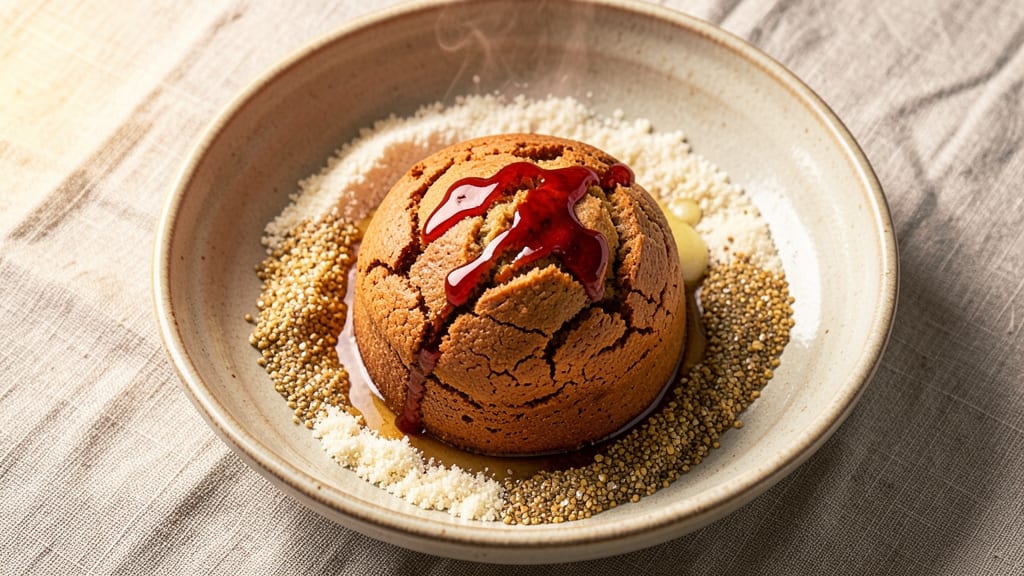
This brown rice flour bread maker recipe delivers a surprisingly light, airy loaf with nutty depth—perfect for gluten-free diets or allergy-friendly baking. The secret lies in proper hydration and a gentle kneading process that develops gluten substitutes naturally, creating a texture that rivals traditional wheat bread.
With just a few simple ingredients and your bread maker's settings, you'll achieve a nutritious, allergy-friendly loaf that's ideal for sandwiches, toast, or French toast. The brown rice flour adds subtle sweetness and a satisfying chew, while optional seeds or sweeteners can customize the flavor to your taste.
Ingredients for brown rice flour bread maker
Gluten-free essentials plus a few pantry staples for a bread maker loaf that surprises everyone.
| Ingredient | Amount | Notes |
|---|---|---|
| Brown Rice Flour 🌾 | 2 ½ cups | Gluten-free, finely milled preferred |
| Tapioca Starch 🍠 | ½ cup | For elasticity and chew |
| Psyllium Husk Powder 🌿 | 1 ½ tbsp | Essential for gluten-free structure |
| Granulated Sugar 🍚 | ¼ cup | Or coconut sugar for depth |
| Active Dry Yeast 🍞 | 2 ¼ tsp | Fresh yeast preferred |
| Warm Water 💧 | 1 ¼ cups | 110°F for optimal yeast activation |
| Olive Oil 🫒 | ¼ cup | Extra-virgin for richness |
| Salt 🧂 | 1 ½ tsp | Diamond Crystal preferred |
| Flaxseed Meal 🌱 | 1 tbsp | For omega-3 boost |
| Apple Cider Vinegar 🍎 | 1 tbsp | Enhances rise and flavor |
| Sunflower Seeds 🌻 | ¼ cup | Optional for crunch |
| Sesame Seeds 🌿 | 1 tbsp | Optional for topping |
Brown rice flour is the star here—Bob's Red Mill or Anthony's Goods are my go-tos for consistent texture. The psyllium husk powder is non-negotiable; it mimics gluten's binding properties perfectly. If you can't find it at your regular grocery store, health food sections or online retailers have it. For the flaxseed meal, ground flaxseeds from the bulk bin work best—pre-ground bags can get rancid fast. Pro tip: always check your flour's freshness date; rice flour loses potency over time, especially when exposed to light or moisture.
No tapioca starch? Arrowroot powder works in a pinch, though the texture will be slightly denser. Short on yeast? Instant yeast at half the amount gets you close. The apple cider vinegar adds that tangy depth—white vinegar in a bind, but it won't have the same complexity. For the seeds, toasted sunflower seeds add extra crunch, but raw work too. If you're avoiding seeds, skip them entirely—the bread will still be delicious. The olive oil matters here; avoid refined oils that lack flavor. Extra-virgin is worth the splurge for this recipe.
Store your brown rice flour in an airtight container in a cool, dark place—it keeps for up to 6 months this way. The psyllium husk powder should be refrigerated once opened, lasting about 3 months. For the dough, use it within 24 hours of mixing for best texture. The baked loaf? Wrap in a clean kitchen towel and store at room temperature for 3 days, or freeze slices for up to 3 months. Toasting frozen slices from scratch gives you that fresh-baked flavor without the wait.
Why You'll Love This Recipe
- No-Knead Magic: I swear by this recipe—just toss the ingredients into the bread maker, walk away, and let the psyllium husk powder do its thing. The dough comes together without the mess of gluten flours, and honestly? That’s a game-changer for busy mornings.
- Nutty, Slightly Sweet Crust: Brown rice flour gives this bread a warm, toasty depth, while the tapioca starch adds that perfect chewy bite. Between us, it’s the kind of bread that makes toast taste like a treat—no fancy toppings needed.
- Gluten-Free Crowd-Pleaser: I’ve made this for picky eaters, gluten-sensitive friends, and even my kid who “hates healthy food.” The yeast and sugar combo makes it rise like a classic loaf, so no one misses the wheat. (Yes, even on a Tuesday night.)
- Budget Loaf, Lasts Forever: Brown rice flour is cheap, and this recipe stretches to feed a family for days. I freeze half the batch and toast slices straight from the freezer—crispy outside, soft inside, zero waste. My wallet and my lunchbox thank me.
Step-by-step instructions for brown rice flour bread maker recipe
Here's how to create a light, airy gluten-free loaf with nutty depth using your bread maker.
Mix the Wet Ingredients
In a large mixing bowl, combine the 1.25 cups warm water (110°F for optimal yeast activation) with the 2.25 teaspoons active dry yeast. Let this sit for 5-10 minutes until the yeast begins to foam—this confirms it's active. Stir in the 1 tablespoon apple cider vinegar and 1 tablespoon flaxseed meal, then whisk until fully dissolved.
Next, add the 0.25 cup olive oil and 0.25 cup granulated sugar, mixing until the oil is fully emulsified. The mixture should look slightly shimmery from the oil. Here's the thing—this step is crucial for developing the bread's texture. If the oil separates later, just give it a quick stir before adding the dry ingredients.
Combine the Dry Ingredients
In a separate bowl, whisk together the 2.5 cups brown rice flour, 0.5 cup tapioca starch, 1.5 teaspoons salt, and 1.5 tablespoons psyllium husk powder. The psyllium husk powder is non-negotiable—it's what gives gluten-free bread that chewy structure. Sift this mixture into the wet ingredients, then stir with a wooden spoon until just combined.
You'll notice the dough will be quite thick and sticky at this stage. That's normal! Don't be tempted to add more water—this recipe is designed to work with the exact amounts provided. The dough should pull away from the sides of the bowl but still hold together when pressed gently.
Prepare the Bread Maker
Add the dough to your bread maker pan, making sure it's centered and not touching the sides. Sprinkle the 0.25 cup sunflower seeds evenly over the top for texture. If you're using the 1 tablespoon sesame seeds, sprinkle them on top as well. These seeds will add a delightful crunch to each slice.
Set your bread maker to the "Basic White Bread" setting with a light crust option. The machine will automatically go through the kneading process. If your bread maker has a window, you'll see the dough rise dramatically—this is when the psyllium husk and yeast work their magic to create that airy texture.
Bake to Golden Perfection
Let the bread maker complete its cycle, which should take about 3-4 hours. The bread is done when it's fully baked and the internal temperature reaches 190°F. When you remove the bread from the pan, it should have a golden-brown crust with a slight crack on top.
Here's where it gets tricky: immediately transfer the bread to a wire rack to cool completely. I know it's tempting to slice into that warm loaf right away, but resisting will give you much better results. The bread needs at least 1 hour to cool before slicing—this prevents a gummy texture and allows the crumb to set properly.
Store and Enjoy
Once completely cooled, wrap the bread in a clean kitchen towel or place it in an airtight container. This gluten-free bread is best enjoyed within 3-4 days, though it can be frozen for up to 3 months for longer storage. When you're ready to serve, slice with a sharp serrated knife for clean cuts that reveal that beautiful nutty crumb.
Each slice should have a delicate crumb with pockets of air from the psyllium husk, and a satisfying chewiness that's characteristic of good gluten-free bread. The nutty flavor from the brown rice flour shines through, making this loaf perfect for toast, sandwiches, or simply enjoyed with butter and jam. The seeds add a pleasant textural contrast that elevates every bite.
Pro Tips For Making Brown Rice Flour Bread Maker
- Mix the Psyllium First: Brown rice flour bread needs psyllium husk powder to hold together, but it’s easy to forget it’s not just a sprinkle. Whisk it into the warm water first—let it sit for 5 minutes until it turns into a thick, gel-like paste before adding anything else. This step guarantees structure, not a crumbly mess.
- Use Lukewarm Water for Yeast: Active dry yeast in brown rice flour bread? It’s picky. If your water’s too hot, it kills the yeast; too cold, and it won’t activate. Test it by dipping your finger in—it should feel like a warm bath, around 105°F (40°C). No thermometer? Let tap water sit for 10 minutes after boiling, then cool to room temp.
- Don’t Over-Knead in the Maker: Brown rice flour dough is fragile. Most bread makers handle it better with a shorter knead cycle—2-3 minutes max. Overdo it, and you’ll end up with a dense, tough loaf. If your machine has a "quick knead" setting, use it. Less handling = better texture.
- Add Tapioca Starch Last: Tapioca starch is the cheat code for softness, but it’s also the ingredient that makes dough gummy if mixed too early. Toss it in with the dry ingredients right before the yeast goes in. This keeps the dough from getting sticky prematurely and ensures it distributes evenly for that perfect crumb.
Perfect pairings for these flavors
Butter & Jam Classics
This nutty brown rice flour bread pairs beautifully with classic spreads like cultured butter and berry jam. I recommend Plugrá European-style butter for its rich, creamy texture that complements the bread's subtle sweetness.
For jam, Strawberry Preserves by Bonne Maman or Raspberry Jam by Bonne Maman add a perfect fruity contrast to the nutty depth. 🍓
Savory Spreads
For a savory twist, try hummus with a lemon-dill twist or avocado mash with red pepper flakes. I make my hummus with chickpeas from Trader Joe's, extra-virgin olive oil, and fresh dill for brightness.
The bread's slight chewiness handles the creaminess beautifully. For a protein boost, add smoked salmon or turkey slices to create a satisfying open-faced sandwich.
Sweet Toppings
Drizzle warm bread with honey or maple syrup for an instant breakfast or snack. I love local raw honey from farmers' markets for its floral notes that pair perfectly with the bread's nutty undertones.
For a decadent treat, spread with almond butter and sprinkle with dark chocolate chips or crushed hazelnuts. The texture contrast is pure magic.
Herbal Tea Pairings
Complement your bread with chamomile tea or peppermint tea for a soothing pairing. The earthy notes of Earl Grey tea also work beautifully, especially if you add a slice of lemon.
For something warmer, ginger tea with a dash of honey enhances the bread's subtle sweetness. I always keep a pot of Bigelow Chamomile on hand for this purpose.
Breakfast Pairings
Transform this bread into a hearty breakfast by topping with scrambled eggs and sautéed spinach. The bread's sturdy structure holds up perfectly to runny yolks.
For a vegan option, use tofu scramble with turmeric and nutritional yeast. Add avocado slices and a sprinkle of sea salt for a restaurant-quality breakfast sandwich.
Coffee & Beverage Pairings
A medium-roast coffee with notes of caramel and nuts enhances the bread's natural flavors. I recommend Peet's Major Dickason's Blend for its balanced profile. For a non-coffee option, try matcha latte with oat milk—the earthy matcha complements the bread's nutty depth beautifully.
A cold green tea with a hint of honey also works wonderfully.
Nutrition facts
Frequently asked questions
Why does this recipe use psyllium husk powder?
The psyllium husk powder is essential for gluten-free bread—it mimics gluten's binding properties to create that satisfying chew and airy texture. Without it, your loaf would be dense and crumbly. The 1.5 tablespoons in this recipe is the magic ingredient that makes this bread maker loaf rise properly and hold its shape.
Can I make this bread without a bread maker?
Yes, but the texture will differ. For best results, use a stand mixer with a dough hook to knead the dough for 5-7 minutes until it pulls away from the bowl. Shape into a loaf, place in a greased pan, and bake at 350°F for 40-45 minutes. The bread maker's gentle kneading creates that signature airy crumb, but you'll still get a delicious result!
How do I know when the bread is fully baked?
Your bread is done when it reaches an internal temperature of 190°F and has a golden-brown crust with a slight crack on top. Tap the bottom—it should sound hollow. The bread maker's timer is just an estimate; always check for doneness by these visual and auditory cues before removing it.
What if my dough is too sticky?
Don't add more water! This recipe is designed with precise hydration for optimal texture. If the dough is extremely sticky, wet your hands slightly and shape it gently in the bread maker pan. The psyllium husk will firm up as it bakes. For future batches, ensure your brown rice flour is fresh—older flour absorbs more moisture.
Can I substitute brown rice flour for white rice flour?
You can try, but the flavor and texture will differ. Brown rice flour has more fiber and nutrients, giving that nutty depth. White rice flour will make a lighter, less flavorful loaf. For a compromise, use a 50/50 blend, but expect slightly less chew. The psyllium husk will still work, but the overall character changes significantly.