
Desserts
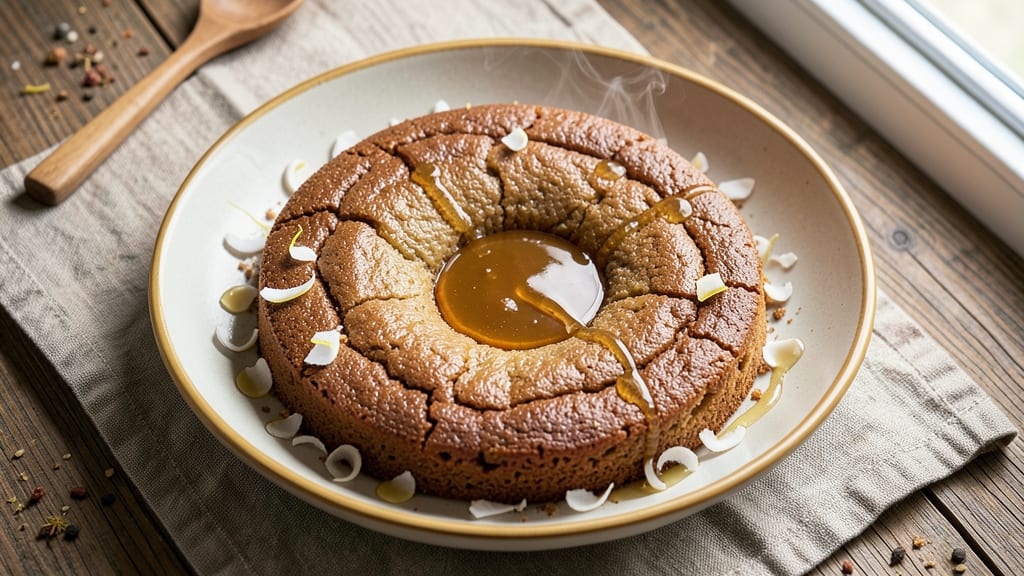
This brown rice flour cake recipe delivers surprisingly rich, moist layers with a subtle nutty depth that rivals traditional wheat-based desserts. The secret lies in balancing aquafaba (chickpea brine) for structure and coconut oil for tenderness—no eggs or butter needed.
What sets it apart is how the rice flour absorbs liquid without drying out, creating a crumb that's both delicate and satisfyingly dense.
The result is a cake with a tender yet sturdy crumb, lightly golden edges, and a flavor profile that's naturally sweetened without refined sugar. Perfect for those avoiding gluten, nuts, or dairy, this recipe proves plant-based baking can be both nutritious and indulgent.
The texture remains moist for days, making it ideal for celebrations or a guilt-free treat. Let's get started with the foolproof method.
Ingredients for brown rice flour cake
Gluten-free baking starts with these carefully balanced plant-based ingredients for rich, moist layers.
| Ingredient | Amount | Notes |
|---|---|---|
| Brown Rice Flour 🌾 | 2 cups | Fine grind for smooth texture |
| Aquafaba 🥜 | 1 cup | Fresh chickpea brine, unsweetened |
| Coconut Oil 🥥 | ¾ cup | Refined, melted for even mixing |
| Maple Syrup 🍁 | ¾ cup | Grade B for robust flavor |
| Vanilla Extract 🌿 | 2 tsp | Pure alcohol-free preferred |
| Apple Cider Vinegar 🍎 | 1 tbsp | For subtle tang balance |
| Baking Soda 🧪 | 1 tsp | Pure, fine-grained |
| Salt 🧂 | ½ tsp | Diamond Crystal kosher |
| Warm Water 💧 | ¾ cup | 110°F for optimal activation |
| Raisins 🍇 | 1 cup | Chopped, for natural sweetness |
| Ground Flaxseed 🌱 | 2 tbsp | For binding, mixed with water |
| Pineapple Juice 🍍 | ¼ cup | Fresh, for moisture retention |
The brown rice flour is non-negotiable—Bob's Red Mill brand yields the finest texture. Aquafaba must be fresh from canned chickpeas, not bottled; the natural starches create structure without eggs. Refined coconut oil prevents bitterness while adding tenderness. For maple syrup, Grade B delivers deeper caramel notes. The vanilla extract should be pure—alcohol-free options like Torani work beautifully. Warm water activates the baking soda gently; 110°F is ideal for even distribution.
No aquafaba? Flax eggs (3 tbsp ground flaxseed + 9 tbsp water = 3 eggs) work as a binding substitute, though texture will differ slightly. Substitute maple syrup with agave nectar (1:1 ratio), but flavor won't match. Raisins can be omitted for a lighter crumb, or swapped with chopped dates (soaked in warm water). Pineapple juice may be replaced with orange juice (equal parts), though acidity varies. For nut-free versions, ensure raisins are processed in dedicated facilities—Trader Joe's offers reliable certified options.
Store baked cake in an airtight container with parchment paper between layers to maintain moisture for up to 5 days at room temperature. For longer storage, freeze individual slices wrapped in plastic—3 months without texture loss. Reheat slices in a 200°F oven for 5 minutes to restore freshness. The cake's natural density prevents drying, making it perfect for make-ahead celebrations.
Why You'll Love This Recipe
- No-Fuss Mixing: I swear by the aquafaba trick—just whisk, fold, and bake. No eggs, no fuss, and zero guilt over the mess. That rich brown rice flour gives it a tender crumb without the dryness of other gluten-free flours, and honestly? The coconut oil makes it buttery without dairy.
- Maple-Vanilla Magic: That caramel depth from maple syrup isn’t just sweet—it’s complex, like a whisper of butterscotch. Add vanilla, and suddenly it’s got this cozy, bakery-worthy warmth that tastes like autumn in a box. (Yes, even on a Tuesday night.)
- Packable & Portable: Slice it cold for breakfast, pack it in lunches, or toss it in a bag for a picnic. It holds up better than most cakes—no soggy layers here. My kids grab these for school snacks, and my husband sneaks them at his desk. (Between us, we’ve eaten half a batch in one day.)
- Budget Bakery Trick: Brown rice flour and aquafaba are my secret weapons for fancy desserts without the price tag. Maple syrup and coconut oil stretch further than I expected, and leftovers? They last forever if you store them right. Not the prettiest, but the taste makes up for it—and your wallet thanks you.
Step-by-step instructions for brown rice flour cake
This gluten-free cake delivers rich, moist layers with nutty depth and perfect texture every time.
Prepare the Flaxseed Egg Replacement
Combine the 2 tablespoons ground flaxseed with the 0.25 cup pineapple juice in a small bowl. Stir vigorously for 1 minute until fully thickened and gel-like. This mixture replaces eggs by creating a binding agent through the natural gelling properties of flax. The pineapple juice adds moisture while preventing dryness in the final cake. Let it sit for 5 minutes to thicken completely before using.
I like to check the consistency by tilting the bowl—if it holds its shape without running, it's ready. If it's too thin, add another ½ teaspoon ground flaxseed. This step is crucial for the cake's structure, especially since we're working with gluten-free flour that lacks natural elasticity.
Mix Wet Ingredients for Optimal Texture
In a large mixing bowl, whisk together the 1 cup aquafaba, 0.75 cup coconut oil, and 0.75 cup maple syrup until smooth and fully combined. The aquafaba, which is chickpea brine, acts as an egg substitute while adding lightness. Add the 2 teaspoons vanilla extract and 1 tablespoon apple cider vinegar, mixing well to incorporate. The vinegar helps tenderize the cake and balances the sweetness of the maple syrup.
Next, stir in the 0.75 cup warm water (around 110°F) and the flaxseed mixture you prepared earlier. The warm water activates the baking soda, ensuring proper rise. Let this mixture sit for 2 minutes to allow the baking soda to fully react—you'll see small bubbles form on the surface, indicating it's ready for the dry ingredients.
Combine Dry Ingredients for Even Distribution
In a separate bowl, sift together the 2 cups brown rice flour, 1 teaspoon baking soda, and 0.5 teaspoon salt. Sifting prevents lumps and ensures even distribution of the leavening agent. Gently fold this dry mixture into the wet ingredients using a spatula, mixing just until combined. Overmixing develops gluten in the flour, which can make the cake dense. Stop mixing when you see a few dry spots remaining.
Fold in the 1 cup chopped raisins by hand, ensuring they're evenly distributed throughout the batter. The raisins add natural sweetness and moisture, but don't worry if they're not perfectly dispersed—they'll soften during baking. The batter will be thick but pourable, similar to a dense cake batter. This texture is ideal for creating a moist, tender crumb.
Bake to Golden Perfection
Preheat your oven to 350°F and grease an 8-inch round cake pan or line it with parchment paper. Pour the batter into the prepared pan and smooth the top with a spatula. Bake for 35-40 minutes, or until a toothpick inserted into the center comes out clean. The cake should be golden brown on top with slightly pulled edges.
I recommend checking for doneness at the 30-minute mark—ovens vary, and brown rice flour can absorb moisture differently than wheat flour. If the top browns too quickly, tent the cake with foil to prevent overbrowning while it finishes cooking inside. The cake will continue to set as it cools, so don't overbake it.
Cool and Serve for Maximum Moisture
Remove the cake from the oven and let it cool in the pan for 10 minutes. Then transfer it to a wire rack to cool completely. This gradual cooling prevents cracking and allows the flavors to meld. The cake will be moist but firm enough to slice after 1 hour. For best texture, serve at room temperature.
This cake holds its moisture exceptionally well, thanks to the aquafaba and coconut oil. If storing, keep it in an airtight container for up to 3 days at room temperature or freeze for up to 3 months. The nutty depth from the brown rice flour pairs beautifully with a dusting of powdered sugar or a drizzle of warmed maple syrup for serving.
Pro Tips For Making Brown Rice Flour Cake
- WHISK AQUAFABA FIRST: I learned this the hard way—skipping the whisking step leaves your cake dense and gummy. Beat the aquafaba (from ½ cup cooked chickpeas) with a hand mixer until stiff peaks form, like meringue. This is the glue holding your cake together, so don’t rush it.
- MELT COCONUT OIL COOL: Pour the coconut oil into the batter while still liquid, but let it sit for 5 minutes after melting to cool slightly. Hot oil can cook the flour prematurely, turning your batter into a thick paste instead of a smooth cake mix. Trust me, your texture will thank you.
- WEIGH THE FLOUR: Brown rice flour is notoriously inconsistent by volume—scooping leads to dry, crumbly cakes. Use a kitchen scale for precision (1 cup = ~100g). If you’re eyeballing, pack it lightly but firmly—don’t compress it like cake flour.
- BAKE LOW AND SLOW: This isn’t a cake that tolerates high heat. Bake at 325°F (160°C) for 30–35 minutes, not until golden but until the edges pull away from the pan. Overbaking dries it out fast—check at 25 minutes and tent with foil if the top browns too soon.
Common mistakes when making this dish
Overmixing the Batter
Gluten-free flours like brown rice lack the natural elasticity of wheat, so overmixing develops unwanted gluten strands, resulting in a dense, rubbery cake. I always stop mixing when just a few dry spots remain—this ensures a tender crumb.
Use a spatula instead of a whisk to fold in dry ingredients gently. The batter should look thick but still pourable, not smooth like traditional cake batter. 💫
Skipping the Flaxseed Rest
The flaxseed "egg" mixture needs 5 minutes to fully thicken before combining with wet ingredients. Rushing this step means poor binding, leading to a crumbly cake. I test readiness by tilting the bowl—if the gel holds its shape, it's ready.
For extra insurance, add ½ tsp more ground flaxseed if the mixture looks too thin. This small step makes all the difference in texture.
Incorrect Aquafaba Freshness
Using bottled aquafaba instead of fresh chickpea brine loses the natural starches needed for proper structure. Always save the liquid from canned chickpeas (drained well) and use it within 3-4 days for best results.
The fresh version creates lighter layers, while bottled versions can make the cake gummy. I keep a jar in the fridge specifically for baking—it's a game-changer for texture.
Ignoring the Warm Water Temp
The 110°F warm water activates baking soda gently, but cold water can prevent proper rise. Use a thermometer to check—water that's too hot can cook the baking soda prematurely.
I microwave water for 30 seconds to reach the perfect temp without boiling. This small detail ensures your cake rises evenly rather than collapsing in the center.
Overbaking for Dryness
Brown rice flour cakes continue setting after removal from the oven, so pulling them too early creates a gummy center. I check doneness at 30 minutes with a toothpick—it should come out with moist crumbs, not wet batter.
If the top browns too quickly, tent with foil. The cake's moisture comes from aquafaba and coconut oil, so resist the urge to bake longer for dryness.
Using Refined vs. Virgin Coconut Oil
Virgin coconut oil has a distinct coconut flavor that can overpower the cake's subtle nutty notes. Always use refined coconut oil for neutral taste and smooth texture. The refined version melts seamlessly into the batter without leaving any coconut aftertaste. I keep a jar on hand specifically for baking—it's worth the small investment for consistent results. 🥥
Nutrition facts
Frequently asked questions
Can I make this cake without aquafaba?
Yes! For a 1:1 substitute, use 3 flax eggs (3 tbsp ground flaxseed + 9 tbsp water), but texture will be slightly denser. Alternatively, 1/4 cup unsweetened applesauce adds moisture but may reduce rise. The aquafaba provides both structure and lightness, so expect a more compact crumb without it.
Why does my brown rice flour cake taste bitter?
Bitterness usually comes from overbaking or using virgin coconut oil instead of refined. Always bake until a toothpick comes out with moist crumbs (not wet batter), and stick to refined coconut oil. For extra insurance, add 1/4 tsp lemon zest to balance flavors. The nutty depth is natural—bitterness means it needs more time in the oven or a flavor adjustment.
How do I make this cake nut-free?
This recipe is already nut-free, but verify your brown rice flour and raisins are processed in dedicated facilities. For extra caution, use certified nut-free brands like Bob's Red Mill for flour and Trader Joe's for raisins. Always check labels—cross-contamination can occur during processing.
Can I substitute maple syrup with something else?
Yes! Use agave nectar (1:1 ratio) for a milder sweetness, or date syrup for deeper caramel notes. Avoid honey (not vegan) or corn syrup (lacks depth). For a lighter flavor, try coconut sugar dissolved in warm water. Each substitution will slightly alter the cake's moisture balance—adjust by adding 1 tbsp extra pineapple juice if needed.
How do I store leftovers to keep them moist?
Wrap individual slices in plastic wrap or store the whole cake in an airtight container with parchment paper between layers. At room temperature, it stays fresh for 3 days. For longer storage, freeze slices wrapped tightly—they'll last 3 months without drying out. Reheat slices at 200°F for 5 minutes to restore freshness. The aquafaba and coconut oil preserve moisture exceptionally well!