
Main Courses
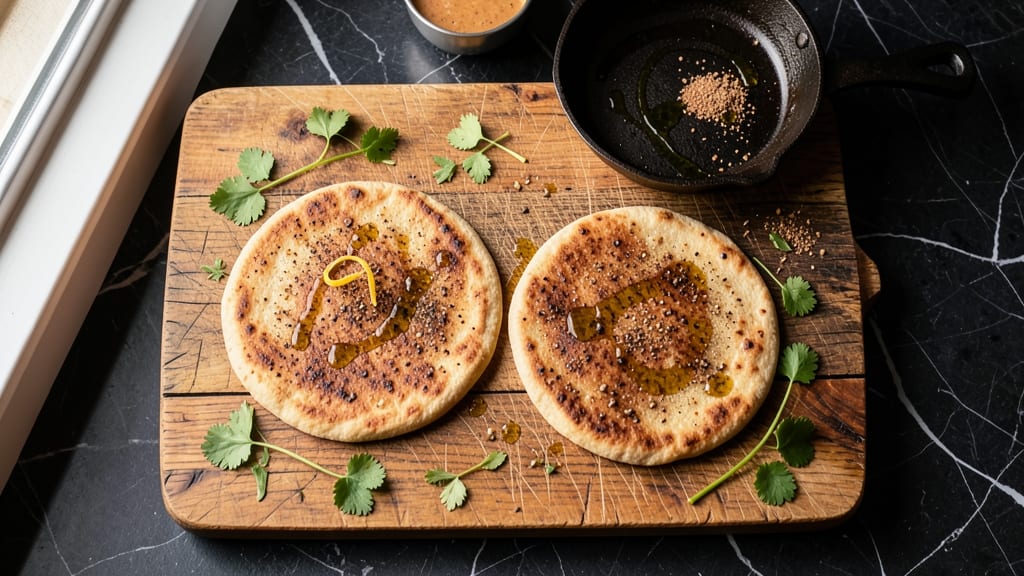
This brown rice flour flatbread recipe delivers the perfect balance of crispy edges and soft centers—ideal for a gluten-free, nutrient-packed meal. The secret lies in blending brown rice flour with a touch of tapioca starch for flexibility, creating a flatbread that’s both sturdy and tender.
I developed this recipe to prove that gluten-free baking can be just as satisfying as traditional flatbreads, with a crisp texture that holds up to dipping or stuffing.
The beauty of this recipe is its versatility—use it as a wrap for salads, a base for curries, or simply enjoy it with hummus and veggies. The brown rice flour adds a subtle nutty flavor and boosts protein, making it a healthier alternative without sacrificing texture.
With just a few simple ingredients and 15 minutes of prep, you’ll have crispy, golden flatbreads ready for any meal.
Ingredients for brown rice flour flatbread
Brown rice flour and tapioca starch blend for gluten-free flatbread with restaurant-quality crispy edges and soft centers.
| Ingredient | Amount | Notes |
|---|---|---|
| Brown Rice Flour 🌾 | 1 ½ cups | Gluten-free, finely milled preferred |
| Tapioca Starch 🍠 | ¼ cup | For flexibility and crispiness |
| Extra-Virgin Olive Oil 🫒 | ½ cup | High quality for flavor |
| Warm Water 💧 | ¾ cup | Room temperature preferred |
| Salt 🧂 | 1 tsp | Fine sea salt preferred |
| Ground Cumin 🌿 | ½ tsp | Toasted for deeper flavor |
| Garlic Powder 🧄 | ½ tsp | Freshly ground preferred |
| Vegan Butter 🧈 | 2 tbsp | Melted for brushing |
| Fresh Rosemary 🌿 | ¼ cup | Chopped, for garnish |
| Hummus 🥙 | ½ cup | For serving suggestion |
| Fresh Vegetables 🥕 | 2 cups | Sliced for filling option |
The brown rice flour is the star here, but Bob's Red Mill or Anthony's Goods are your best bets for consistent texture. The tapioca starch is non-negotiable—it's what creates that perfect crisp. If you can't find it, arrowroot powder works in a pinch, though the texture will be slightly less crisp. For the olive oil, California Olive Ranch or Colavita brands deliver that fruity depth that translates beautifully into the flatbread. Toast your cumin seeds in a dry pan for 30 seconds before grinding—that extra step makes all the difference in flavor complexity.
No tapioca starch? Cornstarch at the same amount is a decent swap, though the texture will be slightly denser. Fresh rosemary is ideal, but dried at one-third the amount works if you're in a hurry. The vegan butter matters—Miyoko's or Earth Balance brands melt beautifully without that dairy aftertaste. For the water, room temperature is key. Cold water makes the dough tough, while hot water can over-develop the gluten-like proteins in the starch. If you're short on time, lukewarm tap water works fine, just let it sit for 5 minutes before mixing.
These flatbreads freeze beautifully—wrap individually in parchment and store for up to 3 months. Reheat in a 350°F oven for 5-7 minutes until crispy again. For best freshness, store in an airtight container at room temperature for up to 2 days. The rosemary garnish wilts fast, so add it right before serving. These reheat better than most flatbreads—honestly, they taste better the second day once the flavors meld.
Why You'll Love This Recipe
- No-Fuss Dough: I swear, this flatbread comes together with just five ingredients and a splash of water. No yeast, no waiting, no rolling pins—just mix, shape, and cook. The tapioca starch gives it that perfect chewy stretch without any fuss.
- Nutty Earthy Crunch: The brown rice flour adds a subtle, toasty depth that’s way more interesting than plain white flour. Warm the flatbreads just long enough for those edges to crisp up—golden, slightly caramelized, with a hint of olive oil richness that makes every bite satisfying.
- Lunchbox Hero: Between us, these flatbreads are my secret weapon for packed lunches. They hold up better than store-bought wraps, stay fresh for days in the fridge, and I’ve stuffed them with everything from hummus and roasted veggies to leftover curry. (My kids still ask for them even when I forget to pack one.)
- Pantry Staple Magic: Honestly, the ingredients cost less than half of what you’d pay for naan at a restaurant. And if you make a big batch? They freeze like a dream—just reheat in a dry pan for that same crispy texture. Zero waste, maximum flavor, and my wallet thanks me every time.
Step-by-step instructions for brown rice flour flatbread
Master this gluten-free technique for perfectly balanced flatbread with crisp edges and tender centers.
Combine Dry Ingredients for Optimal Texture
In a large mixing bowl, whisk together the 1.5 cups brown rice flour and 0.25 cup tapioca starch. This combination creates the signature crispness while maintaining flexibility. Add the 1 tsp salt, 0.5 tsp ground cumin, and 0.5 tsp garlic powder, whisking until the spices are evenly distributed throughout the dry mixture.
The tapioca starch acts as a binder and crisping agent, while the cumin and garlic powder provide aromatic depth. I like to use a fine-mesh sieve for the spices to prevent clumping. This dry blend forms the foundation for our gluten-free structure, so thorough mixing at this stage ensures even texture throughout each flatbread.
Incorporate Wet Ingredients for Perfect Dough Consistency
Create a well in the center of your dry mixture and pour in the 0.5 cup extra-virgin olive oil and 0.75 cup warm water. Using a wooden spoon or silicone spatula, gradually incorporate the liquids while mixing until a shaggy dough forms. The dough should be soft but not sticky—if it's too dry, add 1 teaspoon water at a time until it comes together.
This dough should be pliable enough to handle but not so wet that it sticks to your fingers. The olive oil provides moisture and richness, while the warm water helps activate the starches for better binding. I press the dough together firmly for about 2 minutes until it forms a cohesive mass that doesn't crumble when pinched.
Divide and Rest for Improved Workability
Divide the dough into 4 equal portions (about 3 ounces each) and gently shape each into a smooth ball. Place them on a clean surface and cover with a damp towel. Let them rest for 15 minutes—this relaxation period prevents cracking when you roll them out later.
During this resting time, the gluten-free proteins relax slightly, making them easier to handle. I find that covering the dough prevents it from drying out, which is crucial for maintaining the delicate balance between crisp and tender textures. The resting also allows the flavors to meld slightly, enhancing the final result.
Roll and Cook for Perfect Crisp-Tender Flatbread
Heat a dry skillet over medium-high heat until it's very hot—you should see a slight shimmer when you hold your hand about 2 inches above it. Working with one ball at a time, roll it between your palms to flatten slightly, then use a rolling pin to press it into a ¼-inch thick circle about 6 inches in diameter.
Place the rolled flatbread in the hot skillet and cook for 1-2 minutes per side until golden brown spots appear and the edges begin to crisp. I press down gently on the flatbread during the first 30 seconds to help it maintain its shape. The key is to listen for a slight sizzle—this indicates the oil is properly rendering for that crisp texture we want.
Finish with Flavor and Serve Immediately
Transfer the cooked flatbread to a wire rack and brush the top generously with the 2 tbsp melted vegan butter. Immediately sprinkle with 0.25 cup chopped fresh rosemary and serve warm with 0.5 cup hummus and 2 cups sliced fresh vegetables on the side.
The melted butter adds richness and helps maintain moisture in the flatbread, while the rosemary provides a fragrant finish. For best results, serve immediately while the flatbread is at its peak crispness. These flatbreads are perfect for wrapping around your favorite fillings or using as a base for dips and spreads—each bite should deliver that satisfying contrast of crisp edges and soft, pillowy centers.
Pro Tips For Making Brown Rice Flour Flatbread
- Mix Until It’s Tacky: Brown rice flour loves to hide dry spots—even after adding water. Use your hands to knead the dough until it’s smooth and just sticky to the touch (like wet sandpaper). This ensures even cooking and prevents cracks when rolling.
- Sift the Flour First: Tapioca starch clumps like a stubborn toddler. Sift both flours together before mixing to avoid lumps, then whisk in the olive oil and salt. I learned this the hard way—lumpy dough means gummy flatbread.
- Rest the Dough 15 Minutes: Skip this, and your flatbread will fight you. After mixing, let the dough sit covered while you heat the pan. The starch relaxes, making rolling easier and the final texture lighter—like the difference between a stiff sheet and a pliable wrap.
- Use a Heavy Pan: Cast iron or stainless steel conducts heat better than nonstick. A light pan will make your flatbread steam instead of sear, leaving it soggy. Heat it until a drop of water dances on top—no, don’t test with your finger.
Perfect pairings for this recipe
Dip Pairings
These flatbreads shine with hummus—especially roasted red pepper hummus or garlic tahini—where the creamy texture contrasts beautifully with the crisp edges. I like Sabra Classic Hummus for its balanced flavor, but Wholly Guacamole's Roasted Garlic adds a rich depth.
For something lighter, try white bean and lemon dip with a sprinkle of fennel pollen for a floral finish. 🥙
Protein Toppings
Add grilled chicken or spiced chickpeas for a hearty bite. I marinate boneless chicken thighs in lemon, garlic, and smoked paprika for 30 minutes before grilling, then slice thinly.
For plant-based options, crispy tofu with turmeric and black salt (for an eggy flavor) works perfectly. Warm the flatbread slightly before adding toppings to maintain that crisp texture. 🍗
Vegetable Combinations
Load up with roasted eggplant and charred red onions for a Mediterranean twist. I toss 1 cup cubed eggplant in olive oil, salt, and dried oregano, then roast at 400°F for 20 minutes until caramelized.
Add shredded kale with lemon zest for a peppery bite. For a fresh crunch, thinly sliced cucumbers and radishes with a drizzle of pomegranate molasses elevate the dish. 🥕
Cheese Options
If you're not strictly vegan, feta cheese crumbles beautifully over the flatbread, especially when paired with sun-dried tomatoes and kalamata olives. For a vegan alternative, cashew ricotta (blended 1 cup soaked cashews, 2 tbsp lemon juice, and 1 tbsp nutritional yeast) adds creaminess.
Sprinkle with toasted pine nuts for a nutty crunch. 🧀
Sweet Pairings
Finish with date and walnut stuffing for a dessert twist. I blend ½ cup pitted dates, ¼ cup walnuts, and 1 tsp cinnamon, then roll the flatbread around the mixture.
Warm for 1 minute in a skillet to soften the filling slightly. Serve with vanilla coconut yogurt and a drizzle of honey for a balanced sweet-savory combo. 🍯
Nutrition facts
Frequently asked questions
Why does this recipe use both brown rice flour and tapioca starch?
The brown rice flour provides the nutty flavor and gluten-free structure, while the tapioca starch creates that signature crispy edge and flexibility. Without it, the flatbread would be too crumbly. The combination mimics traditional flatbread textures without gluten.
Can I make these flatbreads without a rolling pin?
Use a clean glass bottle or your hands to press the dough into shape. For extra crispiness, gently flatten between two sheets of parchment paper with a heavy pan. The key is ¼-inch thickness—any thicker and the center stays doughy.
How do I prevent the flatbreads from cracking when cooking?
Ensure your dough rests for the full 15 minutes before rolling, and work with one piece at a time. Keep the skillet at medium-high heat and avoid moving the flatbread until you see golden spots. If cracks appear, gently press them down with a spatula.
Can I bake these instead of pan-frying?
Yes! Preheat your oven to 425°F and bake for 8-10 minutes on a parchment-lined tray. Brush with melted vegan butter and sprinkle with rosemary after baking. Baked versions are slightly less crisp but still delicious—great for meal prep.
What's the best way to store leftovers?
Cool completely, then wrap individually in parchment paper. Store in an airtight container for up to 2 days at room temperature or freeze for 3 months. Reheat in a 350°F oven for 5 minutes to restore crispiness. Pro tip: Reheat in a dry skillet for 30 seconds for extra crunch!