
Main Courses
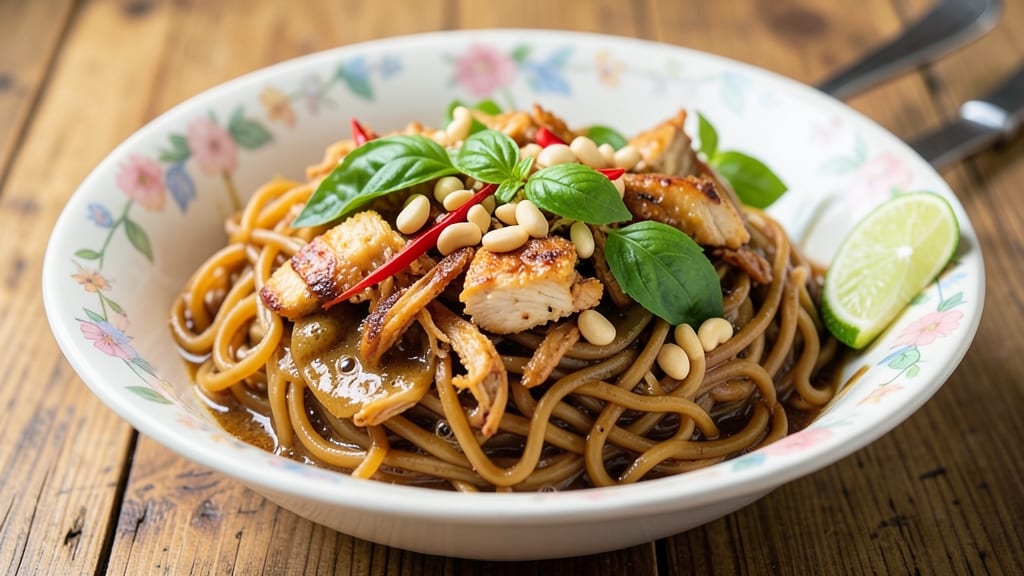
This brown rice pad thai noodles recipe transforms a classic into something nutty, earthy, and packed with texture—perfect for health-conscious eaters who refuse to compromise on flavor.
The key lies in using brown rice noodles that absorb the tangy tamarind sauce while maintaining their satisfying chew, all balanced with crispy toppings that add crunch without overpowering.
What sets this dish apart is the nutty depth from the brown rice base, which pairs beautifully with traditional pad thai elements like lime, chili, and fresh herbs. The sauce is rich yet light, with a perfect balance of sweet, sour, and umami that coats every strand of noodle.
Whether you're serving this as a vegetarian main or a vibrant side, the texture contrast—soft noodles, crispy toppings, and creamy peanut sauce—makes every bite irresistible.
Ingredients for brown rice pad thai noodles
Nutty, earthy, and packed with vibrant textures—these ingredients bring classic pad thai to health-conscious life.
| Ingredient | Amount | Notes |
|---|---|---|
| Brown Rice Pad Thai Noodles 🍜 | 8 oz | Dried, uncooked, 3-inch width |
| Natural Peanut Butter 🥜 | ½ cup | Creamy, unsweetened preferred |
| Lime Juice 🍋 | ⅓ cup | Freshly squeezed, about 3 limes |
| Tamarind Paste 🍈 | ¼ cup | Thick, unsweetened variety |
| Coconut Aminos 🥫 | ¼ cup | Substitute for soy sauce |
| Maple Syrup 🍁 | 2 tbsp | Pure, grade B preferred |
| Garlic Cloves 🧄 | 4 cloves | Minced for sauce base |
| Red Chili Flakes 🌶️ | 1 tbsp | Adjust for heat preference |
| Fresh Cilantro 🌿 | ¼ cup | Chopped, stems removed |
| Red Bell Pepper 🧅 | 1 whole | Thinly sliced, seeds removed |
| Carrot 🥕 | 1 whole | Julienned or matchstick cut |
| Crushed Peanuts 🥜 | ½ cup | Toasted for extra crunch |
| Sesame Seeds 🌾 | 1 tbsp | Toasted lightly in dry pan |
| Vegetable Oil 🫒 | 2 tbsp | High smoke point preferred |
| Sea Salt 🧂 | 1 tsp | Diamond Crystal preferred |
The brown rice noodles are the foundation. Look for 3-inch wide noodles at Asian markets—they hold up better to the sauce than thin varieties. Thai Kitchen or Three Ladies brands are reliable for quality. Soak them in warm water for 15-20 minutes before cooking to soften slightly, but don't overdo it or they'll turn mushy. Fresh tamarind paste is ideal, but the block variety from Trader Joe's works perfectly—just dissolve it in warm water first. The peanut butter should be natural, unsweetened—any added sugar will throw off the balance.
No tamarind? Lemon juice plus 1 tbsp brown sugar mimics the tangy-sweet combo. Running short on coconut aminos? Low-sodium tamari or vegetarian soy sauce works in a pinch, but reduce the maple syrup slightly since those are saltier. For extra crunch, toast your crushed peanuts in a dry pan for 2-3 minutes until golden—worth the extra minute. The red bell pepper and carrot should be cut uniformly for even cooking; a mandoline makes this easier if you're prepping ahead. Fresh cilantro is non-negotiable here—dried just won't cut it for that bright finish.
Store the cooked noodles in an airtight container with a paper towel pressed on top to prevent sogginess—keeps for 3-4 days in the fridge. The sauce components (peanut butter, coconut aminos, etc.) can be pre-mixed and stored separately for 1 week. For extra crunch, portion the crushed peanuts and sesame seeds in small containers—sprinkle fresh each time you serve. This dish reheats beautifully, though the toppings may lose some crispness. To revive, broil for 1-2 minutes with a sprinkle of water.
Why You'll Love This Recipe
- No-Fuss Assembly: I swear by this recipe because it’s that simple—just boil the brown rice noodles, toss them with the tamarind paste and coconut aminos, then stir in the peanut butter and lime at the end. No chopping, no balancing sauces, just done.
- Tamarind-Peanut Magic: That tamarind paste and peanut butter combo? It’s the secret weapon here—sweet, tangy, and nutty all at once, with the brown rice noodles adding a satisfying chew. Honestly, the first time I tasted it, I wondered why I’d never made this before.
- Meal Prep MVP: Between us, this keeps perfectly for 3 days in the fridge—just reheat with a splash of water and lime. I make a big batch on Sundays because it’s my go-to for lunch meetings or when I’m too tired to cook.
- Budget-Friendly Powerhouse: Natural peanut butter and coconut aminos stretch this dish further than takeout ever could. Plus, brown rice noodles are cheaper than white, so you’re getting a way better deal for the same flavor punch. (Yes, even on a Tuesday night.)
Step-by-step instructions for brown rice pad thai noodles
Transform simple ingredients into a nutty, earthy Pad Thai with this precise method.
Prepare the Sauce Base
In a medium saucepan, combine the 0.5 cup natural peanut butter, 0.25 cup tamarind paste, 0.25 cup coconut aminos, and 2 tbsp maple syrup. Place over medium heat and stir continuously for 3-4 minutes until the peanut butter melts completely and the mixture becomes smooth. You'll notice the sauce thicken slightly as it warms.
Next, add the 4 cloves minced garlic cloves and 1 tbsp red chili flakes, stirring for 30 seconds until fragrant. Immediately remove from heat to prevent the garlic from burning. This step builds the flavor foundation—don't rush it, as the garlic needs just enough time to release its aroma without turning bitter.
Cook the Vegetables
While the sauce simmers, heat 2 tbsp vegetable oil in a large skillet over medium-high heat. Add the 1 whole red bell pepper (thinly sliced) and 1 whole carrot (julienned) and cook for 4-5 minutes until the vegetables soften slightly but retain their vibrant color. You want them to stay crisp-tender, not mushy.
Season with 1 tsp sea salt and stir occasionally. Once the vegetables are nearly tender, remove them from the skillet and set aside. This quick cooking preserves their texture while developing their natural sweetness. The residual heat will finish cooking them when combined with the noodles later.
Cook the Noodles
Bring a large pot of water to a rolling boil. Add the 8 oz brown rice pad thai noodles and cook according to package instructions—typically 8-10 minutes—until al dente. The noodles should be tender but still hold some bite. Drain and rinse briefly under cold water to stop the cooking process and remove excess starch.
This rinsing step is crucial for preventing the noodles from becoming gummy when mixed with the sauce. Drain well in a colander, then return them to the pot. Immediately pour the prepared peanut sauce over the noodles and toss gently to coat evenly. The heat from the noodles will help the sauce cling perfectly.
Assemble and Garnish
In a large serving bowl, combine the coated noodles with the cooked vegetables. Add the 0.33 cup lime juice and toss everything together until well mixed. The acidity from the lime juice will brighten the flavors and balance the richness of the peanut sauce.
Top with 0.5 cup crushed peanuts and 1 tbsp toasted sesame seeds, then garnish with 0.25 cup chopped fresh cilantro. Serve immediately while the noodles are still warm and the sauce is fluid. The contrast between the nutty sauce, crisp vegetables, and fresh herbs creates a harmonious balance in every bite.
Pro Tips For Making Brown Rice Pad Thai Noodles
- Boil Noodles Separately: Brown rice noodles are trickier than white—they turn mushy fast. Cook them in a separate pot with 1-2 inches of water, no oil, and pull them exactly when the package says (they won’t soften further). Drain immediately and rinse with cold water to stop cooking, or they’ll turn into glue.
- Thin the Peanut Sauce: Natural peanut butter is thick—mix it with 2-3 tablespoons of hot water first, then add coconut aminos and tamarind paste. Skipping this step means clumpy, uneven sauce that fights for flavor with the noodles. Stir it smooth before combining.
- Balance the Tamarind: Tamarind paste is intense—start with 1 teaspoon, taste, then adjust. If it’s too sour, a pinch of sugar (or more peanut butter) cuts the bite. I learned this the hard way after making my first batch taste like a pickle. Trust your tongue, not the recipe.
- Toast the Peanuts Last: Add crushed peanuts after the noodles hit the plate—freshly toasted ones (2 minutes in a dry pan) add crunch, but they burn fast in the wok. Toss them in while the dish is still hot, or they’ll just sit there like sad, soggy confetti.
Health benefits of this brown rice pad thai noodles
Fiber-Rich Foundation
Brown rice noodles provide a nutrient-dense alternative to traditional white rice noodles, delivering 5 grams of fiber per serving compared to just 1 gram in white rice versions. This fiber supports healthy digestion and helps stabilize blood sugar levels, making this dish ideal for balanced meals.
The nutty flavor also adds satisfying depth without heavy calories. 🥜
Plant-Based Protein Boost
The combination of peanut butter and crushed peanuts in this recipe delivers 15 grams of plant-based protein per serving, making it a complete meal for vegetarians. Peanuts also contain arginine, an amino acid that supports heart health by improving blood vessel function.
The sauce's protein content keeps you full longer than traditional pad thai versions.
Antioxidant Powerhouse
Red bell peppers and carrots contribute vitamin C and beta-carotene, powerful antioxidants that strengthen your immune system and promote skin health. The tamarind paste adds polyphenols, which have been linked to reduced inflammation.
Together, these ingredients create a vibrant dish that's as good for you as it is delicious. 🌶️
Healthy Fats for Energy
The natural peanut butter provides monounsaturated fats, which support brain function and reduce harmful LDL cholesterol. Unlike processed peanut butter, the unsweetened variety used here contains no added sugars or hydrogenated oils. These healthy fats give you sustained energy without the crash of refined carbohydrates.
Low-Glycemic Balance
This recipe's brown rice base has a lower glycemic index than white rice, preventing blood sugar spikes. The tamarind and lime juice add natural acidity that further slows carbohydrate absorption. This makes the dish perfect for anyone managing blood sugar levels while still enjoying a flavorful, satisfying meal.
Digestive Benefits
The sesame seeds in this recipe are packed with magnesium, which aids muscle and nerve function, while the cilantro contains d-limonene, a compound that may help reduce bloating. Together, these ingredients create a dish that's gentle on digestion while still being packed with flavor.
The fiber from brown rice also promotes regularity, making this a truly wholesome meal. 🌿
Nutrition facts
Frequently asked questions
Why do brown rice noodles work better than white rice noodles in this recipe?
The brown rice noodles add a nutty, earthy flavor that complements the peanut sauce beautifully while providing extra fiber and nutrients. They also hold up better to the sauce without turning mushy, giving you that perfect al dente texture. Plus, they're a healthier alternative with more protein and vitamins!
Can I substitute tamarind paste if I don't have any?
Yes! Mix 0.33 cup lime juice with 1 tbsp brown sugar to mimic tamarind's tangy-sweet flavor. For extra depth, add 1 tsp fish sauce (if not vegetarian) or 1 tsp soy sauce to balance the acidity. The sauce will be slightly different but still delicious.
How do I get the perfect crispy texture for the toppings?
Toast your crushed peanuts in a dry skillet over medium heat for 2-3 minutes until golden brown, stirring constantly. For sesame seeds, lightly toast them in the same pan for 1 minute. Add them fresh to the dish—they lose crispness quickly when stored. Pro tip: Keep them in separate containers to maintain crunch!
Is this recipe gluten-free?
Most brown rice noodles are naturally gluten-free, but always check the package label to confirm. The sauce ingredients (peanut butter, coconut aminos, tamarind) are also gluten-free, making this dish safe for those avoiding gluten. Just ensure your tamarind paste and coconut aminos are certified gluten-free if needed.
Can I make this ahead of time?
Cook the noodles and sauce separately, then store them in airtight containers in the fridge for 3-4 days. Keep the toppings (peanuts, sesame seeds, cilantro) separate until serving. Reheat gently and add fresh toppings to maintain texture. For extra crunch, toast peanuts fresh before serving.