
Main Courses
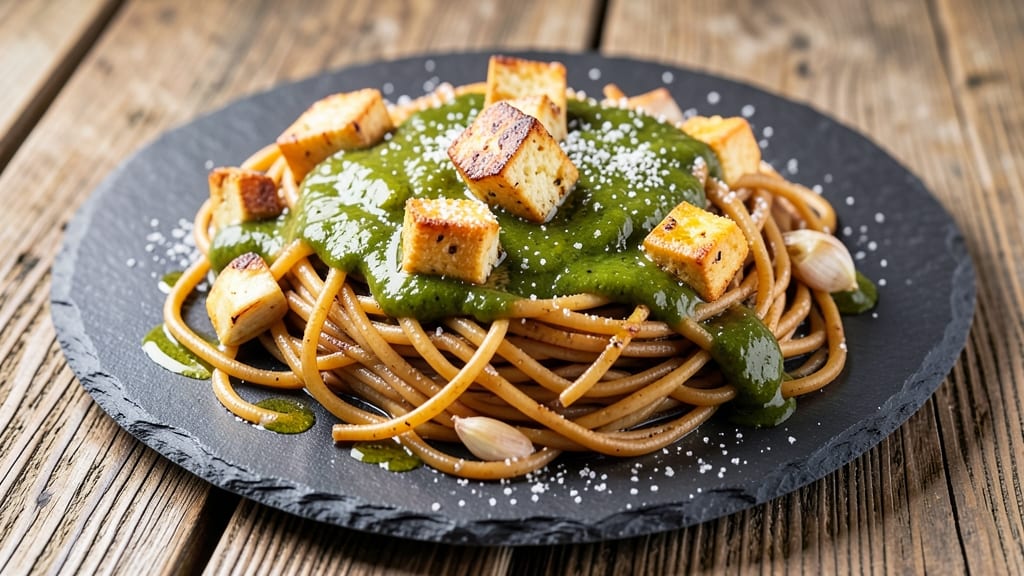
This brown rice spaghetti recipe transforms whole grains into chewy, nutty noodles that rival traditional pasta—without sacrificing texture or flavor. The key lies in blending cooked brown rice into silky strands, yielding strands that hold sauce beautifully while delivering fiber-rich nutrition.
Perfect for health-conscious cooks who crave restaurant-quality satisfaction, this dish proves whole grains can star in your favorite meals.
Ready in just 30 minutes, this recipe delivers a satisfying vegetarian main course with minimal effort. Pair the al dente brown rice strands with classic marinara, creamy Alfredo, or a vibrant pesto for a meal that feels indulgent yet nourishing.
The nutty depth of brown rice shines through, creating a dish that’s both comforting and nutrient-packed—ideal for weeknight dinners or meal prep.
Ingredients for brown rice spaghetti
Transform whole grains into restaurant-quality noodles with these nutrient-rich, flavor-packed ingredients.
| Ingredient | Amount | Notes |
|---|---|---|
| Long-Grain Brown Rice 🌾 | 1 ½ cups | Uncooked, medium grain preferred |
| Extra-Firm Tofu 🧀 | 12 oz | Pressed, drained, cubed |
| Nutritional Yeast 🍄 | ¼ cup | For cheesy umami flavor |
| Garlic Cloves 🧄 | 4 cloves | Minced for depth |
| Extra-Virgin Olive Oil 🫒 | ⅓ cup | High quality, fruity |
| Low-Sodium Vegetable Broth 💧 | 1 ½ cups | Homemade or quality store-bought |
| Lemon Juice 🍋 | 2 tbsp | Freshly squeezed |
| Salt 🧂 | 1 tsp | Diamond Crystal preferred |
| Black Pepper 🌶️ | ½ tsp | Freshly ground |
| Almond Flour 🥜 | ¼ cup | For binding texture |
| Fresh Basil Leaves 🌿 | ¼ cup | Chopped, for garnish |
| Marinara Sauce 🍅 | 2 cups | Homemade or quality jarred |
| Parmesan Cheese 🧀 | ¼ cup | Freshly grated from block |
The brown rice is the foundation—medium-grain varieties like Jasmine or Calrose yield the best texture, though any whole-grain brown rice works. For the tofu, press it for 20 minutes before cubing to remove excess moisture, ensuring silky strands. Whole Foods or bulk bins carry high-quality nutritional yeast that adds that essential cheesy depth without dairy. Fresh garlic and basil should be vibrant and aromatic—local markets often have the brightest produce. The olive oil matters here: look for cold-pressed, extra-virgin with a fruity aroma, not the bland supermarket variety.
No nutritional yeast? Substitute with 1 tablespoon of white miso paste—it adds umami but requires adjusting the salt. Short on almond flour? Oat flour works at a 1:1 ratio, though the texture will be slightly denser. The marinara can be homemade (San Marzano tomatoes are ideal) or a quality jarred brand like Rao's. For extra richness, blend in 1 tablespoon of tahini with the sauce. The vegetable broth should be low-sodium—Pacific Foods or homemade versions are best. Skip the pre-minced garlic; fresh minced garlic releases more flavor during cooking.
Store cooked spaghetti strands in an airtight container with a thin layer of olive oil on top to prevent drying. Keeps in the fridge for 4-5 days or frozen for 3 months. For meal prep, cook the strands ahead and reheat in sauce to maintain texture. The tofu cubes can be prepped in advance and stored separately. Fresh basil wilts quickly—store it in a damp paper towel in the fridge for up to 5 days. This dish reheats beautifully—simmer gently with a splash of water or broth to restore moisture.
Why You'll Love This Recipe
- No-Fuss Pasta Night: I swear, this takes less effort than boiling regular spaghetti—just pulse the brown rice in a food processor, simmer it with water and olive oil, and boom, you’ve got al dente strands. The tofu gets pressed and pan-fried while the rice cooks, so you’re not juggling a million pots.
- Umami Bomb: That nutritional yeast? It’s the secret weapon here—savory, cheesy, ridiculously addictive without any dairy. Toss it with the garlic and olive oil after cooking, and suddenly your plate tastes like you slaved over it for hours (but you didn’t).
- Lunchbox Hero: Between us, this keeps perfectly for 4 days in the fridge—ideal for meal prep. Pack it cold for work or reheat with a splash of water to loosen it up. My kids actually ask for leftovers, and that’s saying something.
- Budget Stretch: Brown rice is cheap, tofu’s a protein powerhouse, and you’re using pantry staples. A single batch feeds four for under $5, and the flavor punches way above its price. Honestly, it’s my go-to when grocery money’s tight—but no one guesses it’s “healthy.”
Step-by-step instructions for brown rice spaghetti with nutty depth
This method transforms simple brown rice into al dente strands with perfect texture and rich flavor.
Prepare the Brown Rice for Perfect Texture
Rinse the 1.5 cups long-grain brown rice thoroughly under cold water until the water runs clear. This removes excess starch that can make the strands gummy. Transfer the rice to a medium saucepan and add 1.5 cups low-sodium vegetable broth, ensuring the liquid just covers the rice. Bring to a boil over medium-high heat while stirring once to prevent sticking.
Once boiling, immediately reduce heat to low and cover tightly with a lid. Let the rice simmer undisturbed for 40 minutes. The key here is patience—brown rice needs longer cooking to achieve that satisfying al dente bite. After 40 minutes, check for doneness by pressing a grain between your fingers. It should be tender but still hold its shape with a slight resistance.
If the rice isn't quite there, add 2-3 tablespoons more broth and continue cooking for another 5-10 minutes. The goal is to achieve that perfect balance between firmness and tenderness that mimics traditional pasta. Once done, drain any remaining liquid and spread the rice on a baking sheet to cool slightly before processing.
Process the Rice into Spaghetti Strands
Transfer the cooked brown rice to a food processor fitted with the S-blade attachment. Pulse in 2 tablespoon lemon juice first to brighten the flavor and prevent browning. Then add 0.25 cup nutritional yeast and 0.5 teaspoon black pepper, pulsing until the mixture becomes finely ground but still retains some texture.
With the food processor running, slowly drizzle in 0.33 cup extra-virgin olive oil through the feed tube. This creates an emulsion that binds the rice together. Process until the mixture forms a thick, dough-like consistency that holds together when pressed. If it's too dry, add 1 teaspoon water at a time until it comes together.
Shape the dough into a log about 1-inch thick and wrap tightly in plastic wrap. Chill in the refrigerator for 30 minutes to firm up. This resting period is crucial—it allows the almond flour we'll add next to bind properly. While the dough chills, prepare your pasta machine by attaching it to a clean surface.
Create the Almond Flour Binding Layer
Roll the chilled dough through the widest setting of your pasta machine, then fold it back on itself and repeat 2-3 times to create even thickness. Sprinkle 0.25 cup almond flour evenly over the rolled dough. The almond flour adds a subtle nutty depth and helps create that signature pasta texture.
Roll the dough through the machine again, then fold and repeat this process 2 more times, reducing the setting by one notch each time until you reach the thinnest setting. This gradual thinning prevents tearing while building the gluten structure that gives pasta its chewy bite. If the dough starts to tear, simply fold and reroll rather than forcing it.
Cut the sheet into ¼-inch wide strips using a sharp knife or pasta cutter. Immediately toss the strips with a little more almond flour to prevent sticking. The strips should be long enough to form spaghetti strands—if they're too short, reroll and cut again. Let them dry on a floured baking sheet for 10 minutes before cooking.
Cook the Tofu for Crispy Texture
While the pasta dries, press the 12 oz extra-firm tofu between paper towels for 15 minutes to remove excess moisture. Cut the tofu into ¼-inch thick slices and pat them completely dry. Heat 0.165 cup extra-virgin olive oil (half of the total amount) in a non-stick skillet over medium-high heat until shimmering.
Add the tofu slices in a single layer and cook for 3-4 minutes per side until golden brown and crispy. The tofu should release easily from the pan when ready. Transfer to a paper towel-lined plate to drain excess oil. Season immediately with ½ teaspoon salt and ¼ teaspoon black pepper while hot.
In the same skillet, add 4 minced garlic cloves and cook for 30 seconds until fragrant. Remove from heat and stir in 2 tablespoons lemon juice to brighten the flavors. Keep the tofu and garlic mixture warm until ready to serve.
Assemble the Complete Dish
Bring a large pot of salted water to a boil. Cook the brown rice spaghetti for 2-3 minutes until al dente—it should float to the surface when done. Drain immediately and toss with 2 cups marinara sauce in the same pot. Stir well to coat the strands evenly.
Divide the pasta among 4 plates, topping each with 3 tofu slices and a generous spoonful of the remaining sauce. Finish with 0.25 cup freshly grated Parmesan cheese and 0.25 cup chopped fresh basil leaves. The combination of nutty brown rice, crispy tofu, and bright marinara creates a satisfyingly hearty yet refined dish.
Serve immediately while the tofu is still crispy and the pasta maintains its perfect al dente texture. The nutritional yeast adds a cheesy depth that complements the earthy brown rice beautifully, while the lemon juice brightens the entire dish. Each bite delivers that satisfying pasta experience with a nutty, protein-rich twist.
Pro Tips For Making Brown Rice Spaghetti
- RINSE THE RICE FIRST: Brown rice sticks to pans like glue if you skip this. Toss it in a fine-mesh strainer under cold water for 30 seconds before cooking—removes excess starch and keeps those strands separate. I used to skip it and ended up with a gummy, clumped mess every time.
- PRESS TOFU DRY: Extra-firm tofu still holds water—squeeze it between paper towels for 10 minutes before slicing. This guarantees crisp edges when searing, not a soggy pile. (Yes, even if you’re impatient like me.)
- LOW AND SLOW GARLIC: Cook garlic in olive oil at medium-low heat or it burns before it browns. I learned this the hard way—charred garlic ruins the whole dish. Let it sizzle gently until golden, about 3-4 minutes.
- SAVE THE STARCHY WATER: Don’t dump that rice-cooking liquid—strain it and toss it back into the pan with the tofu and garlic. The starch thickens the sauce naturally. I was skeptical until I tried it; now I never skip it.
Serving suggestions for this recipe
Sauce Pairings
The nutty depth of brown rice spaghetti pairs beautifully with creamy Alfredo—toss the strands with ½ cup heavy cream, ¼ cup grated Parmesan, and 2 minced garlic cloves for a velvety finish.
For a lighter option, use pesto made with ½ cup basil, ¼ cup walnuts, 2 tbsp olive oil, and 1 tbsp lemon juice for vibrant freshness. The earthy rice soaks up both sauces perfectly, balancing their richness. 🌿
Protein Additions
Crispy tofu slices (as in the recipe) add texture, but you could also try seared shrimp or grilled chicken for a different protein boost. For a vegetarian twist, pan-fry mushroom medallions with 2 tbsp olive oil, 1 tsp thyme, and ½ tsp smoked paprika until golden.
The mushrooms’ umami complements the nutty rice strands beautifully. 🍄
Vegetable Sides
Roasted garlic broccoli with 1 tbsp olive oil, ½ tsp red pepper flakes, and ¼ cup grated Parmesan adds a crisp, savory contrast.
For a lighter option, serve a simple arugula salad with 1 tbsp lemon vinaigrette (2 tbsp olive oil + 1 tbsp lemon juice + ½ tsp Dijon mustard). The peppery greens cut through the richness of the dish. ✨
Bread & Extras
Warm garlic bread made with 1 baguette, 3 tbsp softened butter, and 2 minced garlic cloves is a must—it soaks up any leftover sauce. For a gluten-free option, use corn tortillas lightly toasted with 1 tbsp olive oil and a sprinkle of sea salt.
A sprinkle of freshly cracked black pepper on top adds a final touch of sophistication. 🍞
Dessert Pairings
Balance the meal with a light lemon sorbet or dark chocolate-dipped strawberries to cleanse the palate. For a warm option, serve cinnamon-spiced apples sautéed with 1 tbsp brown sugar and ½ tsp cinnamon. The sweetness contrasts perfectly with the savory, nutty flavors of the brown rice spaghetti. 🍓
Meal Prep Tips
Prep the brown rice strands and sauce ahead, storing them separately in airtight containers for up to 4 days. Reheat the sauce first, then toss with the strands to maintain texture.
For freezer-friendly meals, assemble the dish (without topping) and freeze in portioned containers—reheat in the microwave with a splash of water. The tofu can be pre-cooked and stored separately for freshness. ❄️
Nutrition facts
Frequently asked questions
Can I make this brown rice spaghetti gluten-free?
Yes! This recipe is naturally gluten-free since it uses brown rice and almond flour as the base. Just ensure all other ingredients—like broth, nutritional yeast, and marinara sauce—are certified gluten-free. The tofu is also typically gluten-free, but check the package label. This makes it perfect for gluten-sensitive diets while keeping that satisfying al dente texture.
Why does my brown rice spaghetti turn mushy when cooking?
Mushiness usually happens if the strands overcook or the rice wasn't properly rested after processing. Cook the strands for only 2-3 minutes in boiling water—they should float when done. Also, ensure your dough chilled for 30 minutes before rolling to prevent premature breakdown. If it still happens, try using slightly less water in the food processor for a firmer dough.
What's the best way to store leftovers?
Store cooked brown rice spaghetti in an airtight container with a thin layer of olive oil on top to preserve freshness. It keeps in the fridge for 4-5 days or frozen for 3 months. For reheating, simmer gently with a splash of water or broth to restore moisture—microwaving can make it rubbery. The tofu and sauce can be stored separately for up to 3 days.
Can I use white rice instead of brown?
While possible, white rice won't give the same nutty depth or nutritional benefits. Brown rice's fiber and texture are key to this recipe's success. If you must use white rice, cook it for 15 minutes less (it's pre-gelatinized) and add 1 extra tablespoon of almond flour to help bind the strands. The flavor will be milder but still workable.
How do I make this vegan?
Skip the Parmesan cheese and use a vegan alternative like nutritional yeast-based cheese (mix ¼ cup nutritional yeast with 1 tbsp olive oil and 1 tbsp lemon juice). Also, ensure your marinara sauce is vegan (check for anchovies or butter). The tofu is already vegan, and all other ingredients in the recipe are plant-based. The dish will maintain its rich, cheesy flavor without dairy.