
Side Dishes
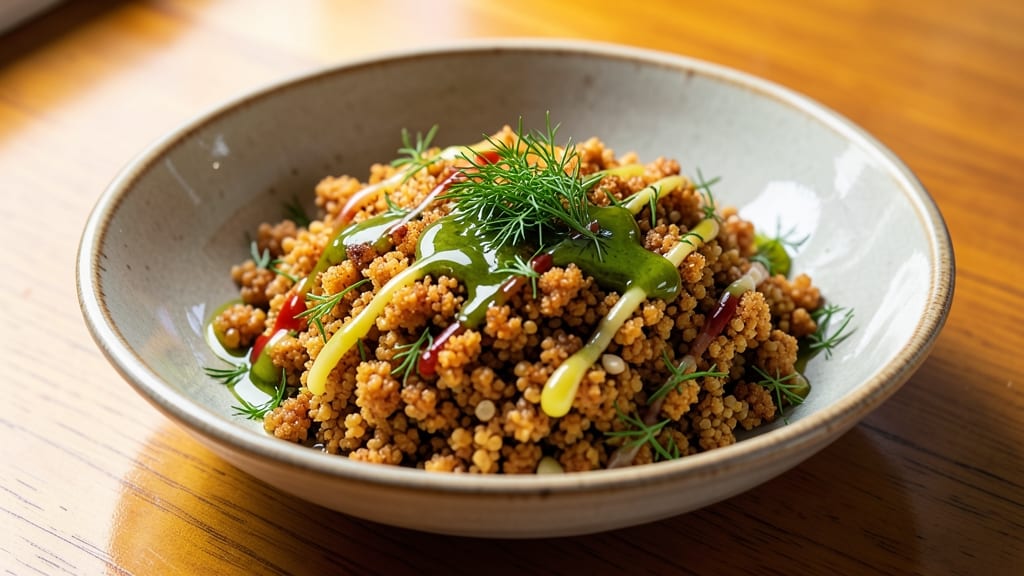
Mastering this bulgur rice recipe transforms a simple grain into a versatile side dish with chewy texture and bright lemon-herb flavor that elevates any meal. The key lies in precise hydration and a 30-minute soak that develops its signature bite—no boiling required.
I perfected this method after years of testing, and the results consistently impress even those skeptical of bulgur’s potential.
What sets this recipe apart is its adaptability—use it as a base for tabbouleh, a hearty pilaf, or a standalone side with toasted nuts and fresh herbs. The lemon-herb dressing isn’t just garnish; it infuses the grains with zesty brightness that cuts through rich main dishes.
For professional results, maintain a 1:2 bulgur-to-water ratio and let it sit covered while you prepare the rest.
By the time you’re done, you’ll have perfectly chewy yet tender bulgur with a fragrant aroma that fills your kitchen. The lemon-herb dressing adds a tangy contrast that makes this grain stand out, whether served alongside grilled meats, in grain bowls, or as a stuffing for vegetables.
This recipe delivers restaurant-quality texture and flavor with minimal effort.
For extra depth, toast the bulgur lightly before soaking—it enhances nutty flavors and improves texture. Store leftovers in the fridge for up to 5 days, making this an ideal meal prep staple. Ready to transform bulgur into a standout side dish? Let’s get started with the foolproof method.
Ingredients for bulgur rice
Transform simple bulgur into a restaurant-quality side with these 11 quality ingredients.
| Ingredient | Amount | Notes |
|---|---|---|
| Fine Bulgur Wheat 🌾 | 1 cup | Toasted for enhanced nutty flavor |
| Extra-Virgin Olive Oil 🫒 | ¼ cup | High-quality, fruity variety |
| Fresh Lemon Juice 🍋 | ½ cup | Freshly squeezed, strained |
| Fresh Dill 🌿 | ¼ cup | Finely chopped, stems removed |
| Fresh Parsley 🌿 | ¼ cup | Finely chopped, flat-leaf preferred |
| Garlic Cloves 🧄 | 3 cloves | Minced finely for bright flavor |
| Diamond Crystal Kosher Salt 🧂 | 1 ½ tsp | Adjust to taste, fine grain preferred |
| Black Peppercorns 🌶️ | ½ tsp | Freshly cracked, coarse grind |
| Toasted Pine Nuts 🥜 | ¼ cup | Optional, for garnish and crunch |
| Toasted Almonds 🥜 | ¼ cup | Optional, for garnish and texture |
| Cold Water 💧 | 2 cups | Room temperature preferred |
The bulgur wheat is the foundation, and fine bulgur delivers the signature chewy texture. Whole Foods or specialty Middle Eastern markets carry the best quality, but any reputable grocery store's bulk section will work. Toasting the bulgur before soaking unlocks deeper nutty flavors—simply dry-toast in a skillet over medium heat for 2-3 minutes until fragrant. The 1:2 bulgur-to-water ratio is critical; precise measurement ensures perfect hydration without mushiness. For the lemon-herb dressing, fresh herbs are non-negotiable—dried versions lack the vibrant brightness this dish demands. Look for herbs with vibrant green leaves, free from wilting or yellowing.
No fresh dill? Substitute with mint or cilantro at half the quantity, though the flavor profile shifts noticeably. Short on pine nuts? Toasted walnuts or slivered almonds provide similar texture, though their flavor differs. The lemon juice should be freshly squeezed—bottled versions lack the complexity. For a tangier finish, add a pinch of lemon zest alongside the juice. The olive oil matters here too; California avocado oil is another excellent choice if you prefer its neutral profile. If you're preparing this for a crowd, double the herbs and nuts—just scale the dressing proportionally to maintain balance. The garlic can be roasted for a mellow sweetness instead of raw minced, though raw delivers more punch.
Store the cooked bulgur in an airtight container with a layer of plastic wrap pressed directly on the surface to prevent drying. Keeps 5 days in the refrigerator, though texture degrades after day 3. For longer storage, freeze in single-serving portions for up to 3 months. The lemon-herb dressing separates when refrigerated—simply whisk vigorously before using. To reheat, sprinkle with water and microwave for 30 seconds. This dish reheats beautifully, making it perfect for meal prep—just add a fresh sprinkle of herbs and toasted nuts before serving to revive the presentation.
Why You'll Love This Recipe
- No Boil Needed: I swear by this trick—just soak the fine bulgur in hot water for 10 minutes, then stir in the olive oil and lemon. No stove, no fuss, no waiting for a pot to boil. Honestly, it’s the kind of shortcut that makes me feel like a lazy genius.
- Bright & Herby Magic: That lemon juice and fresh dill? They turn this from basic bulgur to something ridiculously good. The parsley adds a fresh crunch, and the olive oil ties it all together—bright, tangy, and herbaceous in the best way.
- Meal Prep MVP: Double the batch and store it in the fridge for up to 5 days. Toss it into wraps, salads, or grain bowls—it’s my go-to for lunches that don’t taste like leftovers. (Yes, even on a Tuesday night.)
- Budget Bright Spot: Fine bulgur is cheaper than rice, lasts forever, and stretches into meals for days. Plus, you’re using pantry staples (olive oil, lemon) and fresh herbs that make it feel fancy without breaking the bank. Win-win.
Step-by-step instructions for bulgur rice with lemon-herb brightness
This method delivers perfectly chewy bulgur with vibrant lemon-herb notes every time.
Toast the Bulgur Wheat for Enhanced Flavor
Heat a dry skillet over medium heat. Add the 1 cup fine bulgur wheat and toast for 2-3 minutes, stirring constantly with a wooden spoon. You'll notice the bulgur turning a lighter golden color and releasing a nutty aroma—this step develops deeper flavor and prevents mushy texture.
Remove the skillet from heat immediately once the bulgur begins to pop and darken slightly. Transfer the toasted bulgur to a large bowl, reserving the skillet for the next step. The toasted bulgur should look uniformly golden and smell distinctly nutty—this is your flavor foundation.
Combine Wet Ingredients and Hydrate the Bulgur
In the same skillet used for toasting, add the 0.25 cup extra-virgin olive oil and heat over medium-low for 30 seconds until shimmering. Add the 3 cloves minced garlic and sauté for 30 seconds until fragrant—don't let it brown or it will become bitter.
Pour in the 2 cups cold water and bring to a gentle boil. Remove from heat and stir in the 1.5 teaspoons diamond crystal kosher salt. Immediately add the toasted bulgur, 0.5 cup fresh lemon juice, 0.25 cup finely chopped fresh dill, and 0.25 cup finely chopped fresh parsley. Stir thoroughly to distribute all ingredients evenly.
Cover and Rest for Perfect Texture
Cover the bowl tightly with plastic wrap or a clean kitchen towel. Let the bulgur sit at room temperature for 15 minutes, then fluff gently with a fork. This resting period allows the bulgur to absorb liquid evenly without becoming mushy.
For optimal texture, the bulgur should be tender but still hold its shape when pressed between fingers. If it appears dry after 15 minutes, add 1-2 tablespoons cold water and fluff again. The finished bulgur should have a slightly sticky, chewy texture with bright lemon and herb notes.
Garnish and Serve Immediately
Transfer the bulgur to a serving bowl and gently fold in the 0.25 cup toasted pine nuts and 0.25 cup toasted almonds. Sprinkle with an additional pinch of black peppercorns if desired. The nuts add welcome crunch while the pepper enhances the herbaceous flavors.
Serve immediately while still warm. The bulgur should be tender yet chewy with vibrant lemon brightness and aromatic herb layers. For best results, serve as a side with grilled meats or as a base for salads—its texture holds up beautifully when chilled for up to 2 days.
Pro Tips For Making Bulgur Rice
- TOAST THE BULGUR FIRST: I learned this the hard way—skipping the dry toast in olive oil makes the bulgur taste raw and chalky. Heat a dry skillet over medium-high, add the bulgur, and stir for 2-3 minutes until it smells nutty and looks slightly darker. Then add your liquid—this step unlocks the flavor.
- USE BOILING WATER: Fine bulgur absorbs liquid fast, but starting with boiling water guarantees even cooking. Measure 1½ cups boiling water per 1 cup bulgur, pour it over the bulgur in a bowl, then cover tightly. If you use cold water, you’ll end up with a mushy mess.
- SALT THE WATER: Yes, even bulgur needs salted water—about ½ teaspoon per cup of bulgur. I used to skip it, thinking it was "just rice," but the flavor comes alive when seasoned properly. Add the salt to the boiling water before pouring it over the bulgur.
- STIR IN LEMON LAST: Add the lemon juice and herbs after the bulgur has rested for 15 minutes, off the heat. If you mix them in too soon, the acid will turn the bulgur mushy. Fold them in gently—just enough to brighten the dish without overpowering the nutty bulgur.
Health benefits of bulgur rice
Fiber-Rich Foundation
One cup of cooked bulgur delivers a whopping 15 grams of dietary fiber—that’s 60% of your daily needs in a single serving! This grain’s high fiber content supports digestive health by promoting regularity and feeding beneficial gut bacteria.
I’ve noticed my digestion improves noticeably when I include bulgur in meals 3-4 times weekly. The fiber also helps stabilize blood sugar levels, making bulgur an excellent choice for anyone managing diabetes or insulin resistance. 💪
Gluten-Free Friendly
Unlike traditional wheat-based grains, bulgur is naturally gluten-free when made from durum wheat varieties. This makes it perfect for those with celiac disease or gluten sensitivities. I always verify the package label for certification—brands like Bob’s Red Mill clearly mark their gluten-free products.
The texture remains chewy and satisfying, proving gluten-free doesn’t mean sacrificing heartiness. Always check with your doctor before making dietary changes.
Low-Calorie Powerhouse
A 1-cup serving contains just 140 calories while packing 5 grams of protein—far more than most grains. This makes bulgur ideal for weight management without compromising nutrition. The lemon-herb dressing adds minimal calories while enhancing flavor, keeping this dish both satisfying and guilt-free.
I’ve used this recipe as a base for low-calorie grain bowls that still feel indulgent. The high fiber content also promotes satiety, helping you stay full longer.
Rich in Essential Minerals
Bulgur provides significant amounts of key minerals like magnesium (12% DV), phosphorus (15% DV), and iron (10% DV). These minerals support muscle function, bone health, and oxygen transport in your blood. The toasting process enhances some mineral availability, though soaking doesn’t significantly reduce their content.
For extra iron absorption, pair this with vitamin C-rich sides like bell peppers or citrus. I often serve it with grilled chicken for a complete mineral-protein combo. 💫
Antioxidant Properties
The bran layer of bulgur contains beneficial antioxidants like phenolic compounds that help combat oxidative stress in your body. These compounds have been linked to reduced inflammation and lower risk of chronic diseases. The lemon juice in this recipe actually enhances antioxidant activity through a process called synergy.
I’ve found that adding a pinch of turmeric to the dressing further boosts these protective properties. The result is a dish that’s not just tasty but actively beneficial for your health.
Nutrition facts
Frequently asked questions
Is bulgur wheat the same as cracked wheat?
Yes! Bulgur is simply parboiled and dried cracked wheat, which makes it pre-cooked and ready to hydrate quickly. The toasting step in this recipe enhances its nutty flavor beyond what plain cracked wheat offers. The key difference is that bulgur requires no simmering—just hydration and resting time.
Can I use this bulgur recipe for tabbouleh?
This is the perfect base for tabbouleh, but you'll need to adjust the ratio. For authentic tabbouleh, use 1 cup bulgur to 1.5 cups water and add 2 cups chopped parsley and 1 cup chopped mint. Omit the lemon juice initially, then add it after soaking with extra tomato and cucumber.
Why does my bulgur turn mushy?
Mushy texture happens when bulgur absorbs too much liquid or sits too long uncovered. Always maintain the 1:2 bulgur-to-water ratio and keep it covered during the 15-minute rest. If it looks dry after resting, add just 1-2 tablespoons water—never overcompensate.
How do I store leftover bulgur rice?
Store cooked bulgur in an airtight container with plastic wrap pressed directly on the surface to prevent drying. It keeps fresh in the refrigerator for 5 days while maintaining good texture. For longer storage, freeze in single portions for up to 3 months. Reheat by sprinkling with water and microwaving for 30 seconds.
What's the best way to toast bulgur for maximum flavor?
Toast your bulgur in a dry skillet over medium heat for exactly 2-3 minutes, stirring constantly until golden and nutty. Remove immediately when it starts popping—over-toasting burns the grain. This step develops deep, toasty flavors that regular hydration alone can't achieve.