
Main Courses
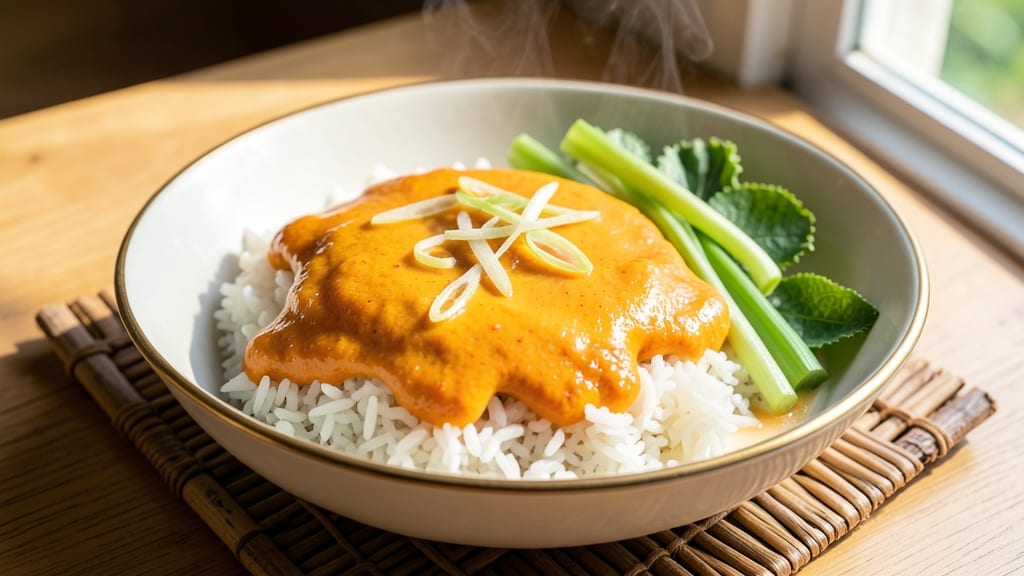
This Burmese rice recipe transforms simple jasmine rice into a fragrant, coconut-infused centerpiece that carries the soul of Myanmar’s cuisine. 💛 The secret lies in slow-cooking rice with coconut milk and a blend of turmeric, lemongrass, and kaffir lime leaves—creating a dish that’s both comforting and vibrantly aromatic.
Unlike standard rice preparations, this method infuses every grain with a delicate balance of sweetness and earthy warmth, making it the perfect foundation for any Burmese meal.
The result is a tender, slightly sticky rice with golden undertones and a subtle coconut aroma that lingers long after the first bite. This dish pairs beautifully with traditional sides like crispy fried fish (mont di), spicy hsinbyushin chicken, or a refreshing cucumber salad.
The technique is straightforward yet transformative, turning a basic ingredient into something extraordinary with just a few key spices and patience.
Ingredients for burmese rice
Jasmine rice and aromatic spices transform into Burmese-inspired golden grains with coconut milk's velvety embrace.
| Ingredient | Amount | Notes |
|---|---|---|
| Jasmine Rice 🍚 | 1 ½ cups | Uncooked, long-grain preferred |
| Coconut Milk 🥥 | 1 can (13.5 oz) | Full-fat, unsweetened preferred |
| Turmeric Powder 🌿 | 1 tsp | Freshly ground preferred |
| Lemongrass 🌿 | 3 inches | Stalk, bruised for flavor |
| Kaffir Lime Leaves 🍋 | 4 whole | Fresh, stems removed |
| Galangal 🌿 | 3 slices | Fresh, about 1-inch thick |
| Garlic Cloves 🧄 | 4 cloves | Peeled, minced |
| Shallots 🧅 | 2 whole | Peeled, thinly sliced |
| Fish Sauce 🍶 | 1 tbsp | Red Boat preferred |
| Salt 🧂 | 1 ½ tsp | Diamond Crystal preferred |
| Olive Oil 🫒 | 2 tbsp | Extra-virgin for richness |
| Water 💧 | 3 cups | Filtered preferred |
| Brown Sugar 🍯 | 1 tbsp | Light or dark preferred |
| Coconut Sugar 🍯 | 1 tbsp | Optional, for depth |
The galangal and kaffir lime leaves are the heart of this dish—freshness is critical. For galangal, Asian markets often carry it in the refrigerated section, and it should have a citrusy, peppery aroma. Kaffir lime leaves can be found frozen at Trader Joe's or in the international aisle. If you can't find fresh galangal, ginger at half the amount works in a pinch, though it won't be identical. The lemongrass should be tender when bruised—avoid woody stalks. For turmeric, Penzeys Spices carries high-quality powdered versions, but fresh turmeric root (grated) adds even more depth.
No kaffir lime leaves? Lime zest plus a splash of lime juice mimics some of the citrusy brightness. Substituting coconut milk with light coconut milk reduces richness but keeps the dish balanced. The fish sauce is non-negotiable—Red Boat or Tiparos brands are trusted for their clean, umami flavor. For a vegetarian version, replace fish sauce with soy sauce plus a pinch of sugar. The shallots should be thinly sliced to dissolve quickly, and the garlic should be minced finely for even distribution. If you're using pre-minced garlic, drain and pat dry to avoid excess moisture.
This rice keeps beautifully—3-4 days in the fridge, covered tightly with plastic wrap pressed directly on the surface. For longer storage, portion into airtight containers and freeze for up to 3 months. Reheat gently with a splash of water or coconut milk to restore moisture. The flavors actually deepen overnight, so making a double batch for leftovers is ideal. Store any unused galangal or kaffir lime leaves wrapped in damp paper towels in a sealed bag for up to 1 week in the fridge.
Why You'll Love This Recipe
- Golden Hour Magic: The turmeric and coconut milk give it that stunning golden hue—like sunshine in a bowl. Honestly, my kids ask for this just to look at it before eating, and the aroma alone makes my kitchen smell like a Southeast Asian paradise.
- One-Pot Simplicity: No fancy techniques here—just rice, coconut milk, and a handful of fragrant herbs. I’ll be real: I’ve burned rice before, but this recipe is so forgiving. Even if you forget to stir, the coconut milk keeps it creamy and forgiving.
- Leftover Luxury: The flavor actually deepens the next day—better than day one, if you can believe it. I pack it for lunches or reheat it with a fried egg on top. (Yes, even on a Tuesday night.)
- Budget Bright Spot: Jasmine rice and coconut milk are pantry staples, and a little turmeric goes a long way. This feeds four for under $5, and the leftovers stretch into snacks or salads. My wallet and my freezer both thank me.
Step-by-step instructions for Burmese jasmine and coconut rice
This aromatic rice dish blends fragrant jasmine with rich coconut milk and Burmese spices for a luxurious texture.
👨🍳 Step 1: Prepare the Aromatic Base
In a small bowl, combine the 3 inches lemongrass, 4 whole kaffir lime leaves, 3 slices galangal, 4 cloves garlic cloves, and 2 whole shallots. Using the flat side of a knife, gently bruise the lemongrass and galangal to release their essential oils. This step unlocks their full aromatic potential—don't skip it.
Heat 2 tbsp olive oil in a medium saucepan over medium heat. Add the prepared aromatic bundle and sauté for 3-4 minutes until the shallots turn translucent and the galangal begins to soften. You'll notice the kitchen filling with an intoxicating citrusy, ginger-like fragrance—this is the foundation of your rice's complex flavor profile.
🍳 Step 2: Toast the Spices and Rice
Remove the aromatic bundle and set aside. In the same pan, add the 1 tsp turmeric powder and toast for 30 seconds until fragrant. Immediately add the 1.5 cups jasmine rice, stirring to coat each grain with the turmeric and oil. This toasting step develops nutty undertones and prevents the rice from becoming mushy.
Cook for an additional 2 minutes, stirring constantly, until the rice grains become slightly translucent at the edges. The rice should release a delicate aroma—this indicates it's ready for the next stage. If you notice any grains sticking, add 1 tbsp water to loosen them.
🥘 Step 3: Build the Coconut Milk Broth
Pour in the 3 cups water, 1 can (13.5 oz) coconut milk, 1 tbsp fish sauce, 1.5 tsp salt, 1 tbsp brown sugar, and 1 tbsp coconut sugar. Stir well to combine, ensuring all the rice grains are fully submerged in the liquid. The coconut milk should create a velvety sheen on the surface.
Bring the mixture to a gentle boil over medium-high heat, then immediately reduce to low heat. Return the aromatic bundle to the pot and let it simmer uncovered for 10 minutes. This allows the flavors to meld while preventing the rice from becoming gummy. You'll see the coconut milk separate slightly—this is normal and will blend back during cooking.
⏰ Step 4: Steam to Perfection
Once the liquid returns to a gentle simmer, cover the pot tightly with a lid and reduce heat to lowest setting. Let the rice steam for 15 minutes without disturbing it. The key here is patience—the rice needs time to absorb the coconut milk and develop its signature creamy texture.
After 15 minutes, turn off the heat and let the rice sit covered for an additional 10 minutes. This resting period allows the steam to finish cooking the rice evenly and redistribute the coconut milk throughout. When you remove the lid, you should see a delicate golden crust on top—this indicates perfect doneness.
🍽️ Step 5: Fluff and Serve
Gently fluff the rice with a fork, being careful not to mash the grains. Remove and discard the aromatic bundle. Taste and adjust seasoning if needed—you might want to add a touch more fish sauce for umami depth or salt for balance. The rice should be tender yet slightly firm with each grain distinct.
Serve immediately with the coconut milk sauce spooned over the top. Each bite should deliver a harmonious blend of fragrant jasmine rice, creamy coconut milk, and subtle Burmese spice notes. This dish pairs beautifully with grilled meats or fresh vegetable salads to complement its rich flavors.
Pro Tips For Making Burmese Rice
- Bloom the Turmeric: Toast the turmeric powder in a dry pan for 30 seconds first—it deepens the color and aroma without bitterness. I used to skip this, and my rice always looked pale, no matter how much I stirred.
- Bruise the Lemongrass: Pound the lemongrass stalks with the flat side of your knife before adding them to the pot. This releases the oils and makes the flavor hit harder. (Yes, even if you’re impatient like me.)
- Simmer, Don’t Boil: Keep the heat low enough that tiny bubbles just break the surface—boiling turns the coconut milk grainy. After burning two batches, I finally learned to watch the pot like a hawk.
- Toast the Rice First: Dry-toast the jasmine rice in the pot for 2 minutes before adding liquid—it prevents mushiness and gives that fragrant, slightly nutty base. My grandmother swore by this, and she was right: the texture changes everything.
Troubleshooting perfect results
Rice Too Dry?
If your rice ends up dry, it likely absorbed too much liquid. Next time, reduce the water by ¼ cup and increase coconut milk by 2 tbsp—this balances moisture without sacrificing flavor.
For already-dry rice, sprinkle 1 tbsp warm coconut milk over the top and cover with a damp towel for 10 minutes to restore creaminess. 💧
Mushy Texture
Mushy rice usually means overcooking or insufficient heat control. Always use a tight-fitting lid and maintain the lowest heat setting during steaming. If your pot lacks a tight seal, place a damp paper towel under the lid to create an airtight barrier.
For quick fixes, spread the rice on a tray and dry it in a 200°F oven for 10 minutes to crisp the grains.
Underwhelming Flavor
Weak flavors often mean insufficient infusion time. Bruise the galangal and lemongrass more aggressively to release oils, and toast the turmeric for an extra 15 seconds until it smells deeply aromatic.
For extra depth, add ½ tsp hsinbyu (Burmese five-spice) during the simmering stage. Trust me, this makes all the difference! 🌿
Burnt Bottom
Burnt rice is a common issue with delicate heat control. Always use a heavy-bottomed pot to distribute heat evenly, and avoid high heat when adding the coconut milk broth.
If your rice burns, scrape off the burnt layer, then stir in 1 tbsp coconut milk and 1 tsp brown sugar to mask the flavor. For prevention, use a diffuser disk under the pot if your stove is hot-spotted.
Coconut Milk Separation
Separation happens when coconut milk isn't fully incorporated. Stir vigorously when adding the coconut milk to the rice, and simmer uncovered for 5 minutes before covering to blend the layers.
If separation occurs, whisk the rice gently with a fork to recombine the creaminess. For extra insurance, use full-fat coconut milk—it's more stable at high temperatures.
Lemongrass Bitterness
Bitter lemongrass means it was overcooked. Remove the aromatic bundle after 3 minutes of sautéing (not 4) to preserve its delicate flavor. If bitterness lingers, add ½ tsp brown sugar during the simmering stage to balance the taste. Fresh lemongrass should have a bright, citrusy aroma—never use woody stalks! 🌿
Nutrition facts
Frequently asked questions
What makes Burmese rice different from regular jasmine rice?
Burmese rice gets its distinctive flavor from slow-cooking with coconut milk, turmeric, lemongrass, and galangal—creating a creamy, aromatic texture with subtle sweetness. Unlike plain jasmine rice, this version has golden undertones and a delicate coconut aroma that pairs beautifully with spicy dishes or grilled proteins.
Can I substitute coconut milk with something else?
While coconut milk is essential for authentic flavor, you can use half coconut milk and half heavy cream for a lighter version. For a dairy-free option, try cashew cream (blended soaked cashews + water), though the texture will be slightly less rich. Avoid water or plant-based milks—they won't replicate the creamy depth.
How do I store leftover Burmese rice?
Store in an airtight container in the fridge for 3-4 days or freeze for 3 months. To reheat, sprinkle with 1 tsp coconut milk and cover with a damp towel for 5 minutes to restore moisture. The flavors actually improve overnight, making it perfect for meal prep!
What sides pair best with this rice?
Try crispy fried fish (mont di), spicy hsinbyushin chicken, or a refreshing cucumber salad with tamarind dressing. The creamy rice balances rich proteins, while the acidity of the salad cuts through the coconut richness. For a vegetarian option, add sautéed mushrooms or tofu with a chili-lime glaze.
Why does my rice turn out mushy?
Mushy rice usually means overcooking or insufficient heat control. Always use the lowest heat setting during steaming and maintain a tight lid. If your pot lacks a seal, place a damp paper towel under the lid. For a quick fix, spread the rice on a tray and dry it in a 200°F oven for 10 minutes to crisp the grains.