
Main Courses
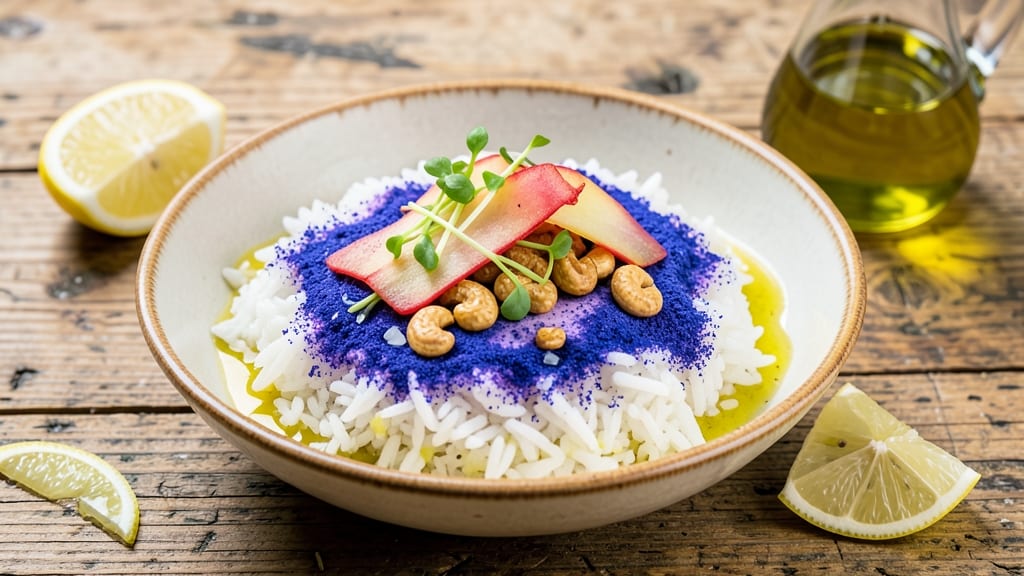
This butterfly pea flower rice recipe transforms ordinary grains into a stunning visual masterpiece with just a few simple ingredients. The vibrant blue-green hue isn't just for show—it's a natural, plant-based color that shifts dramatically with acidity, creating a mesmerizing culinary experience.
Perfect for plant-based meals, this one-pot dish delivers both beauty and bold flavor, requiring no special equipment beyond a pot and a few pantry staples.
What makes this recipe truly special is how effortlessly it combines nutrition with presentation. The butterfly pea flower powder infuses the rice with earthy, slightly sweet notes while maintaining its natural texture.
Paired with complementary sides like crisp tofu or fresh citrus, you'll create a dish that's as impressive to eat as it is to serve. The color-changing effect happens naturally when you add lemon juice, turning the rice from blue to vibrant green—a visual trick that will wow your guests.
Ingredients for butterfly pea flower rice
Transform ordinary rice into a vibrant blue-green masterpiece with these plant-based ingredients.
| Ingredient | Amount | Notes |
|---|---|---|
| Butterfly Pea Flower Powder 🌿 | 1 tbsp | High-quality, organic preferred |
| Jasmine Rice 🍚 | 1 ½ cups | Uncooked, long-grain preferred |
| Vegetable Broth 💧 | 2 cups | Low-sodium, homemade or quality store-bought |
| Fresh Lemon Juice 🍋 | 2 tbsp | Freshly squeezed for color change |
| Extra-Virgin Olive Oil 🫒 | 2 tbsp | For richness and texture |
| Fresh Ginger 🌿 | 1 tbsp | Grated, fresh preferred |
| Garlic Cloves 🧄 | 3 cloves | Minced, fresh preferred |
| Coconut Aminos 🥄 | 1 tbsp | Vegan soy sauce alternative |
| Sesame Oil 🫒 | 1 tsp | Toasted, for aroma |
| Fresh Cilantro 🌿 | ¼ cup | Chopped, for garnish |
| Lime Zest 🍋 | 1 tsp | Freshly grated for brightness |
| Sea Salt 🧂 | ½ tsp | Diamond Crystal preferred |
| Black Pepper 🌶️ | ¼ tsp | Freshly ground preferred |
| Toasted Cashews 🥜 | ¼ cup | Chopped, for texture |
The butterfly pea flower powder is the star here—opt for organic, high-quality powder from specialty stores like Whole Foods or Mountain Rose Herbs for the most vibrant color. Penzeys Spices also carries excellent options if you prefer bulk purchases. The powder should be a deep indigo color, not grayish or dull, as this indicates potency. For best results, store it in an airtight container away from light, as exposure can fade its color and reduce its effectiveness. Jasmine rice is ideal for its delicate floral notes that complement the earthy butterfly pea flavor, but basmati works equally well if that's what you have on hand.
No butterfly pea flower powder? Blue spirulina powder can be substituted at half the amount, though the color change won't be as dramatic. Fresh ginger and garlic can be swapped for powdered versions at one-third the quantity, but fresh is preferred for maximum flavor. Coconut aminos can be replaced with tamari or low-sodium soy sauce, though tamari has a slightly nuttier profile. For the sesame oil, avoid the toasted variety from plastic bottles—opt for glass bottles at Trader Joe's or Asian markets for the best aroma. The cashews can be omitted if you're avoiding nuts, but they add a lovely crunch that balances the rice's texture.
This dish reheats beautifully—simply add a splash of water and cover until warmed through. The color-changing effect is most vibrant when served with acidic components like lemon wedges or lime juice on the side, so keep those handy for presentation. Store leftovers in an airtight container in the fridge for up to 5 days, though the rice continues to develop deeper flavors over time. For freezing, portion into single servings before freezing to maintain texture, and thaw overnight in the fridge. The butterfly pea powder may settle at the bottom of the storage container—just stir it back in before reheating.
Why You'll Love This Recipe
- Magic Ingredient Trick: I’ll be real—adding that butterfly pea powder turns ordinary rice into something visually stunning with just a splash of lemon. The color shifts from deep blue to purple like a mood ring, and honestly? It’s the kind of dish that makes people pause and ask, “How’d you do that?”
- One-Pot Wonder: Between us, this recipe is ridiculously low-effort. Toss jasmine rice, broth, and a pinch of that powder into one pot, simmer, and let it do its thing. No stirring, no stress—just 20 minutes of hands-off time while you chop veggies or scroll through your phone.
- Lemon Brightens Everything: That fresh lemon juice isn’t just for flavor—it cuts through the richness of the olive oil and makes the rice pop with brightness. It’s the secret weapon that turns a simple rice dish into something you’d actually serve at a picnic or potluck.
- Leftovers? No Problem: This rice keeps perfectly for days, and the flavor only gets better as it sits. Pack it for lunches, reheat it for dinner, or even use it as a base for stir-fries. Plus, the butterfly pea powder makes it feel special enough to eat all week without getting bored.
Step-by-step instructions for butterfly pea flower rice
This vibrant dish transforms ordinary rice into a stunning visual masterpiece while delivering bold flavors.
Prepare the Aromatic Base
Heat the 2 tablespoons extra-virgin olive oil in a medium saucepan over medium heat. Add the 1 tablespoon grated fresh ginger and 3 minced garlic cloves, cooking for 1-2 minutes until fragrant and the garlic just begins to turn golden. This foundational step develops the dish's aromatic complexity.
Add the 1 tablespoon coconut aminos and 1 teaspoon sesame oil, stirring constantly for 30 seconds to fully incorporate. The coconut aminos provide umami depth while the sesame oil adds nutty aroma. Keep the heat at medium—too high will burn these delicate components before their flavors can develop.
Toast the Rice and Bloom the Color
Increase heat to medium-high and add the 1.5 cups jasmine rice, stirring continuously for 2-3 minutes until the grains become translucent at the edges and slightly toasted. This dry-toasting step enhances the rice's nutty flavor and prevents mushiness.
Reduce heat to medium-low, then add the 1 tablespoon butterfly pea flower powder and stir vigorously for 1 minute until the powder fully dissolves. The mixture will transform from clear to a vibrant blue-green hue—this is your visual cue that the color is properly activated. If you see any undissolved powder, continue stirring for another 30 seconds to ensure complete incorporation.
Cook the Rice to Perfection
Pour in the 2 cups vegetable broth, bringing the mixture to a gentle simmer. Add the 0.5 teaspoon sea salt and 0.25 teaspoon black pepper, then cover tightly with a lid. Reduce heat to low and cook for 15 minutes without disturbing the pot.
After 15 minutes, remove the lid and fluff the rice gently with a fork. If the rice appears dry, add 2 tablespoons water and cover again for another 5 minutes. The rice should be tender with a slight bite—jasmine rice should never be mushy. This is where patience pays off; undercooked rice will continue steaming while resting.
Finish with Acid and Garnish
Remove from heat and stir in the 2 tablespoons fresh lemon juice and 1 teaspoon lime zest. The acidity brightens the dish and enhances the vibrant color transformation. The mixture will shift from blue-green to purple—this color-changing magic happens instantly when acid meets the butterfly pea flower.
Finally, fold in the 0.25 cup chopped fresh cilantro and 0.25 cup chopped toasted cashews. The cilantro adds freshness while the cashews contribute crunch and richness. Let the rice sit covered for 5 minutes before serving to allow the flavors to meld completely.
Serve with Flavorful Presentation
Transfer the rice to a serving dish and garnish with additional lime zest and cilantro if desired. The dish should maintain its vibrant purple hue while offering a balance of nutty rice, umami from the coconut aminos, and bright citrus notes. Serve immediately while the color is at its peak intensity.
For best results, use this dish as a base for proteins like grilled chicken or tofu, or serve as a complete meal with a side of steamed vegetables. The color transformation makes this an impressive centerpiece for any gathering while delivering restaurant-quality flavor in a single pot.
Pro Tips For Making Butterfly Pea Flower Rice
- Bloom the Powder First: Mix the butterfly pea powder directly into the hot vegetable broth—never the cold water. The heat activates the color change instantly, giving you that vibrant blue hue without waiting. I used to add it after cooking, and the rice would turn muddy; now it’s bright and consistent every time.
- Toast the Jasmine Rice: Dry-toast the jasmine rice in olive oil for 2–3 minutes before adding broth—just until it’s fragrant and slightly golden. This step deepens the nutty flavor and prevents the rice from turning mushy when absorbing liquid. (Yes, it’s easy to skip, but you’ll taste the difference.)
- Acid Last, Not First: Stir in the lemon juice after the rice has finished cooking and is off the heat. Adding it early can make the rice taste sour before it’s fully tender. A squeeze at the end brightens the dish without overpowering the delicate floral notes.
- Use Stale Broth: If your vegetable broth smells fresh, let it sit uncovered in the fridge for 10 minutes to release excess gases—this prevents the rice from turning bland or absorbing odd flavors. I learned this after a batch tasted "off" and traced it back to overly fresh broth. (Trust me, it matters.)
Perfect pairings for this butterfly pea flower rice
Citrus-Inspired Sides
The vibrant purple hue of your butterfly pea rice pairs beautifully with bright citrus sides that enhance the color transformation. Serve with mango avocado salsa—diced ripe mango, avocado, red onion, cilantro, and lime juice—where the acidity mirrors the rice's color change.
Alternatively, a grapefruit and mint salad with segments tossed in olive oil and flaky salt adds a refreshing contrast. 🍋
Protein Pairings
For a complete plant-based meal, pair this rice with crispy tofu banh mi bowls. Marinate extra-firm tofu in coconut aminos, garlic, and ginger, then pan-fry until golden.
Top with quick-pickled carrots and cucumbers for a tangy crunch. Another winner is grilled lemon-herb chicken, where the citrus notes complement the rice's acidity beautifully.
Vegetable Harmony
Light, steamed vegetables keep the dish balanced without overwhelming the rice's delicate flavors. Try blanched bok choy with a drizzle of chili oil for heat, or roasted asparagus with lemon zest and toasted sesame seeds.
For a tropical twist, serve with charred pineapple slices—the caramelization brings out the rice's natural sweetness. 🌱
Sauce Elevations
Drizzle the rice with spicy peanut sauce for a creamy, nutty contrast. Mix peanut butter, coconut milk, lime juice, sriracha, and a touch of maple syrup, then thin with water.
A ginger-soy glaze—reduced coconut aminos, fresh ginger, and a splash of rice vinegar—also adds depth. Keep portions small to avoid masking the rice's unique flavor.
Dessert Contrast
End the meal with a coconut chia pudding dusted with butterfly pea powder for a subtle color echo. The creamy texture balances the rice's earthiness, while the powder adds a fun visual tie-in.
For a lighter option, serve lychee and lime sorbet—the citrus brightens the palate after the rich rice. 🍮
Beverage Pairings
Serve with jasmine green tea to complement the floral notes in the rice. For something refreshing, try sparkling lychee lemonade—the effervescence cuts through the dish's richness. A hibiscus iced tea with mint adds a tart contrast that enhances the color transformation.
Avoid heavy wines; opt for crisp whites like Sauvignon Blanc if you prefer alcohol. 🍹
Nutrition facts
Frequently asked questions
Why does the butterfly pea rice change color?
The vibrant color transformation happens because butterfly pea flower is naturally pH-sensitive. When you add acid (like lemon juice), the blue-green hue shifts to purple due to a chemical reaction called anthocyanin color change. This effect is completely natural and edible—no artificial dyes! The color change also indicates the dish is properly balanced with acidity.
Can I make this recipe without butterfly pea flower powder?
Yes! You can substitute with blue spirulina powder (half the amount) for a milder color effect, or skip it entirely for a simpler jasmine rice dish. If you want color without the powder, try adding purple sweet potato or beet juice to the cooking liquid. The flavor will differ, but the dish will still be delicious.
How do I prevent the rice from getting mushy?
To maintain perfect texture, use jasmine rice (it holds up better than short-grain varieties) and follow the toasting step carefully. Never stir the rice while cooking—just fluff it gently with a fork at the end. If your rice pot has a tight-fitting lid, reduce the cooking time by 2-3 minutes to prevent over-steaming. Always cook on low heat after the initial simmer.
Can I make this recipe ahead of time?
The rice actually tastes better the next day as flavors meld. Store in an airtight container in the fridge for up to 5 days. When reheating, add 1-2 tablespoons water and cover until warmed through. For the best presentation, add fresh lemon juice and garnishes just before serving to maintain the vibrant color transformation.
What's the best way to serve this visually striking dish?
Use white or neutral-colored plates to make the purple hue pop. Arrange the rice in a low, wide bowl** for better color visibility. Garnish with edible flowers (like pansies) or citrus slices for extra flair. Serve with small bowls of extra lemon juice and lime zest on the side so guests can adjust the color change themselves—it's interactive and fun!