
Main Courses
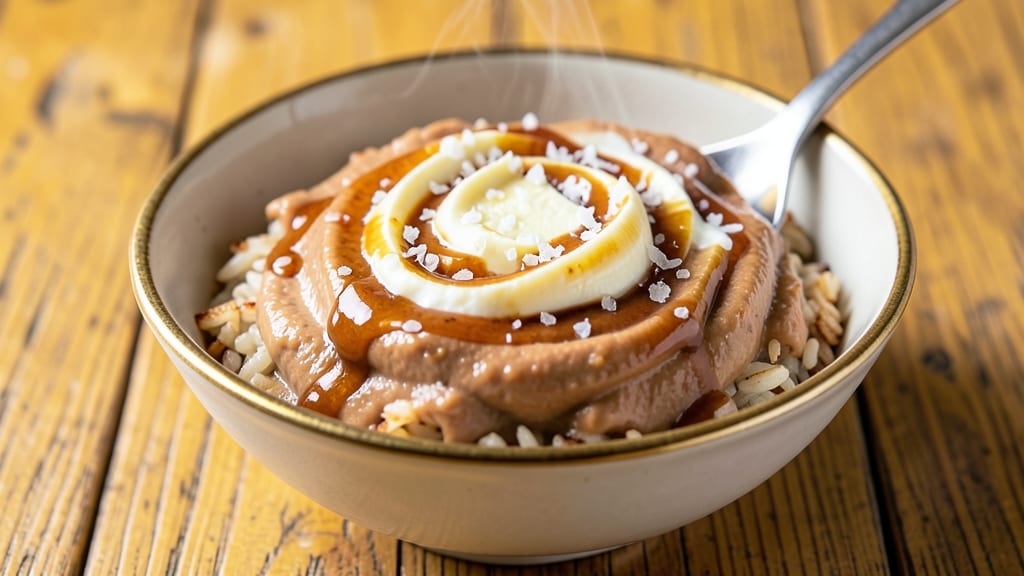
This butterscotch rice pudding delivers creamy velvety texture with rich caramel depth that feels like a warm hug in dessert form.
The secret lies in slow simmering the rice in sweetened milk until it reaches that perfect tender yet firm consistency, then infusing it with butterscotch syrup for that signature toasted-nut flavor.
Every spoonful combines silky rice, velvety milk, and butterscotch's warm caramel notes for a dessert that's both comforting and sophisticated.
The process is straightforward but requires patience—stirring consistently prevents scorching while building that signature texture. When done right, the pudding holds its shape when chilled yet melts gently on the tongue.
Garnish with whipped cream or a drizzle of caramel for extra indulgence. This dessert proves you don't need fancy techniques to create restaurant-quality results at home.
Ingredients for butterscotch rice pudding
Six simple ingredients transform into this velvety dessert with caramel warmth and silky texture.
| Ingredient | Amount | Notes |
|---|---|---|
| Long-Grain White Rice 🍚 | 1 cup | Uncooked, rinsed thoroughly |
| Whole Milk 🥛 | 4 cups | Full-fat for creaminess |
| Heavy Cream 🥛 | 1 cup | Full-fat for richness |
| Granulated Sugar 🍚 | 1 ½ cups | White or light brown |
| Butterscotch Syrup 🍯 | ½ cup | Store-bought or homemade |
| Unsalted Butter 🧈 | ½ cup | Cold, cubed for texture |
| Vanilla Extract 🌿 | 1 tbsp | Pure, high-quality |
| Salt 🧂 | ¼ tsp | Fine sea salt |
| Cinnamon Sticks 🍃 | 2 whole | For infusing flavor |
| Whipped Cream 🍦 | 1 cup | For garnish, optional |
| Caramel Sauce 🍯 | ¼ cup | For drizzling, optional |
The rice is the foundation—long-grain white rice works best for that tender yet firm texture. Bob's Red Mill or Lundberg are my go-tos for consistent results. The milk and cream? Full-fat is non-negotiable—it's what gives this pudding that restaurant-quality creaminess. If you're using store-bought butterscotch syrup, Log Cabin or Torani are solid choices, but homemade (melted butter + brown sugar + cream) takes it to the next level. The cinnamon sticks infuse subtle warmth—skip them if you're sensitive to spice, but I always include them for that cozy depth.
No butterscotch syrup? Mix brown sugar, butter, and cream—simmer until it thickens into a caramel-like consistency. Heavy cream too expensive? Half-and-half works in a pinch, though the texture will be slightly lighter. Vanilla extract is crucial—imitation or cheap extracts will ruin the flavor profile. The butter should be cold and cubed when added at the end to create those signature buttery pockets. For extra indulgence, fold in a few tablespoons of chopped pecans or walnuts during the last 5 minutes of cooking—adds crunch and nutty contrast.
This pudding tastes even better the next day once all the flavors meld. Store in an airtight container in the fridge for up to 5 days, though I usually finish it within 24 hours. To reheat, warm gently in the microwave with a splash of milk—never boil, or it'll curdle. Garnish with whipped cream and a drizzle of caramel right before serving. If you're making this ahead for a gathering, portion it into individual ramekins and refrigerate—easy to reheat and serve when guests arrive.
Why You'll Love This Recipe
- No-Stir Magic: I swear by this—just toss in the rice, milk, and cream, then let it simmer. No constant stirring, no burnt bits, no stress. The butterscotch syrup blends right in while it cooks, so you’re not left with clumpy messes or guessing when to add it.
- Caramel Hugs: That slow simmer with heavy cream and sugar? It turns into this rich, velvety texture with a butterscotch depth that hits like nostalgia. Honestly, the first spoonful makes me pause and think, "Wait, is this dessert or comfort food?"
- Crowd-Pleaser Flex: Serve it warm with a sprinkle of cinnamon for breakfast, chill it for a no-bake dessert, or pack it in jars for lunchboxes. My kids ask for it after school snacks just as much as they do for dinner—because who says pudding can’t be a meal?
- Budget Luxury: Rice pudding feels fancy, but this version costs next to nothing. A bag of rice, a carton of milk, and a bottle of syrup stretch to feed four for under $8. Plus, leftovers taste just as good reheated with a splash of cream—my secret for lazy mornings.
Step-by-step instructions for butterscotch rice pudding
Here's how to craft this velvety dessert with rich caramel notes and perfect texture.
Toast the Rice for Depth of Flavor
In a heavy-bottomed saucepan, melt the 0.5 cup unsalted butter over medium heat. Add the 1 cup long-grain white rice and toast for 3-4 minutes, stirring constantly, until the grains turn a light golden color. This step develops nutty undertones that balance the sweetness.
Real talk: Don't skip this toasting—it prevents a bland pudding. You'll know it's ready when the rice smells toasty and the butter has fully incorporated. Add the 2 whole cinnamon sticks now and stir for another 30 seconds to infuse their aroma.
Cook with Milk and Cream for Creamy Texture
Pour in the 4 cups whole milk and 1 cup heavy cream, bringing the mixture to a gentle boil. Once boiling, immediately reduce heat to low and add the 1.5 cups granulated sugar and 0.25 tsp salt, stirring until dissolved. The sugar should integrate completely—any graininess will remain in your pudding.
Cover the pan and simmer for 30 minutes, stirring every 5-7 minutes to prevent sticking. You're aiming for a thick, custard-like consistency where the rice is tender but still has a slight bite. I press my spoon against the rice—when it slides in easily but still feels slightly resistant, it's perfect.
Incorporate Butterscotch and Vanilla
Remove the cinnamon sticks and stir in the 0.5 cup butterscotch syrup and 1 tbsp vanilla extract. Simmer uncovered for another 10-12 minutes until the mixture thickens noticeably. The pudding should coat the back of a spoon and leave a distinct butterscotch aroma in the air.
Here's the thing—this is where the magic happens. The butterscotch syrup needs time to meld with the milk and cream, creating that signature warm caramel depth. If it smells too sweet at this stage, don't worry—it'll balance out as it cools.
Chill and Thicken to Perfection
Transfer the pudding to a bowl and press plastic wrap directly onto the surface to prevent a skin from forming. Refrigerate for at least 4 hours, preferably overnight. This chilling time transforms the pudding from a thick custard to a luscious, spoonable dessert.
I know it seems like forever, but trust me—this waiting period is what gives butterscotch rice pudding its signature velvety texture. The longer it chills, the creamier it becomes. Pro tip: If you're impatient, divide it between two containers and chill one while you enjoy the other.
Serve with Garnishes for Restaurant-Worthy Presentation
Before serving, gently reheat the pudding in a saucepan over low heat for 3-5 minutes, stirring constantly until warmed through but not boiling. Divide among bowls and top with 1 cup whipped cream and a drizzle of 0.25 cup caramel sauce. The contrast between the warm pudding and cool toppings makes every bite even more satisfying.
This is the moment that matters: the balance of textures and temperatures. The whipped cream adds lightness to cut through the richness, while the caramel sauce ties everything together with that signature butterscotch flavor. Serve immediately while the pudding is still warm and creamy—it won't last long!
Pro Tips For Making Butterscotch Rice Pudding
- STIR CONSTANTLY FIRST 15 MINUTES: I learned this the hard way—skipping the stir turns your rice into glue. After the milk starts simmering, keep that spoon moving every 30 seconds until the rice absorbs liquid. The first 15 minutes are when it either becomes creamy or turns into a sad, clumpy mess.
- USE LESS RICE THAN YOU THINK: Recipes often call for 1:3 rice-to-liquid ratios, but rice pudding lies. Start with 1:4 or even 1:5—it’ll soak up more as it cooks. Trust me, you’ll end up with a smoother texture and fewer lumps than if you follow the "standard" ratio.
- SWEAT THE RICE FIRST: Toast the rice in a dry pot over medium heat for 2-3 minutes before adding milk. This step deepens the nutty flavor and prevents that raw starch taste. (Yes, even if you’re impatient like me—just don’t walk away.)
- SWAP SYRUP FOR CARAMELIZED SUGAR: Butterscotch syrup is convenient, but caramelized sugar adds depth. Cook ½ cup sugar in a dry pan until amber, then deglaze with 2 tbsp cream. Pour this into the pudding at the end—it’ll give you that rich, toasty butterscotch flavor without extra syrup mess. (Your future self will thank you.)
Troubleshooting this dish
Grainy Texture Fix
If your pudding turns out grainy, it's likely because the sugar didn't dissolve properly during cooking. To prevent this, whisk the 1.5 cups granulated sugar into the warm milk mixture until completely dissolved before adding the rice.
For a quick fix, blend the finished pudding for 10-15 seconds—this smooths out any texture issues. I've also found that using light brown sugar instead of white helps prevent graininess by adding subtle molasses that bind the mixture better. 💫
Too Thin or Watery
This usually happens when the pudding wasn't simmered long enough or the rice wasn't toasted properly. For a quick fix, transfer the pudding to a saucepan and cook over low heat, stirring constantly, until it thickens to the desired consistency—about 5-10 minutes.
If it's still too thin, mix 1 tbsp cornstarch with 2 tbsp cold water, stir into the pudding, and cook for another 2-3 minutes. The key is patience: don't rush the initial simmering, or you'll end up with a runny result.
Burnt or Scorched Flavor
This is a common issue when the pudding sticks to the bottom of the pan. Always use a heavy-bottomed saucepan—I recommend a Calphalon or All-Clad—and stir every 5-7 minutes to prevent scorching.
If you notice the bottom starting to brown, immediately reduce the heat to low and add 1-2 tbsp milk to deglaze. For a burnt flavor that's already there, blend the pudding with ½ cup fresh whipped cream to dilute the harshness and add richness.
Not Sweet Enough
If your pudding tastes bland, it's likely because the butterscotch flavor didn't infuse properly. Increase the butterscotch syrup to ⅔ cup next time, or add 1 tbsp brown sugar during the final simmer. For an instant fix, drizzle 2 tbsp caramel sauce over each serving.
Pro tip: If you're using store-bought butterscotch syrup, simmer it with the milk and cream for an extra 5 minutes to deepen the flavor. The longer it cooks, the more the caramel notes will develop. 🍯
Lumpy or Uneven Texture
Lumps usually appear when the rice isn't cooked evenly or when the pudding is stirred too vigorously. To fix this, press the pudding through a fine-mesh sieve into a clean bowl, then stir in any remaining lumps.
For prevention, use a wooden spoon (not metal) to stir, and avoid overmixing after adding the butterscotch syrup. If you're short on time, blend the pudding with ¼ cup heavy cream to create a smoother, silkier texture. The goal is consistency—every spoonful should feel uniform and velvety.
Skin Formation on Top
A skin forms when the pudding cools too quickly or isn't covered properly. To prevent this, press plastic wrap directly onto the surface of the pudding before refrigerating. If a skin has already formed, gently reheat the pudding in a saucepan over low heat, stirring constantly until smooth.
For a quick fix, blend the pudding with 2 tbsp milk to break up the skin and restore creaminess. The key is to work with the pudding while it's still warm—this helps prevent skins from forming in the first place. ✨
Nutrition facts
Frequently asked questions about butterscotch rice pudding
Can I make this pudding without butterscotch syrup?
Mix ½ cup brown sugar with ¼ cup melted butter and ¼ cup heavy cream, then simmer for 10 minutes until thickened. This homemade version adds deeper caramel notes. For extra richness, fold in 1 tbsp chopped pecans during the last 5 minutes of cooking.
How long should I chill the pudding for best results?
For optimal texture, chill for at least 4 hours, but overnight (up to 24 hours) yields the creamiest results. The longer it rests, the more the flavors meld. If you're short on time, divide the pudding between two containers and alternate chilling batches every 2 hours.
What's the secret to preventing a skin from forming?
Press plastic wrap directly onto the pudding's surface before refrigerating to eliminate air exposure. For extra insurance, sprinkle ½ tsp cornstarch over the surface before covering. If a skin does form, gently reheat with 1 tbsp milk while stirring constantly until smooth.
Can I make this pudding dairy-free?
Yes! Use 4 cups coconut milk (full-fat) instead of dairy milk, and ½ cup coconut cream for the heavy cream. Replace butter with ½ cup coconut oil, and ensure your butterscotch syrup is dairy-free. The texture will be slightly lighter but still delicious. Add 1 tsp vanilla bean paste for extra flavor depth.
How do I fix grainy texture after cooking?
Blend the pudding for 10-15 seconds to smooth out any graininess. For prevention, whisk the 1.5 cups sugar into warm milk until fully dissolved before adding rice. Using light brown sugar instead of white also helps prevent graininess by adding subtle molasses that bind the mixture better.