
Side Dishes
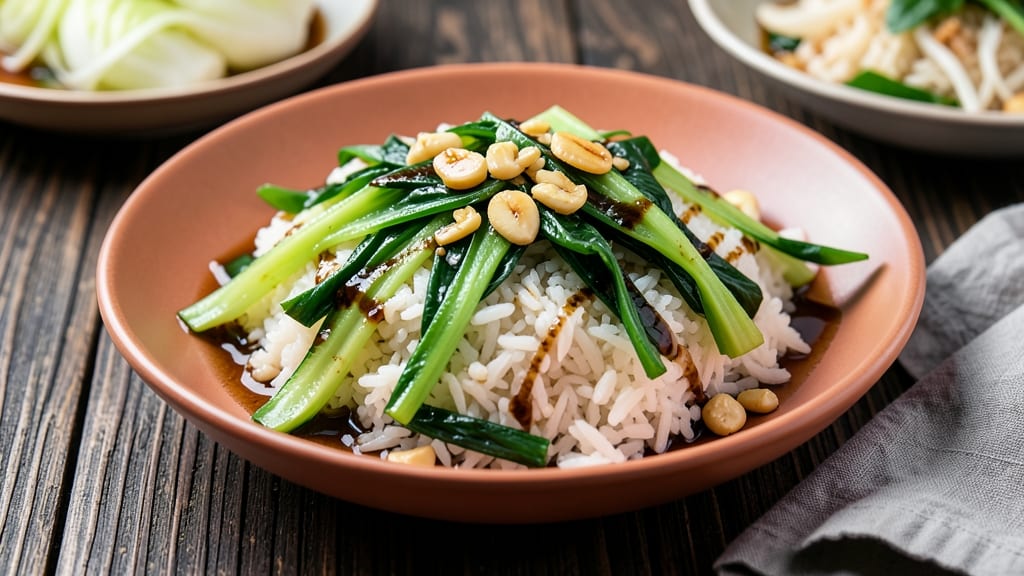
This cabbage and rice Chinese recipe transforms simple ingredients into a fragrant, wok-fried dish that’s ready in just 20 minutes.
The secret lies in stir-frying cabbage until tender-crisp while infusing it with garlic, ginger, and soy sauce—then folding it into perfectly cooked rice for a dish that’s both comforting and quick. No advanced techniques required, just a hot wok and a few pantry staples.
The result is a savory, aromatic one-pan meal where cabbage softens just enough to soak up the seasonings, while the rice stays fluffy and distinct. Add optional protein like pork or tofu for extra heartiness, or keep it vegetarian for a lighter version.
This recipe delivers restaurant-quality flavor without the fuss—ideal for weeknights or meal prep.
Ingredients for cabbage rice chinese
Twelve ingredients. One wok. A fragrant, restaurant-style Chinese fusion dish ready in minutes.
| Ingredient | Amount | Notes |
|---|---|---|
| Green Cabbage 🥬 | 8 cups | Shredded, core removed |
| Long-Grain White Rice 🍚 | 2 cups | Uncooked, jasmine preferred |
| Garlic Cloves 🧄 | 6 cloves | Minced, fresh preferred |
| Fresh Ginger 🌿 | 2 tbsp | Grated, peeled root |
| Light Soy Sauce 🍶 | ½ cup | Kikkoman preferred |
| Sesame Oil 🫒 | 1 tbsp | Toasted, for aroma |
| Vegetable Oil 🫒 | 3 tbsp | High smoke point |
| Oyster Sauce 🍶 | 2 tbsp | Vegetarian if needed |
| Brown Sugar 🍚 | 1 tbsp | Packed, light variety |
| White Pepper 🌶️ | ½ tsp | Freshly ground |
| Dried Shiitake Mushrooms 🍄 | 4 whole | Rehydrated, sliced |
| Green Onions 🧅 | 3 whole | Thinly sliced, white/green |
| Optional Ground Pork 🐷 | ½ lb | Lean, finely chopped |
The cabbage is your canvas—green, crisp varieties like Savoy or Napa work best for that satisfying crunch. Whole Foods or Trader Joe's carry pre-shredded options for convenience, but cutting your own ensures maximum freshness. For the rice, jasmine or basmati holds its shape better than long-grain white during stir-frying. The shiitake mushrooms? Soak them in hot water for 15 minutes to rehydrate—discard the soaking liquid and slice thinly. Fresh ginger and garlic are non-negotiable here; dried won't deliver the same aromatic punch.
No sesame oil? Toasted peanut oil at half the amount mimics the nutty depth. Vegetarian oyster sauce (like Lee Kum Kee) keeps this plant-based without sacrificing umami. Swap brown sugar for honey or maple syrup if you prefer, but the caramelization with soy sauce is what builds that signature flavor. The pork, if using, should be finely ground or thinly sliced—pre-cut from the deli counter saves time. For a veggie version, add extra mushrooms or bell peppers to bulk up the dish.
Prep the cabbage and mushrooms first—they soften quickly. Store cooked rice in an airtight container for 3-4 days in the fridge, or freeze for up to 3 months. Reheat gently with a splash of water to restore moisture. The stir-fry reheats beautifully, though the cabbage may soften further—best enjoyed fresh. Double the recipe and freeze portions for easy weeknight meals.
Why You'll Love This Recipe
- One-Pot Magic: I swear by this recipe when I’m too tired to wash a million bowls—just toss everything in one pan, stir, and walk away. The rice soaks up all that savory garlic-ginger-soy broth while the cabbage softens just enough to be tender but still hold its shape.
- Umami Bomb: That first bite of crisp-tender cabbage with the fragrant garlic and ginger? It’s like a flavor explosion in your mouth. The light soy sauce ties it all together without overpowering, leaving you wanting seconds (or thirds).
- Lunchbox Hero: Between us, this is my go-to for meal prep—stays fresh for days in the fridge, reheats like a dream, and even my picky-eating coworker asks for it. Pack it cold or warm, and you’ve got a satisfying lunch that won’t leave you sluggish.
- Pantry Staple: Honestly, you can’t beat the cost—cabbage and rice are cheap, and this recipe stretches them far. I’ve made it for date nights, lazy Sundays, and even as a side for takeout leftovers because it just works. No fancy ingredients, no stress.
Step-by-step instructions for wok-fried cabbage and rice
Master this fragrant fusion with precise timing and aromatic layering.
Prepare the Cabbage and Rehydrate Shiitake Mushrooms
Begin by cutting the 8 cups green cabbage into thin, even strips—about ¼-inch thick—and remove any tough core pieces. Place the cabbage in a colander and rinse thoroughly under cold water, then drain completely. This preparation ensures even cooking and maximum flavor absorption.
While the cabbage drains, rehydrate the 4 whole dried shiitake mushrooms by placing them in a heatproof bowl and covering with hot water. Let them soak for 15-20 minutes until they've absorbed the water and expanded significantly. Drain, then slice them into ¼-inch thick pieces. The mushrooms will add an earthy depth that complements the cabbage's crisp texture.
Cook the Rice to Al Dente Perfection
Rinse the 2 cups long-grain white rice under cold water until the water runs clear, then drain in a fine-mesh strainer. Transfer the rice to a pot and add 2 cups water. Bring to a boil over medium-high heat, then immediately reduce to low heat, cover tightly, and simmer for 12-14 minutes without lifting the lid. You want the rice to be al dente—slightly firm to the bite—so it doesn't turn mushy when combined with the cabbage.
Once cooked, fluff the rice gently with a fork and set it aside. The residual heat will keep it warm while you prepare the remaining components. If using the 0.5 lb optional ground pork, cook it now in a separate pan over medium heat until browned and fully cooked, then drain excess fat. This step ensures the pork retains its texture and doesn't release moisture that could dilute the flavors.
Build the Aromatic Base
Heat a wok or large skillet over medium-high heat until it's smoking slightly. Add 3 tablespoons vegetable oil and swirl to coat the surface evenly. Add the 6 cloves minced garlic cloves and 2 tablespoons grated fresh ginger, stirring constantly for 30-45 seconds until the garlic turns golden and the ginger becomes fragrant. This quick cooking prevents the aromatics from burning, which would create bitterness.
Immediately add the sliced shiitake mushrooms and stir-fry for 2 minutes until they release their moisture and begin to soften. Push the mushrooms to one side of the wok and add the 0.5 lb optional ground pork (if using) to the empty space. Cook for 1-2 minutes until the pork is evenly heated through and lightly browned. The high heat ensures the pork retains its texture without becoming greasy.
Combine and Season the Dish
Add the prepared cabbage to the wok in batches, stirring continuously to ensure even distribution. Cook for 3-4 minutes until the cabbage wilts and begins to soften slightly. The cabbage should still retain a slight crunch—overcooking will make it mushy. Season with 0.5 cup light soy sauce, 2 tablespoons oyster sauce, 1 tablespoon brown sugar, and 0.5 teaspoon white pepper, stirring well to coat the cabbage evenly.
Return the cooked rice to the wok and toss gently to combine with the cabbage and sauce. Drizzle with 1 tablespoon sesame oil and the 3 whole thinly sliced green onions, tossing once more to distribute the oil and freshness throughout. The sesame oil adds a nutty aroma that elevates the dish, while the green onions provide a bright contrast to the rich flavors.
Serve Immediately for Maximum Freshness
Transfer the wok-fried cabbage and rice to a serving platter and garnish with additional green onions if desired. Serve immediately while still hot, as the flavors meld best when enjoyed fresh. The dish should have a harmonious balance of textures—crisp cabbage, tender rice, and silky mushrooms—with a savory-sweet sauce that coats every bite.
For best results, serve with a side of steamed greens or a simple cucumber salad to complement the hearty flavors. The optional ground pork adds protein, but the dish remains satisfying and flavorful even without it. This method delivers a restaurant-quality fusion in under 20 minutes, making it perfect for weeknight dinners.
Pro Tips For Making Cabbage Rice Chinese
- SHRED CABBAGE THIN: I used to fight with limp, watery cabbage until I learned to slice it paper-thin—about 1/8-inch or less. A sharp knife and quick, confident strokes work best; resist the urge to crush the leaves. This ensures even cooking and that satisfying crunch at the end.
- COOK RICE SEPARATELY: Don’t skimp on the rice—cook it perfectly fluffy and just done, then spread it on a tray to cool slightly. Mixing it in while still hot turns the dish into a gluey mess. Cold rice absorbs flavors better and stays distinct, which is half the charm of this recipe.
- BLOOM GINGER FIRST: Toss the sliced ginger into the wok before the garlic—let it sizzle for 10 seconds until fragrant. This stops the garlic from burning before it browns and adds depth that plain garlic alone can’t match. (Yes, it sounds fussy, but the difference is noticeable.)
- USE LESS SOY SAUCE: Light soy sauce is salty—start with half the amount called for and taste as you go. Overdoing it flattens the cabbage’s natural sweetness and makes the rice taste like a brine bath. A splash at the end lets you adjust without ruining the balance.
Pro cooking tips for this dish
Wok Heating Secrets
Preheat your wok until it’s smoking hot—this creates the perfect sear on the cabbage and aromatics. I use a 14-inch carbon steel wok from Made In because it heats up faster and retains heat better than nonstick.
If you don’t have a wok, a heavy-bottomed cast-iron skillet works just as well. The key is getting that wok screaming hot before adding oil—this prevents the garlic and ginger from steaming instead of sizzling. 🔥
Stir-Fry in Batches
Cabbage releases a ton of water when cooked, which can dilute your sauce. To avoid soggy cabbage, stir-fry it in 2 batches instead of dumping it all in at once. This lets excess moisture evaporate between batches, keeping the texture perfect.
I also recommend using a wooden spoon or fish spatula to toss everything—metal utensils can scratch your wok over time.
Rice Timing Trick
Cook your rice to al dente (about 12-14 minutes) so it stays firm when combined with the cabbage. If you’re short on time, use pre-cooked rice from a rice cooker or instant pot, but add 1 tablespoon water per cup while reheating to restore moisture.
The rice should be warm but not mushy when folded into the wok. Pro tip: Fluff the rice with a fork before adding it to the wok—this prevents clumping. ✨
Sauce Layering Order
Add sauces in this exact order for balanced flavor: soy sauce first (builds umami base), then oyster sauce and brown sugar (adds depth and sweetness), and finally white pepper (finishes with a subtle kick). Stir well after each addition so the cabbage absorbs the flavors evenly.
I like to taste as I go—adjust the sugar if you want it sweeter or add a pinch more soy sauce for saltiness.
Sesame Oil Finish
Always add the sesame oil last—it has a low smoke point and burns easily. Drizzle it over the finished dish and toss gently to distribute. This step adds that signature nutty aroma that makes the dish taste restaurant-quality.
For extra depth, toast 1 teaspoon sesame seeds in the wok for 30 seconds before adding oil, then sprinkle them on top at the end. 💫
Protein Prep Shortcut
If using ground pork, cook it separately in a small pan before stir-frying to render excess fat. This keeps your wok oil from becoming greasy. For a quicker protein option, swap in pre-cooked shrimp or crumbled tofu—both add texture without extra prep. Just
Nutrition facts
Frequently asked questions
Can I use frozen cabbage instead of fresh?
Fresh cabbage is ideal for this recipe, but frozen works in a pinch! Thaw and drain the cabbage thoroughly first, then pat it completely dry with paper towels to prevent excess moisture in your wok. You may need to cook it for 1-2 extra minutes since frozen cabbage starts with higher water content.
What's the best rice for this stir-fry?
Jasmine or basmati rice are perfect—they stay slightly firm when combined with the cabbage. Avoid sticky short-grain rice like sushi rice, as it will turn mushy when tossed. For extra convenience, use pre-cooked rice from a rice cooker, but add 1 tbsp water per cup while reheating to restore texture.
How can I make this vegetarian?
Skip the pork and add extra mushrooms, bell peppers, or tofu for protein. For umami depth, use 1 tbsp vegetarian oyster sauce (like Lee Kum Kee) and ½ cup firm tofu, pressed and cubed. The dish stays hearty and flavorful without meat.
Why does my cabbage turn mushy?
Overcooking or crowding the wok causes soggy cabbage. Stir-fry in 2 batches with high heat, and cook for only 3-4 minutes total. Also, ensure your cabbage is completely dry before cooking—excess moisture steams instead of sears.
Can I make this dish ahead of time?
Yes! Cook the cabbage and sauce separately, then refrigerate for up to 3 days. Reheat gently with 1 tbsp water before mixing with fresh rice. For freezing, store components separately for up to 3 months—thaw overnight in the fridge before reheating. The texture holds best when reheated quickly over high heat.