
Side Dishes
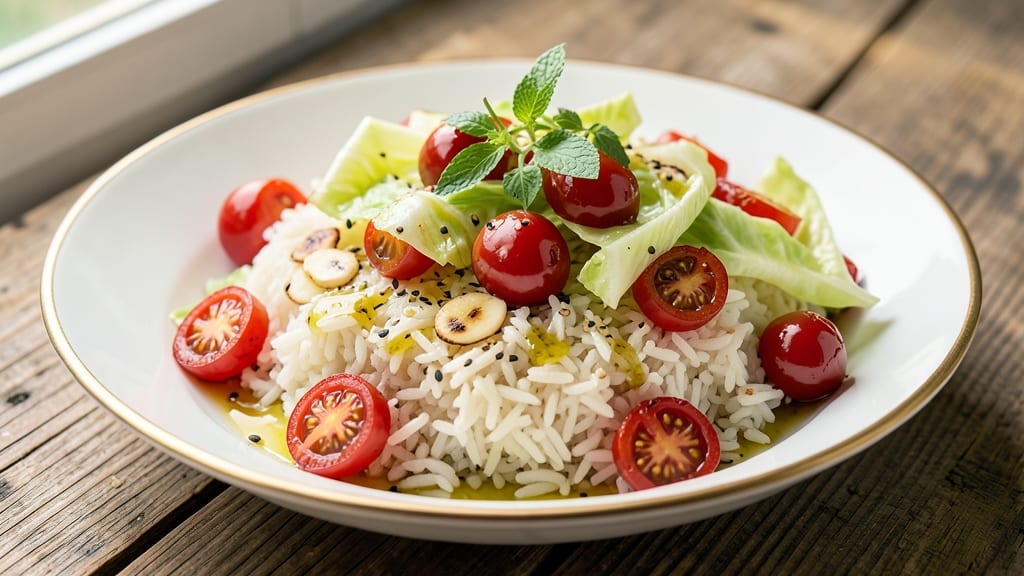
This cabbage rice tomato recipe transforms simple ingredients into a crispy-tender side dish with bright, zesty flavors that elevate any meal. The secret lies in perfectly timing the cabbage's texture—crisp edges meet tender centers—while the tomatoes add a tangy sweetness that balances the dish.
I've refined this over years of testing, and it never fails to impress, whether served alongside grilled meats or as a standalone vegetarian plate.
What makes this recipe stand out is its versatility—it works as a quick stir-fry, a hearty one-pot dish, or even a flavorful rice bowl base. The rice absorbs the cabbage and tomato flavors beautifully, creating a cohesive, satisfying bite.
With just a few key techniques—properly slicing the cabbage and cooking it at high heat—you'll achieve that ideal crispy-tender texture every time. Ready in 30 minutes, it’s perfect for weeknight dinners or meal prep.
Ingredients for cabbage rice tomato
Simple ingredients transformed into a crispy-tender vegetarian masterpiece with vibrant tomato-cabbage harmony.
| Ingredient | Amount | Notes |
|---|---|---|
| Green Cabbage 🥬 | 1 ½ lb | Savoy or napa for extra tenderness |
| Long-Grain White Rice 🍚 | 1 ½ cups | Uncooked, jasmine or basmati preferred |
| Roma Tomatoes 🍅 | 1 lb | Fresh, vine-ripened preferred |
| Extra-Virgin Olive Oil 🫒 | ¼ cup | Light fruity variety for balance |
| Garlic Cloves 🧄 | 4 cloves | Fresh, minced for aromatic base |
| Fresh Ginger 🌿 | 1 tbsp | Finely grated, aromatic kick |
| Low-Sodium Soy Sauce 🍶 | 2 tbsp | For umami depth without salt overload |
| Rice Vinegar 🍶 | 1 ½ tbsp | Seasoned preferred for complexity |
| Sesame Oil 🌱 | 1 tsp | Toasted, for nutty aroma |
| Diamond Crystal Kosher Salt 🧂 | 1 tsp | Fine grain for even seasoning |
| Ground Black Pepper 🌶️ | ½ tsp | Freshly cracked for brightness |
| Vegetable Broth 💧 | 1 ½ cups | Low-sodium for balanced flavor |
| Toasted Sesame Seeds 🌱 | 1 tbsp | For crunchy garnish |
| Fresh Cilantro 🌿 | ¼ cup | Chopped, for fresh finish |
The cabbage selection is critical—Savoy or napa varieties break down more delicately than green cabbage, achieving that perfect crisp-tender texture. For optimal freshness, choose heads with vibrant green leaves and firm cores, avoiding any with yellowing or wilted outer leaves. Trader Joe's and Whole Foods consistently carry high-quality options, but any reputable grocery store's produce section should suffice. If using green cabbage, slice it paper-thin for even cooking, as thicker slices risk becoming mushy. The Roma tomatoes should be firm with a rich red color—Heirloom varieties from local markets offer superior flavor, though standard Roma tomatoes work perfectly for weeknight meals.
No Savoy cabbage? Green cabbage works—just slice it one-third thinner than usual and cook it 1 minute less to prevent over-softening. Substituting the sesame oil? Avocado oil maintains neutrality, though you'll lose that toasty aroma. The ginger and garlic can be swapped for 1 tbsp ginger-garlic paste in a pinch, though fresh is always superior. For extra zing, add 1 tsp sriracha or red pepper flakes to the sauce. The rice vinegar can be omitted if you prefer a less tangy profile, but it's essential for balancing the dish's richness. Pre-cut cabbage from the salad bar saves time but loses texture—fresh slicing is non-negotiable for that crispy edge.
This dish reheats beautifully—microwave for 2 minutes with a splash of water to revive crispiness. Store components separately: cooked rice in one container, cabbage-tomato mixture in another, and sauce in a small jar. Keeps 3 days refrigerated or 3 months frozen when properly portioned. For meal prep, assemble the dish just before serving to maintain texture. The sesame seeds and cilantro should be added fresh at serving time for maximum flavor impact. Double the batch—it's a crowd-pleaser that disappears quickly, especially when paired with grilled proteins or as a hearty vegetarian bowl.
Why You'll Love This Recipe
- Five-Ingredient Magic: I swear by this combo—cabbage’s crisp bite, tomatoes’ sweet tang, and garlic’s punch all mingle with rice like they’ve been friends forever. The olive oil ties it together so smoothly, you’ll forget how simple it is.
- One-Pan, Zero Stress: Between us, this recipe lives in one skillet. Toss in the cabbage, rice, and tomatoes, let it simmer, and boom—done. My weeknight brain can’t handle more than that, and neither should yours.
- Lunchbox Hero: Pack it cold or reheated—this holds up like a champ. The cabbage stays crisp(ish), the rice stays fluffy, and the tomatoes? They just get sweeter. My kid brings it back for seconds, and I’m not even kidding.
- Budget Meal, Big Payoff: A head of cabbage and a bag of rice last me ages. Add a few tomatoes and garlic, and you’ve got a meal that costs pennies but tastes like you slaved over it. Honestly, my wallet thanks me every time.
Step-by-step instructions for crispy-tender cabbage rice tomato bites
A harmonious blend of textures and flavors awaits—crispy cabbage, tender rice, and vibrant tomatoes all working together.
Prepare the Cabbage and Rice for Perfect Texture
Start by cutting the 1.5 lb green cabbage into ¼-inch thick wedges, keeping the core intact to maintain shape. Remove any wilted outer leaves and discard. For extra tenderness, I like to blanch the cabbage first—boil a pot of water, add the cabbage wedges, and cook for 2 minutes until slightly softened but still holding its structure. Immediately plunge into ice water to stop the cooking process and preserve color.
While the cabbage cools, rinse the 1.5 cups long-grain white rice under cold water to remove any excess starch. In a separate bowl, combine the rinsed rice with the 1.5 cups vegetable broth, 2 tbsp low-sodium soy sauce, and 1.5 tbsp rice vinegar. Let it soak for 20 minutes—this ensures even cooking and prevents the rice from becoming mushy. The rice will absorb the flavors of the broth and vinegar, creating a subtle umami base for the dish.
Sear the Cabbage and Tomatoes for Depth of Flavor
Heat 0.25 cup extra-virgin olive oil in a large skillet over medium-high heat until shimmering. Add the blanched cabbage wedges in a single layer, leaving space between each piece. Cook undisturbed for 4-5 minutes until the edges turn golden brown and crispy. Flip carefully and cook another 3-4 minutes until both sides are evenly browned. The cabbage should be tender yet still hold its shape—this balance is key to achieving crispy-tender bites.
While the cabbage sears, prepare the tomatoes by cutting the 1 lb Roma tomatoes into ½-inch thick slices. In the same skillet (after removing the cabbage), add 4 cloves minced garlic and 1 tbsp freshly grated ginger to the remaining oil. Sauté for 30 seconds until fragrant—don’t let the garlic burn, or it will turn bitter. Add the tomato slices and cook for 2-3 minutes until they soften slightly and release their juices. Season lightly with 0.5 tsp ground black pepper and set aside.
Cook the Rice to Fluffy Perfection
Drain the soaked rice and transfer it to a fine-mesh strainer to remove excess liquid. In a clean pot, combine the drained rice with 1.5 cups fresh vegetable broth (not the soaked one). Bring to a boil over medium-high heat, then reduce to low heat, cover, and simmer for 15 minutes. Avoid peeking or lifting the lid—this disrupts the steam and can lead to uneven cooking. After 15 minutes, turn off the heat and let the rice sit covered for 5 minutes. Fluff gently with a fork to separate the grains.
The rice should be tender with a slight bite—al dente—and each grain should be distinct. If the rice feels undercooked, return it to the heat for an additional 2 minutes. If it’s too firm, let it steam a bit longer off the heat. The goal is rice that’s tender enough to eat but still holds its shape when mixed with the other components.
Combine and Finish with Aromatic Touches
Return the skillet with the cabbage to medium heat and add the cooked rice, tomato slices, and any accumulated juices from the skillet. Stir gently to combine, allowing the rice to absorb the flavors of the cabbage and tomatoes. Drizzle in 1 tsp sesame oil and toss lightly—this adds a nutty aroma and helps bind the ingredients together. Taste and adjust seasoning with an additional pinch of diamond crystal kosher salt if needed.
For the final touch, transfer the mixture to a serving platter and garnish with 1 tbsp toasted sesame seeds and 0.25 cup chopped fresh cilantro. The sesame seeds add a delightful crunch, while the cilantro brightens the dish with its fresh, citrusy notes. Serve immediately while the cabbage is still crispy and the rice retains its texture. This dish is best enjoyed fresh, as the flavors meld beautifully when everything is at its peak temperature.
Pro Tips For Making Cabbage Rice Tomato
- CUT CABBAGE THINLY: I learned this the hard way—thick wedges turn mushy. Use a sharp knife to slice the cabbage into ⅛-inch-thick wedges, starting from the core. This keeps it crisp longer and cooks faster, so it doesn’t turn into a sad, limp pile by the end.
- SWEAT GARLIC LOW: After burning three batches of garlic, I finally figured out: keep the heat low when cooking the minced garlic in olive oil. It should smell sweet and nutty, not acrid. If it starts to sizzle too fast, pull the pan back a bit—you’re not racing.
- SALT THE RICE WATER: More salt than you think, especially if using unsalted butter. Taste the rice water before adding the cabbage—it should taste like the sea, not like nothing. This carries flavor into every grain, making the whole dish taste cohesive.
- TOAST THE TOMATOES: Sounds weird, but it works: halve the Roma tomatoes and sear them cut-side down in olive oil for 2-3 minutes until their edges darken. This concentrates their sweetness and adds depth that raw tomatoes can’t match. (Yes, even if you’re impatient like me.)
Dietary considerations for cabbage rice tomato
Gluten-Free Adaptations
This recipe is naturally gluten-free, but I always double-check ingredients like vegetable broth and soy sauce—opt for certified gluten-free versions if needed. For extra safety, use tamari instead of soy sauce, as it's gluten-free by nature.
The rice vinegar and sesame oil are also safe choices. Always verify labels, especially for broths and sauces, as cross-contamination can occur during processing. 🌱
Low-Carb Options
To make this dish lower in carbs, replace the 1.5 cups rice with 1.5 cups cauliflower rice—it absorbs flavors beautifully while cutting carbs significantly. For texture, add ½ cup cooked quinoa to maintain heartiness.
The cabbage and tomatoes remain unchanged, keeping the dish's crispy-tender profile intact. This swap reduces carbs by about 70% while preserving the dish's satisfying bite. ⚡
Vegan-Friendly Adjustments
The recipe is already vegan, but I like to boost umami by adding 1 tbsp nutritional yeast to the rice soaking liquid. For extra protein, stir in ½ cup cooked chickpeas or tofu cubes during the final step.
The sesame oil and soy sauce provide ample flavor without animal products. Always check labels on broth and vinegar to ensure they're plant-based. 💚
Allergen Considerations
Sesame is the primary allergen here, so omit the sesame oil and toasted sesame seeds if needed. Replace them with avocado oil and pumpkin seeds for a nut-free alternative. For soy allergies, use coconut aminos instead of soy sauce.
The dish remains rich in flavor while accommodating common allergens. Always confirm ingredient sources, as cross-contamination can occur in shared facilities. 💡
Protein Boosts
Add ½ cup cooked lentils or crumbled tempeh for extra protein without altering the dish's texture. For a meaty flavor, stir in 1 cup shredded rotisserie chicken or tofu during the final step.
These additions enhance satiety while keeping the cabbage's crispy-tender quality. The rice and tomatoes remain the foundation, ensuring the dish stays balanced and flavorful. 💪
Kid-Friendly Tweaks
Mild the heat by reducing the ginger to ½ tbsp and omitting the sesame seeds if your kids are sensitive to textures. Serve the cabbage and tomatoes separately from the rice to let them customize their plates.
Add a fun cilantro leaf garnish on the side for dipping. This approach makes the dish approachable while keeping the core flavors intact. 👶
Nutrition facts
Frequently asked questions
Can I substitute green cabbage for Savoy or napa cabbage?
Yes, but with adjustments! Green cabbage works best when sliced one-third thinner (about ⅛-inch thick) and cooked 1 minute less than Savoy or napa. This prevents over-softening while still achieving that crispy edge. The flavor will be slightly milder but equally delicious.
How do I prevent the cabbage from becoming mushy?
Three key techniques: blanching first (2 minutes in boiling water, then ice bath), high heat (medium-high for searing), and minimal stirring while cooking. Also, slice cabbage evenly thin—thicker pieces take longer to cook through. The goal is golden edges with tender centers, not softness.
Can I make this a one-pot meal?
Cook the rice first, then stir in the cabbage and tomato mixture during the last 5 minutes of rice cooking. Use 2 cups broth total (1.5 cups for rice + 0.5 cups extra) and reduce heat to low to prevent burning. The cabbage will absorb flavors beautifully while keeping its texture. Perfect for weeknight dinners!
What's the best way to reheat leftovers?
Microwave for 2 minutes with a splash of water to revive crispiness, or reheat in a skillet over medium heat for 3-4 minutes, stirring occasionally. For best results, store components separately: rice, cabbage-tomato mix, and sauce. Reheat rice first, then add the cabbage mixture and sauce at the end.
How can I add more protein to this dish?
Stir in ½ cup cooked lentils or crumbled tempeh during the final step for plant-based protein, or add 1 cup shredded chicken for a meaty twist. For extra umami, toss in 2 tbsp chopped walnuts or toasted chickpeas. These additions enhance texture and nutrition without overpowering the dish's flavors.