
Desserts
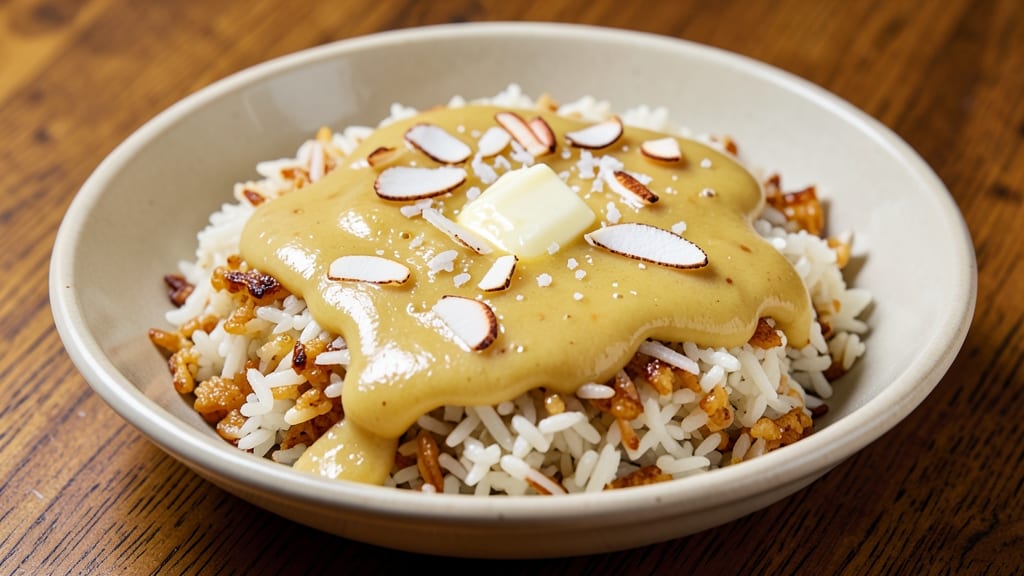
This Café Rio sweet rice recipe captures the nostalgic charm of Filipino dessert culture—creamy coconut rice caramelized with golden sugar, topped with toasted coconut flakes. The secret lies in slow-cooking jasmine rice in coconut milk until tender, then simmering it with sugar until it achieves that signature caramelized crust.
It's the dessert that brings back childhood memories of café hopping in the Philippines.
The result is a dish that balances sweetness and texture perfectly—creamy rice with a crunchy caramelized top, all infused with coconut aroma. Perfect for special occasions or when you crave a taste of home, this recipe delivers restaurant-quality results with just a few simple ingredients.
Let's recreate this Filipino classic together.
Ingredients for cafe rio sweet rice
Nine essential ingredients transform simple rice into Filipino café nostalgia.
| Ingredient | Amount | Notes |
|---|---|---|
| Jasmine Rice 🍚 | 1 cup | Uncooked, long-grain preferred |
| Coconut Milk 🥥 | 1 ½ cups | Full-fat canned, unsweetened |
| Granulated Sugar 🍚 | 1 cup | White or brown preferred |
| Unsalted Butter 🧈 | ½ cup | Cold, cubed for caramelization |
| Toasted Coconut Flakes 🥥 | ½ cup | Sweetened, lightly toasted |
| Salt 🧂 | ¼ tsp | Fine sea salt preferred |
| Vanilla Extract 🌸 | 1 tsp | Pure vanilla extract |
| Water 💧 | 1 cup | Room temperature preferred |
| Ground Cinnamon 🌿 | ¼ tsp | Freshly ground preferred |
| Fresh Coconut Cream 🥥 | ¼ cup | Optional, for extra richness |
| Lemon Zest 🍋 | 1 tsp | Freshly grated, brightens flavor |
The jasmine rice is non-negotiable—its delicate aroma is the soul of this dish. Filipino markets often carry premium jasmine rice in bulk, but any high-quality long-grain works. For coconut milk, full-fat canned brands like Thai Kitchen ensure creamy texture without watering down the flavor. The sugar should be fine granulated—Domino or C&H are reliable choices. Butter matters here too: use unsalted to control the seasoning perfectly. Toast your coconut flakes in a dry pan until golden—this step can't be skipped for that signature crunch.
No vanilla extract? Vanilla bean paste at half the amount works beautifully. Running short on coconut cream? Heavy coconut milk from the can (the thick cream layer) does the trick. Substituting brown sugar for white gives a deeper caramel note, but expect slightly more moisture in the final texture. The cinnamon adds warmth—Penzeys brand offers the most aromatic ground version. Lemon zest brightens the dish, but if you're out, a pinch of citric acid (common in baking aisles) mimics the effect perfectly. For extra richness, add a splash of coconut cream at the end—it's worth the effort.
Prep ahead by toasting the coconut flakes and measuring all ingredients—this dessert comes together quickly once cooking begins. Store the cooked rice in an airtight container with parchment between layers to prevent sticking. Keeps well in the fridge for 3-4 days, though it's best enjoyed within 2 days for peak texture. Reheat gently in the microwave with a splash of water to restore moisture. For serving, a dusting of extra toasted coconut flakes adds that café-style presentation—worth the extra minute before plating.
Why You'll Love This Recipe
- One-Pot Magic: I swear by this recipe because it’s literally three ingredients plus water—no fancy steps, no stirring every five minutes like risotto. Just toast the rice with butter, pour in the coconut milk and sugar, and let it simmer. Honestly, the hardest part is waiting for it to finish.
- Coconut Sugar Rush: That caramelized top layer? Chef’s kiss. The jasmine rice soaks up the coconut milk until it’s creamy but still has a little bite, while the toasted coconut flakes add this irresistible crunch. It’s sweet but not cloying—more like a grown-up dessert you’d actually want to eat for breakfast.
- Breakfast or Dessert: Between us, this is my lazy Sunday morning staple, but it also stars at potlucks or as a side for curry night. The coconut milk keeps it rich enough to stand alone, yet light enough to pair with anything. (Yes, even on a Tuesday night when you’re exhausted.)
- Budget Stretch: A single can of coconut milk and a bag of jasmine rice feed my family for days. The sugar and butter are minimal, and the toasted coconut flakes add that gourmet touch without breaking the bank. Plus, leftovers reheat like a dream—just a splash of milk to restore that creamy texture.
Step-by-step instructions for café rio sweet rice
This method delivers perfectly balanced sweetness, coconut aroma, and buttery crunch—every element harmonized.
Toast the Jasmine Rice for Nuttier Flavor
Heat a heavy-bottomed pot over medium heat and add the 1 cup jasmine rice. Toast the rice for 3-4 minutes, stirring constantly with a wooden spoon, until it turns a light golden color and releases a nutty aroma. This step develops deeper flavor and prevents mushy texture.
I like to press the rice gently against the bottom of the pot during toasting—this ensures even browning. Remove the pot from heat immediately after toasting to prevent burning. The rice should be fragrant and slightly crispy to the touch, signaling it's ready for the liquid components.
Cook the Rice in Coconut Milk Mixture
Return the pot to medium heat and add the 1.5 cups coconut milk, 1 cup granulated sugar, 1 cup water, 0.25 tsp salt, 0.25 tsp ground cinnamon, and 1 tsp vanilla extract. Stir well to dissolve the sugar completely—you should see bubbles forming around the edges of the pot.
Bring the mixture to a gentle boil, then immediately reduce heat to low. Cover the pot with a tight-fitting lid and simmer for 15-18 minutes without lifting the lid. You'll know it's ready when the rice absorbs all the liquid and the bottom of the pot develops a light caramel crust. This crust adds wonderful depth of flavor.
Create the Signature Caramelized Butter Layer
While the rice cooks, melt the 0.5 cup unsalted butter in a separate saucepan over low heat. Once fully melted, remove from heat and stir in the 1 tsp lemon zest. The butter should take on a pale golden hue and become slightly fragrant. Keep this butter warm but not hot—it needs to be pourable when you combine it with the rice.
After removing the rice from heat, stir in the 0.5 cup toasted coconut flakes and 0.25 cup fresh coconut cream (if using). The coconut cream adds luxurious richness that balances the sweetness. Let the mixture sit uncovered for 2 minutes to allow the coconut flakes to soften slightly while maintaining their crunch.
Fold in the Butter and Finish
Carefully pour the warm butter mixture over the rice, stirring gently but thoroughly to distribute it evenly. You'll see the rice transform—it becomes glossy and develops a beautiful caramelized sheen. The butter should melt completely into the rice, creating a cohesive texture with pockets of coconut crunch throughout.
Transfer the sweet rice to a serving dish and let it rest for 5 minutes before serving. This resting period allows the flavors to meld completely. The final texture should be creamy yet slightly firm, with tender rice strands and crisp coconut flakes in every bite. The aroma should be intoxicating—sweet coconut, warm vanilla, and a bright citrus note from the lemon zest.
Garnish and Serve Immediately
Just before serving, give the rice one final gentle stir to redistribute any settled coconut flakes. Garnish with an additional sprinkle of toasted coconut flakes if desired, focusing on the top third of the dish for visual appeal. Serve warm, preferably within 30 minutes of preparation, as the texture begins to soften as it cools.
The perfect Café Rio Sweet Rice should have three distinct elements in every bite: tender coconut-infused rice, rich caramelized butter, and crisp toasted coconut flakes. The balance of sweetness from the sugar and coconut should be complemented by the bright lemon zest, creating a harmonious flavor profile that's both comforting and sophisticated.
Pro Tips For Making Cafe Rio Sweet Rice
- Rinse Rice Twice: Jasmine rice absorbs liquid like a sponge, so give it a quick double-rinse under cold water until the water runs clear. I learned this the hard way—skipping it leads to gummy, clumpy rice that ruins the creamy texture you’re aiming for.
- Simmer Slowly: After adding coconut milk and sugar, keep the heat at a gentle simmer—not a boil. I used to rush it, and the rice would turn mushy or the coconut milk would curdle. Low and steady guarantees that silky, restaurant-style consistency.
- Toast Coconut First: Toast your coconut flakes in a dry pan for 2-3 minutes until golden and fragrant before adding them to the rice. Sounds like an extra step, but it makes a real difference—the flavor jumps off the plate instead of tasting bland.
- Butter Last: Stir in the unsalted butter only in the final 2 minutes of cooking. This keeps it from burning and lets the flavor melt into the rice evenly. I was skeptical until I tried it—now I never skip it.
Regional styles of cafe rio sweet rice
Filipino Café Style
The original Café Rio version served in Filipino cafés uses jasmine rice cooked in coconut milk until ultra-creamy, then caramelized with white sugar until golden brown.
The key difference from other coconut rice dishes is the butter caramelization—Filipino cooks melt butter with sugar to create a glossy, crunchy top layer that sets it apart from steamed coconut rice.
I've seen versions where they even add a touch of pandan extract for that signature green hue, but traditional Café Rio keeps it simple with vanilla and cinnamon. 🥥
Malaysian Pandan Twist
In Malaysia, this dessert often incorporates pandan leaves for a fragrant, slightly floral note. Replace the vanilla extract with 1 tsp pandan extract or infuse the coconut milk with 2-3 strands of fresh pandan while heating. The texture remains the same, but the aroma becomes more complex.
I've made this version with brown sugar instead of white for a deeper caramel flavor—it pairs beautifully with toasted shredded coconut on top. The Malaysian version also sometimes includes coconut cream swirls for extra richness.
Singaporean Butter Rice Fusion
Singapore takes this dessert in a different direction by blending it with their famous butter rice technique. After cooking the rice in coconut milk, they spread it on a tray, drizzle with melted butter, and broil until golden.
The result is a crispy, caramelized crust on top while keeping the inside creamy. For this version, reduce the sugar slightly to ¾ cup and add 1 tbsp cornstarch to the rice mixture for extra thickness. Garnish with crushed peanuts for a textural contrast that's uniquely Singaporean. 🌶️
Modern Café Adaptations
Today's Filipino cafés often put their own spin on this classic. Some versions include condensed milk (about ¼ cup) for extra sweetness, while others add chocolate chips or crushed macadamia nuts for gourmet appeal.
I've seen matcha-infused versions where green tea powder is mixed into the coconut milk, creating a stunning green-and-gold presentation. For a boozy twist, some cafés add 1 tbsp rum or coconut liqueur to the butter mixture—just enough to enhance the coconut flavor without overpowering.
Vegan Adaptation
For a plant-based version, replace the butter with coconut oil and use vegan vanilla extract. The coconut milk already provides richness, so no additional cream is needed. To achieve the caramelized top, melt ¼ cup coconut sugar with 2 tbsp coconut oil until golden, then drizzle over the rice.
Toast vegan coconut flakes separately for the garnish. The texture remains creamy, though slightly lighter than the traditional version. This adaptation proves how versatile this dessert can be while keeping its comforting essence. 🌱
Regional Serving Traditions
In the Philippines, this dessert is traditionally served warm in small ceramic bowls with a dusting of toasted coconut on top. The presentation is simple but elegant—often accompanied by hot coffee or tsokolate (Filipino hot chocolate).
In Malaysian cafés, it's sometimes served with iced tea or sambal on the side for those who want a spicy contrast. For a modern touch, I've seen it plated with edible gold leaf or coconut ice cream on the side, turning it into a showstopper dessert for special occasions.
The regional variations show how this simple rice dish can adapt to local tastes while keeping its core identity.
Nutrition facts
Frequently asked questions
Why does Café Rio sweet rice need toasting?
Toasting the jasmine rice first develops a deeper, nuttier flavor and prevents the final texture from becoming mushy. The light golden color signals proper toasting—this step is what gives the dish its authentic café aroma and slightly crisp edges. Skipping it results in a milder, softer texture that lacks the signature depth of flavor.
Can I make this recipe without butter?
Yes! For a dairy-free version, melt ½ cup coconut oil with 1 tsp lemon zest instead, then proceed with the same caramelization technique. The texture will be slightly lighter but still creamy. For extra richness, add ¼ cup coconut cream when folding in the coconut flakes. The caramelized coconut oil will create a similar glossy finish.
How do I fix undercooked rice?
If your rice isn't fully cooked after 18 minutes, add 2-3 tablespoons water and cover for another 5 minutes on low heat. Stir gently to avoid breaking the rice grains. The key is patience—rushing causes uneven cooking. For next time, check for doneness by pressing a grain against the pot: it should be tender with no hard center.
What's the best way to store leftovers?
Transfer cooled rice to an airtight container with parchment paper between layers to prevent sticking. It keeps well in the fridge for 3-4 days or freezes for 2 months. To reheat, microwave with 1 tablespoon water for 1-2 minutes, then cover with a damp paper towel for 30 seconds to restore moisture. Avoid reheating in the oven—it dries out the coconut flavor.
Can I use instant rice?
Not recommended—it lacks the proper texture and flavor development. Instant rice absorbs liquid too quickly, leading to a gummy consistency. For best results, stick with jasmine rice or long-grain white rice. If you're short on time, use parboiled rice (cooks in 12 minutes) but reduce the cooking time to 12-15 minutes and add ¼ cup extra coconut milk to compensate for the faster absorption.