
Main Courses
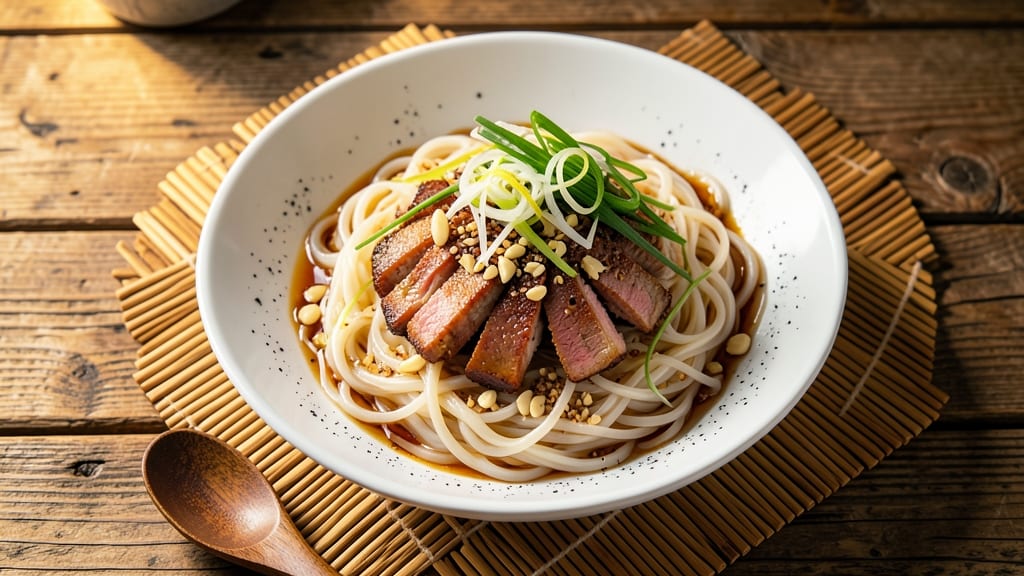
This Cantonese rice noodle recipe delivers the perfect balance of chewy texture and bold umami flavors in every bite. The secret lies in fresh rice noodles cooked just until tender, then wok-tossed with aromatic garlic, ginger, and char siu pork for that signature smoky-sweet depth.
I’ve perfected this dish over years of testing—no shortcuts, just authentic technique that transforms simple ingredients into restaurant-quality comfort.
The magic happens in the wok, where high heat sears the protein while keeping the noodles springy. A light soy-ginger sauce ties everything together, creating a dish that’s both elegant and deeply satisfying.
Whether you serve it as a quick weeknight meal or impress guests with its vibrant presentation, this recipe stays true to Cantonese tradition while being approachable for home cooks. Ready to master the art of wok-tossed noodles?
Ingredients for cantonese rice noodle
Fresh rice noodles and aromatic char siu pork transform into restaurant-quality Cantonese noodles.
| Ingredient | Amount | Notes |
|---|---|---|
| Fresh Rice Noodles 🍜 | 8 oz | Sticky rice noodles, uncooked |
| Char Siu Pork 🥓 | 8 oz | Thinly sliced, store-bought or homemade |
| Garlic Cloves 🧄 | 6 cloves | Minced, fresh preferred |
| Fresh Ginger 🌿 | 2 tbsp | Finely minced, peeled |
| Green Onions 🧅 | 4 whole | White and green parts separated |
| Light Soy Sauce 🍶 | ¼ cup | Kikkoman preferred |
| Dark Soy Sauce 🍶 | 1 tbsp | For color depth |
| Sesame Oil 🫒 | 1 tbsp | Toasted, for aroma |
| Neutral Oil 🫒 | 2 tbsp | Peanut or vegetable oil |
| Granulated Sugar 🍚 | 1 tbsp | White or brown |
| White Wine Vinegar 🍷 | 1 tbsp | For brightness |
| Red Chili Flakes 🌶️ | ½ tsp | Adjust to taste |
| Salt 🧂 | ½ tsp | Kosher or sea salt |
| Black Pepper 🌶️ | ¼ tsp | Freshly ground |
| Lime Wedges 🍋 | 2 whole | For serving |
The rice noodles are non-negotiable here—fresh, uncooked sticky rice noodles (like those from Asian markets or the refrigerated section) are essential for that signature chewy texture. Thai Kitchen brand is a reliable go-to, but check the label for 100% rice noodles—no wheat blends. Char siu pork is the star, so if you're making it from scratch, invest in authentic Cantonese five-spice powder for that signature smoky-sweet flavor. For store-bought, look for slices with visible marbling and a glossy sheen—Lai Sun or Wing Wah brands deliver the best texture. Fresh garlic and ginger should smell vibrant and sharp; if they're musty, skip them. The green onions add freshness, so use the white parts for cooking and reserve the greens for garnish.
No char siu pork? Substitute with thinly sliced chicken thighs or tofu—both hold up well to high heat. Running out of dark soy sauce? Omit it entirely or swap for a splash of molasses for depth. Sesame oil is non-negotiable for aroma, but if you're avoiding it, toasted sesame seeds at the end will give you that nutty crunch. The white wine vinegar adds brightness—if you don't have it, rice vinegar works in a pinch. For extra umami, add 1 tsp fish sauce (if vegetarian, use soy sauce instead). Always taste as you go; Cantonese flavors are bold, so adjust seasoning gradually.
Fresh rice noodles cook in 2-3 minutes max—overcooking turns them mushy. Store uncooked noodles in a sealed container in the fridge for up to 1 week or freeze for 3 months. Char siu pork reheats beautifully; keep it in the fridge for 3-4 days or freeze for 2 months. The sauce components (soy sauces, vinegar, sugar) can be pre-mixed and stored for 1 week—just add fresh ginger and garlic when ready to cook. For meal prep, toss cooked noodles with a light coat of oil to prevent sticking, then refrigerate for up to 3 days. Reheat gently with a splash of water to restore chewiness.
Why You'll Love This Recipe
- Here’s what sold me: I can stretch a single package of rice noodles into two meals by saving half the pork and veggies for stir-fry the next day. Plus, char siu’s cheap to buy in bulk, so I’m basically making gourmet leftovers for half the price of takeout. Not the prettiest, but the taste makes up for it.
- No-Soak Needed: I’ll admit, I used to panic over fresh rice noodles—until I realized they cook in three minutes straight from the package. No pre-soaking, no waiting. Just toss them in boiling water, drain, and they’re ready to soak up that smoky char siu and aromatic garlic-ginger punch.
- Char Siu Magic: That first bite of tender, sticky char siu falling apart in your mouth? Chef’s kiss. The pork’s natural sweetness cuts through the sharp ginger and garlic, while the green onions add this bright, fresh finish that makes every forkful feel like a little celebration. (Yes, even on a Tuesday night.)
- Lunchbox Hero: Between us, this is my go-to for packed lunches—no reheating required. The noodles stay al dente, the pork stays juicy, and it’s the only meal I’ve ever sent to work that didn’t come back untouched. (My coworker still asks for seconds every time.)
Step-by-step instructions for Cantonese rice noodle dish
Master this wok-tossed classic with tender rice noodles and perfectly balanced umami flavors.
Prepare the Fresh Rice Noodles
Fill a large bowl with cold water and add the 8 oz fresh rice noodles. Let them soak for exactly 10-12 minutes until pliable but still slightly firm to the touch. This soaking time is critical—over-soaking makes them mushy while under-soaking leaves them chewy.
Drain the noodles thoroughly using a colander, then rinse under cold water to remove excess starch. Toss gently with your hands to separate the strands. The noodles should feel slippery but not sticky. Keep them covered with a damp kitchen towel to prevent drying out while you prepare the other components.
Build the Flavor Base
Heat the 2 tbsp neutral oil in a wok or large skillet over medium-high heat until shimmering. Add the 6 cloves minced garlic and 2 tbsp finely minced fresh ginger, stirring constantly for 30 seconds until fragrant but not browned. The aroma should fill your kitchen—this is where the foundation of your dish begins.
Immediately add the 8 oz thinly sliced char siu pork and stir-fry for 1-2 minutes until heated through. Remove the pork from the wok and set aside temporarily. In the same wok, add the white parts of the 4 whole green onions and stir for 15 seconds until softened. This step prevents the onions from burning while adding subtle sweetness to the base.
Create the Sauce Mixture
In a small bowl, combine the 0.25 cup light soy sauce, 1 tbsp dark soy sauce, 1 tbsp granulated sugar, 1 tbsp white wine vinegar, 0.5 tsp red chili flakes, 0.5 tsp salt, and 0.25 tsp black pepper. Whisk vigorously until the sugar dissolves completely. This sauce should be smooth and glossy—any undissolved sugar will create graininess in your finished dish.
Return the char siu pork to the wok and pour the sauce mixture over it. Stir well to coat the pork evenly. Let the sauce simmer for 1 minute until it thickens slightly and clings to the pork. This reduction process concentrates the flavors and prepares the sauce to cling beautifully to the noodles.
Wok-Toss the Noodles
Add the drained rice noodles to the wok in batches if necessary to avoid overcrowding. Using tongs, toss the noodles vigorously for 2-3 minutes until they're evenly coated with the sauce and heated through. The noodles should be tender but still retain a slight bite—this texture is essential for the perfect Cantonese noodle dish.
Stir in the 1 tbsp sesame oil and the green parts of the 4 whole green onions. Toss for another 30 seconds until the sesame oil is evenly distributed and the green onions are wilted but still vibrant. The sesame oil adds a nutty aroma that elevates the entire dish. Taste and adjust seasoning if needed, adding a splash of water if the noodles appear dry.
Serve Immediately with Lime
Transfer the wok-tossed noodles to serving plates and garnish with the 2 whole lime wedges. Serve immediately while the noodles are hot and the flavors are at their peak. The lime wedges provide a bright contrast to the rich umami flavors, cutting through the sweetness and adding a refreshing finish.
Each bite should deliver a perfect balance of tender noodles, savory pork, aromatic garlic and ginger, and a hint of spicy heat. The dish should be vibrant in color with a glossy sheen from the sesame oil. For best results, serve this dish immediately after tossing—the flavors meld beautifully when eaten fresh from the wok.
Pro Tips For Making Cantonese Rice Noodle
- SOAK NOODLES IN COLD WATER: Fresh rice noodles dry out fast once cut—drop them in cold water for 8-10 minutes before cooking. I learned this the hard way after my noodles turned to mush; the cold water keeps them pliable without overcooking them prematurely.
- SLICE CHAR SIU THIN: Char siu pork is delicious but chewy when over-sliced—cut it thin but not paper-thin, about ¼-inch thick. Thicker slices stay juicier and absorb the garlic-ginger sauce better. (Yes, even if you're impatient like me.)
- STOP STIR-FRY WHEN NOODLES ARE AL DENTE: Noodles finish cooking fast in the wok—pull them out when they're still slightly firm to the bite. Overcooking turns them gummy, and no one wants that. Test a piece immediately after draining.
- USE GINGER-GARLIC OIL FIRST: Sauté minced garlic and ginger in oil until fragrant (about 30 seconds)—this builds flavor before adding noodles. I skip this step sometimes, and the dish tastes noticeably flatter. (Your future self will thank you.)
Regional styles of cantonese rice noodle
Hong Kong-Style Lo Mai Gai
This version swaps char siu pork for shredded chicken thighs marinated in a light soy sauce, Shaoxing wine, and sesame oil blend. The noodles are tossed with a thicker gravy made by reducing chicken broth with dark soy sauce and a touch of oyster sauce for depth.
Garnish with crispy fried shallots and cilantro for that bustling Hong Kong street food vibe. 🌟
Guangzhou Jook Fun
The classic Cantonese version uses fresh rice noodles cooked al dente, then tossed with a light ginger-soy sauce and thinly sliced pork belly or shrimp. The key difference?
A clear, aromatic broth infused with star anise and cinnamon simmers alongside the noodles. Serve with bean sprouts and lime wedges for that signature Guangzhou street noodle experience.
Taiwanese Char Siu Noodles
Taiwanese cooks often add pickled vegetables like radish or cucumber to balance the sweetness of char siu. The sauce gets a slightly sweeter profile with extra sugar and a splash of rice vinegar.
Top with crushed peanuts for texture and a drizzle of chili oil for heat. This version is popular in Taipei night markets and pairs perfectly with iced milk tea.
Vegetarian Buddhist Version
For a plant-based take, replace char siu with marinated tofu or shiitake mushrooms. Use vegetable broth instead of pork broth and add water chestnuts for crunch. The sauce stays the same but gets a boost from 1 tsp miso paste for umami.
Garnish with sesame seeds and scallions for that satisfying Buddhist temple noodle feel. 💛
Spicy Sichuan Adaptation
Sichuan chefs crank up the heat with doubanjiang (fermented chili bean paste) and Sichuan peppercorns in the sauce. The noodles are tossed with chili oil and topped with diced tomatoes and pickled mustard greens.
Serve with chili crisp on the side for extra heat—this version is a spicy, numbing delight that’s perfect for those who love bold flavors. 🌶️
Nutrition facts
Frequently asked questions
Why do fresh rice noodles need soaking time?
Fresh rice noodles are made from sticky rice flour and need soaking to hydrate properly. The 10-12 minute soak ensures they cook evenly without becoming mushy. Over-soaking releases too much starch, making them sticky and limp—under-soaking leaves them tough. Think of it like rehydrating a sponge before cooking!
Can I use dried rice noodles instead of fresh?
While possible, dried rice noodles won't give the same authentic texture. They require longer cooking (5-8 minutes) and often turn gummy. For the best results, stick with fresh rice noodles from Asian markets. If you must use dried, soak them 20-30 minutes first, then follow the same wok-tossing method.
How do I prevent the noodles from sticking together?
After draining, rinse the noodles with cold water and toss them gently with your hands to separate strands. Keep them covered with a damp towel while prepping other ingredients. When tossing in the wok, use tongs or chopsticks to keep them moving constantly. A light coating of oil after draining also helps prevent sticking.
What's the secret to getting that glossy finish?
The gloss comes from three things: sesame oil (add it at the end), a well-reduced sauce (simmer for 1 minute after combining), and tossing the noodles vigorously in the wok. For extra shine, add 1 tsp cornstarch to the sauce mixture before tossing. The high heat and constant movement create that signature restaurant-quality sheen.
Can I make this dish ahead of time?
While the noodles taste best fresh, you can prep components ahead: marinate the protein, mix the sauce (without ginger/garlic), and store separately. Cook the noodles just before serving and toss with pre-mixed sauce. For leftovers, refrigerate for up to 2 days and reheat gently with a splash of water to restore chewiness. The flavors develop better when eaten fresh from the wok!