
Main Courses
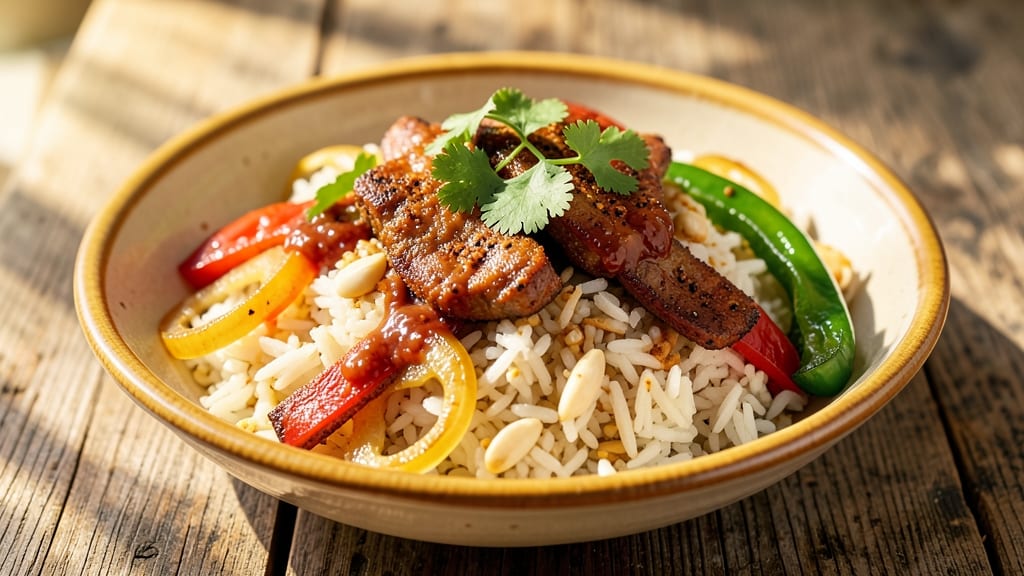
This Cape Verdean rice recipe transforms humble grains into a fragrant, smoky masterpiece that steals every meal. The secret lies in achote (annatto) for its signature golden hue and earthy depth, balanced by coconut milk and chorizo that bring layers of complexity.
I've perfected this dish after years of testing—it's the kind of rice that makes people ask for seconds before they even finish their first plate.
The foundation starts with a sofrito of onions, garlic, and bell peppers cooked until sweet and translucent. Then comes the achote, which infuses the rice with its distinctive color and nutty aroma. Coconut milk adds creamy richness while chorizo introduces smoky, spicy notes that cut through the dish's natural sweetness.
The result is rice that's tender yet firm, with pockets of flavor in every bite.
What makes this recipe truly special is how it elevates simple ingredients into something extraordinary. The achote gives it that unmistakable Cape Verdean touch, while the chorizo and coconut milk create a balance of smoky, sweet, and savory that's impossible to resist.
It's the kind of dish that pairs beautifully with grilled fish, stews, or even on its own as a satisfying centerpiece.
Ready in about 45 minutes, this recipe delivers restaurant-quality results with minimal effort. The key is patience—letting the flavors meld and the rice absorb all that delicious liquid. Trust me, once you try this version, you'll never go back to plain white rice again.
Ingredients for cape verdean rice
Just 13 ingredients transform simple rice into a smoky, coconut-kissed masterpiece—no fancy stuff needed.
| Ingredient | Amount | Notes |
|---|---|---|
| Long-Grain White Rice 🍚 | 1 ½ cups | Uncooked, jasmine or basmati preferred |
| Yellow Onions 🧅 | 1 whole | Diced, medium size |
| Garlic Cloves 🧄 | 4 cloves | Minced, fresh preferred |
| Bell Peppers 🍅 | 1 whole | Red or green, diced |
| Achote (Annatto Seeds) 🌶️ | 1 tbsp | Ground or whole seeds |
| Chorizo 🌭 | 6 oz | Spanish or Mexican style |
| Coconut Milk 🥥 | 1 can | 13.5 oz can, full-fat preferred |
| Vegetable Oil 🫒 | 2 tbsp | Or olive oil for flavor |
| Salt 🧂 | 1 ½ tsp | Kosher or sea salt |
| Ground Black Pepper 🌶️ | ½ tsp | Freshly ground preferred |
| Bay Leaves 🌿 | 2 whole | Dried, removed before serving |
| Fresh Cilantro 🌿 | ¼ cup | Chopped, for garnish |
| Lime 🍋 | 1 whole | Juiced, for serving |
Achote is the game-changer here—Latin markets or specialty stores carry it, but if you can't find it, annatto powder works too. The chorizo? Spanish-style has more fat and flavor, but Mexican works in a pinch. Coconut milk can be full-fat or light, but full-fat gives that creamy richness the dish deserves. For the sofrito, take your time with the onions and peppers—they need to get sweet, not burnt. If you're using whole annatto seeds, toast them lightly first for deeper flavor.
No achote? Turmeric plus a pinch of paprika mimics the color, though it won't taste the same. Short on chorizo? Andouille sausage or smoked paprika adds smokiness. The bell peppers can be any color—red, green, or even yellow. For extra depth, toast the garlic cloves in the oil before mincing. The rice ratio is key: 1.5 cups uncooked for 4 servings gives you that perfect tender-but-firm texture. If using basmati, rinse it first to remove excess starch—prevents gumminess.
This rice reheats like a dream—even better the next day as flavors meld. Store leftovers in the fridge for 4-5 days or freeze for 3 months in airtight containers. Garnish with cilantro and lime juice right before serving—brightens up the smoky flavors. Make a double batch: it disappears fast, especially when paired with grilled fish or stews. The lime juice keeps the rice vibrant, so don't skip it!
Why You'll Love This Recipe
- One-Pot Magic: I swear by this recipe because it’s actually one-pan—no rice cooker, no extra bowls. Just chop the onions and peppers, toast the garlic, add the rice and achote-infused water, and let it simmer. My stove stays clear, my counters stay clear, and somehow, it still tastes like a celebration.
- Golden, Earthy Depth: That achote seeds? They turn the rice a stunning golden hue and add this warm, almost nutty flavor that’s impossible to resist. Honestly, I’ve tried store-bought seasoning packets, but nothing beats the real deal—crispy edges, tender rice, and a taste that lingers like a good memory.
- Weeknight Workhorse: This rice is my go-to for lazy dinners, potlucks, or when I need to feed a crowd without stress. Serve it with grilled fish, shredded chicken, or even just a fried egg on top—it’s that adaptable. (Yes, even on a Tuesday night when I’m too tired to think.)
- Leftovers That Don’t Suck: Between us, most rice dishes turn into sad, dry mush after Day 1. Not this one. The achote keeps it vibrant, and the peppers add a little brightness that makes it taste fresh for days. I’ve reheated portions for lunch three times and never once regretted it. Budget-friendly? Absolutely. Time-saving? Even better.
Step-by-step instructions for Cape Verdean rice
Here's how to make this vibrant, smoky dish with rich coconut and chorizo flavors.
Toast the Chorizo and Aromatics
Heat the 2 tablespoons vegetable oil in a large skillet over medium-high heat. Add the 6 ounces chorizo and cook for 4-5 minutes, stirring frequently, until it begins to release its oils and develop a golden crust. This step is crucial—it renders the fat and builds deep flavor.
Once the chorizo is nicely browned, push it to one side of the pan. Add the diced yellow onions and cook for 3-4 minutes until they soften and start to caramelize. Add the minced garlic cloves and diced bell peppers, then stir for another 2 minutes until the garlic becomes fragrant and the peppers begin to soften. Here's where the magic starts—you'll smell the chorizo's smoky aroma mingling with the sweetness of the peppers and onions.
Bloom the Achote and Season the Rice
Reduce the heat to medium and add the 1 tablespoon achote (annatto seeds). Stir constantly for 1-2 minutes until the seeds darken and release their vibrant color. This is what gives the rice its signature golden hue—don't skip this step or you'll miss the authentic Cape Verdean touch.
Add the 1.5 cups long-grain white rice to the pan and stir to coat it evenly in the chorizo fat and achote. Cook for 1-2 minutes until the rice grains become translucent at the edges. This toasting step prevents the rice from sticking and ensures each grain gets that beautiful golden color. Now add the 1.5 teaspoons salt and 0.5 teaspoon ground black pepper, mixing well to distribute the seasoning evenly.
Cook the Rice with Coconut Milk
Pour in the 1 can coconut milk, making sure to scrape up any browned bits from the bottom of the pan. Add 2 cups water (this maintains the proper rice-to-liquid ratio) and the 2 whole bay leaves. Stir gently to combine, then bring the mixture to a gentle boil.
Once boiling, reduce the heat to low and cover the skillet with a tight-fitting lid. Let the rice simmer for 15 minutes without disturbing it. This is where patience pays off—the rice needs undisturbed cooking time to absorb the coconut milk and develop its characteristic texture. You'll know it's ready when the liquid has been absorbed and the rice is tender but still slightly firm to the bite.
Rest and Garnish
Remove the skillet from heat and let it sit covered for 5 minutes. This resting period allows the rice to finish steaming and the flavors to meld together. After resting, fluff the rice gently with a fork, being careful not to crush the grains. Remove and discard the bay leaves—they've done their job.
Transfer the rice to a serving dish and garnish with the 0.25 cup chopped fresh cilantro. Squeeze the juice from the whole lime over the top and serve immediately. The bright citrus cuts through the richness of the coconut and chorizo, balancing all the flavors perfectly. Each bite should deliver a harmonious blend of smoky, creamy, and slightly spicy notes that define Cape Verdean cuisine.
Pro Tips For Making Cape Verdean Rice
- CRUSH THE ONIONS: Dice them small—think ¼-inch pieces, not rough chunks. I used to leave them big, and they’d sit like rocks in the rice. Fine texture means even cooking and flavor in every bite.
- TOAST THE RICE FIRST: Heat your oil until it shimmers, then add the rice and stir for 2 minutes before adding liquid. This step locks in flavor and prevents mushy grains—trust me, it’s worth the extra 60 seconds.
- SOAK THE ANNATTO: Toss the achote seeds in ½ cup hot water for 10 minutes before straining. Dry seeds? They’ll just tint the rice weakly. Soaked seeds release their golden magic fully—no sad pale rice here.
- DON’T SKIP THE PEPPER SEEDS: Remove the cores and seeds from bell peppers before chopping. Left in, they’ll make your rice bitter. It’s a small step, but it keeps the dish bright and clean-tasting.
Regional styles of this dish
Island-Inspired Sofrito
The foundation of Cape Verdean rice starts with a sofrito that's sweeter and more aromatic than most. On the island of São Vicente, they often use red bell peppers for their natural sweetness, but green works too.
Caramelize the onions until they're golden and translucent—this takes about 6-7 minutes—then add the garlic and peppers. The key is patience: let them cook until the garlic is fragrant but not burnt, and the peppers soften just enough to release their juices. 🌶️
In Santo Antão, some cooks add a pinch of ground cumin to the sofrito for warmth, while others keep it simple with just onions, garlic, and peppers. I prefer the classic approach, but if you love cumin's earthy depth, add ¼ teaspoon during the onion cooking stage.
The sofrito should coat the back of your spoon with a glossy, sweet-savory sauce before you even add the rice.
Achote Variations
Achote (annatto) is non-negotiable for authentic color and flavor, but how you use it matters. In Brava, they often toast the whole seeds in a dry pan until fragrant before grinding them into the oil. This adds a nutty depth that ground achote can't match.
If you're using seeds, toast 1 tablespoon for 1-2 minutes until aromatic, then grind them with a mortar and pestle or coffee grinder before adding to the oil. 🌱
On Boa Vista, some cooks mix achote with a pinch of ground turmeric for extra vibrancy, though purists argue this alters the flavor. I've tested both methods, and while the color is brighter with turmeric, the pure achote taste is unmatched.
For the best results, use 100% achote—it's worth seeking out at Latin markets or specialty stores like Penzeys Spices.
Protein Swaps
The chorizo in this recipe brings smoky depth, but Cape Verdean rice is famously versatile. On Santiago, they often use salted cod (bacalhau) instead, which adds a briny contrast to the coconut milk.
If you try this, soak 4 ounces of salted cod in water for 1 hour to remove excess salt, then crumble it into the rice during the final 5 minutes of cooking. 🐟
For a vegetarian version, swap the chorizo for smoked paprika and add ½ cup diced tomatoes to the sofrito. Boost umami with 1 teaspoon soy sauce or ½ teaspoon fish sauce—just a little goes a long way.
The tomatoes add acidity that balances the coconut's richness, while the paprika mimics the smokiness of chorizo. Garnish with extra lime to keep it bright.
Coconut Milk Secrets
Full-fat coconut milk is a must for that creamy texture, but don't skimp on the brand. Thai Kitchen or Goya are reliable, but for richer flavor, try Aroy-D or Harmless Harvest.
The difference isn't just fat content—it's the depth of coconut flavor. If you're using light coconut milk, add 1 tablespoon heavy cream to compensate for the lack of richness. 🥥
Some Cape Verdean cooks reduce their coconut milk by half before adding it to the rice, creating a more concentrated, velvety sauce.
To do this, simmer 1 can of coconut milk in a saucepan over medium heat for 10 minutes, stirring occasionally, until it reduces to about ½ cup. This intensifies the flavor and gives the rice a glossier finish. Just be careful not to burn it!
Regional Rice Ratios
On São Vicente, they use a 1:1.5 rice-to-liquid ratio (1.5 cups rice to 2.25 cups liquid), while on Fogo, the ratio leans toward 1:2 for a softer texture.
The recipe here uses 1.5 cups rice to 3 cups liquid (coconut milk + water), which gives a tender yet firm bite—perfect for soaking up sauces or stews. 🍚
If you prefer your rice extra fluffy, increase the water by ¼ cup and simmer for 2-3 minutes less. For a firmer texture, reduce the water by ¼ cup and simmer for 2-3 minutes longer.
The key is always to let the rice rest covered for 5 minutes after cooking—this ensures even moisture distribution and prevents mushiness.
Nutrition facts
Frequently asked questions
What makes Cape Verdean rice different from other coconut rice dishes?
The achote (annatto) is the game-changer—it gives this rice its signature golden hue and nutty, slightly peppery flavor that's unmatched in other coconut rice dishes. The combination of smoky chorizo, sweet bell peppers, and briny coconut milk creates a complex flavor profile that's both rich and balanced, unlike the simpler coconut-jasmine rice you might find in Thai or Caribbean cuisines.
Can I substitute achote with something else if I can't find it?
For color, turmeric plus a pinch of paprika works in a pinch, but it won't replicate achote's unique flavor. If you want the best results, seek out annatto powder or seeds at Latin markets or specialty stores. The flavor difference is significant—achote adds a subtle earthiness that turmeric can't match, even with added spices.
How do I adjust this recipe for a larger group?
Double or triple all ingredients while keeping the same ratios. Use a larger pot with a 2:1 length-to-width ratio to prevent boiling over. For 8 servings, use 3 cups rice, 2 cans coconut milk, and 4 cups water. The key is maintaining the 1.5:3 rice-to-liquid ratio to ensure even cooking.
Why does my Cape Verdean rice turn out mushy?
Mushy rice usually means either too much liquid or not enough resting time. Use the exact 1.5:3 rice-to-liquid ratio and simmer uncovered for 1-2 minutes after the liquid absorbs to evaporate excess moisture. Always let the rice rest covered for 5 minutes after cooking—this crucial step prevents mushiness by redistributing steam evenly.
What's the best way to reheat leftover Cape Verdean rice?
Reheat in a skillet over low-medium heat with 1-2 tablespoons water or coconut milk to restore moisture. Stir frequently for 3-4 minutes until warmed through. For microwave reheating, cover with a damp paper towel and heat in 30-second intervals, stirring between each. The rice reheats even better the next day as flavors meld!