
Side Dishes
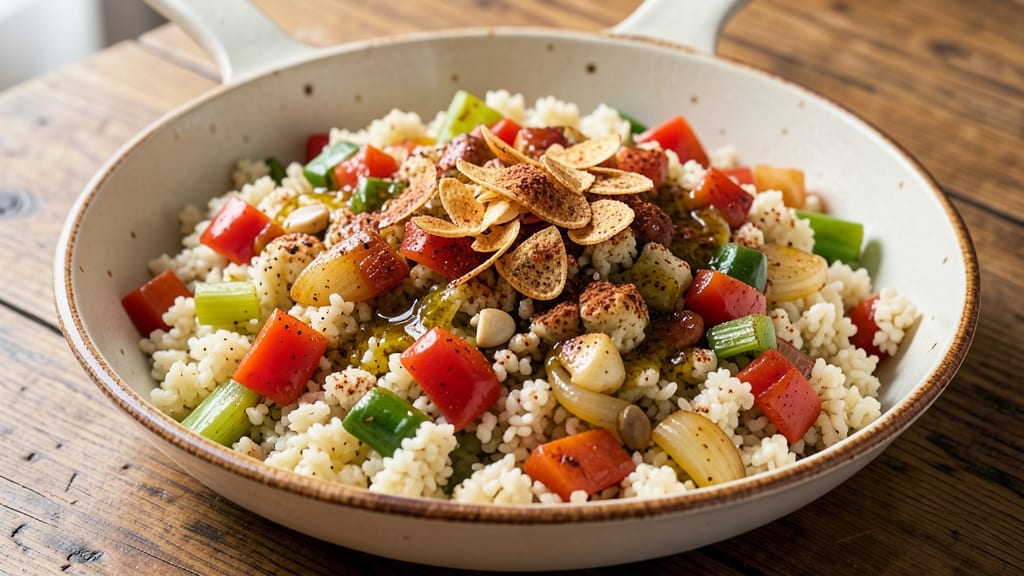
This cauliflower dirty rice recipe transforms a classic Southern staple into a low-carb, vegetarian powerhouse that still delivers bold, spiced flavors and satisfying texture. The secret lies in perfectly cooked cauliflower rice—crisp at the edges, tender in the center—mimicking the hearty bite of traditional dirty rice while keeping it guilt-free.
I developed this version after craving the smoky, savory depth of dirty rice but needing a lighter option that still felt filling enough to stand as a main dish.
The magic happens in the spices: a blend of smoked paprika, garlic powder, and cayenne creates that signature dirty rice warmth, while sautéed bell peppers, onions, and celery build layers of flavor.
For extra heartiness, stir in black beans or vegan sausage, but the cauliflower base alone holds up beautifully—crisp, flavorful, and packed with nutrients. This isn’t just a side; it’s a complete, satisfying meal that proves low-carb doesn’t mean missing out on bold, comforting flavors.
Ingredients for cauliflower dirty rice
Transform traditional dirty rice into a low-carb, vegetarian masterpiece with these carefully chosen ingredients.
| Ingredient | Amount | Notes |
|---|---|---|
| Fresh Cauliflower 🥬 | 1 ½ lb | Riced or finely chopped |
| Bell Peppers 🌶️ | 1 ½ cups | Diced, mixed colors preferred |
| Yellow Onion 🧅 | 1 whole | Finely diced |
| Celery Stalks 🥬 | 3 whole | Finely diced, trimmed |
| Garlic Cloves 🧄 | 4 cloves | Minced, fresh preferred |
| Smoked Paprika 🌶️ | 2 tsp | For authentic smoky flavor |
| Garlic Powder 🧄 | 1 tsp | Enhances depth |
| Onion Powder 🧅 | 1 tsp | Balances flavors |
| Ground Cumin 🌿 | 1 tsp | Toasted for warmth |
| Cayenne Pepper 🔥 | ½ tsp | Adjust for heat preference |
| Black Beans 🌱 | 1 cup | Drained and rinsed |
| Extra-Virgin Olive Oil 🫒 | ½ cup | High-quality for sautéing |
| Vegetable Broth 💧 | 1 ½ cups | Low-sodium preferred |
| Lemon Juice 🍋 | 1 tbsp | Freshly squeezed |
| Salt 🧂 | 1 ½ tsp | Diamond Crystal preferred |
| Black Pepper 🌶️ | ½ tsp | Freshly ground |
The cauliflower is the star here—opt for a fresh head with tight florets for the best texture. Trader Joe's or local farmers markets often carry the most flavorful varieties, but any grocery store's fresh cauliflower works if it's firm and vibrant. For riced cauliflower, use a box grater or food processor for consistent texture. The bell peppers should be crisp, not soft, and a mix of colors adds visual appeal. Penzeys or bulk spice sections offer high-quality smoked paprika, which is essential for that authentic dirty rice flavor profile. Pre-minced garlic saves time, but fresh minced garlic delivers superior flavor—worth the extra 30 seconds if you're feeling ambitious.
No smoked paprika? Substitute 1 tsp regular paprika plus 0.25 tsp liquid smoke for depth. For extra protein, add 0.5 cup cooked quinoa or diced vegan sausage. Black beans can be swapped for lentils or chickpeas if preferred. The vegetable broth should be low-sodium to control flavor balance—Imagine or Pacific Foods are reliable brands. If using canned beans, rinse thoroughly to remove excess sodium. The extra-virgin olive oil matters here; California-based brands like Corto offer excellent quality at a reasonable price point. For a smokier finish, add a dash of liquid smoke or a pinch of chipotle powder.
Store cooked cauliflower rice in an airtight container for up to 5 days in the refrigerator. For longer storage, freeze portions in single-serving containers for up to 3 months. Reheat gently with a splash of vegetable broth to restore moisture. This dish reheats beautifully—even better the next day as flavors meld. For meal prep, double the recipe and portion into containers for easy lunches. The spices stay potent for 6 months in a sealed container away from light, so buy them in small quantities if you won't use them all at once.
Why You'll Love This Recipe
- One-Pan Magic: I swear by this—no chopping boards, no extra pots. Toss everything (cauliflower florets, peppers, onion, celery) into one skillet, and let the garlic sizzle into oblivion. That’s it. Cleanup is basically wiping a spatula.
- Savory Crunch: The cauliflower soaks up the smoky flavor while staying tender, and the bell peppers add this bright, fresh bite. Honestly, the first time I made it, I ate it straight from the pan—no shame.
- Budget Win: Fresh cauliflower and veggies stretch for days, and the flavors only get deeper. I’ve had this last for me for four lunches, and it’s still just as good reheated. Plus, no one will guess it’s secretly good for your wallet.
Step-by-step instructions for cauliflower dirty rice
Transforming cauliflower into a flavorful, low-carb alternative to traditional dirty rice is all about technique and patience.
Prep and Sauté the Aromatics
Heat the 0.5 cup extra-virgin olive oil in a large skillet over medium heat. Add the 1 whole finely diced yellow onion, 3 whole finely diced celery stalks, and 1.5 cups diced bell peppers. Cook for 8-10 minutes, stirring occasionally, until the vegetables soften and begin to caramelize—this builds deep, sweet flavors that anchor the dish.
Add the 4 cloves minced garlic and cook for 30 seconds until fragrant. Here's the thing—don't let the garlic burn. It should smell like a garden, not a charred campfire. At this point, stir in the 2 tsp smoked paprika, 1 tsp garlic powder, 1 tsp onion powder, 1 tsp ground cumin, 0.5 tsp cayenne pepper, 1.5 tsp salt, and 0.5 tsp black pepper. Cook for 1 minute to toast the spices, releasing their aromatic oils that will infuse the entire dish.
Cook the Cauliflower and Black Beans
Add the 1.5 lb riced or finely chopped fresh cauliflower to the skillet and stir to coat evenly in the spice mixture. Cook for 5-7 minutes, stirring occasionally, until the cauliflower begins to soften and the edges turn slightly golden. This step is crucial—don't rush it. The cauliflower needs time to develop texture and absorb all those beautiful spices.
Push the cauliflower to one side of the skillet and add the 1 cup drained and rinsed black beans to the empty space. Stir them gently to warm through for 2-3 minutes, then mix everything together. The beans will help bind the dish and add hearty texture. If the mixture looks dry at this stage, add ¼ cup vegetable broth to maintain moisture—this prevents the cauliflower from drying out during cooking.
Simmer and Season
Pour in the 1.5 cups vegetable broth and stir well to combine. Bring the mixture to a gentle simmer over medium-low heat, then reduce heat to maintain a steady, low bubble. Cover the skillet and let it cook for 10-12 minutes, stirring occasionally. You're looking for the cauliflower to be tender but still hold its shape—it should be fork-tender with just a slight bite.
After 10 minutes, remove the lid and cook uncovered for another 2-3 minutes to allow any excess moisture to evaporate. This final step ensures the cauliflower has a satisfying texture rather than being mushy. Taste and adjust seasoning if needed—sometimes the spices need a little more salt or a touch of lemon to balance the flavors.
Finish with Lemon and Rest
Stir in the 1 tbsp freshly squeezed lemon juice and cook for 1-2 minutes to brighten the dish. The acidity cuts through the richness of the spices and olive oil, adding a refreshing contrast. Here's where it gets important—remove the skillet from heat and let the cauliflower dirty rice rest for 5 minutes. This allows the flavors to meld and the cauliflower to absorb all the delicious juices.
Serve immediately while warm, garnished with extra black pepper if desired. The result should be a hearty, flavorful dish with the perfect texture—creamy yet slightly crispy cauliflower, tender black beans, and a depth of spice that makes every bite satisfying. This low-carb twist on dirty rice delivers all the comfort of the classic while keeping it light and nutritious.
Pro Tips For Making Cauliflower Dirty Rice
- CHOP CAULIFLOWER SMALL: Cut the cauliflower into ½-inch florets—no bigger, no smaller. I used to leave chunks too large, and they’d turn mushy while the edges stayed raw. Small pieces also mimic rice texture better, so they absorb the flavors like a sponge.
- SWEAT ONIONS LOW AND LONG: Cook the onions until they’re translucent and just starting to brown—about 8-10 minutes on medium-low. Rushing this step makes the whole dish taste raw and harsh. (Yes, even if you’re impatient like me.)
- DON’T SKIP THE GARLIC TOAST: Fry the garlic in the rendered fat from the cauliflower until it’s golden, not just fragrant. That extra minute of browning adds a nutty depth that raw garlic can’t match. I learned this the hard way—skipping it just tastes… sad.
- USE A SPLASH OF BROTH: Deglaze the pan with ¼ cup of broth or water after browning the veggies. It pulls up all the fond (those sticky bits) and keeps the cauliflower from drying out. (Your future self will thank you.)
Storing and reheating this recipe
Refrigerator Storage
Store your cooked cauliflower dirty rice in an airtight container with a tight-fitting lid for up to 5 days in the refrigerator. The flavors actually deepen overnight as the spices meld together—this is why it reheats so beautifully.
I always portion mine into glass Pyrex containers because they maintain freshness longer than plastic and are microwave-safe for quick reheats. 💫
Freezer-Friendly Tips
For longer storage, freeze portions in single-serving containers (like quart-sized Ziploc bags) for up to 3 months. Leave 1 inch of headspace to prevent expansion cracks, and squeeze out excess air to avoid freezer burn.
Label with the date—trust me, you’ll forget! When ready to eat, thaw overnight in the fridge for best texture. 🥶
Stovetop Reheating
My preferred method is stovetop reheating because it restores that perfect crisp-tender texture. Pour the rice into a skillet over medium-low heat and add 2-3 tablespoons of vegetable broth to prevent drying.
Stir frequently for 5-7 minutes until heated through—this keeps the cauliflower from turning mushy. A splash of lemon juice at the end brightens flavors like magic. 🔥
Microwave Revival
For quick meals, microwave individual portions on 50% power for 2-3 minutes, stirring halfway. Cover with a damp paper towel to trap moisture and prevent drying.
If it looks dry, add 1 tablespoon of broth and microwave another 30 seconds. The key is low power—high heat makes cauliflower rubbery. 💡
Meal Prep Strategy
Double the recipe and portion into meal prep containers for easy lunches. Store components separately (cauliflower + beans) if cooking fresh daily—this keeps the cauliflower crispier. Reheat only what you’ll eat, and save the rest for the next day.
I keep a batch in my fridge for 3-4 days of effortless lunches. ✨
Texture Preservation
If reheated rice loses its crispness, don’t panic! Spread it on a baking sheet and broil for 2-3 minutes at 375°F to restore texture. This works especially well for leftovers. For extra flavor, sprinkle with 1 tsp smoked paprika before reheating—it’s like a flavor reset button. 🌶️
Nutrition facts
Frequently asked questions
Can I use pre-riced cauliflower for this recipe?
Yes, but fresh riced cauliflower gives the best texture! Pre-riced cauliflower often releases more moisture, which can make your dish soggy. If using it, squeeze out excess water with a clean kitchen towel before cooking. For even better results, pulse fresh cauliflower in a food processor for 2-3 seconds—just until it resembles rice grains.
How do I make this recipe spicier?
Start by doubling the cayenne pepper to 1 tsp and adding ½ tsp red pepper flakes during the sauté step. For extra heat, stir in 1 tbsp hot sauce or a dash of chipotle powder with the lemon juice at the end. If you love smoky heat, add ½ tsp smoked sea salt—it amplifies the paprika's warmth.
What's the best way to add protein to this dish?
Black beans provide fiber, but you can also stir in ½ cup cooked quinoa or ½ lb diced vegan sausage (like Beyond Meat or Field Roast) during the final 2-3 minutes of cooking. For a smoky touch, add ½ cup crumbled tempeh that's been pan-fried until crispy. Cook any added protein separately first to avoid overcooking the cauliflower.
Why did my cauliflower turn mushy?
Mushy cauliflower usually happens from overcooking or too much liquid. Always cook on medium-low heat and uncover for the last 2-3 minutes to evaporate excess moisture. If using a skillet that's too small, the cauliflower steams instead of sautéing. For best results, use a 12-inch skillet and avoid stirring constantly—let it develop a light crust.
Can I make this in an Instant Pot?
Yes! Sauté the onions, peppers, and spices first, then add the cauliflower, beans, and broth. Cook on high pressure for 3 minutes, then quick-release. Finish with lemon juice and let it sit covered for 5 minutes before serving. The pressure cooker keeps the cauliflower tender without overcooking it—just stir in extra lemon juice if it needs brightness.