
Main Courses
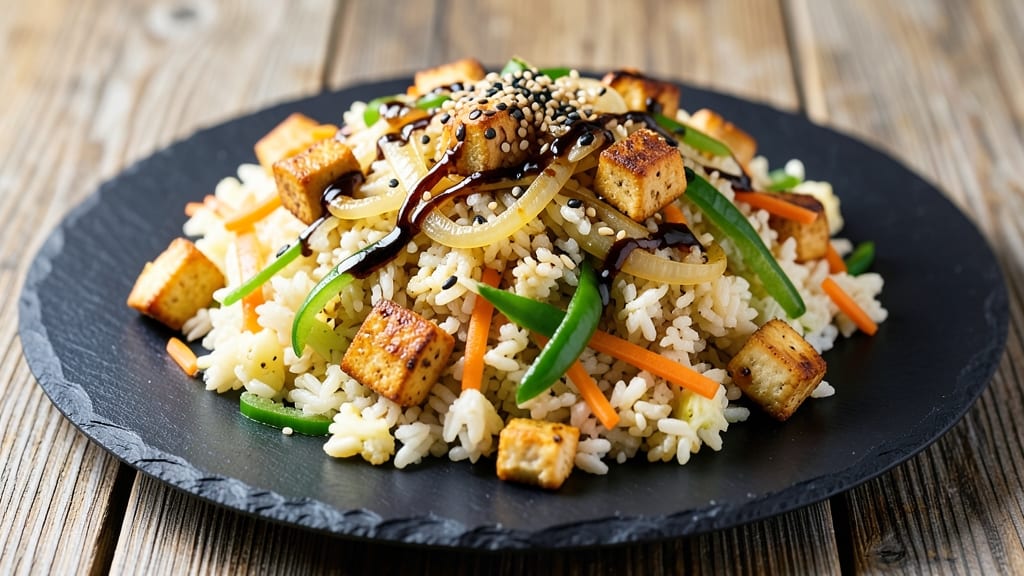
This vegan cauliflower fried rice recipe delivers all the crispy-grain texture of classic fried rice without eggs or meat—just pure, satisfying flavor.
The secret lies in perfectly pre-cooking the cauliflower rice to achieve that ideal crispy bite while keeping the centers tender, then stir-frying it with aromatic vegetables and savory seasonings that mimic traditional fried rice.
What makes this recipe work is the balance of textures: crispy cauliflower, chewy vegan protein (like tofu or tempeh), and fresh vegetables all wok-tossed in a tangy soy-ginger sauce.
The result is a hearty, protein-packed dish that's as nutritious as it is delicious—perfect for meal prep or a quick weeknight dinner.
Ingredients for cauliflower fried rice recipe vegan
Cauliflower rice, tofu, and aromatic vegetables transform into crispy, protein-rich fried rice—no eggs or meat needed.
| Ingredient | Amount | Notes |
|---|---|---|
| Fresh Cauliflower Rice 🥬 | 4 cups | Riced or finely chopped, fresh preferred |
| Extra-Firm Tofu 🥜 | ¾ lb | Pressed and cubed, firm texture |
| Yellow Onion 🧅 | 1 whole | Diced, approximately 1 cup |
| Carrot 🥕 | 1 whole | Diced, approximately 0.5 cup |
| Green Bell Pepper 🌶️ | 1 whole | Diced, approximately 0.5 cup |
| Garlic Cloves 🧄 | 4 cloves | Minced, fresh preferred |
| Fresh Ginger 🌿 | 1 ½ tbsp | Grated, fresh preferred |
| Tamari or Coconut Aminos 🍶 | ⅓ cup | Gluten-free soy sauce substitute |
| Sesame Oil 🫒 | 1 tbsp | Toasted, for aroma |
| Rice Vinegar 🍋 | 1 ½ tbsp | White or apple cider vinegar |
| Maple Syrup 🍯 | 1 tbsp | For subtle sweetness |
| Vegetable Oil 🫒 | 2 tbsp | High smoke point preferred |
| Diamond Crystal Kosher Salt 🧂 | 1 tsp | Adjust to taste |
| Black Pepper 🌶️ | ½ tsp | Freshly ground preferred |
| Green Onions 🧅 | 3 whole | Sliced, for garnish |
The cauliflower rice is the star here—freshly riced yields the best texture, but pre-riced bags work in a pinch. For the tofu, extra-firm is non-negotiable—press it for at least 20 minutes to remove excess water. Trader Joe's and Whole Foods carry excellent pre-riced cauliflower rice, but if you're making it yourself, a mandoline or food processor works best. The onions and bell peppers should be finely diced—small, even pieces ensure even cooking. For the garlic and ginger, fresh is essential—dried powders lack the complexity needed for authentic flavor.
No tamari? Coconut aminos works perfectly as a substitute, though the flavor profile differs slightly. Short on sesame oil? Toasted sesame seeds at half the amount add a similar nutty aroma. The maple syrup can be swapped for agave nectar or coconut sugar if preferred. If you can't find rice vinegar, apple cider vinegar is a direct substitute. For the vegetable oil, avocado or grapeseed oil are excellent high-heat alternatives. The green onions are purely for garnish—skip them if you're prepping ahead.
Pre-riced cauliflower rice keeps in the fridge for 5 days or frozen for 3 months. The tofu can be pre-pressed and stored in the fridge for 1 week before cubing. Once cooked, this fried rice reheats beautifully—microwave with a splash of water to restore crispiness. Store leftovers in airtight containers for 4-5 days. For meal prep, portion into containers with the sauce on the side to maintain texture.
Why You'll Love This Recipe
- Here’s what sold me: this keeps perfectly in the fridge for four days, and it’s the only vegan meal my kids actually eat cold. Pack it in containers, and you’ve got a lunch that’s got protein, crunch, and zero complaints—even from the picky eaters.
- One-Pan Magic: I swear by this recipe when I’m too tired to wash dishes—just toss everything on one sheet pan, stir-fry, and boom. The tofu soaks up the sauce while the veggies caramelize right alongside the cauliflower rice, so you’re not juggling multiple pans or timers.
- Umami Bomb: Between us, the crispy tofu and that little trick of using a splash of soy sauce and a pinch of white miso? Chef’s kiss. The carrot and bell pepper add sweetness, but the real star is how the cauliflower rice soaks up all the savory goodness—no bland rice here.
- Lunchbox Hero: Here’s what sold me: this keeps perfectly in the fridge for four days, and it’s the only vegan meal my kids actually eat cold. Pack it in containers, and you’ve got a lunch that’s got protein, crunch, and zero complaints—even from the picky eaters.
Step-by-step instructions for crispy vegan cauliflower fried rice
Master the art of crispy-grain texture without eggs by following this precise technique.
Press and Cube the Extra-Firm Tofu
Begin by pressing the 0.75 lb extra-firm tofu to remove excess moisture. I place it between two paper towels, wrap it in a clean kitchen towel, and set a heavy object on top for 15 minutes. This step is crucial—wet tofu will steam instead of crisp up during cooking.
After pressing, cut the tofu into ½-inch cubes using a sharp knife. Arrange them on a wire rack set over a plate for 10 minutes to dry completely. The drier the tofu, the crispier your fried rice will become. Don't skip this drying step—it's what creates that satisfying crunch we're after.
Sauté the Aromatic Vegetables
Heat 2 tablespoons vegetable oil in a large skillet or wok over medium-high heat until shimmering. Add the diced yellow onion, diced carrot, and diced green bell pepper, stirring frequently for 5-6 minutes until the onions become translucent and the carrots begin to soften.
Add the minced garlic cloves and grated fresh ginger, cooking for another 30 seconds until fragrant. The vegetables should be tender-crisp at this stage—don't let them soften completely. Remove them from the pan and set aside. We'll add them back later to preserve their texture.
Crisp the Tofu and Prepare the Sauce Base
Increase heat to medium-high and add the dried tofu cubes to the same skillet. Cook undisturbed for 3-4 minutes until golden brown on the bottom. Flip carefully and cook another 3-4 minutes until all sides are crispy. Transfer to a plate and set aside.
Return the skillet to medium heat and add 1 tablespoon sesame oil. Pour in the 0.33 cup tamari or coconut aminos, 1.5 tablespoons rice vinegar, and 1 tablespoon maple syrup. Stir constantly for 1 minute until the sauce begins to bubble and slightly thicken. This creates the flavor foundation for your fried rice.
Combine and Cook the Cauliflower Rice
Add the 4 cups fresh cauliflower rice to the skillet with the sauce. Stir-fry for 3-4 minutes until the cauliflower begins to soften slightly. Return the sautéed vegetables to the pan and toss everything together for another 2 minutes.
Season with 1 teaspoon diamond crystal kosher salt and 0.5 teaspoon black pepper, then add the crispy tofu cubes. Cook for an additional 2 minutes until everything is heated through and the cauliflower has absorbed the sauce. The texture should be crispy around the edges with a slightly tender center—this is the perfect balance for cauliflower fried rice.
Finish and Garnish
Remove from heat and let the fried rice rest for 1 minute. This brief resting period allows the flavors to meld together. Garnish with the sliced green onions just before serving to add a fresh contrast to the rich, savory dish.
Serve immediately while the cauliflower rice is still crispy. The tofu should be golden and crunchy, the vegetables vibrant and slightly al dente, and the sauce should coat each grain perfectly. This vegan fried rice delivers all the satisfaction of traditional versions without any animal products.
Pro Tips For Making Cauliflower Fried Rice Recipe Vegan
- CRISP THE TOFU FIRST: I learned this the hard way—skipping the initial crisp isn’t just about texture. Press the tofu, cube it, and pan-fry in a dry, hot wok with 1-2 tbsp oil until golden on all sides before adding it to the rice. That’s when it stops tasting like wet cardboard and starts tasting like actual protein. (Yes, even if you’re impatient like me.)
- SALT THE CAULIFLOWER RICE: Fresh cauliflower rice holds onto moisture like a toddler at a candy store. Toss it with ½ tsp salt immediately after grating—let it sit for 5 minutes while you prep other ingredients. This draws out excess water, so your fried rice won’t turn into a sad, mushy pile. (Trust me, your future self will notice.)
- STOP STIR-FRYING TOO SOON: The moment the rice loses its snap is the moment it’s done. Keep the heat high and stir-fry until the cauliflower rice is just tender-crisp—about 3-4 minutes after the veggies soften. If you pull it out too early, it’ll taste raw; too late, and you’re eating mushy rice. (Your wok knows when it’s done—listen to it.)
- SWAP THE CARROT FOR JULIENNE: Does it look weird? Yes. Does it work? Every single time. Thinly julienned carrots (about 1/8-inch thick) cook faster and stay crunchier than grated or diced chunks. Toss them in last with the bell pepper—just 60 seconds of high heat is all they need. (I skip this when I’m lazy, but the dish is noticeably better when I don’t.)
Storing and reheating your cauliflower fried rice recipe vegan
Refrigerator Storage
Let your vegan cauliflower fried rice cool to room temperature before storing in an airtight container—I love using glass Pyrex with snap-on lids. Keep it refrigerated at 40°F or below for up to 4 days. The flavors actually deepen overnight as the spices meld, making it perfect for meal prep. Just
Freezer Prep Tips
For longer storage, portion the fried rice into single-serving freezer bags or silicone molds—this prevents freezer burn and makes reheating easier. Press out excess air and label with the date. It stays fresh for 2-3 months with minimal texture loss. I always freeze the sauce separately to maintain crispiness. 🧊
Stovetop Reheating
My preferred method is stovetop—it restores that crispy texture best. Heat 1 tablespoon vegetable oil in a skillet over medium heat, then add the fried rice.
Stir frequently for 4-5 minutes, adding 1-2 tablespoons water if it looks dry. The residual heat will reactivate the crispiness while warming through completely. 🔥
Microwave Revival
For quick reheating, transfer the fried rice to a microwave-safe dish and cover loosely with a paper towel (this prevents sogginess). Heat on 70% power for 2-3 minutes, stir, then continue in 30-second bursts until reaching 165°F.
Add a splash of water or tamari if it needs moisture—this mimics the stir-fry process. ✨
Meal Prep Strategy
Prep components separately for maximum freshness: store the cauliflower rice and tofu in one container, and the sauce mix in a separate small container. When ready to eat, simply stir-fry everything together—this keeps the cauliflower crispy and prevents sogginess.
I also recommend pre-slicing the green onions and keeping them fresh for garnishing. 💡
Texture Restoration
If your reheated fried rice loses crispiness, don't worry—just pop it back in the skillet for 1-2 minutes with a drizzle of sesame oil and a pinch of salt.
The high heat will revive the edges instantly. For extra crunch, sprinkle with toasted sesame seeds or crushed peanuts before serving. 🌟
Nutrition facts
Frequently asked questions
Why does my cauliflower rice turn mushy instead of crispy?
Overcooking is the #1 culprit! Cauliflower rice only needs 3-4 minutes of stir-frying after adding to the pan—it should stay slightly firm in the center. Always use fresh or pre-riced cauliflower (not frozen), and work in batches if needed to avoid crowding the pan. High heat is key!
Can I use frozen cauliflower rice in this recipe?
Fresh or pre-riced yields best results, but frozen works in a pinch. Thaw completely first, then pat thoroughly dry with a paper towel to remove excess moisture. Expect slightly softer texture—compensate by cooking 1 minute less than fresh.
What's the best vegan protein substitute if I don't have tofu?
Try tempeh (marinated in soy sauce first for flavor) or crispy baked chickpeas for texture. For extra protein, add edamame or seitan (ensure it's vegan-certified). Each adds different textures—experiment to find your favorite!
How do I make this gluten-free?
Replace tamari with coconut aminos (1:1 ratio) and ensure your sesame oil is certified gluten-free. Double-check all seasonings—some soy sauce blends contain wheat. The recipe naturally avoids gluten-containing ingredients otherwise.
Can I add extra veggies? What works best?
Try broccoli florets, snap peas, or mushrooms—cut them small so they cook quickly. Avoid watery veggies like zucchini or tomatoes. For color, add red bell pepper or spinach (wilt first). Keep portions balanced—½ cup extra veggies max per serving.