
Sauces & Condiments
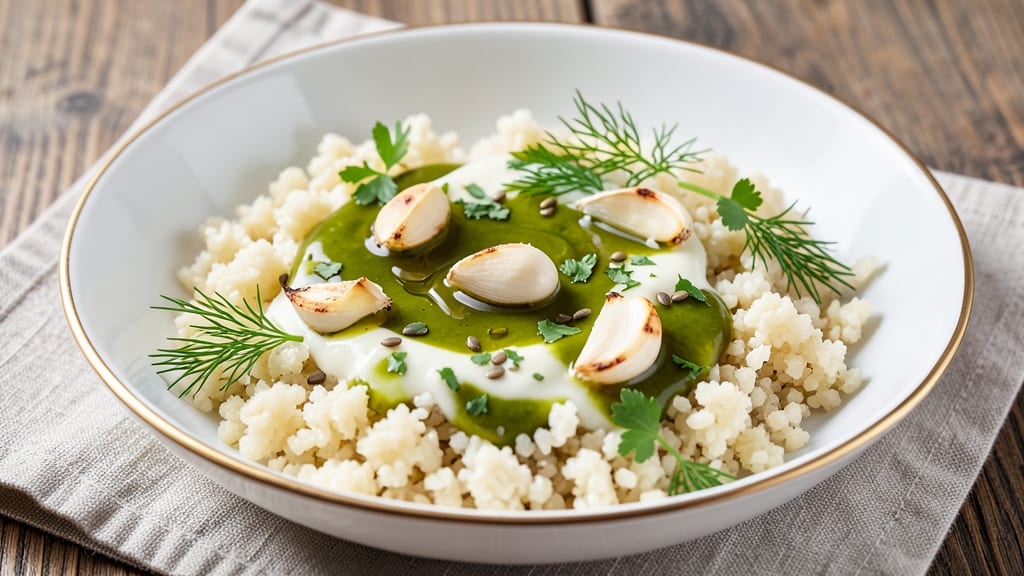
This cauliflower rice dressing recipe transforms low-carb meals with a creamy, herb-infused sauce that mimics traditional creamy dressings without the carbs. 💛 The secret lies in blending cauliflower rice with tangy vinegar, fresh herbs, and a touch of garlic for depth, creating a versatile topping for salads, bowls, and stir-fries that stays cohesive and delicious.
Perfect for those watching their carb intake, this dressing delivers a light yet satisfying texture with every drizzle. The emulsification technique ensures it clings beautifully to vegetables and proteins, making it a game-changer for health-conscious cooks who still crave rich, flavorful meals.
Ready in just 10 minutes, it’s ideal for meal prep or last-minute dinners.
Ingredients for cauliflower rice dressing
Eleven ingredients blend into a velvety, low-carb dressing that elevates every dish without the guilt.
| Ingredient | Amount | Notes |
|---|---|---|
| Fresh Cauliflower Rice 🥬 | 2 cups | Freshly grated or store-bought riced |
| Extra-Virgin Olive Oil 🫒 | ½ cup | High-quality, fruity variety preferred |
| White Wine Vinegar 🍷 | 3 tbsp | Dry white wine vinegar works best |
| Fresh Garlic Cloves 🧄 | 3 cloves | Minced for optimal flavor distribution |
| Fresh Dill Leaves 🌿 | ⅓ cup | Finely chopped, stems removed |
| Fresh Parsley Leaves 🌿 | ¼ cup | Finely chopped, flat-leaf preferred |
| Raw Cashews 🥜 | ¼ cup | Soaked in hot water for 15 minutes |
| Lemon Juice 🍋 | 2 tbsp | Freshly squeezed, seedless |
| Diamond Crystal Kosher Salt 🧂 | ½ tsp | Adjust to taste after blending |
| Black Peppercorns 🌶️ | ¼ tsp | Freshly cracked, coarse grind |
| Water 💧 | ¼ cup | Room temperature for emulsification |
The cauliflower rice forms the dressing's base, so freshly grated yields the best texture—store-bought riced works in a pinch, but it lacks the fine, even consistency. For herbs, Trader Joe's or local farmers markets offer the freshest dill and parsley, which should be bright green with no wilting. The raw cashews are essential for creaminess; soak them in hot water for 15 minutes to soften, then drain thoroughly before blending. Extra-virgin olive oil should have a peppery finish—California Olive Ranch or Colavita brands deliver consistent quality for emulsification.
No fresh herbs? Dried dill and parsley at one-third the amount work, though texture will differ slightly. Substitute cashews with silken tofu or avocado for creaminess, but the dressing will be less stable. Vinegar shortages? Apple cider vinegar or rice vinegar both work, though flavor will shift subtly. For a nut-free version, aquafaba (chickpea brine) at 0.25 cup replaces the cashews, though emulsification requires extra blending time. Always taste before serving—adjust salt and lemon juice as needed, as these can vary by brand.
This dressing keeps for 5 days in an airtight container in the fridge, though texture may thicken slightly. To restore, whisk in 1 tbsp water or olive oil as needed. For meal prep, store in glass jars with a thin layer of olive oil on top to preserve freshness. Freezes beautifully for up to 3 months—thaw in the fridge and whisk gently to recombine. Portion into small containers for easy drizzling over salads, bowls, or stir-fries.
Why You'll Love This Recipe
- No-Chop Night: I swear by the pre-riced cauliflower—just toss it raw into the pan with olive oil and garlic, and let the heat work its magic. No food processor, no mess, and honestly? The texture comes out better than I ever managed shredding myself.
- Garlic-Dill Magic: That first bite of crisp-tender cauliflower coated in bright vinegar and fresh dill? It’s like a Mediterranean vacation in your mouth. The garlic sizzles just enough to wake up every grain, and the dill adds this herbal punch that makes it taste used—even on a simple salad.
- Salad Game Changer: Drizzle this over greens for a restaurant-worthy crunch, or pile it onto grilled fish like it’s your new signature move. Between us, I’ve also used it as a low-carb rice substitute for stir-fries—my kids don’t even notice the cauliflower’s there.
- Budget Brightener: A single head of cauliflower stretches across three meals, and the other ingredients? Pantry staples. I make a big batch on Sundays, store it in the fridge, and suddenly, every weeknight salad feels like a splurge without the cost. (Yes, even on a Tuesday night.)
Step-by-step instructions for herb-infused cauliflower rice dressing
Transform simple ingredients into a velvety, herb-packed dressing that elevates any low-carb meal.
👨🍳 Step 1: Prepare the Cashews and Aromatics
Place the 0.25 cup raw cashews in a small bowl and pour 0.25 cup hot water over them. Let them soak for 15 minutes—this softens them enough to blend smoothly into a creamy base. While they soak, finely chop the 0.33 cup fresh dill leaves and 0.25 cup fresh parsley leaves, removing any tough stems. Mince the 3 cloves fresh garlic cloves until you can barely see the pieces—this ensures even flavor distribution without bitterness.
Real talk: The cashews are the secret weapon here. They create that luxurious creaminess without dairy, and soaking prevents the motor from overheating during blending. I like to use a small bowl for the cashews so I can easily drain any excess water before blending—just tip it into the food processor and scrape out what's left.
🍳 Step 2: Blend the Base Ingredients
Drain the soaked cashews, reserving any remaining water if needed, then transfer them to a high-speed blender or food processor. Add the 2 cups fresh cauliflower rice, 0.5 cup extra-virgin olive oil, 3 tbsp white wine vinegar, 2 tbsp lemon juice, 0.5 tsp diamond crystal kosher salt, and 0.25 tsp black peppercorns. Blend on high for 1-2 minutes until completely smooth—you should hear a consistent hum with no grinding sounds. If the mixture looks too thick, add the reserved cashew water 1 tablespoon at a time until it reaches a pourable consistency.
Here's the thing—cauliflower rice absorbs liquid differently than traditional dressings. You want it thick enough to cling to salads but still drizzle smoothly. The olive oil helps emulsify everything, so don't skip this step. If you're using a lower-powered blender, pulse frequently to prevent overheating.
🥘 Step 3: Incorporate the Herbs and Finish
With the blender running on low speed, add the chopped dill and parsley through the feed tube. This prevents the herbs from clumping and ensures they're evenly distributed. Blend for another 30 seconds until just combined—over-blending will turn the herbs into a paste. Taste and adjust seasoning: Add more white wine vinegar if it's too mild, or more lemon juice for brightness. The dressing should balance tangy, herby, and slightly nutty flavors with a smooth texture.
This is the moment that matters: The herbs should be visible but fully integrated. If you see large herb pieces, pulse again briefly. For a finer texture, strain through a fine-mesh sieve if needed. The dressing should coat the back of a spoon and leave a faint green hue from the herbs—this indicates proper herb incorporation.
⏰ Step 4: Rest and Serve
Transfer the dressing to a clean jar or airtight container and let it rest at room temperature for 30 minutes. This allows the flavors to meld and the texture to stabilize. Before serving, give it one final taste and adjust seasoning if needed. The dressing will keep in the refrigerator for up to 5 days, though I find it's best within the first 2 days when the herbs are at their peak freshness.
Use this dressing on your favorite low-carb salads, drizzled over grilled meats, or even as a dip for fresh vegetables. The cashew base gives it that rich mouthfeel you'd expect from a creamy dressing, while the cauliflower rice keeps it light and vegetable-forward. Don't be afraid to experiment—this dressing plays well with other herbs like basil or cilantro if you want to switch things up.
Pro Tips For Making Cauliflower Rice Dressing
- Sauté Garlic Low and Slow: I learned this the hard way—burnt garlic ruins everything. Heat your olive oil over medium-low until it shimmers, then add the minced garlic. It should sizzle gently, not brown in 30 seconds. If it’s hissing like a frying pan, you’re overdoing it. Remove it just before it turns golden—you can always add more later.
- Salt the Cauliflower Rice First: Toss your cauliflower rice with a generous pinch of salt before anything else. This draws out moisture, so when you add the vinegar and oil, it won’t turn into a soggy mess. I skip this, and my dressing always feels a little limp. (Yes, even if you’re impatient like me.)
- Chop Dill Like Confetti: Tiny dill pieces make a real difference here—big stems get chewy and overpower. Pulse fresh dill in a food processor for 2-3 seconds, or chop it with kitchen shears. If you’re doing it by hand, aim for pieces no bigger than a sesame seed. Sounds weird, but it works: the flavor disperses evenly, and the texture stays light.
- Let the Dressing Rest 10 Minutes: Mix everything up, then walk away. The acid in the vinegar needs time to mellow out, and the garlic flavor will soften into the oil. I know, I know—you want to eat it immediately. But if you taste it right after mixing, it’ll taste sharp and one-dimensional. Give it 10 minutes, and the flavors will actually sing.
Regional styles of this recipe
Mediterranean Twist
Inspired by Greek and Turkish cuisine, this version swaps white wine vinegar for lemon juice (increase to 4 tbsp) and adds 1 tsp dried oregano plus 1 minced shallot for depth.
Use Kalamera olive oil for its fruity, peppery notes. Garnish with toasted pine nuts and a sprinkle of crumbled feta (optional for non-vegan) to mimic tzatziki flavors. 🌿
Asian-Inspired Fusion
Transform this dressing into a sesame-ginger version by replacing white wine vinegar with 3 tbsp rice vinegar and adding 1 tbsp soy sauce (or tamari for gluten-free), 1 tsp grated fresh ginger, and 1 tbsp toasted sesame oil.
Swap dill for cilantro and parsley for basil. Finish with 1 tsp sesame seeds for crunch. This pairs beautifully with stir-fried veggies or sushi bowls. 🥢
Southwest Chipotle
For a smoky, spicy twist, blend in 1 tsp adobo sauce (from canned chipotles) and ½ tsp smoked paprika. Add ½ tsp ground cumin and 1 minced jalapeño (seeds removed for mild heat).
Use avocado oil instead of olive oil for a neutral base. Top with crumbled cotija cheese (optional) and a drizzle of hot honey. This dressing elevates keto tacos or grilled chicken bowls. 🌶️
Italian Basil Pesto
Swap dill and parsley for 0.5 cup fresh basil leaves and add 1 tbsp pine nuts (toasted) for a classic pesto-inspired dressing. Use white balsamic vinegar (2 tbsp) instead of white wine vinegar, and reduce cashews to 0.125 cup.
Finish with 1 tbsp grated Parmesan (or nutritional yeast for vegan). This version works perfectly with Caprese salads or grilled vegetables. 🍅
French Herb Vinaigrette
For a lighter, tangier profile, replace cashews with 0.25 cup silken tofu and use 1 tbsp Dijon mustard to help emulsify. Add 1 tsp minced shallot and ½ tsp tarragon (or 1 tsp dried).
Use red wine vinegar (3 tbsp) and reduce lemon juice to 1 tbsp. This dressing mimics a classic French vinaigrette but keeps it low-carb and creamy. 🥖
Spicy Sriracha Lime
Add a kick by mixing in 1 tbsp sriracha and 1 tbsp lime juice (instead of lemon). Reduce white wine vinegar to 2 tbsp and add ½ tsp ground coriander.
Garnish with chopped scallions and a pinch of cayenne pepper. This dressing is perfect for Asian-inspired bowls or grilled shrimp skewers. 🌶️✨
Nutrition facts
Frequently asked questions
Can I make this cauliflower rice dressing without a high-speed blender?
Yes! For best results, pulse the ingredients in a regular blender or food processor every 30 seconds to prevent overheating. If the mixture separates, whisk vigorously with a fork or use a hand mixer to re-emulsify. The texture will be slightly less smooth but still delicious. For extra insurance, add 1 tbsp Dijon mustard to help bind the ingredients.
How do I adjust the flavor if I don't like dill?
Swap the dill for 0.33 cup fresh basil or 0.25 cup cilantro for a different herbal profile. You can also try 0.25 cup fresh mint for a refreshing twist. If you prefer a more savory dressing, reduce the herbs to 0.25 cup total and add 1 tsp onion powder or ½ tsp garlic powder for depth.
Will this dressing thicken when refrigerated, and how do I fix it?
Yes, it may thicken slightly after chilling. To restore consistency, whisk in 1 tbsp water or 1 tbsp olive oil at a time until smooth. For a thicker dressing, blend in 1 tbsp extra cauliflower rice. Always stir gently before serving to avoid separation. Store in an airtight container with a thin layer of oil on top to preserve freshness.
Can I use this dressing on hot dishes like stir-fries?
Yes, but add it at the very end of cooking. The dressing works best as a topping for warm dishes, as the heat can break down the emulsification. For stir-fries, drizzle it over the finished dish and toss gently. If you want to incorporate it during cooking, reduce the liquid in the recipe by 2 tbsp to prevent thinning from steam.
What's the best way to store leftovers?
Transfer the dressing to an airtight glass container and refrigerate for up to 5 days. For longer storage, freeze in 1-tbsp portions for easy use. Thaw in the fridge overnight and whisk gently to recombine. To preserve freshness, keep a thin layer of olive oil on top before sealing. Label with the date to track freshness.